


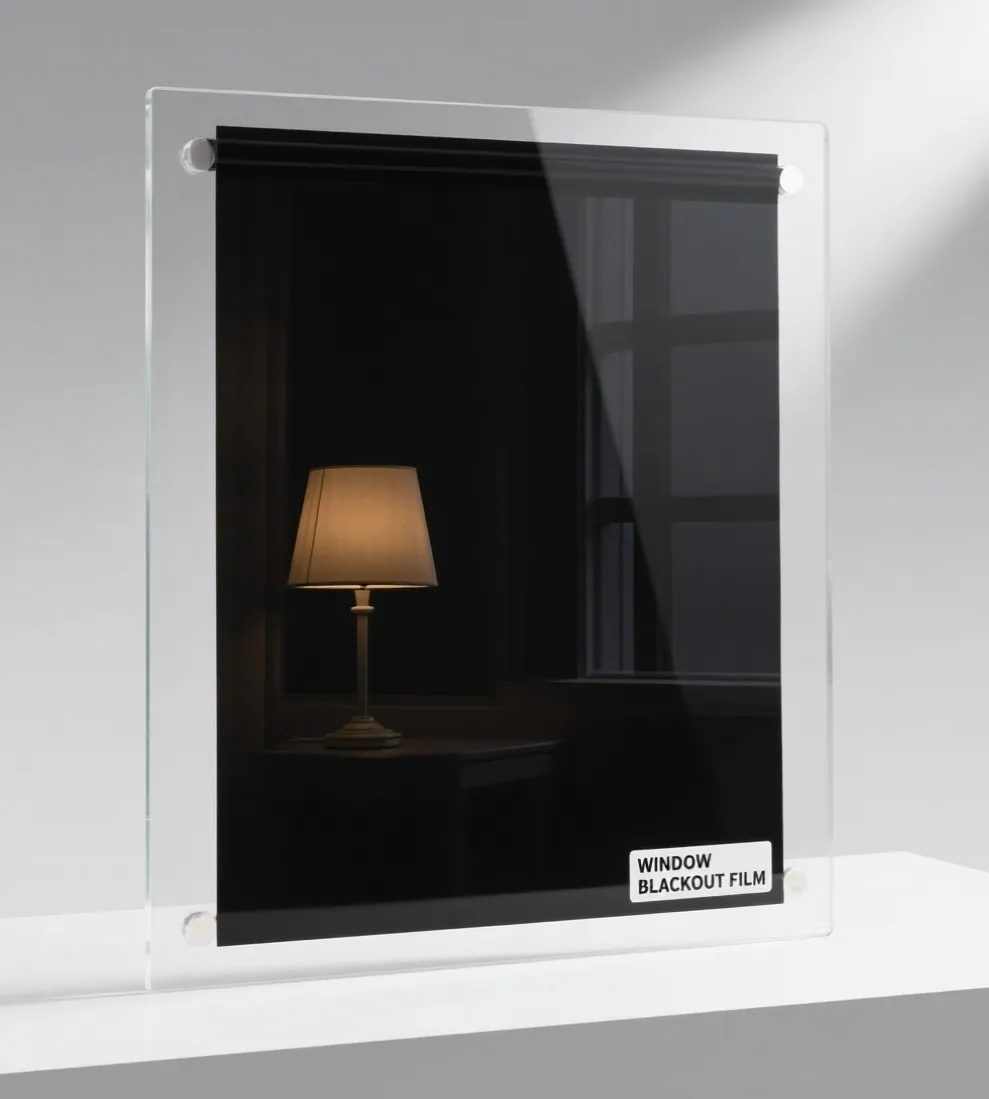
Why Window Blackout Film for Hotels Shapes Guest Comfort and Energy Use
Window blackout film for hotels is a light-control material specified when guest rooms, banquet halls or lobbies must go fully dark without replacing the glazing. It matters because three decisions are made at the glass at the same time: how well a guest sleeps, how much cooling the building carries, and how often maintenance has to climb a ladder.
Read More
What Window Blackout Film for Home Theaters Does for Light and Sound Control
Window blackout film for home theaters is a light-control material applied to the glazing of a dedicated viewing room, and it solves two problems at once: stray light that lifts the black level on screen, and the reflective glass surface that bounces sound around the room. It matters because most home theaters are built in rooms that already have windows, and those windows quietly undo the money spent on a projector.
Read More
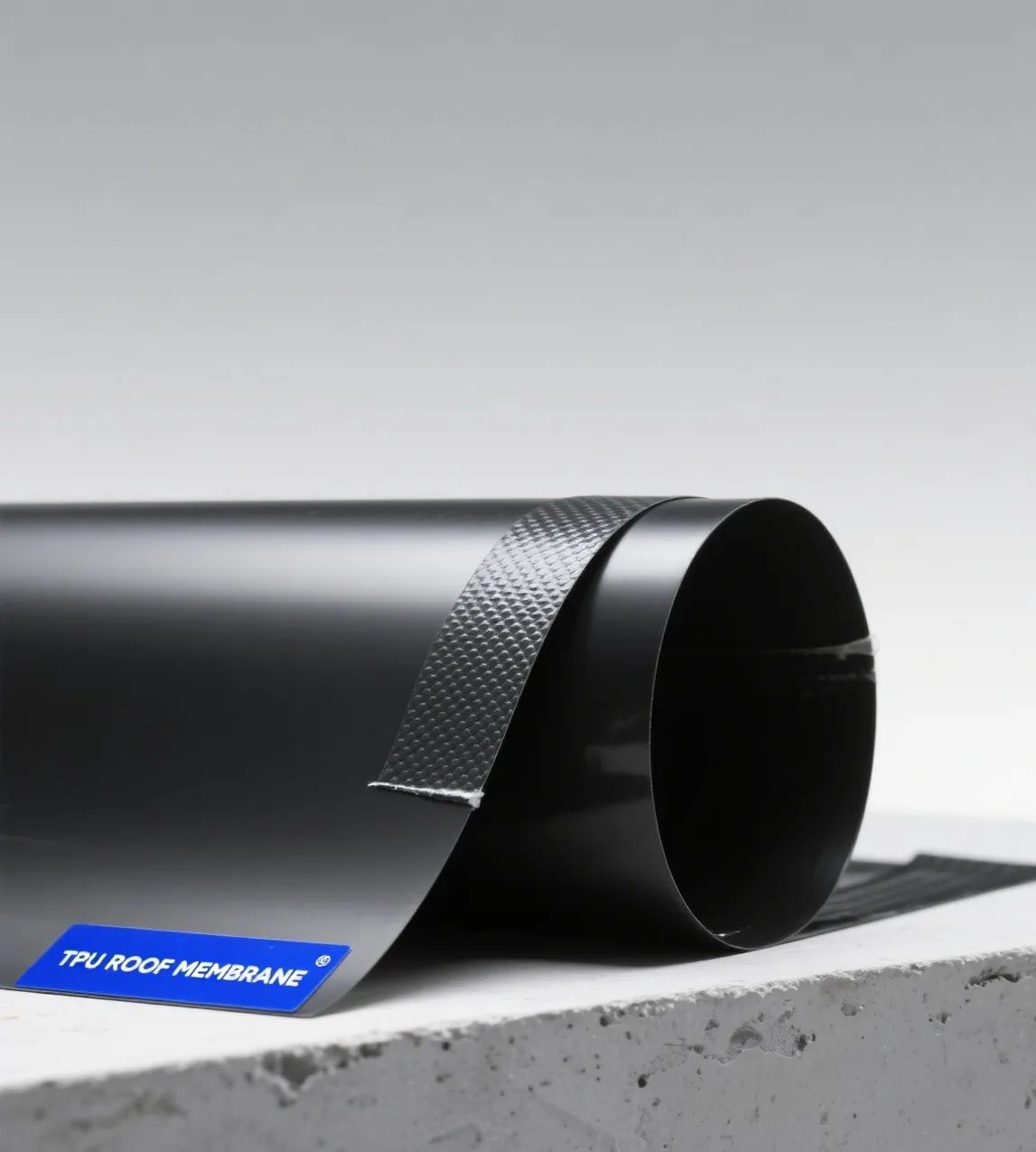
How Tpu Roof Membrane Vs Tpo Membrane Perform Across Weathering and Welding
Tpu roof membrane vs tpo membrane is a comparison that usually arrives late, when a specification has already been written around one of them and a contractor has raised a doubt. Both are thermoplastic single-ply membranes, both are white or light grey by default, and both are joined with hot air. The similarities are precisely why the differences are so often missed.
Read More
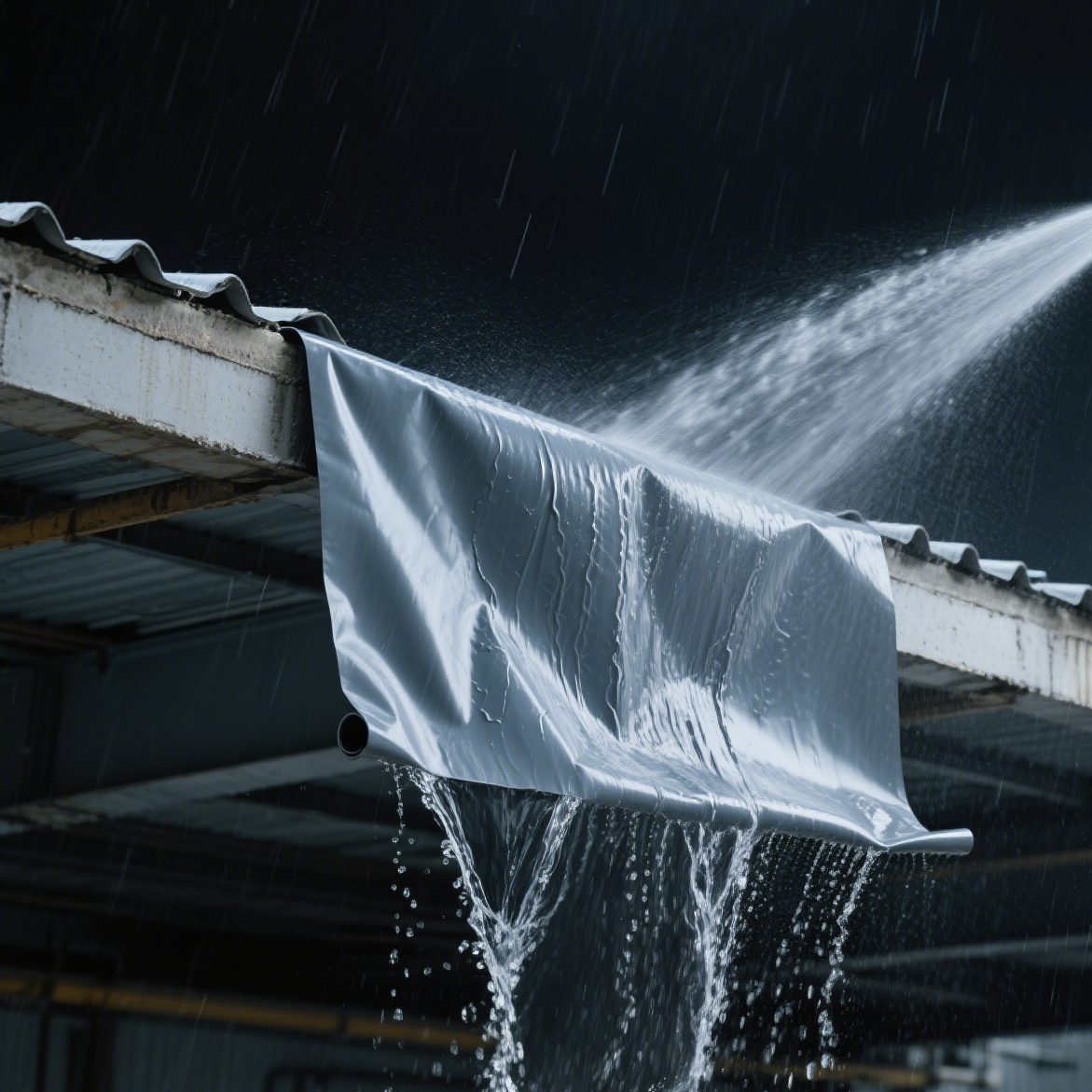
What Tpu Roof Membrane Installation Demands From Contractors and Fabricators
Tpu roof membrane installation is where a good specification is either realised or wasted. The membrane arrives as rolls and pre-fabricated panels, and from that point the outcome depends on substrate preparation, seam discipline, weather window management and the training of the crew holding the hot air welder.
Read More
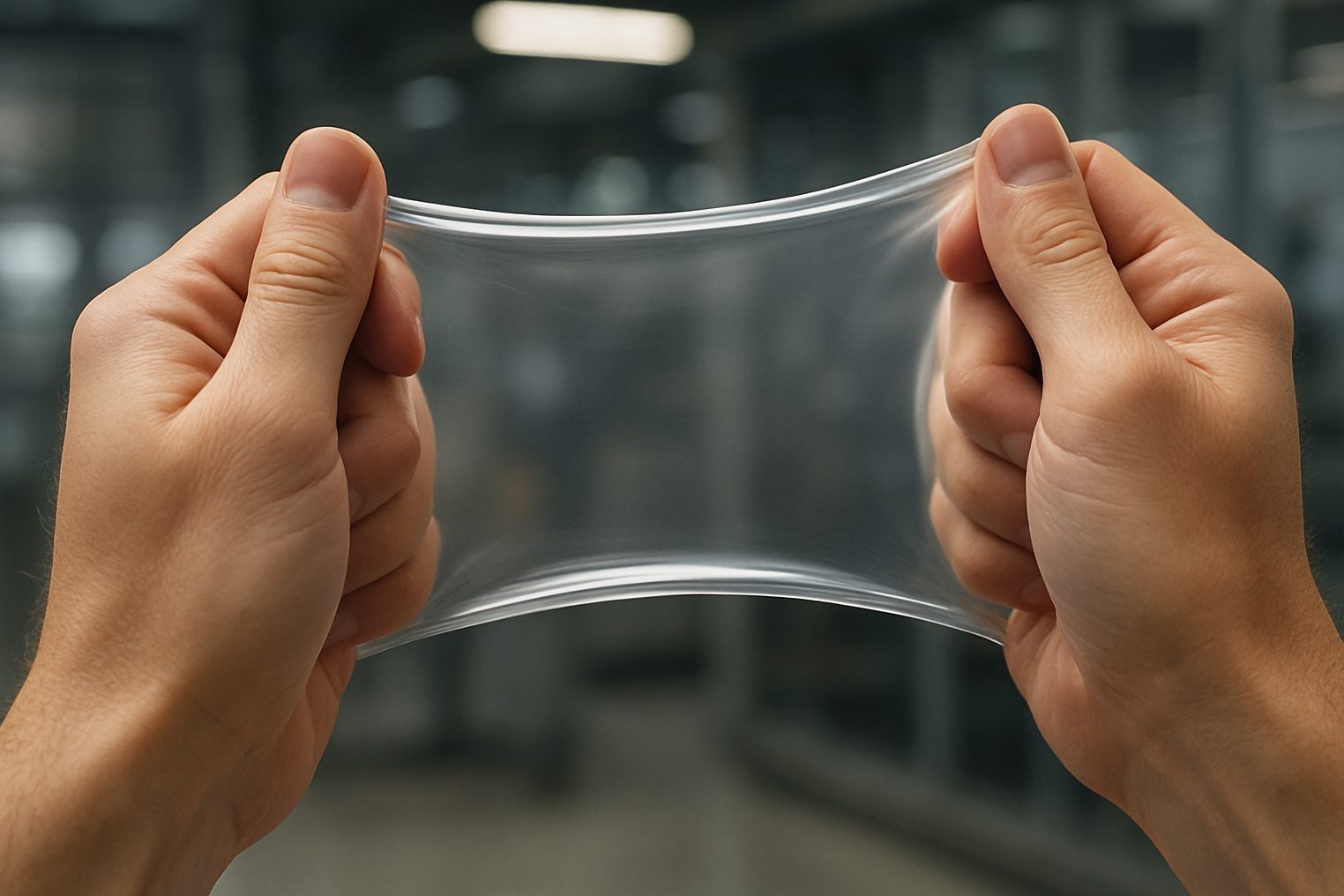
How Tpu Protective Film for Solar Panels Survives Transport and Installation
Tpu protective film for solar panels is a temporary surface film applied to module glass, backing sheets or frames so that the product reaches the array without cosmetic damage. It matters because a module spends far longer in transit and on a roof than it does on the production line, and every scratch that lands in that window becomes a warranty conversation about performance rather than appearance.
Read More
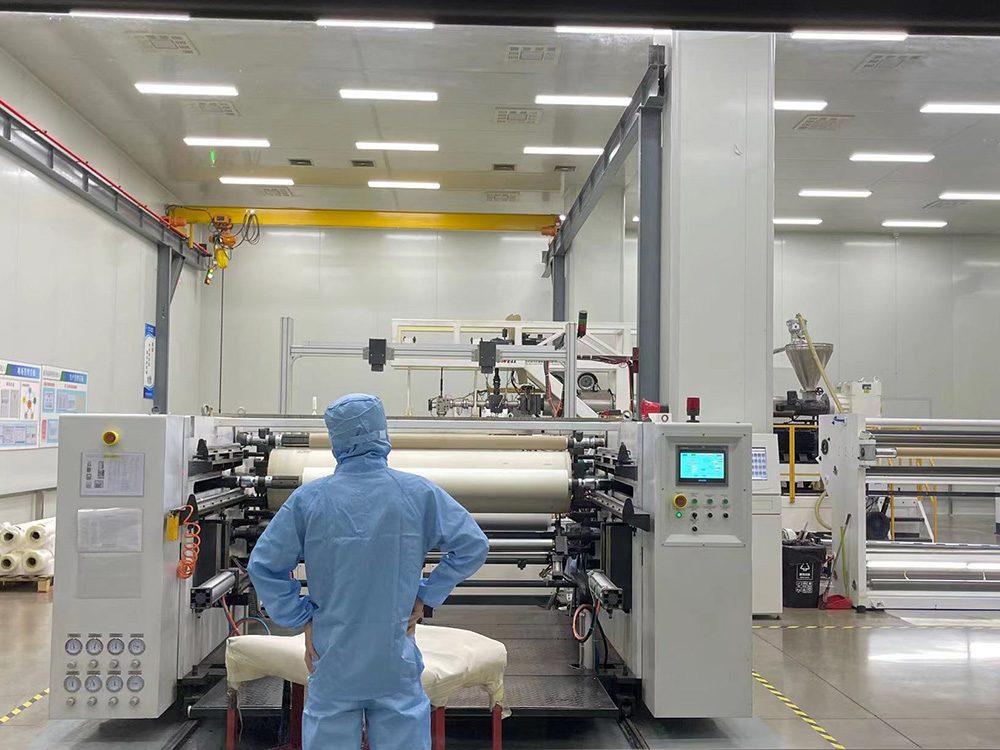
What Tpu Protective Film for Lithium Battery Cells Must Deliver on the Cell Line
Tpu protective film for lithium battery cells is a temporary surface layer used during cell and pack assembly to keep a delicate surface intact while it travels between processes. It matters because a cell that has passed every electrical test can still be rejected for a mark on its casing, and that rejection happens at the most expensive point in the whole production sequence.
Read More
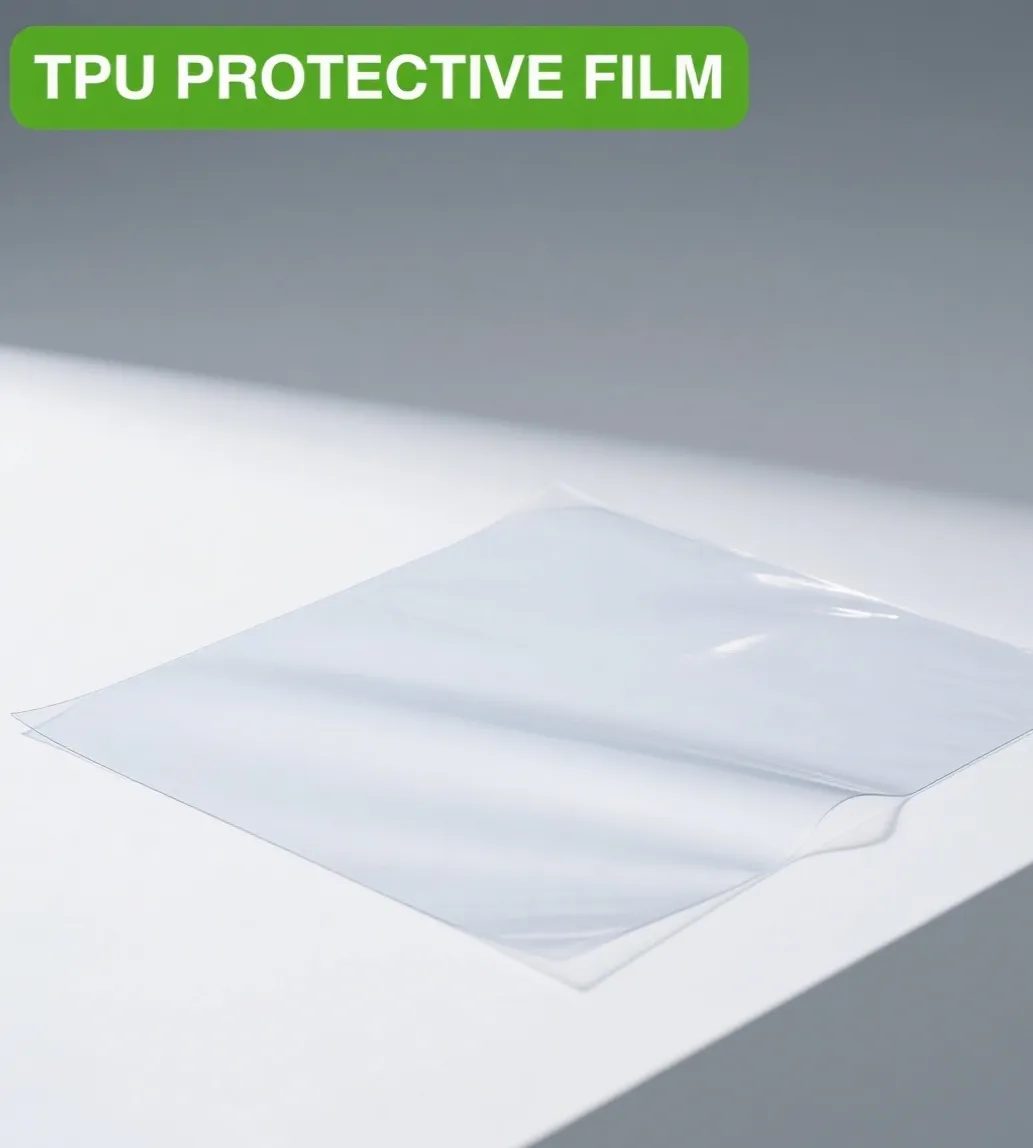
Why Tpu Protective Film for Aluminium Profiles Cuts Scrap and Rework
Tpu protective film for aluminium profiles is a temporary surface film applied at extrusion or after anodising, and it exists for one reason: bare aluminium is soft, and every scratch that reaches a customer becomes somebody's rework. It matters because scrap in a profile plant is rarely caused by a machine fault.
Read More
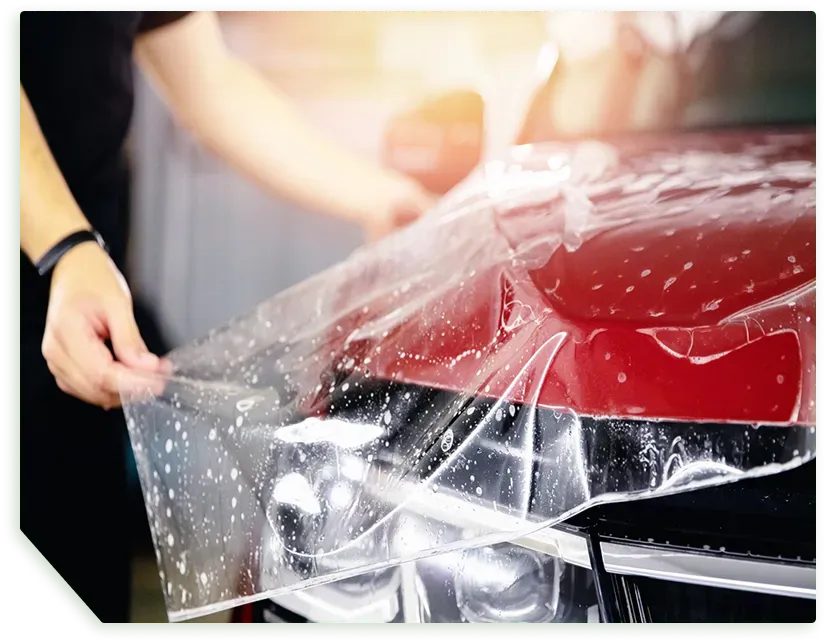
Where Tpu Paint Protection Film Vs Ceramic Coating Differ in Impact and UV Defense
Tpu paint protection film vs ceramic coating is one of the most confused comparisons in the automotive aftermarket, largely because both products are marketed as protection and both make a paint surface easier to clean. They are not competing versions of the same thing. One is a physical film that absorbs energy; the other is a chemical layer that changes surface behaviour.
Read More

Why Tpu Paint Protection Film for Motorcycles Needs Different Specs Than Cars
Tpu paint protection film for motorcycles is usually sold as the same product that goes on a car, simply cut smaller. That shortcut is the reason so many motorcycle installations look acceptable on the day and disappointing a season later.
Read More
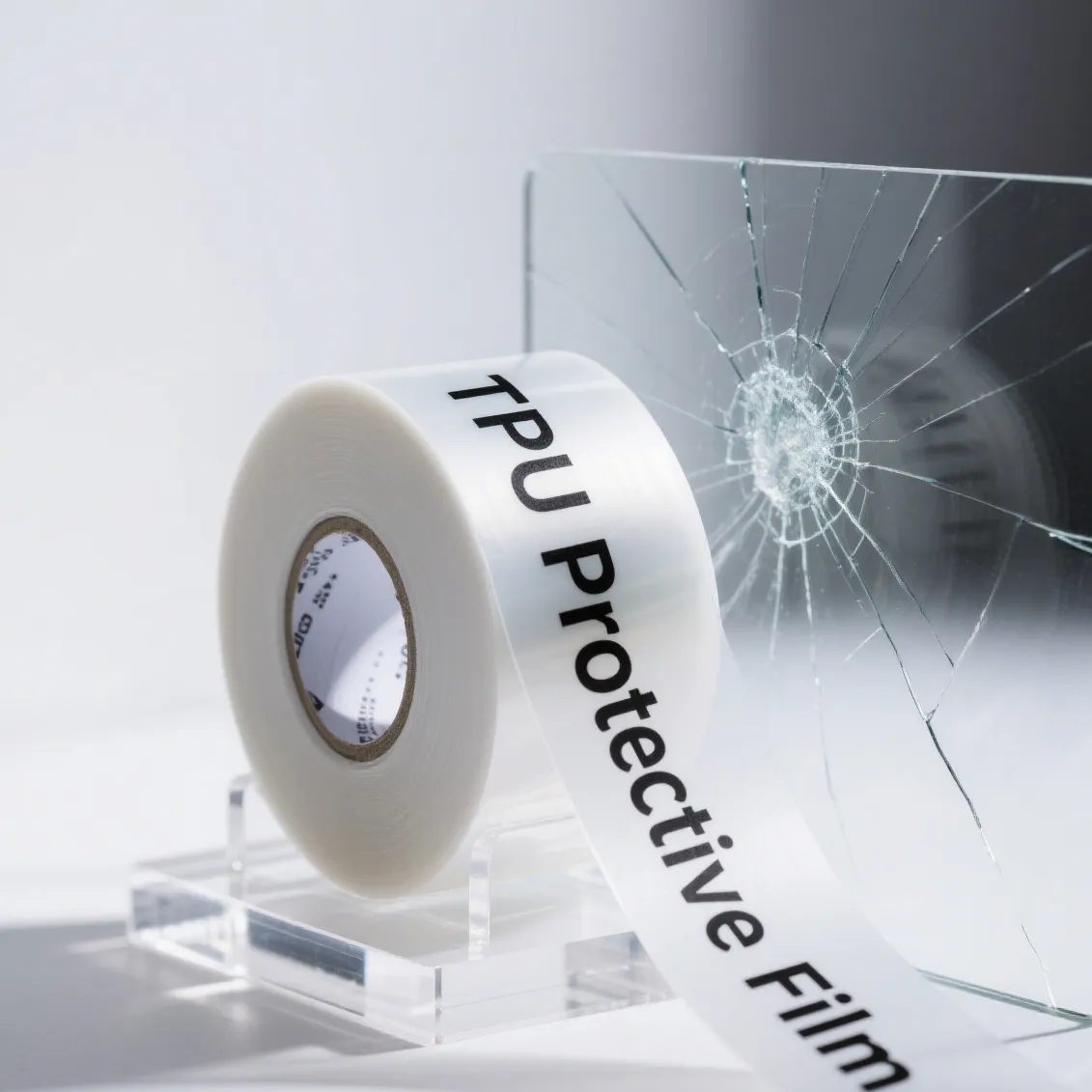
How Tpu Paint Protection Film for Headlights Handles Heat and Impact
Tpu paint protection film for headlights is a small application with an unusually difficult set of requirements. A headlight lens is a transparent polymer component that runs hot, sits at the very front of the vehicle where every stone arrives, and is judged by how clear it looks rather than by how well it survives.
Read More
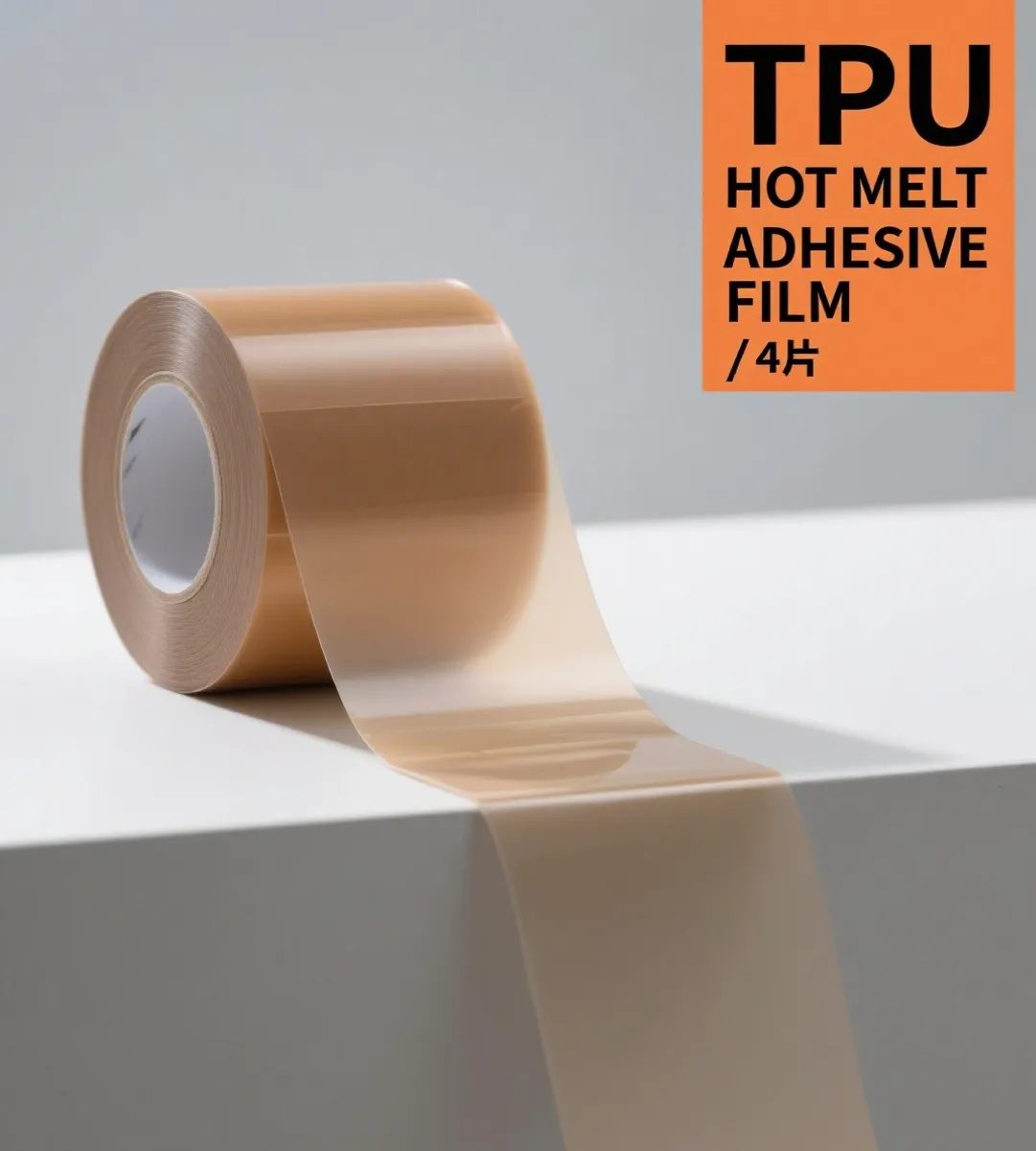
How Tpu Hot Melt Adhesive Film for Heat Transfer Printing Lifts Wash Durability
Tpu hot melt adhesive film for heat transfer printing is the layer that decides whether a graphic survives fifty home washes or peels at the corner after ten. Brands spend heavily on the print itself, then discover that the weak point was never the ink.
Read More
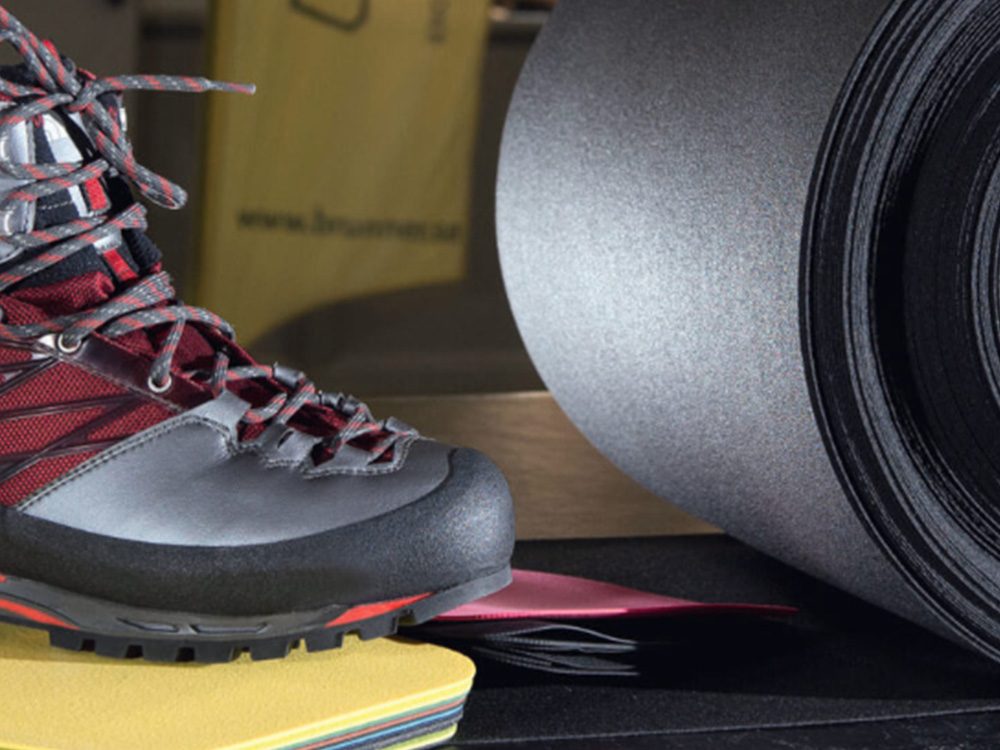
Why Tpu Hot Melt Adhesive Film for Footwear Outperforms Solvent Adhesives at Volume
Tpu hot melt adhesive film for footwear is the quiet change that happens when a factory moves from cementing by hand to bonding by heat and pressure. The swap looks like a materials decision, but it is really a process decision: it removes solvent from the building, moves the bond quality from operator skill to machine settings, and changes the scrap profile of the whole line.
Read More
How to Specify Thermoplastic Polyurethane Tpu Film Thickness Without Overbuilding
Thermoplastic polyurethane tpu film thickness is the single number most often specified by habit rather than by calculation, and it is the one that quietly drives cost, weight and processing difficulty on every downstream operation.
Read More
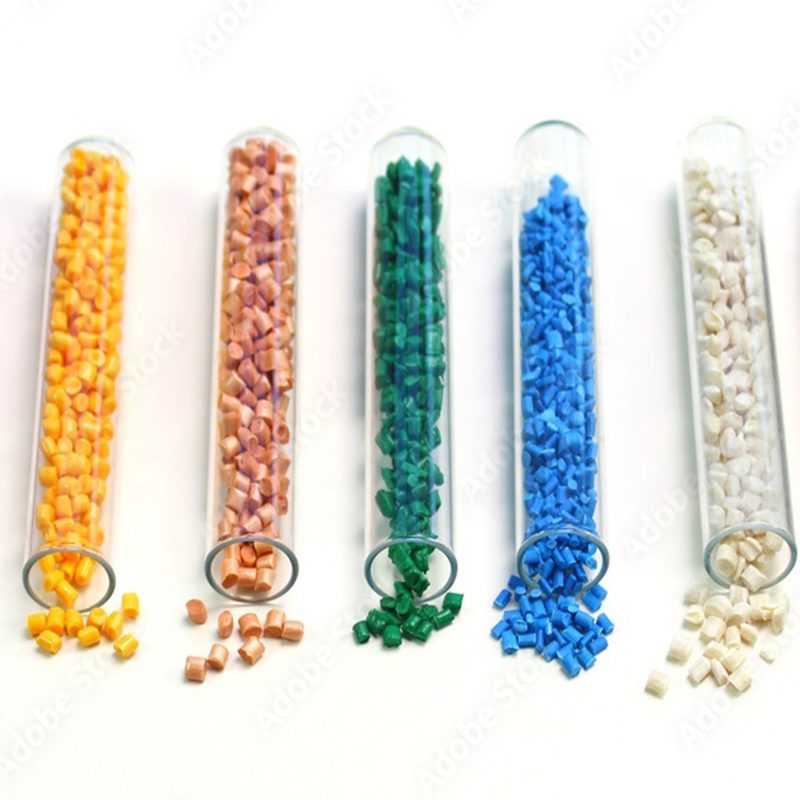
What Thermoplastic Polyurethane Tpu Film Hardness Means for Bonding and Flex Life
Thermoplastic polyurethane tpu film hardness is quoted on the Shore A or Shore D scale, and buyers often treat it as a single quality number: softer for comfort, harder for durability. In practice hardness is a system variable. It governs how the film bonds, how it flexes through thousands of cycles, how it feels in the hand and how a finished laminate ages.
Read More

How Non Porous Tpu Film for Protective Clothing Balances Barrier and Moisture Vapor
Non porous tpu film for protective clothing looks like a contradiction to anyone who assumes that breathability requires holes. It is not. A monolithic polymer membrane with no pores at all can still transmit water vapour, because vapour dissolves into the polymer, diffuses through it and evaporates on the other side. Liquid water and particles cannot follow that route.
Read More

Why Non Porous Tpu Film for Inflatable Products Holds Air Where Laminates Fail
Non porous tpu film for inflatable products solves a problem that laminates do not: air retention over time. An inflatable is judged by how long it stays inflated, and the difference between a product that holds pressure for a season and one that needs topping up every week is almost always in the film and the seam rather than in the design.
Read More

How Matte Car Wrap Tpu Film Balances Finish, Care, and Service Life
Matte car wrap tpu film is the finish category where a small change in surface structure changes almost every other property. A matte surface scatters light instead of reflecting it, which is what produces the flat look, and that same scattering behaviour also affects how the film shows marks, how it must be cleaned and how long it keeps its appearance.
Read More
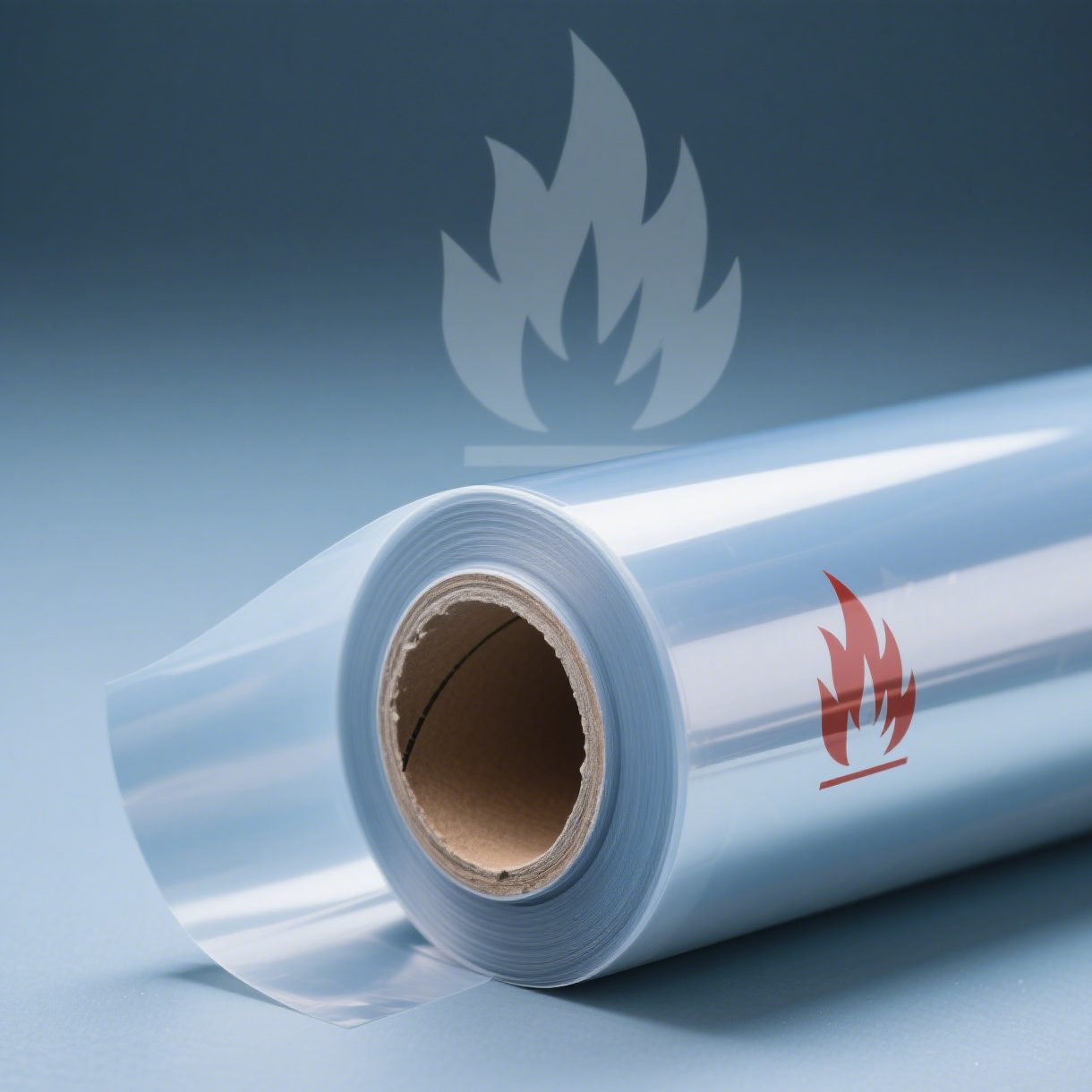
What Flame Retardant Tpu Film for Tents and Tarpaulins Must Pass Before Export
Flame retardant tpu film for tents and tarpaulins sits in an unusual commercial position. The material is bought by a manufacturer, but the requirement that governs it is imposed by an event organiser, a building inspector or a customs authority in the destination market.
Read More
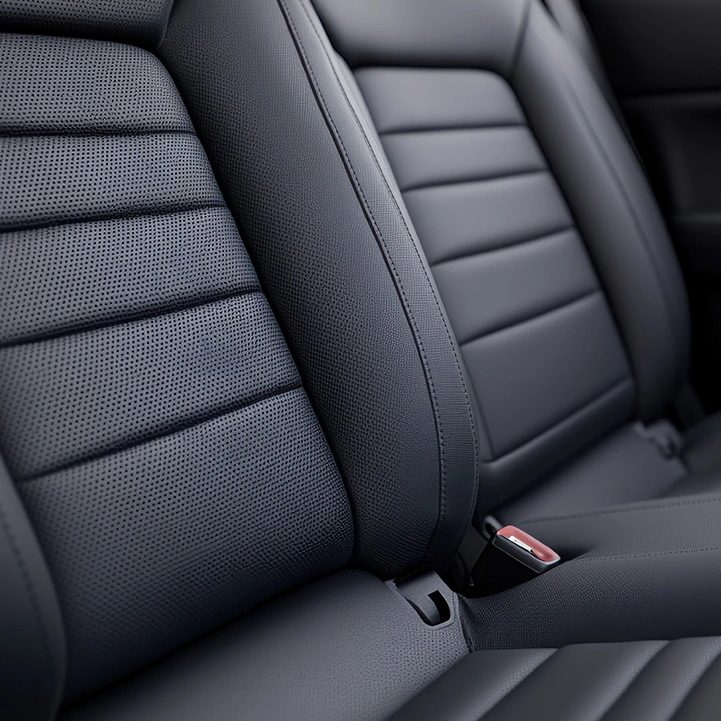
Why Flame Retardant Tpu Film for Automotive Interiors Is Specified in Cabin Laminates
Flame retardant tpu film for automotive interiors appears in a specification for a reason that has nothing to do with comfort: interior materials are regulated for fire behaviour, and a laminate that fails the relevant test cannot be used in a cabin regardless of how well it performs on every other measure.
Read More
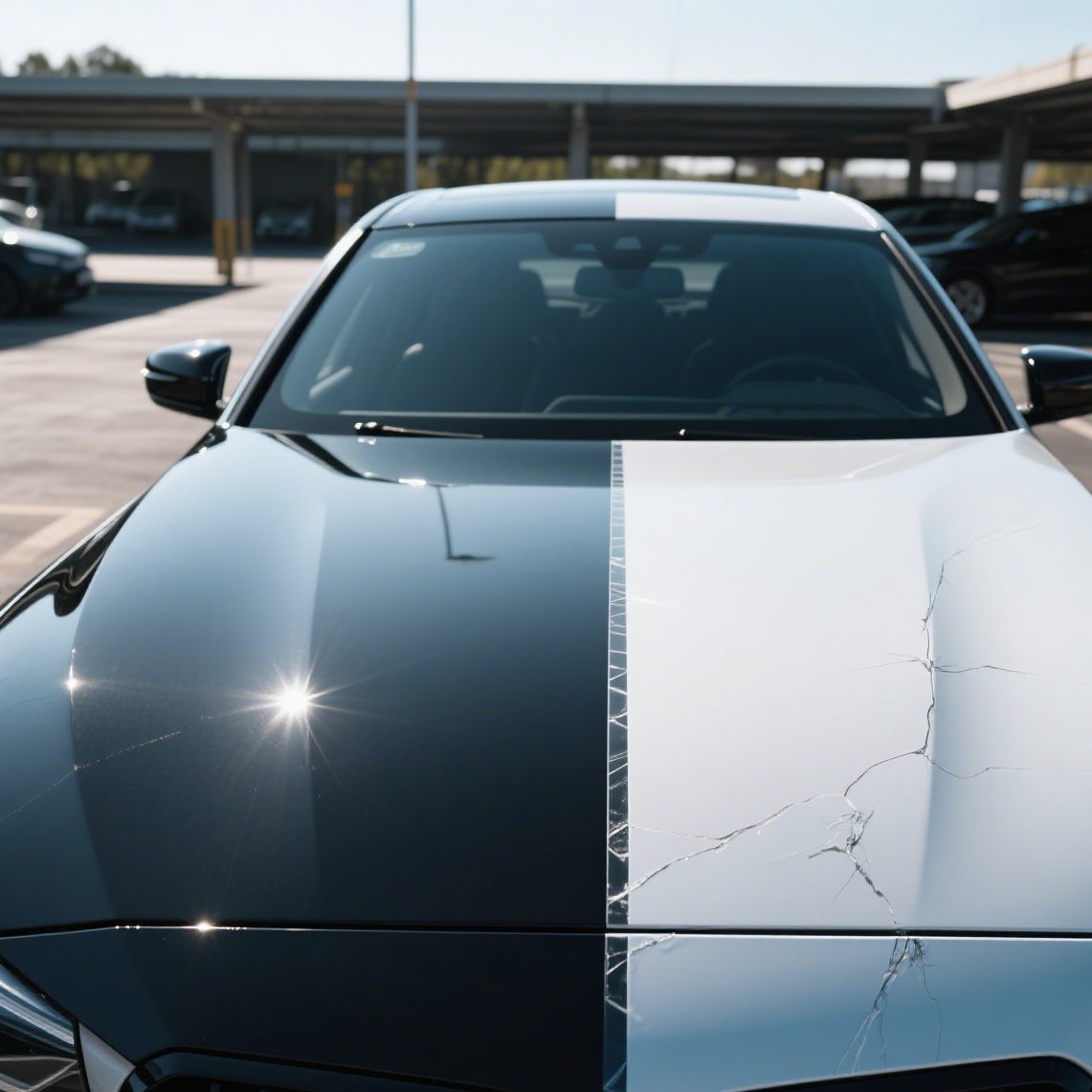
What Color Change Car Wrap Tpu Film Demands From Converters and Installers
Color change car wrap tpu film moves the material out of the protection category and into the appearance category, and that shift changes every requirement. A clear protective film is judged on whether it holds up and stays invisible; a coloured wrap is judged on how it looks from three metres away, on the day it is installed and on every day afterwards.
Read More
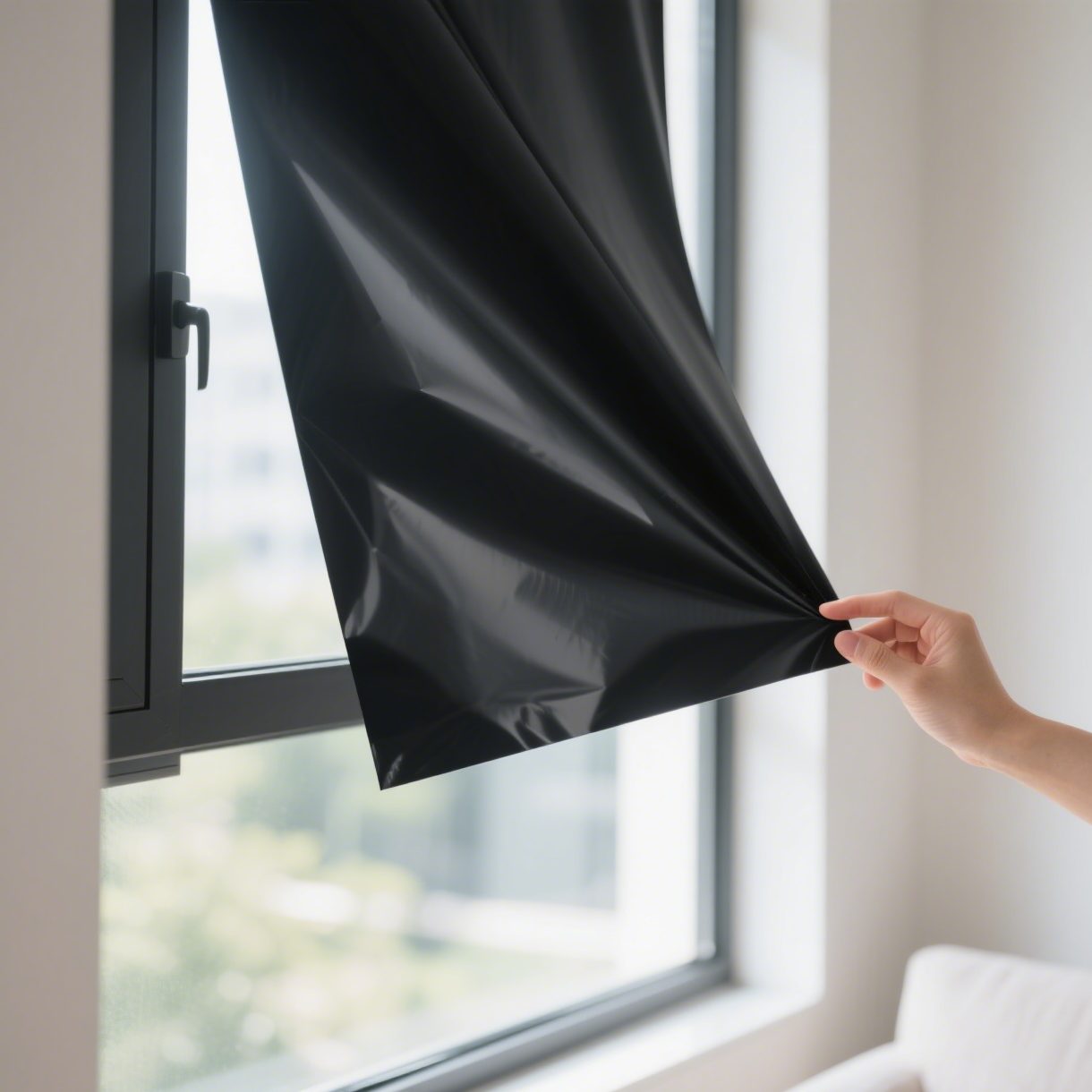
How Classroom Window Blackout Film Improves Focus and Projector Clarity
Classroom window blackout film is a light-control material that schools apply to glazing when glare, projector washout and afternoon heat start interfering with teaching. It matters because a classroom is a working space with a fixed timetable: a screen that cannot be read at 1 p.m. is not a cosmetic problem, it is a lesson that has to be delivered twice.
Read More
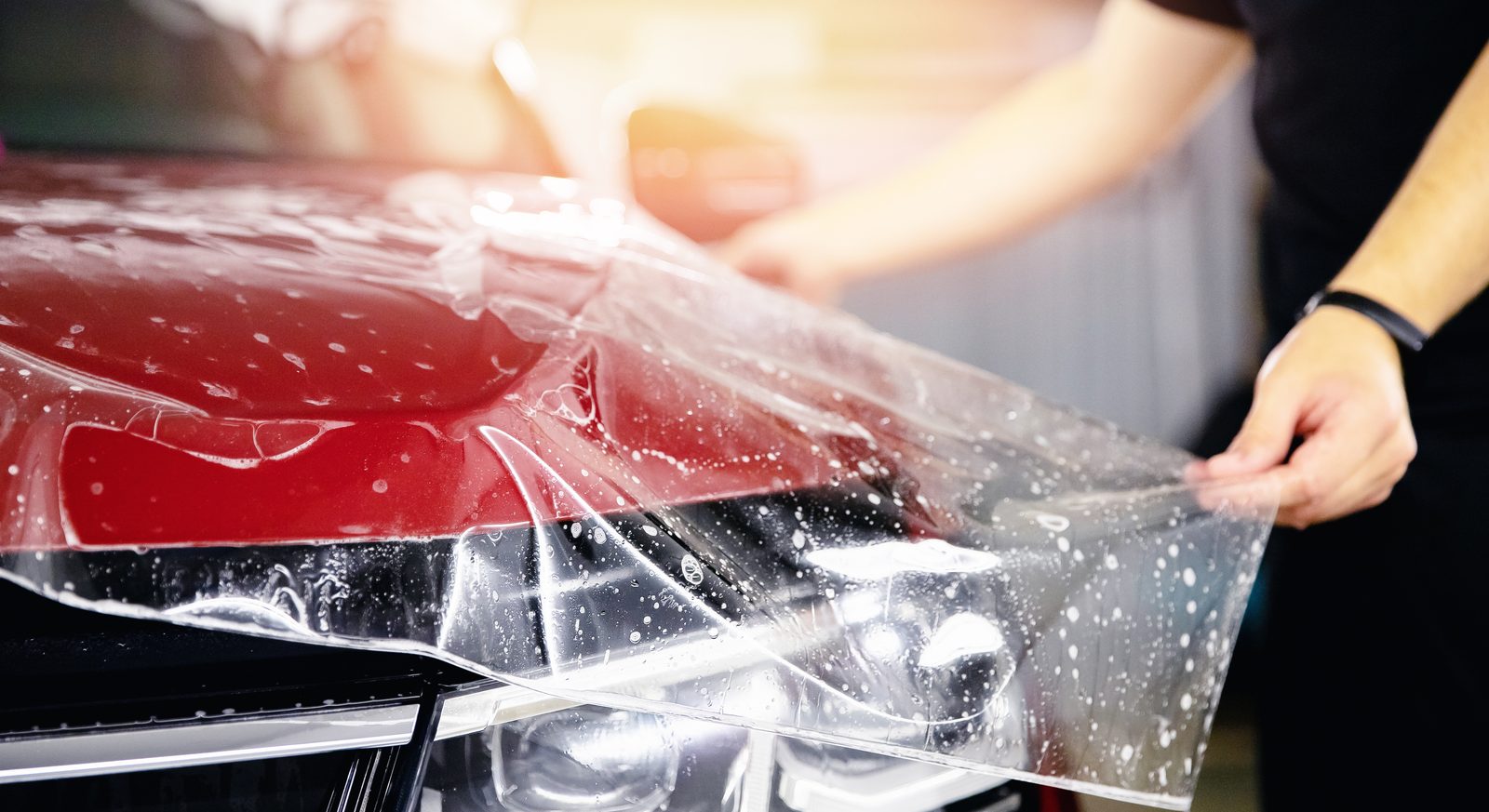
Why Car Wrap Tpu Film for Fleet Vehicles Suits Multi-Year Graphics Programs
Car wrap tpu film for fleet vehicles is judged on a different timescale from a private wrap. A single vehicle is a project; a fleet is a programme that runs for years, with vehicles arriving, leaving and being refurbished on a schedule that has to match a brand identity, a resale plan and a maintenance budget.
Read More
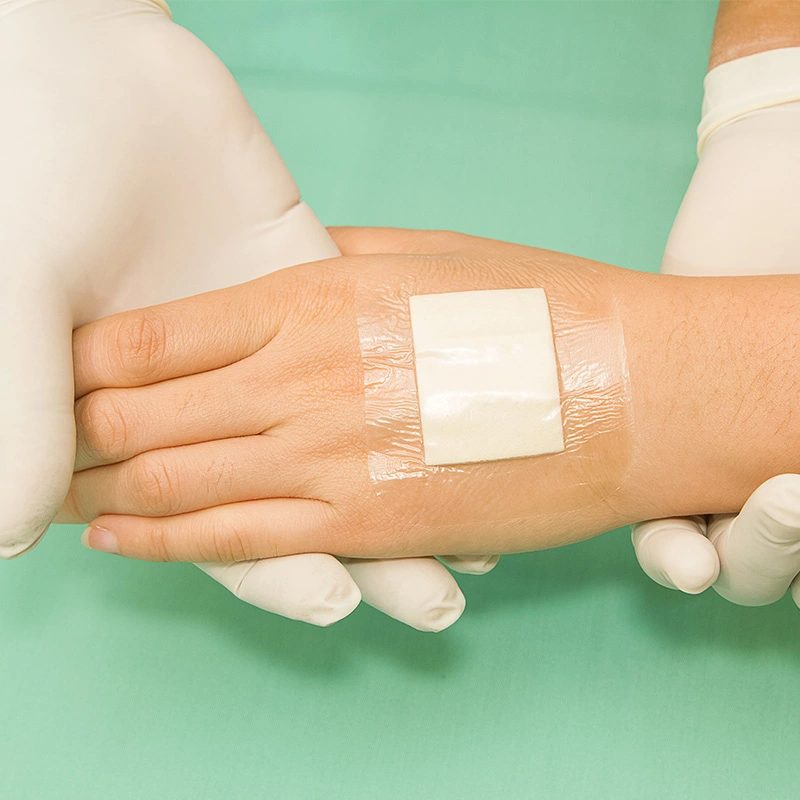
Why Biodegradable Tpu Film for Hygiene Products Is Moving From Niche to Standard
Biodegradable tpu film for hygiene products entered the conversation the way most material shifts begin: a large brand made a public commitment, and its supply chain was told to answer.
Read More
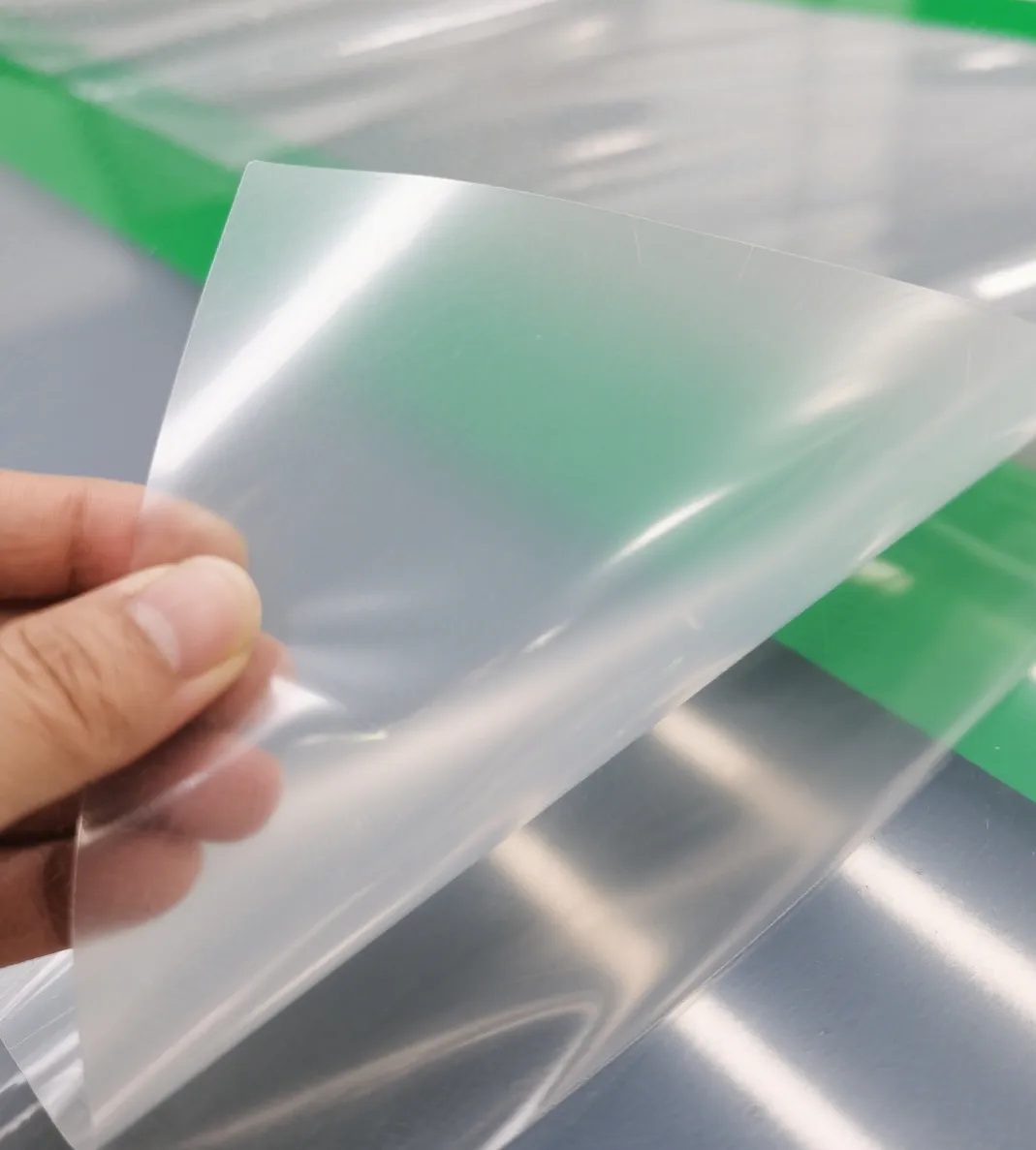
How Biodegradable Tpu Film for Agricultural Mulching Fits Soil-Safe Farming
Biodegradable tpu film for agricultural mulching is a ground-covering material designed to break down in the soil after the growing season, removing the collection step that conventional plastic mulch creates.
Read More
How to Choose a Reliable Window Blackout Film Factory for OEM and Bulk Orders
In the rapidly evolving market of functional architectural and automotive materials, finding a professional window blackout film factory is a critical step for wholesalers and brand owners.
Read More
How to Choose the Best Outdoor Window Blackout Film for Long-Term Performance
A comprehensive guide to material selection, environmental durability, and professional application for architectural and industrial light control.
Read More
What Is Waterproof Window Blackout Film? Features and Best Applications
A comprehensive guide to enhancing privacy, moisture resistance, and aesthetic appeal in modern architectural spaces.
Read More
Why Choose Flame Retardant Window Blackout Film for Safety-Critical Environments?
In modern industrial and commercial infrastructure, the balance between light management and fire safety is a critical design consideration. Utilizing high-performance flame retardant window blackout film has become a standard requirement for environments where safety cannot be compromised.
Read More
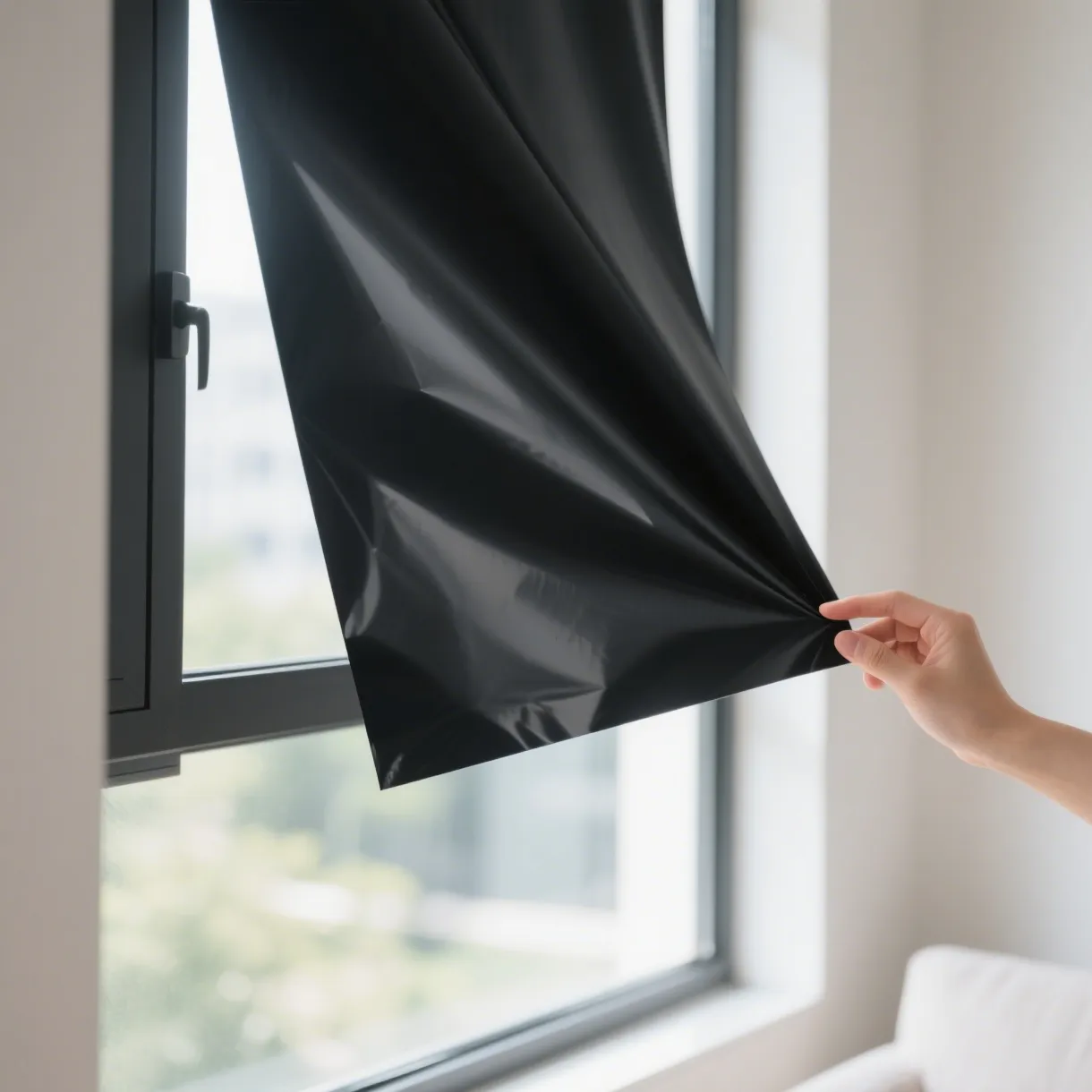
What Is Medical Grade Window Blackout Film? Features and Healthcare Applications
In the highly demanding environment of modern healthcare, controlling light and ensuring privacy are not just matters of comfort but are essential to patient recovery and procedural accuracy. The use of a Window Blackout Film Medical Grade solution has become a standard requirement for hospitals, sleep clinics, and diagnostic centers.
Read More
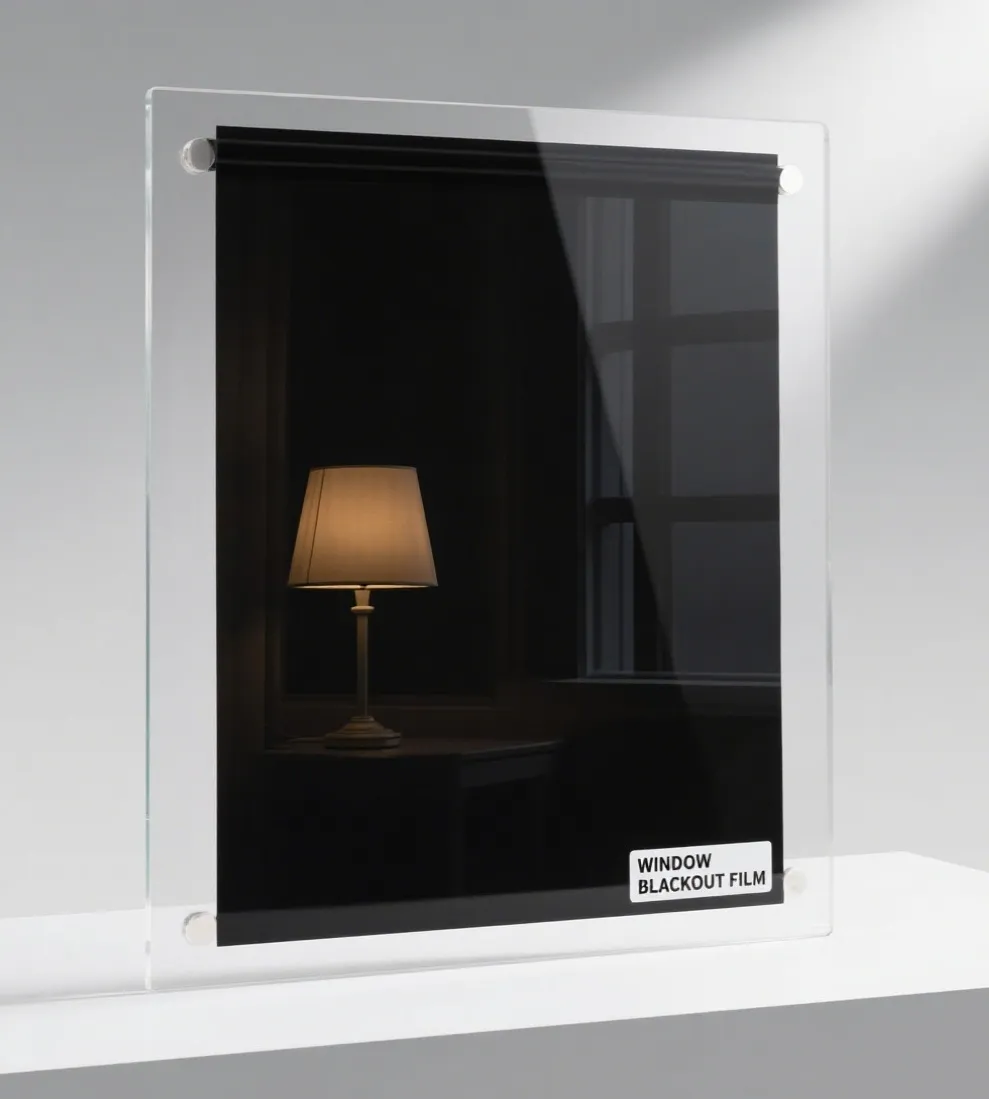
Why Choose Residential Window Blackout Film for Better Privacy and Comfort?
In the modern architectural landscape, large glass windows have become a symbol of elegance and openness. However, this aesthetic often comes at the cost of personal privacy and thermal control. For homeowners seeking a balance between modern design and functional seclusion, the installation of residential window blackout film has emerged as a premium solution.
Read More
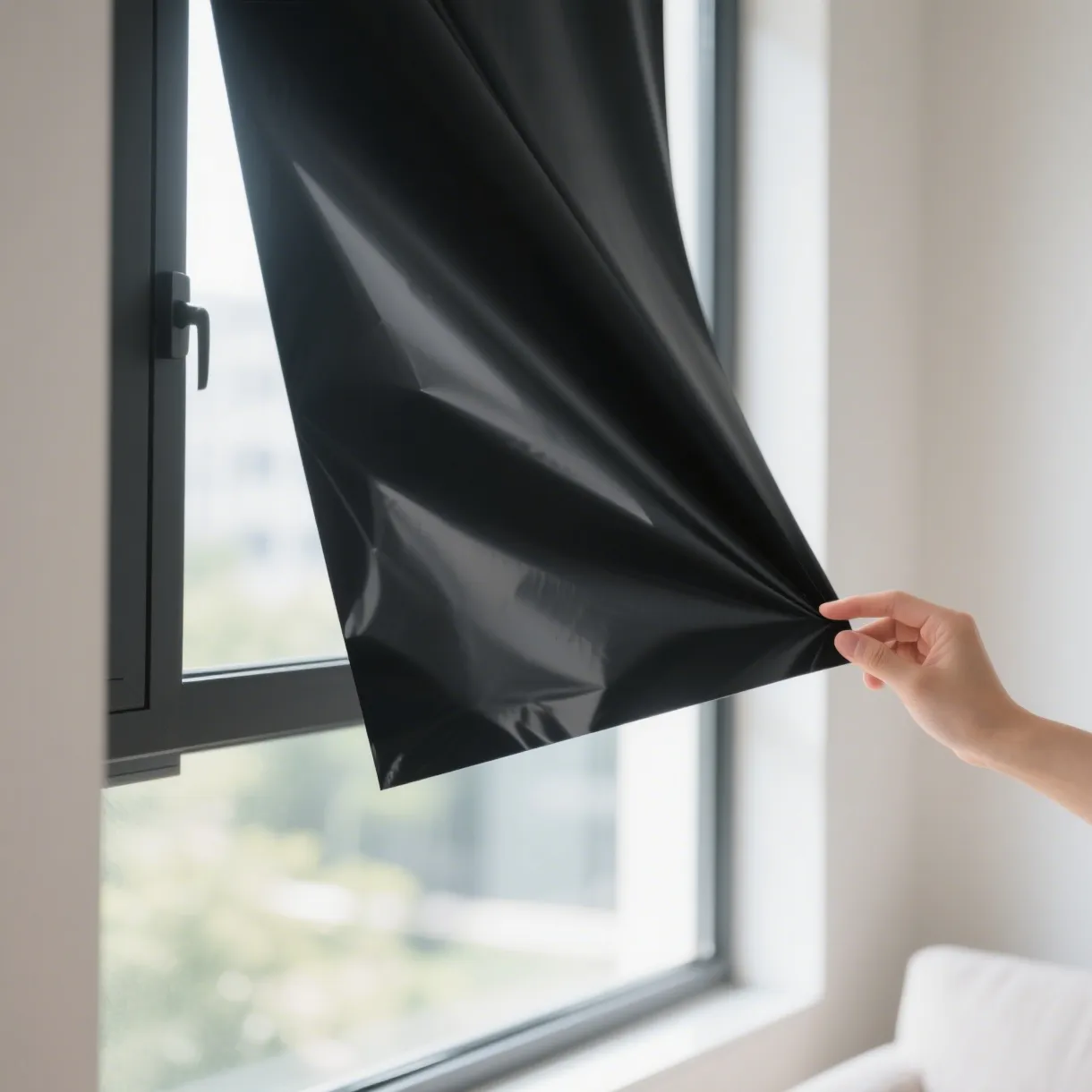
How Is Window Blackout Film Used in Industrial Applications?
In the modern manufacturing landscape, controlling the environment within a facility is paramount to operational success. One of the most effective yet often overlooked tools in this endeavor is the strategic application of light-blocking technologies.
Read More
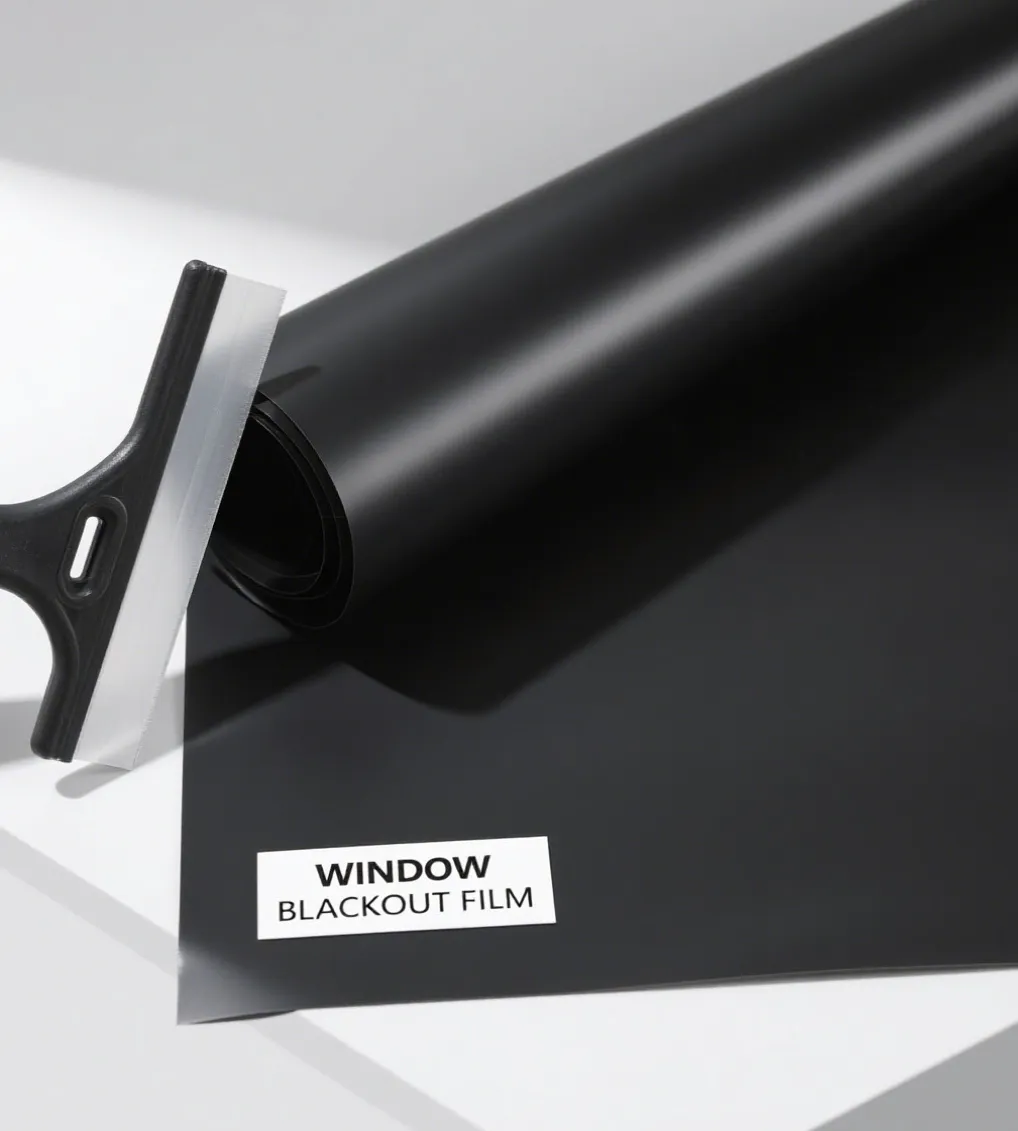
What Is Automotive Window Blackout Film? Benefits, Applications, and Buying Guide
Exploring the intersection of privacy, protection, and performance in modern automotive window solutions.
Read More
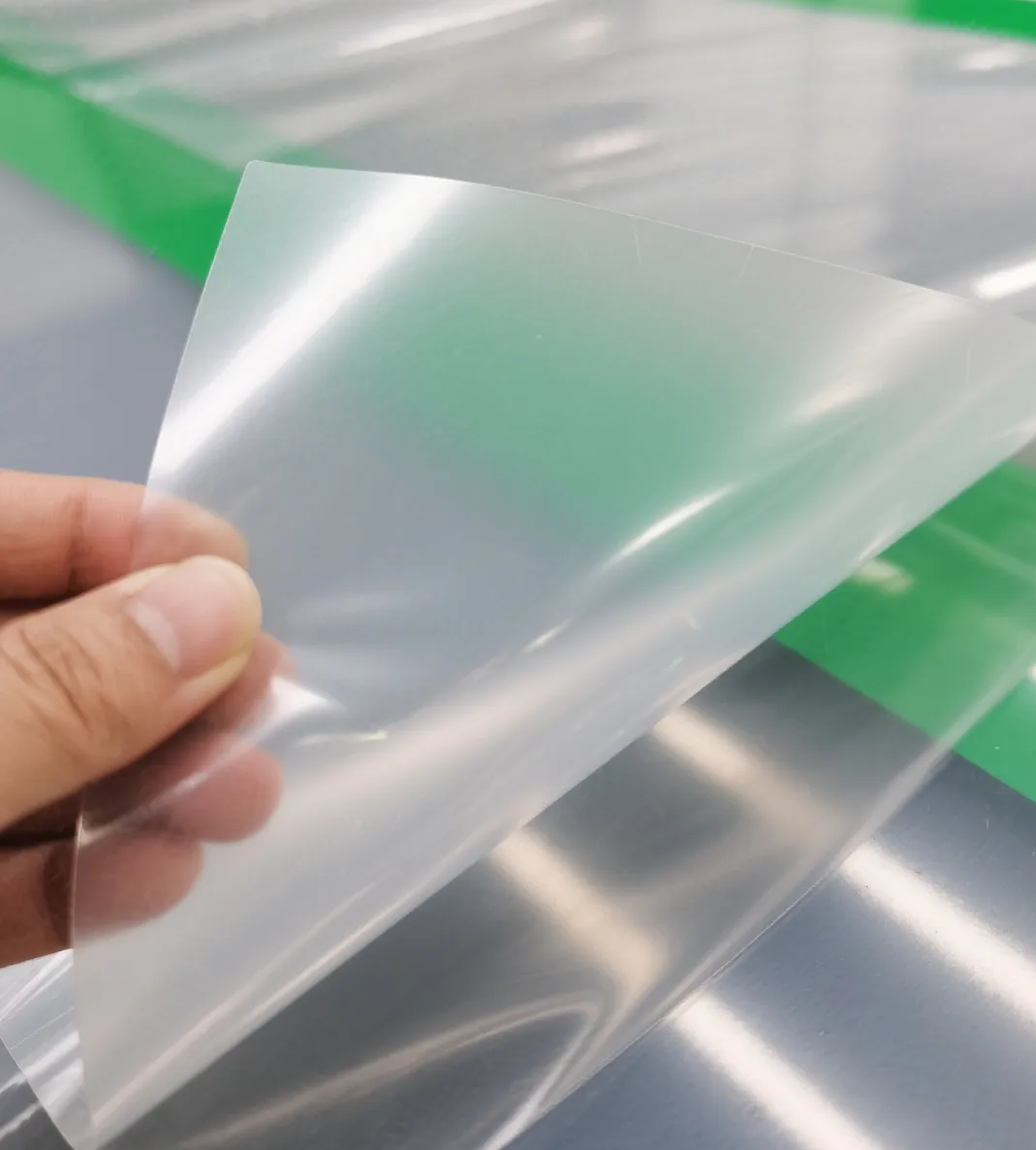
UV Resistant Biodegradable TPU Film for Outdoor Protection
A comprehensive guide to high-performance, sustainable material solutions for the modern outdoor industry.
Read More
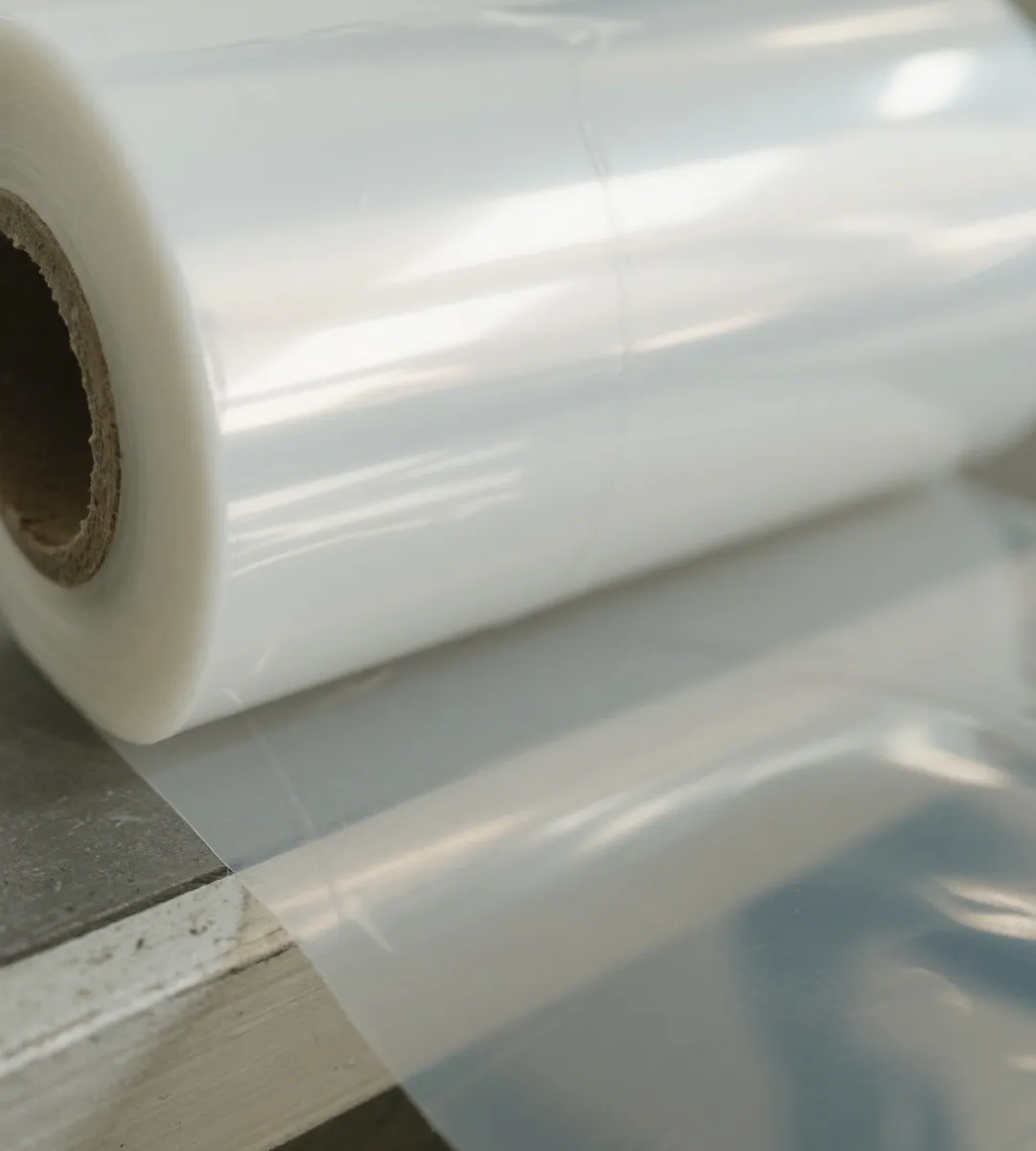
Chemical Resistant Biodegradable TPU Film for Industrial Use
In the rapidly evolving landscape of modern manufacturing, the shift toward sustainable materials has become a global imperative. Among the most innovative solutions emerging in the market is biodegradable TPU film, a material that bridges the gap between high-performance industrial utility and environmental responsibility.
Read More
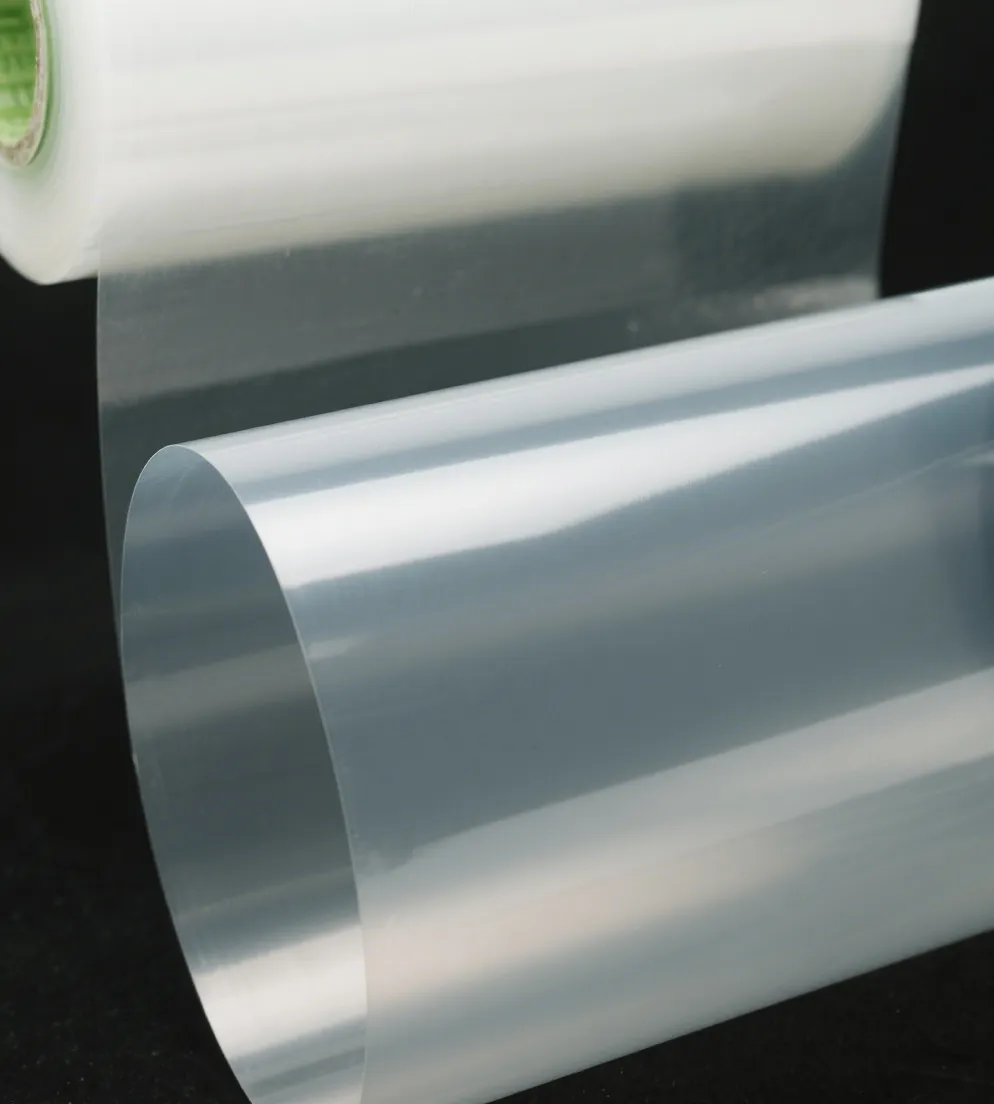
Durable Biodegradable TPU Film: Performance vs Traditional Materials
The global manufacturing landscape is undergoing a radical shift toward sustainability, driven by both consumer demand and stringent environmental regulations. In this context, the emergence of biodegradable TPU film represents a significant milestone in material science.
Read More
Breathable Biodegradable TPU Film for Textile Industry
A comprehensive guide to the evolution of sustainable textile solutions using high-performance biodegradable TPU film for modern manufacturing.
Read More
TPU Protective Film for Textile and Wearable Applications
A comprehensive guide to enhancing performance, durability, and comfort in modern textile engineering through advanced polymer technology.
Read More
Bulk TPU Protective Film Buying Guide for Distributors
An in-depth technical and strategic manual for global distributors focusing on high-performance polymer solutions.
Read More
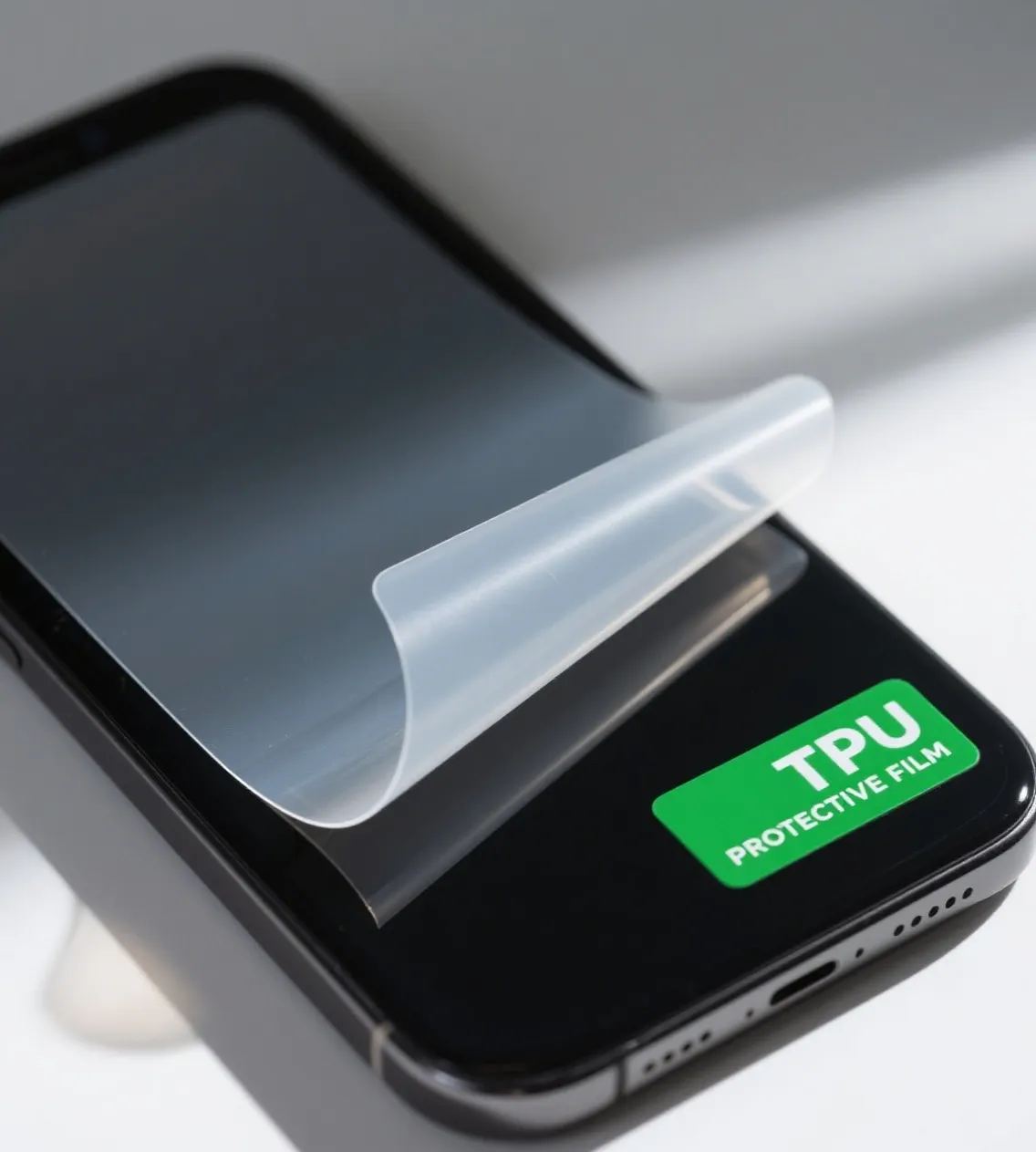
Waterproof TPU Protective Film for Outdoor and Marine Use
In the demanding world of outdoor exploration and maritime operations, material integrity is the cornerstone of safety and performance. The adoption of TPU protective film has revolutionized how manufacturers approach waterproofing and surface preservation.
Read More
Anti-Scratch TPU Protective Film: Performance and Benefits
In the modern industrial landscape, maintaining the aesthetic and structural integrity of surfaces is paramount. The emergence of TPU protective film has revolutionized how we safeguard high-value assets across various sectors.
Read More
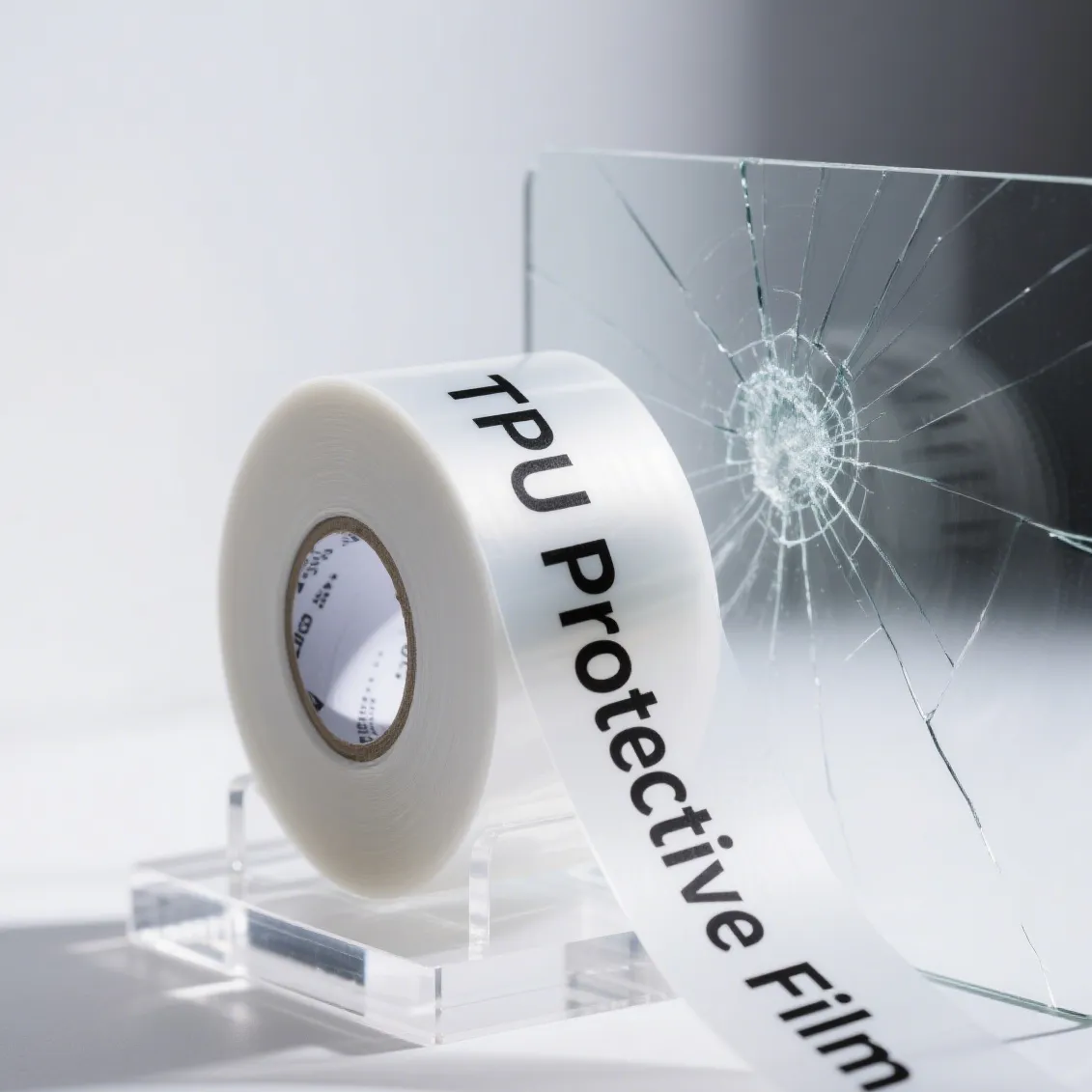
Flexible TPU Protective Film for Complex Surface Applications
In the modern manufacturing landscape, the demand for versatile surface protection has never been higher. A high-quality TPU protective film serves as a critical barrier against environmental degradation, mechanical wear, and chemical exposure, especially when dealing with intricate geometries and curved surfaces.
Read More
Automotive TPU Protective Film: Enhancing Surface Protection
A comprehensive guide to the science, application, and advantages of modern surface shielding solutions.
Read More
Durable Window Blackout Film for Industrial and Outdoor Use
A comprehensive guide to high-performance light management and material durability in demanding environments.
Read More
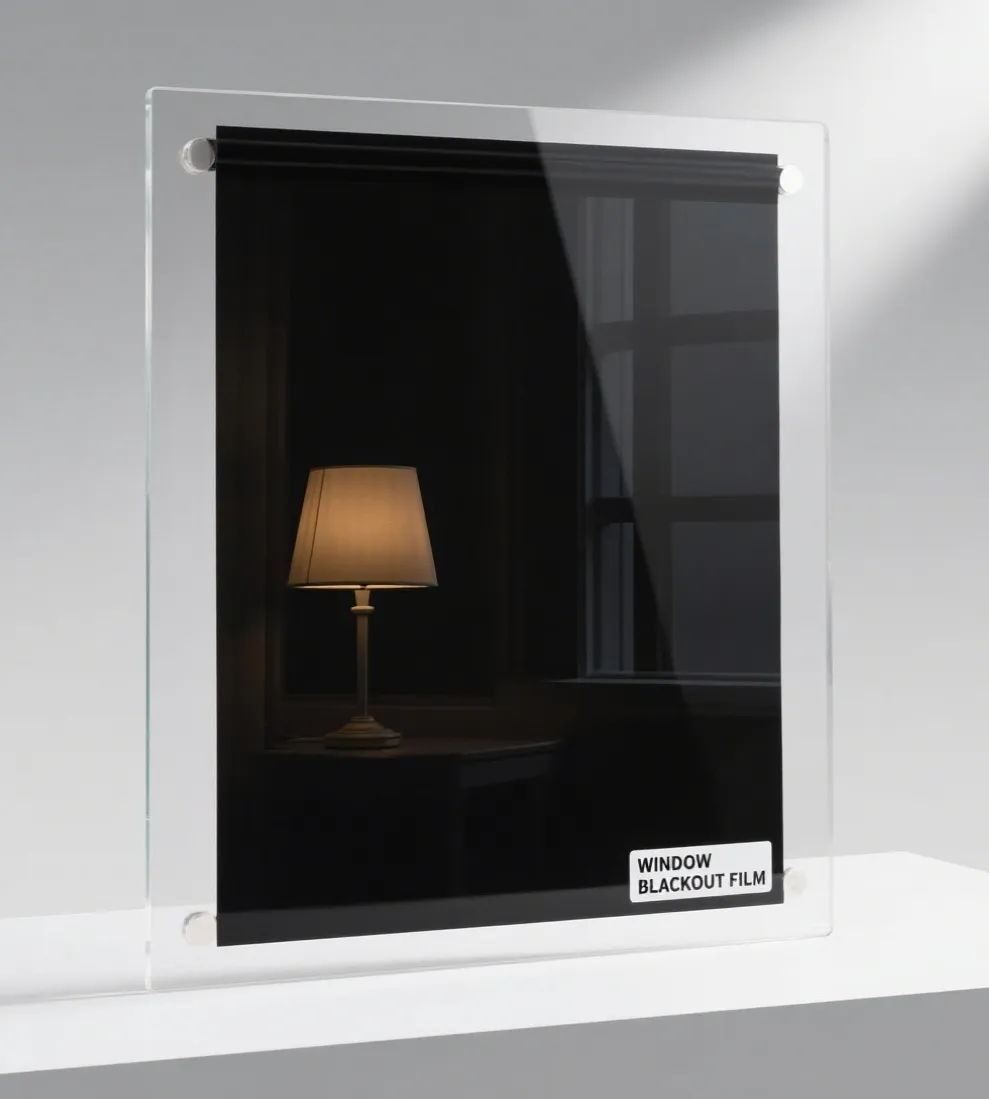
Thermal Insulation Window Blackout Film for Energy Saving
In an era where sustainability and energy efficiency are no longer optional but essential, homeowners and commercial developers are constantly seeking innovative ways to optimize building performance.
Read More
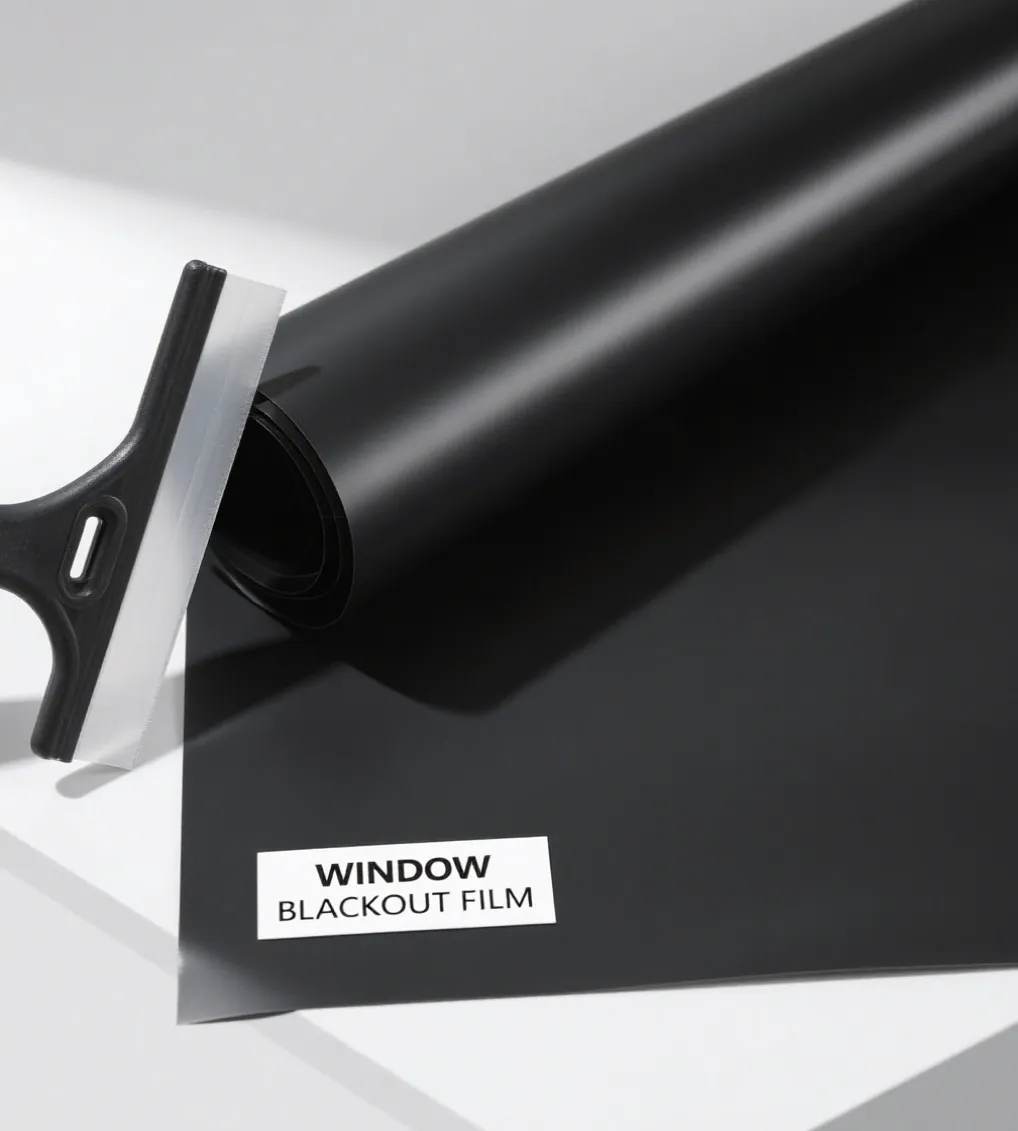
Window Blackout Film OEM Service: What Buyers Should Know
In an era where privacy, light control, and thermal efficiency are paramount, the demand for professional-grade window blackout film has surged across residential, commercial, and industrial sectors.
Read More
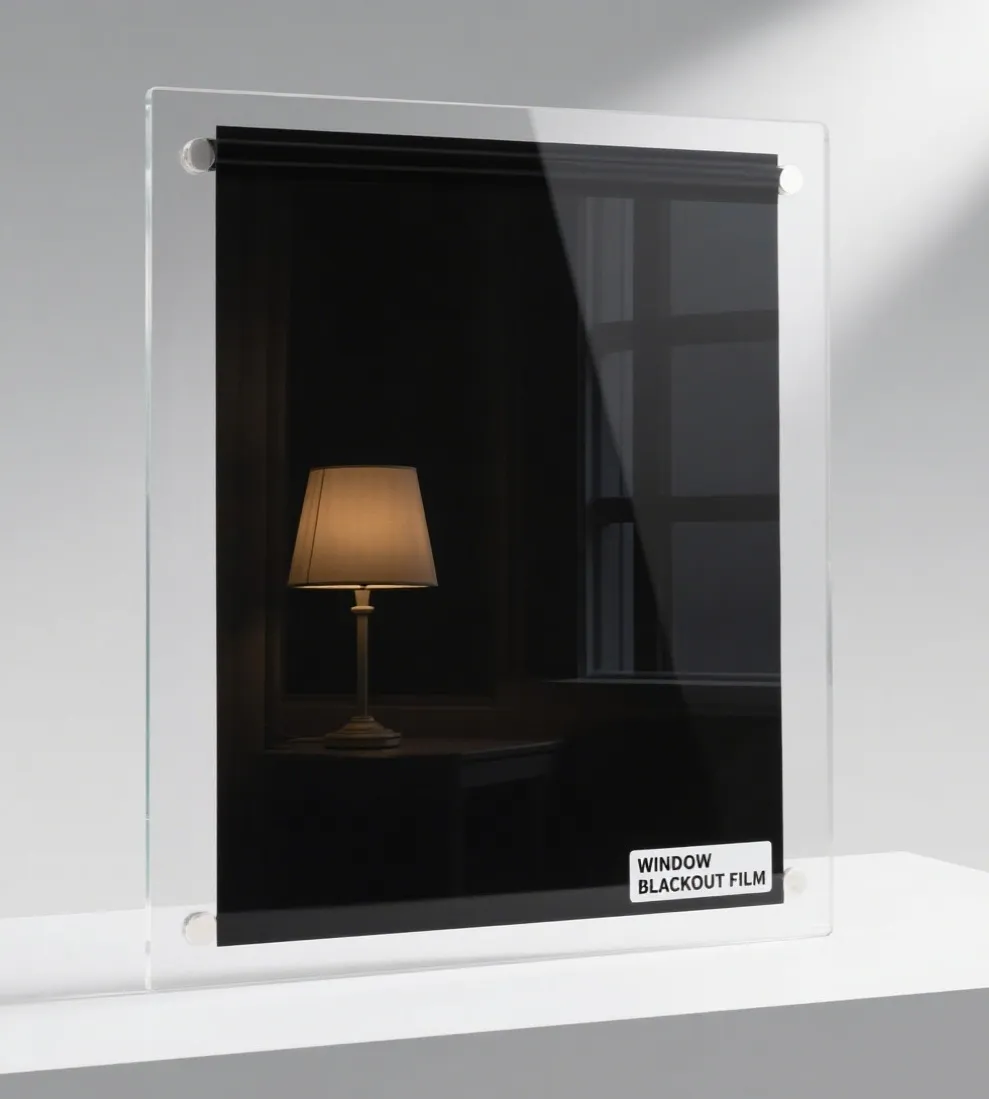
Bulk Window Blackout Film: Cost Optimization for Large Projects
In the modern landscape of commercial construction and industrial design, managing light transmission is no longer just about aesthetics; it is a critical component of energy efficiency, privacy, and operational security.
Read More