
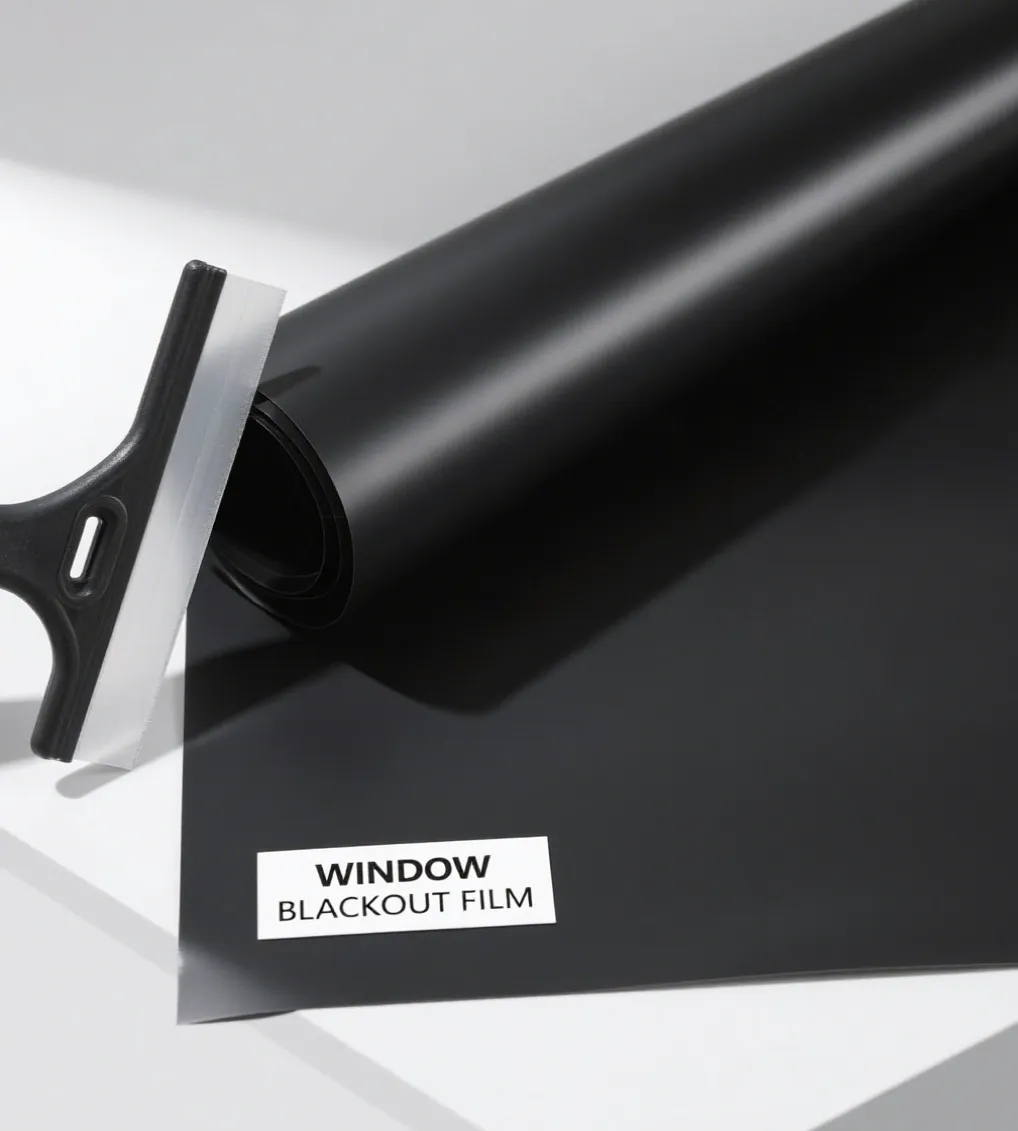
A comprehensive guide to material selection, environmental durability, and professional application for architectural and industrial light control.
When it comes to achieving complete darkness and thermal regulation for residential, commercial, or industrial spaces, the choice of material is paramount. High-quality outdoor window blackout film has emerged as a revolutionary solution for those seeking privacy and energy efficiency without compromising the structural integrity of their glass surfaces. Unlike traditional interior treatments, an outdoor window blackout film reflects solar radiation before it enters the building, significantly reducing heat gain. At Huanlong, we specialize in advanced polymer solutions that ensure these films withstand the harshest environmental conditions while providing consistent performance over many years.
The demand for functional films has expanded from simple light blocking to complex environmental shielding. Whether you are managing a specialized medical facility, a high-tech semiconductor lab, or a modern residential complex, understanding the technical nuances of these films is essential. This guide will delve into the science of TPU-based films, the importance of UV stability, and how to identify the best products for your specific needs.
The Material Science Behind High-Performance Blackout Films
Not all window films are created equal. Traditionally, many manufacturers used PVC or PET for window coverings. However, these materials often fall short in outdoor environments due to their susceptibility to UV degradation and temperature fluctuations. This is where high breathable TPU and advanced polyurethane structures come into play. TPU (Thermoplastic Polyurethane) offers a unique combination of elasticity, transparency (when needed), and extreme toughness.
For an outdoor window blackout film, the TPU base provides a resilient foundation that can expand and contract with the glass as temperatures change. This prevents the cracking and peeling commonly seen in cheaper alternatives. Furthermore, TPU is inherently more environmentally friendly and recyclable compared to PVC. Huanlong utilizes proprietary formulations to ensure that our films maintain their physical properties even after prolonged exposure to intense sunlight and acid rain. By choosing a TPU-based film, you are investing in a product that resists yellowing and remains flexible, which is critical for long-term outdoor use.
Furthermore, the integration of TPU base film for roofing and building structures technology into window films allows for superior puncture resistance. In outdoor applications, wind-blown debris can often damage standard films. A robust TPU layer acts as a protective shield, ensuring that the blackout effect remains consistent without pinholes or tears that could let light through.
Maximizing Weather Resistance and UV Stability
The primary enemy of any external installation is the sun. Ultraviolet (UV) radiation breaks down chemical bonds in polymers, leading to brittleness and fading. A professional-grade outdoor window blackout film must be engineered with advanced UV stabilizers and absorbers. These additives are not just a surface coating but are integrated into the molecular structure of the film. This ensures that even after five or ten years of direct exposure, the film retains its 100% opacity.
Huanlong's research in automotive paint protection film technology has directly informed our window film development. The same level of durability required to protect a vehicle from gravel and sun is applied to our architectural films. This cross-industry expertise allows us to provide solutions that handle extreme temperature ranges, from sub-zero winters to blistering summer heat, without losing adhesion or color density.
Another critical factor is moisture resistance. Outdoor films are subjected to rain, snow, and humidity. If the adhesive layer is not properly formulated, moisture can seep behind the film, causing unsightly bubbles or mold growth. Our films feature high-performance, weather-resistant adhesives that create a hermetic seal against the glass, ensuring that the outdoor window blackout film remains pristine regardless of the weather forecast.
Outdoor vs. Indoor Blackout Solutions
| Feature | Outdoor Window Blackout Film | Standard Indoor Film |
|---|---|---|
| Heat Rejection | Superior (Blocks heat before entering) | Moderate (Heat enters glass first) |
| UV Durability | High (Built for direct sun exposure) | Low to Medium |
| Glass Stress | Safe for most glass types | Risk of thermal fracture on dual-pane |
| Maintenance | Requires weather-resistant coating | Standard cleaning |
As shown in the table above, the primary advantage of installing an outdoor window blackout film is its ability to mitigate thermal stress on the glass. When you apply a blackout film to the interior of a double-pane window, the heat is trapped between the layers of glass, which can lead to seal failure or cracking. Exterior application avoids this risk entirely by reflecting the energy back into the atmosphere.
Industry-Specific Applications for Blackout Technology
The utility of outdoor window blackout film extends far beyond simple bedroom privacy. In the medical film sector, light-sensitive equipment and patient recovery rooms often require absolute darkness and sterile environments. External films allow facilities to control light without adding dust-collecting curtains or blinds inside sterile zones. This is particularly useful in medical industry TPU applications where hygiene and light management go hand in hand.
In the semiconductor industry, photolithography processes are extremely sensitive to specific wavelengths of light. Using a specialized blackout film on cleanroom windows ensures that ambient outdoor light does not interfere with delicate manufacturing processes. Similarly, for the new energy sector, these films can be used in specialized testing facilities where light control is a variable that must be strictly managed.
Automotive and transportation hubs also benefit. While we often think of automotive comfort seat systems for interior luxury, the external protection of vehicle storage and maintenance facilities using blackout films helps maintain lower temperatures and protects sensitive electronics from solar heat.
Professional Installation and Maintenance Strategies
To achieve the full benefits of an outdoor window blackout film, proper installation is non-negotiable. The glass surface must be meticulously cleaned to remove any contaminants that could interfere with the adhesive. Since the film is applied to the exterior, installers must account for wind and airborne dust during the application process. Utilizing a "wet-mount" technique allows for the precise positioning of the film before the adhesive sets.
Maintenance of external films is relatively straightforward but requires consistency. We recommend periodic cleaning with non-abrasive solutions to remove salt spray, pollution, and dirt. This not only keeps the film looking professional but also prevents the buildup of corrosive materials that could eventually degrade the protective topcoat. For high-rise buildings or large industrial complexes, choosing a film with a self-cleaning or hydrophilic surface can significantly reduce maintenance costs over time.
Huanlong provides comprehensive support and technical data for our all functional film products. We understand that every project has unique challenges, from high-wind coastal areas to high-altitude regions with intense UV. Our technical team is available to help you select the specific adhesive and thickness that will provide the best long-term performance for your geographic location.
About Huanlong: Innovation in Functional Films
Huanlong is a leading innovator in the development and manufacturing of high-performance Thermoplastic Polyurethane (TPU) films. With a focus on research-driven solutions, we provide a wide array of products ranging from home textiles to specialized industrial shielding. Our commitment to quality and sustainability makes us the preferred partner for businesses worldwide seeking durable outdoor window blackout film and other functional material solutions.
From our state-of-the-art production facilities, we ensure that every roll of film meets rigorous international standards. Whether you are looking for high vapor transmission films or heavy-duty architectural covers, Huanlong has the expertise to deliver.
Conclusion
Choosing the right outdoor window blackout film is a strategic decision that impacts the comfort, energy efficiency, and privacy of a building. By focusing on material quality—specifically the advantages of TPU—and ensuring the film is designed for exterior UV exposure, you can achieve long-lasting results that interior films simply cannot match. As we have explored, the benefits of heat rejection, glass safety, and durability make exterior films the superior choice for modern architecture.
At Huanlong, we are dedicated to pushing the boundaries of what functional films can do. Our expertise in diverse industries, from automotive to medical, ensures that our window films are engineered to the highest possible standards. For your next project, prioritize performance and longevity by selecting a high-grade outdoor window blackout film.
Frequently Asked Questions
Q1: Why is outdoor window blackout film better than indoor alternatives?
Outdoor films reflect solar energy before it passes through the glass, which is significantly more effective for cooling and prevents the thermal stress that can cause double-pane windows to crack when using interior blackout treatments.
Q2: How long does a high-quality outdoor window blackout film typically last?
When properly installed and maintained, a premium TPU-based outdoor film from Huanlong can last between 5 to 10 years, depending on the intensity of local UV exposure and environmental conditions.
Q3: Can outdoor window blackout film help in reducing energy costs?
Yes, by blocking up to 99% of solar radiation and a high percentage of infrared heat, these films drastically reduce the load on air conditioning systems, leading to substantial energy savings during hot months.
Q4: What maintenance is required for outdoor window blackout film?
Routine cleaning with water and a mild, non-abrasive soap is usually all that is required. It is important to avoid harsh chemicals or abrasive tools that could scratch the protective UV-resistant topcoat.
Q5: Is outdoor window blackout film compatible with all glass types?
Most exterior films are safe for single-pane, double-pane, and tempered glass. Because they reflect heat externally, they do not cause the same heat-absorption issues that make interior films risky for certain glass types.
Ready to Upgrade Your Building's Performance?
Contact our technical experts today for a customized quote on high-performance outdoor window blackout film.
Contact Huanlong Now