
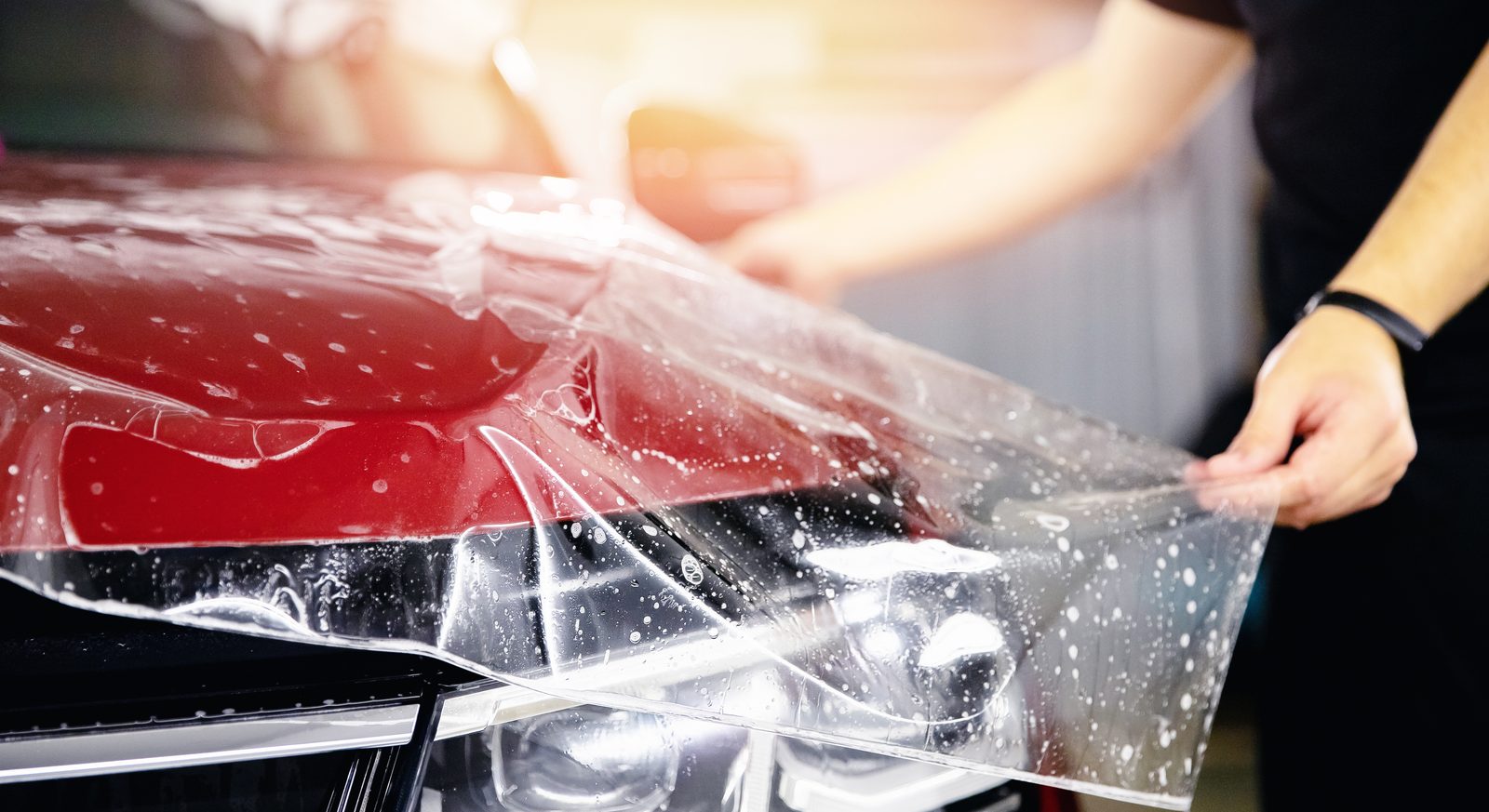
Car wrap tpu film for fleet vehicles is judged on a different timescale from a private wrap. A single vehicle is a project; a fleet is a programme that runs for years, with vehicles arriving, leaving and being refurbished on a schedule that has to match a brand identity, a resale plan and a maintenance budget.
This article looks at what changes when graphics are applied across dozens or hundreds of vehicles, why film choice interacts with depreciation and disposal, and how to structure a specification so that vehicle number forty looks like vehicle number one.
Why a Fleet Programme Is Not Just a Bigger Order
The complicating factor in fleet work is time. Vehicles are acquired over several years, so the film used on the first batch may need to be available again two or three years later, in the same colour, with the same finish and the same adhesive behaviour. A brand identity that drifts because a film was discontinued is a visible problem in a car park where ten vehicles stand side by side.
The second factor is disposal. A fleet vehicle is usually sold or returned at a defined mileage, and the film has to come off cleanly at that point without damaging the paint. Removal cost and paint condition at defleet are line items in the total cost of the programme, and they are decided by the adhesive chosen at the start rather than by anything that happens later.
What Car Wrap Tpu Film for Fleet Vehicles Has to Deliver
- Supply continuity. The same grade, colour and finish must be obtainable for the whole programme, which makes the manufacturer's product policy part of the specification.
- Colour consistency across years. Brand colours are matched to a reference, and every later batch has to sit inside a tolerance the brand can accept in daylight.
- Repairability at panel level. Fleet vehicles get damaged, and replacing a single door or wing should not require re-wrapping the whole vehicle to avoid a visible difference.
- Clean removal at defleet. The adhesive must release without pulling paint or leaving residue that reduces a resale value.
| Programme Stage | Decision That Matters Most | Cost If It Is Wrong |
|---|---|---|
| Initial vehicle batch | Film grade and colour reference | Whole fleet re-wrapped to correct a brand mismatch |
| Vehicles added in year two | Supply continuity from the same maker | Partial re-brand or visible mismatch between vintages |
| Panel damage repair | Batch and finish consistency for single panels | Repair that reads as a patch on a corporate vehicle |
| Scheduled maintenance and cleaning | Surface durability under fleet wash routines | Premature replacement of films on high-mileage units |
| Defleet and resale | Adhesive removal behaviour and paint condition | Refurbishment cost and reduced residual value |
Read as a whole, the table explains why fleet buyers should care about the manufacturer behind the film rather than only the price per square metre. Three of the five rows depend on a decision made before the first vehicle is wrapped.
Structuring the Specification for a Multi-Year Programme
A fleet specification should be written so that it still describes the right product in three years, which means naming variables rather than a single order. The sequence below reflects the order in which the decisions constrain each other.
- Define the service life and the removal date. Everything else follows from how long the film stays on and how it must come off.
- Fix the colour to a reference standard. A physical sample and a measured tolerance are more useful than a marketing colour name.
- Name the film family, not a specific roll. This allows the programme to continue while keeping the visual result stable.
- Agree a repair procedure with the installer. Panel-level replacement should be a routine operation, not an exception that requires negotiation.
Fleets that document those four items usually find the ongoing administration becomes straightforward, because the specification answers most of the questions that arise when a new vehicle arrives or a damaged unit needs attention.
A fleet wrap programme needs, at minimum:
• A retained colour reference sample held by both parties.
• A named film family with a stated replacement path if the grade evolves.
• A removal procedure agreed before the first vehicle is wrapped.
• A record of batch numbers against vehicle registrations.
Where Fleet Work Differs From Retail Installation
A retail wrap is scheduled around one customer's expectations. A fleet programme is scheduled around vehicle availability, which is a very different constraint. Units have to be off the road for the shortest possible time, often in batches, and the installer has to produce a consistent result under pressure rather than a bespoke one at leisure. That changes the practical demands considerably.
Pattern libraries become essential rather than convenient. When the same model arrives repeatedly, a proven cut pattern turns an installation with uncertain duration into a predictable slot, which is what makes a fleet schedule workable. It also reduces material waste, because the difference between a well-nested pattern and an improvised one is measured in metres per vehicle, multiplied across the programme.
Consistency of technique matters just as much as consistency of material. With several installers working in parallel, the variables that used to sit with one person now sit with a group, and a small difference in stretch or post-heat temperature shows up as a visible difference between vehicles. Documented settings and a shared pattern library are what keep a fleet reading as one brand rather than as a collection of individually wrapped vehicles.
Downtime is the constraint that shapes everything else, so the schedule is usually built around the vehicles rather than around the workshop. That favours batch working: the same model, the same panels and the same pattern run through in sequence, with pre-cut kits prepared in advance so that each vehicle occupies a bay for a predictable period. Fleets that plan this way recover the material and labour benefits of volume, while fleets that treat each unit as a standalone job pay retail rates for every vehicle without noticing it.
Where the Film Comes From
Supply continuity is not something a distributor can promise, which is why fleet programmes are more reliably served by the manufacturer. Zhejiang Huanlong has produced functional films since 2007 across three production bases in Zhejiang, with blown film, extrusion and foaming lines, two research centres and more than thirty engineers, which is the kind of structure that can hold a colour and a grade steady across several years of repeat orders.
Our vehicle wrapping material is described on the car wrap tpu film page, and the range used across vehicle and industrial surfaces sits under all products. For a fleet programme, the useful first conversation is about the vehicle profile and the defleet schedule, and that is exactly what a Huanlong engineer will ask about first, because those two facts determine the film more than the artwork does.
Frequently Asked Questions About Car Wrap Tpu Film for Fleet Vehicles
Q1. How long should a fleet wrap last?
The target should be the vehicle's service life rather than a fixed number of years, because a fleet vehicle is usually kept for a defined mileage and then moved on. Agree with the film maker what the film must tolerate over that period, including the wash routine and the parking environment, rather than asking for a general durability figure.
Q2. Can a single panel be re-wrapped without the whole vehicle being done?
That is the intention of a panel-level repair policy, but it only works if the replacement film matches the installed film in colour and finish. Keeping batch records against registrations is what makes it possible, because it tells the installer which vintage a given vehicle carries.
Q3. Does wrapping affect resale value?
It can improve it, because the paint underneath has been protected from stone chips and ultraviolet exposure for the life of the wrap. That benefit depends entirely on the film being removable without damage, which is why the adhesive choice matters more in a fleet context than in any other application.
Q4. What wash routine suits a wrapped fleet?
Hand washing with neutral products gives the longest life, and brush washes shorten it, particularly on matte finishes. Where a fleet must use an automatic wash for operational reasons, that constraint should be stated at the specification stage so the film can be selected for it rather than failing against it later.
Q5. What should a fleet manager ask the supplier?
Ask how long the grade and colour will remain available, what the batch tolerance is, what the removal procedure involves, and which certifications the manufacturer holds. Zhejiang Huanlong is certified to OEKO-TEX® 100, Bluesign®, GRS and ISO 9001:2015, along with ISO 14001 and ISO 45001. Where a customer requires additional test standards, ask for the report covering the specific grade.
A fleet wrap programme is a supply chain commitment rather than a single installation job. Choose a maker who can hold the grade for the life of the programme, fix the colour to a reference, plan the removal before the application, and car wrap tpu film for fleet vehicles becomes a predictable line in a budget instead of a recurring source of visible inconsistency.