
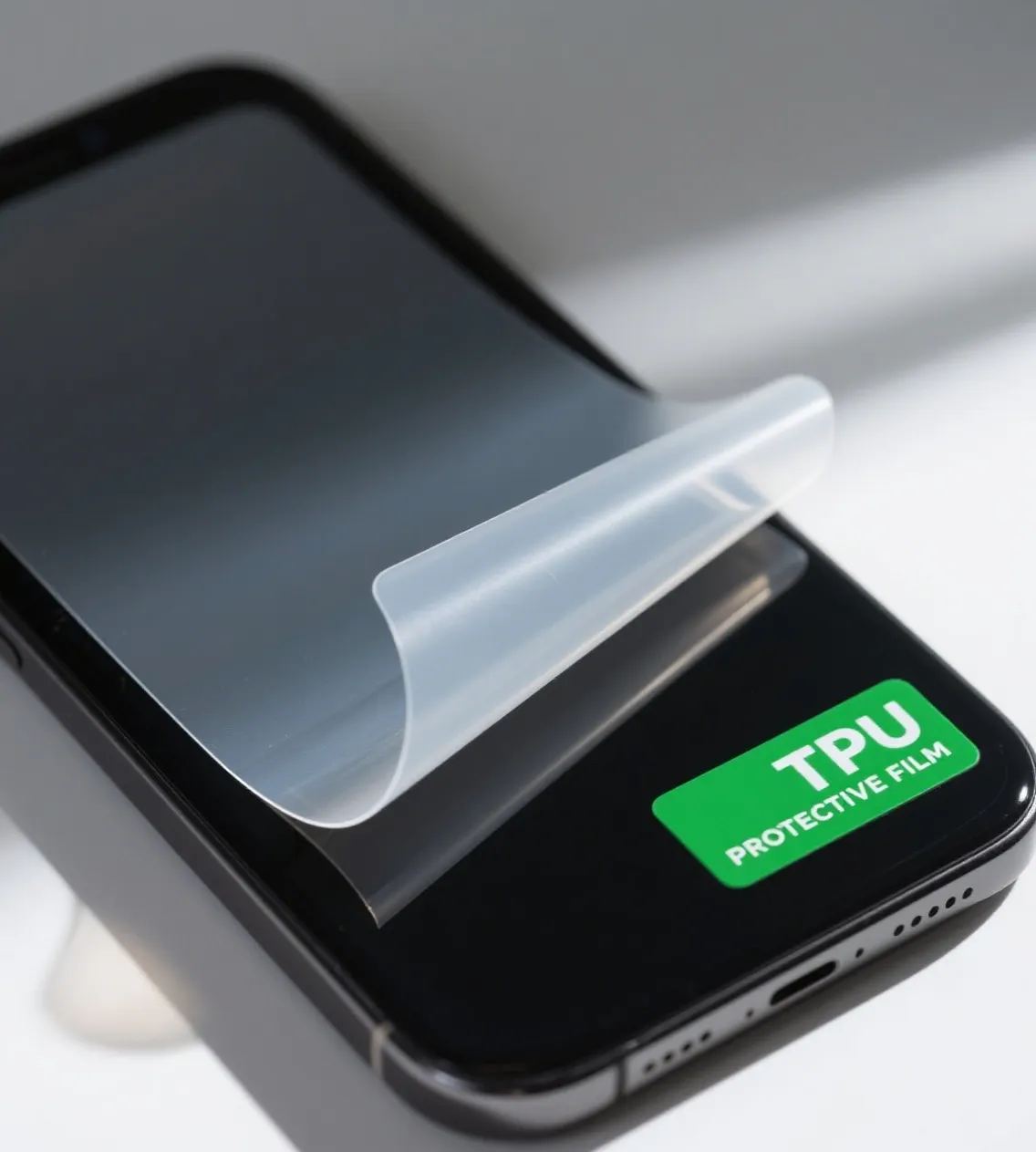
In the demanding world of outdoor exploration and maritime operations, material integrity is the cornerstone of safety and performance. The adoption of TPU protective film has revolutionized how manufacturers approach waterproofing and surface preservation. Whether it is shielding high-end yacht interiors from corrosive salt spray or ensuring that technical outdoor apparel remains breathable yet impervious to torrential rain, thermoplastic polyurethane stands as the premier choice for modern engineering. At Huanlong, we specialize in delivering advanced polymer solutions that bridge the gap between rugged durability and flexible functionality.
Unlike traditional coatings that may crack under extreme thermal fluctuations or peel when exposed to constant moisture, the TPU protective film offers a molecular bond and elastic memory that maintains its structure over years of use. This article serves as a comprehensive guide for industry professionals seeking to understand the technical advantages, application nuances, and long-term benefits of integrating high-grade TPU films into their product lines, specifically tailored for the unforgiving conditions of land and sea.
The Advanced Science Behind TPU Protective Film
Understanding why a TPU protective film excels in waterproof applications requires a deep dive into its polymer structure. Thermoplastic Polyurethane is a multi-phase block copolymer that combines hard segments for mechanical strength and soft segments for flexibility. This unique composition allows the film to be extruded into incredibly thin layers while maintaining a high resistance to punctures and abrasions. For outdoor gear, this means a backpack or a tent can withstand scraping against sharp rocks without losing its waterproof integrity.
Furthermore, TPU films are inherently resistant to oils, greases, and many chemicals, which is crucial for marine environments where fuel spills or cleaning agents are common. The hydrolysis resistance of specific polyether-based TPU formulations ensures that the film does not break down or become "tacky" when submerged or exposed to high humidity for extended periods. Huanlong utilizes precision manufacturing to ensure that every roll of film meets stringent international standards for tensile strength and elongation, providing a reliable barrier that moves with the substrate rather than fighting against it.
Maximizing Outdoor Durability with Technical TPU
Outdoor equipment is constantly under siege from UV radiation, temperature extremes, and mechanical stress. Using a high-quality TPU protective film provides an invisible shield that extends the lifespan of expensive equipment. For instance, in the production of high-performance camping gear, TPU is laminated to fabrics to provide a water column rating that far exceeds traditional PVC or PE coatings. This process creates a lightweight, packable solution that does not compromise on protection.
In the context of outdoor structural applications, such as inflatable architectural elements or roofing membranes, the low-temperature flexibility of TPU is a game-changer. While other plastics become brittle and crack at sub-zero temperatures, TPU remains supple, ensuring that waterproof seals remain intact even in alpine environments. By choosing Huanlong products, manufacturers gain access to films that are specifically engineered for weatherability, ensuring that the visual clarity and physical performance of the material remain consistent through years of sun exposure and seasonal changes.
Marine Grade Resilience: Salt, Sun, and Sea
The marine industry presents perhaps the most challenging environment for any protective material. Saltwater is naturally corrosive, and the combination of humidity and intense UV reflection can rapidly degrade standard coatings. A specialized TPU protective film acts as a critical barrier for boat hulls, interior upholstery, and electronic displays. It prevents the "yellowing" effect commonly seen in lower-quality plastics and provides a self-healing surface that can absorb minor impacts from docks or debris.
For marine upholstery, specifically within the seating systems used in luxury yachts, TPU film is often used as a moisture barrier beneath the outer fabric. This prevents water from soaking into the foam, which would otherwise lead to mold, mildew, and structural rot. The microbial resistance of TPU is an essential feature here, as it does not provide a food source for fungi to grow, even in dark, damp lockers or bilge areas.
Comparative Analysis: TPU vs. Traditional Materials
| Feature | TPU Protective Film | PVC (Vinyl) | PE (Polyethylene) |
|---|---|---|---|
| Waterproofing | Superior (High Hydrostatic Head) | Good | Moderate |
| Eco-Friendliness | Recyclable & Non-Toxic | Contains Phthalates | Recyclable |
| Cold Resistance | Excellent (-40°C) | Poor (Becomes Brittle) | Fair |
| Abrasion Resistance | Very High | Low | Moderate |
Specialized Applications of TPU Film
The versatility of high breathable TPU allows for its use in medical and hygiene products as well. In a marine rescue context, medical-grade TPU films are used for inflatable stretchers and waterproof wound dressings that must perform under pressure. The biocompatibility of the material ensures that it is safe for skin contact, while its barrier properties prevent pathogens from entering, even when submerged in seawater.
In the automotive sector, specifically for vehicles exposed to coastal environments, Huanlong provides paint protection films that shield cars from sand abrasion and salt corrosion. This same technology is applied to offshore wind energy components, where TPU films protect turbine blades from rain erosion and salt crusting, showcasing the material's ability to operate at the cutting edge of renewable energy technology.
Strategic Advantages of Huanlong Polymer Solutions
As a leading manufacturer, Huanlong (Kunshan Huanlong Next-Generation Polymer Materials Co., Ltd.) is committed to innovation in the thermoplastic polyurethane space. Our about us page highlights our dedication to R&D and sustainable manufacturing. We understand that every application has unique requirements, which is why we offer customizable thicknesses, finishes, and performance characteristics for our TPU protective film.
Our advantage lies in our state-of-the-art extrusion lines and rigorous quality control processes. By controlling the formulation at the molecular level, we can enhance specific traits such as UV stability or flame retardancy. For marine and outdoor clients, this means a product that not only meets but exceeds industry expectations for longevity and environmental impact. We are proud to support global industries with materials that are as resilient as they are eco-friendly.
Conclusion
In conclusion, the TPU protective film is an indispensable asset for any industry operating in outdoor or marine environments. Its combination of waterproofing, durability, and environmental safety makes it the gold standard for high-performance materials. Whether you are protecting a multimillion-dollar vessel or crafting the next generation of technical apparel, Huanlong provides the expertise and the material quality needed to succeed. Investing in high-grade TPU is not just about protection; it is about ensuring the reliability and reputation of your brand in the most challenging conditions on earth.
Frequently Asked Questions
Q1: What makes TPU protective film better than PVC for marine use?
Unlike PVC, TPU does not contain plasticizers that leach out over time, which means it won't become brittle or yellow when exposed to saltwater and sun. It is also significantly more abrasion-resistant and environmentally friendly.
Q2: Can TPU protective film be used for electronic displays on boats?
Yes, high-clarity TPU films are excellent for protecting touchscreens and displays. They provide waterproof protection while maintaining touch sensitivity and providing anti-glare or UV-resistant properties.
Q3: How does TPU protective film handle extreme heat in outdoor settings?
TPU has a wide thermal operating range. It remains stable in high heat without deforming and stays flexible in extreme cold, making it ideal for gear used in diverse climates.
Q4: Is the TPU protective film from Huanlong recyclable?
Yes, TPU is a thermoplastic material, meaning it can be melted down and repurposed, unlike thermoset rubbers. This makes it a preferred choice for companies aiming for a circular economy.
Q5: What is the typical lifespan of a TPU protective film in the sun?
When formulated with high-quality UV stabilizers, as we do at Huanlong, TPU films can last many years without significant degradation, even with constant exposure to direct sunlight and salt air.
Ready to Enhance Your Product Performance?
Contact our technical team today to find the perfect TPU solution for your outdoor or marine application.
Contact Huanlong Now