
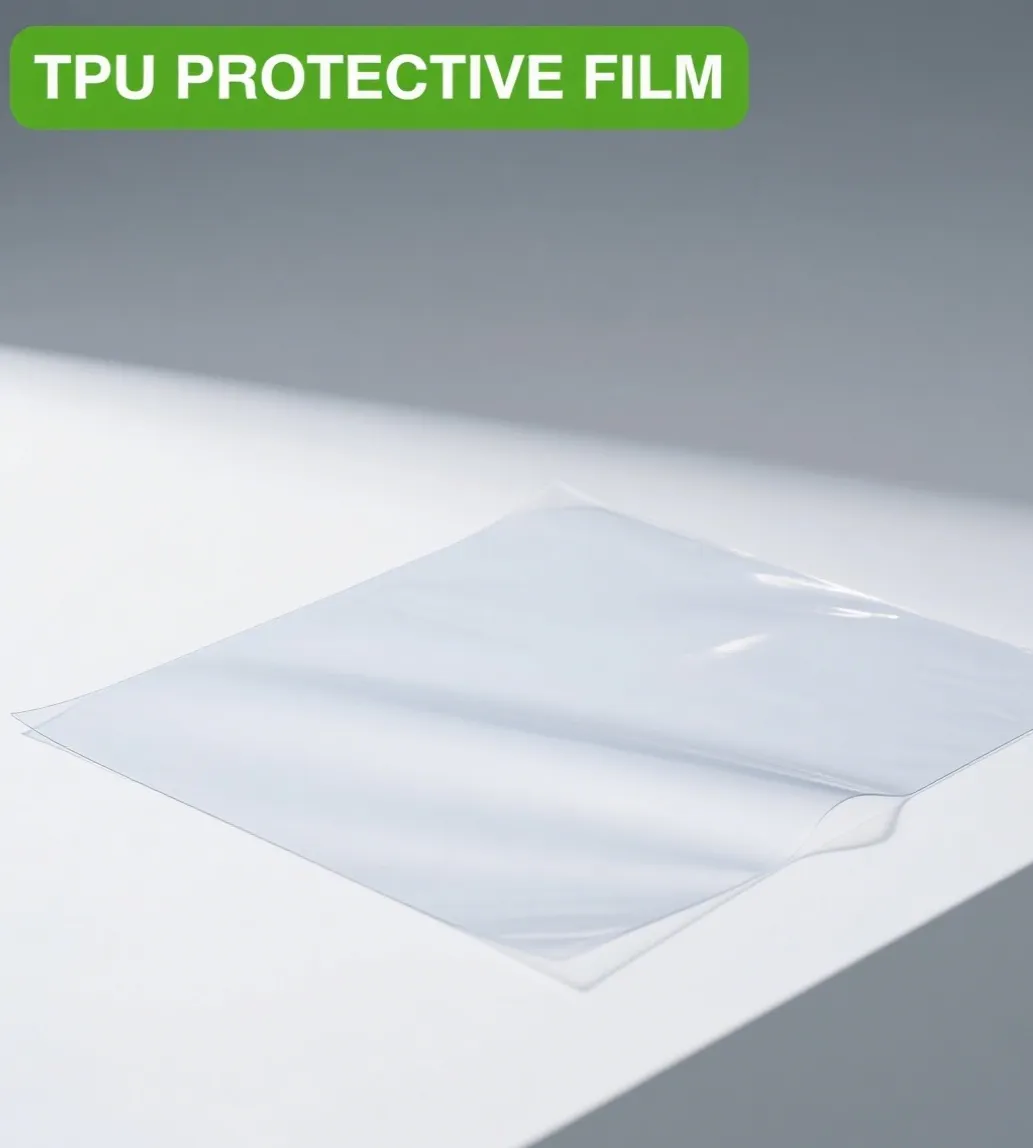
An in-depth technical and strategic manual for global distributors focusing on high-performance polymer solutions.
In the global market for high-performance surface protection, the demand for a reliable tpu protective film has surged across various industrial sectors. As a distributor, understanding the intricate balance between chemical composition and mechanical durability is essential for providing value to your clients. Huanlong stands at the forefront of this industry, delivering innovative thermoplastic polyurethane solutions that cater to automotive, medical, and electronics industries. This guide is designed to navigate the technical complexities of sourcing premium materials, ensuring that your procurement decisions align with the highest standards of quality and longevity.
Thermoplastic Polyurethane (TPU) is often regarded as the bridge between rubbers and plastics. Its unique molecular structure allows for exceptional elasticity, transparency, and resistance to abrasion. For distributors, the choice of a tpu protective film involves more than just selecting a brand; it requires a deep dive into the specific requirements of the end-use application, whether it is for paint protection in the automotive sector or breathable barriers in the medical field. By partnering with experts like Huanlong, distributors gain access to cutting-edge research and development that ensures every roll of film meets rigorous international benchmarks.
The Technical Advantages of Modern TPU Protective Film
The primary reason why tpu protective film is preferred over traditional PVC or PET alternatives lies in its self-healing properties and environmental friendliness. Modern TPU formulations utilized by Huanlong are designed to be recyclable and free from harmful plasticizers, making them a preferred choice for eco-conscious markets. From a technical perspective, the aliphatic nature of high-grade TPU ensures that the film does not yellow when exposed to prolonged UV radiation, which is a critical selling point for distributors targeting the luxury automotive market.
Furthermore, the mechanical strength of these films provides a formidable barrier against stone chips, scratches, and chemical stains. The elongation capacity of tpu protective film, often exceeding 300%, allows it to be applied to complex curved surfaces without the risk of tearing or edge lifting. This versatility is further enhanced by varying the thickness and surface finish, ranging from high-gloss to matte, depending on the aesthetic and functional requirements of the project. Distributors must verify the tensile strength and tear resistance specifications to ensure the product can withstand the physical stresses of industrial applications.
Breathability is another specialized feature found in specific TPU grades. For instance, in the textile and medical industries, high-vapor transmission is required. Huanlong’s high breathable TPU solutions allow moisture to escape while preventing liquid penetration. This dual-functionality is a cornerstone of modern functional apparel and wound care products, offering distributors a unique value proposition for specialized niches.
Material Comparison: Why Choose TPU Over Alternatives
| Feature | TPU Protective Film | PVC (Vinyl) Film | TPH / Hybrid Films |
|---|---|---|---|
| Self-Healing | Excellent (Heat Activated) | None | Limited |
| UV Resistance | High (Non-Yellowing) | Low (Yellows quickly) | Moderate |
| Flexibility | Very High | Rigid / Brittle | Moderate |
| Eco-Friendliness | Recyclable | Toxic Byproducts | Non-Recyclable |
Key Industry Applications for Distributors
As a distributor, identifying the right market for tpu protective film is the key to business growth. One of the most prominent sectors is the automotive industry. Beyond simple paint protection films (PPF), TPU is used in automotive comfort seat systems to provide durable, flexible layers that enhance passenger ergonomics. These films must withstand millions of compression cycles without failing, a testament to the fatigue resistance of Huanlong's materials.
The medical sector also represents a significant opportunity. The use of medical film in surgical drapes, wound dressings, and fluid management systems requires biocompatibility and sterilization stability. TPU’s ability to act as a viral and bacterial barrier while maintaining breathability makes it indispensable in modern healthcare. Distributors can capitalize on this by offering specialized TPU grades that meet ISO 10993 standards.
Moreover, the rise of new energy applications, such as battery insulation and protective layers for solar panels, highlights the adaptability of TPU. In the semiconductor industry, TPU films are used for cleanroom packaging and surface protection during delicate manufacturing processes. By diversifying your inventory with these application-specific films, you can protect your business against sector-specific economic downturns.
How to Evaluate a TPU Protective Film Supplier
When sourcing bulk materials, distributors should conduct a thorough audit of the manufacturer's capabilities. A high-quality supplier like Huanlong provides comprehensive data sheets including Shore hardness, thickness tolerances, and adhesive peel strength. It is vital to ensure that the tpu protective film has been tested for environmental aging. Accelerated weathering tests, such as QUV or Xenon arc exposure, provide distributors with the confidence that the film will perform as expected in outdoor environments like outdoor gear and roofing structures.
Distributors should also consider the logistical aspects of bulk procurement. Roll length consistency, packaging integrity to prevent edge damage, and lead time reliability are critical for maintaining a lean supply chain. Huanlong offers tailored solutions that include custom widths and specialized coatings, allowing distributors to meet the precise needs of their local fabricators and end-users.
Strategic Procurement of TPU Protective Film
In conclusion, the successful distribution of tpu protective film hinges on a deep understanding of material science and market demand. By focusing on high-performance aliphatic TPU, distributors can offer products that provide superior longevity, aesthetic clarity, and functional protection. Whether the application is in automotive, medical, or new energy sectors, the quality of the base film determines the success of the final product.
Partnering with an experienced manufacturer like Huanlong ensures that you receive consistent, high-grade materials supported by technical expertise. As the market continues to shift toward sustainable and high-durability solutions, maintaining a robust supply of premium TPU will position your business as a leader in the industrial material distribution space.
Frequently Asked Questions
Q1: What is the typical lifespan of tpu protective film in outdoor applications?
Most high-quality Aliphatic TPU films offered by Huanlong are designed to last between 5 to 10 years, depending on the environmental conditions and the specific top-coat formulation used. The resistance to UV radiation and hydrolysis ensures that the film maintains its integrity without cracking or yellowing over time.
Q2: Can tpu protective film be customized for specific industrial uses?
Yes, TPU is highly versatile. Distributors can request customizations in terms of thickness (ranging from 0.01mm to 2.0mm), hardness (Shore A to Shore D), and surface finishes. Specialized additives can also be included for flame retardancy, anti-static properties, or enhanced antimicrobial resistance in medical settings.
Q3: How does Huanlong ensure the quality of its tpu protective film?
Huanlong employs a rigorous quality control process that includes raw material inspection, real-time monitoring of the extrusion process, and post-production testing for tensile strength, elongation, and clarity. Our facilities follow international standards to ensure that every batch is consistent and reliable.
Q4: Is tpu protective film environmentally friendly compared to PVC?
Absolutely. TPU is a more sustainable choice as it does not contain phthalates or other toxic plasticizers found in PVC. It is also recyclable and can be reprocessed into other industrial components, making it a preferred material for companies aiming for "green" certification and environmental compliance.
Q5: What are the storage requirements for bulk tpu protective film rolls?
To maintain the performance of the film and its adhesive layer, rolls should be stored in a cool, dry place away from direct sunlight. The ideal temperature is between 15°C and 25°C with a relative humidity of 40% to 60%. Proper storage prevents the degradation of the self-healing properties and ensures easy installation.
Discover why leading distributors trust our TPU solutions for their most demanding projects.