
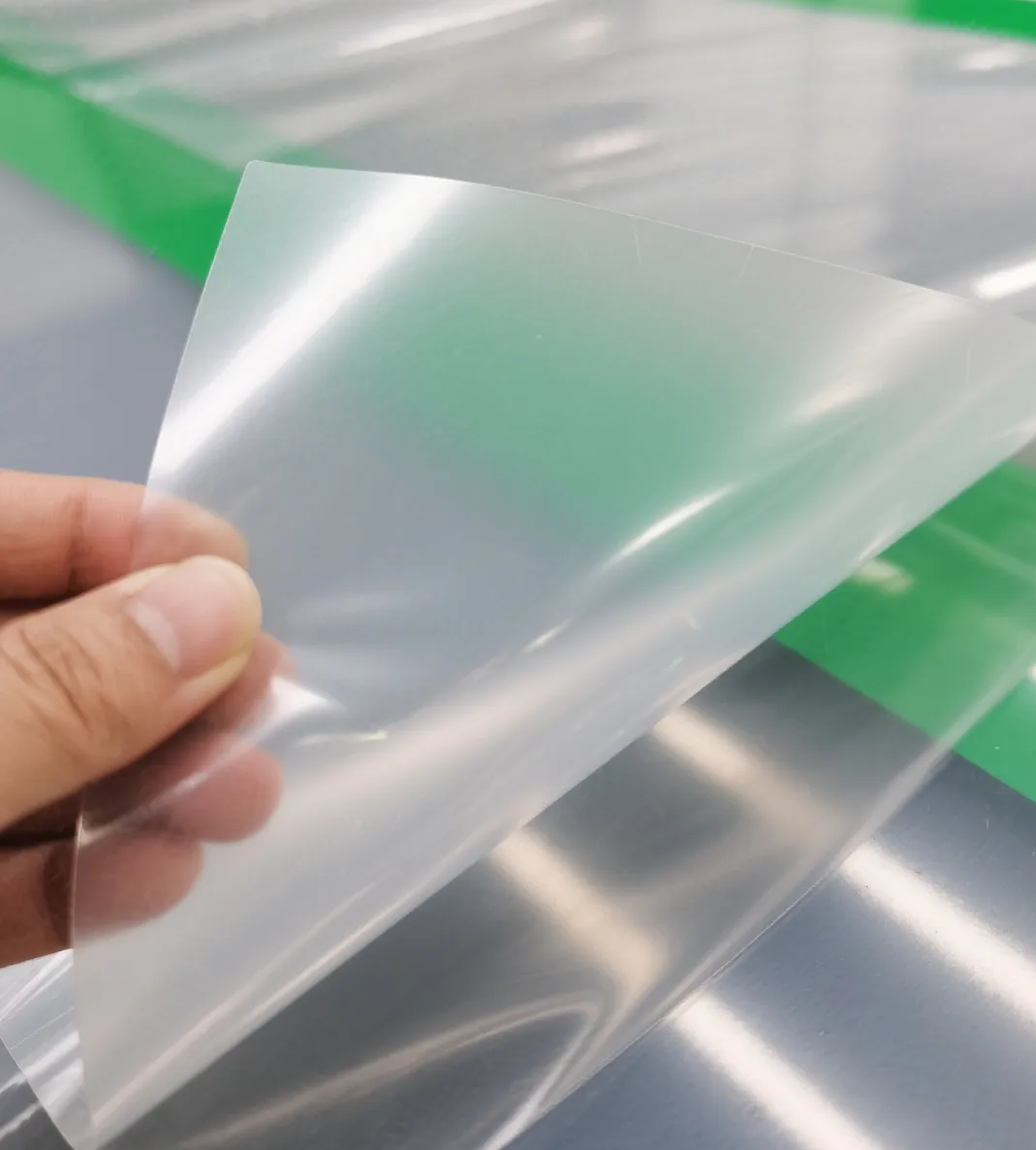
A comprehensive guide to high-performance, sustainable material solutions for the modern outdoor industry.
The global manufacturing landscape is undergoing a radical shift toward sustainability, and at the forefront of this evolution is the development of biodegradable TPU film. As industries ranging from outdoor gear to automotive engineering seek ways to reduce their carbon footprint, the demand for materials that offer both high performance and environmental responsibility has never been higher. Thermoplastic Polyurethane (TPU) has long been prized for its elasticity, transparency, and resistance to oil and abrasion. However, the introduction of biodegradable variants integrated with UV-resistant properties represents a significant technological leap. This guide explores how these advanced films provide superior outdoor protection while ensuring that products do not remain in landfills for centuries after their useful life has ended.
For companies like Huanlong, the goal is to bridge the gap between industrial utility and ecological preservation. By optimizing the molecular structure of TPU, engineers have successfully created a version that maintains its mechanical integrity during use but breaks down into non-toxic components under specific environmental conditions. This dual capability—durability during the product lifecycle and compostability at the end—is what makes this material a cornerstone of green manufacturing in the 21st century.
Comparing Traditional TPU vs. Biodegradable TPU Film
Understanding the technical differences between standard polyurethane and eco-friendly alternatives is crucial for material selection. Below is a detailed comparison focusing on performance and environmental metrics.
| Feature | Traditional TPU Film | Biodegradable TPU Film |
|---|---|---|
| Environmental Impact | Non-degradable, persists in nature | Decomposes into biomass/CO2/H2O |
| UV Resistance | Varies by grade, prone to yellowing | Enhanced with stabilizers for outdoor use |
| Mechanical Strength | Excellent tensile strength | Comparable (95-98% of traditional) |
| Best Use Case | General industrial applications | Eco-conscious outdoor and medical gear |
The Importance of UV Resistance in Outdoor Materials
When a material is used outdoors, it is constantly bombarded by ultraviolet radiation. Over time, UV rays can break down the polymer chains of standard plastics, leading to brittleness, discoloration, and a loss of physical properties. For biodegradable TPU film, achieving high UV resistance is a complex balancing act. Because the film is designed to be susceptible to environmental breakdown, it must be carefully stabilized so that it does not begin to degrade prematurely while still in the field. Our advanced formulations at Huanlong utilize specific UV stabilizers that act as a shield, absorbing or reflecting harmful radiation before it can damage the core structure of the film.
This stability is essential for applications such as roofing membranes, tents, and protective covers. In these scenarios, the film is expected to endure years of direct sunlight. Without proper UV protection, even the strongest biodegradable material would fail within months. By integrating UV-resistant additives at the molecular level, we ensure that the film remains flexible and waterproof throughout its intended service life. This expertise in material science allows us to provide solutions that satisfy both the durability requirements of the end-user and the sustainability goals of the brand owner.
Strategic Industrial Applications for Biodegradable TPU
The versatility of biodegradable TPU film allows it to penetrate diverse market segments. In the textile industry, it is increasingly used as a lamination layer for functional apparel. Unlike traditional PVC coatings, which are environmentally harmful, biodegradable TPU provides a breathable, waterproof barrier that eventually disappears when the garment is disposed of in a managed compost environment. This is particularly relevant for the home textiles market, where pillows and mattress protectors benefit from the soft touch and non-toxic nature of the film.
Furthermore, the automotive sector is exploring these films for interior components. From automotive comfort seat systems to internal protective linings, the push for recyclable or biodegradable interiors is growing. Engineers are also looking at how TPU films can be used in new energy applications, such as protecting delicate battery components from moisture and vibration while maintaining a clean environmental profile. The ability to customize the degradation rate of the film means that it can be engineered to last for decades in a car or just a single season for agricultural mulch applications.
Technical Deep Dive: How the Degradation Process Works
A common misconception is that biodegradable TPU film will simply fall apart if it gets wet or is left in the sun for a few days. In reality, the degradation process is triggered by specific biological and environmental factors. Microbial action is the primary driver; bacteria and fungi in soil or compost environments produce enzymes that break down the ester or ether bonds in the polyurethane chain. This process reduces the material into smaller fragments that can eventually be metabolized by microorganisms. This ensures that the material is returned to the earth without leaving microplastics behind, a significant advantage over traditional petroleum-based polymers.
At Huanlong, we meticulously control the ratio of polyester or polyether segments within the TPU to dictate the speed of this process. For products requiring a shorter lifespan, such as disposable medical covers, the formulation is adjusted for faster breakdown. For long-term outdoor protection, the formulation is fortified with antioxidant and UV-resistant packages. We also offer specialized products like the high breathable TPU, which manages moisture transmission while maintaining structural integrity during the degradation induction period. This level of technical precision is what differentiates high-quality industrial films from standard consumer-grade plastics.
The Huanlong Advantage in Film Innovation
As a leading specialist in polymer technology, Huanlong has dedicated years to the research and development of functional TPU materials. Our facility produces a wide range of specialized films, including the TPU film for automotive paint protection and innovative TPU foam film solutions for functional footwear. We understand that every industry has unique requirements, which is why we offer tailored solutions that combine mechanical durability with environmental compliance.
Our commitment to quality is evident in our rigorous testing protocols. Whether we are developing a TPU base film for roofing or high-transmission films for semiconductor protection, we ensure that every micron of material meets international standards. By choosing Huanlong as your partner, you gain access to a wealth of expertise in TPU solutions that help your products stand out in a competitive, eco-conscious market.
Future Outlook for Sustainable Protective Films
The future of the material science industry is undoubtedly green. As regulations regarding plastic waste tighten globally, particularly in Europe and North America, having a reliable source for biodegradable TPU film becomes a strategic necessity rather than an optional upgrade. We are seeing a trend where major brands are committing to 100% recyclable or biodegradable packaging and components by 2030. TPU films are perfectly positioned to meet these goals because they offer the performance of plastics with the end-of-life benefits of organic materials.
Innovations in chemical recycling and bio-based feedstocks are further enhancing the sustainability profile of these films. By deriving the raw materials for TPU from renewable sources like corn or castor oil, the entire lifecycle of the film—from cradle to grave—can be made carbon-neutral. Huanlong is actively participating in these advancements, ensuring that our clients are always at the cutting edge of what is possible in the world of high-performance elastomers.
Frequently Asked Questions
Q1: How long does biodegradable TPU film take to decompose?
The decomposition time for biodegradable TPU film depends on the environment. In an industrial composting facility with optimized heat and moisture, it can break down within 3 to 6 months. In standard soil conditions, the process may take 12 to 24 months depending on microbial activity.
Q2: Does biodegradable TPU film lose its strength when exposed to rain?
No, the film is designed to maintain its mechanical strength and waterproof properties during use. It requires consistent contact with soil microorganisms and moisture over a prolonged period to trigger the biodegradation process. Casual exposure to rain will not compromise its performance.
Q3: Is the UV resistance of biodegradable TPU film as good as traditional TPU?
Yes, when formulated with high-quality UV stabilizers, biodegradable TPU film can match the UV resistance of traditional grades. This makes it suitable for long-term outdoor applications like architectural membranes and outdoor gear.
Q4: Can biodegradable TPU film be used for medical applications?
Absolutely. Its non-toxic nature and excellent barrier properties make it ideal for medical industry applications, including surgical gowns, wound dressings, and fluid bags that need to be disposed of safely.
Q5: Is biodegradable TPU film compatible with existing manufacturing equipment?
Yes, it is designed to be processed using standard extrusion, lamination, and heat-sealing equipment. Manufacturers do not typically need to invest in new machinery to switch from traditional TPU to biodegradable options.
Conclusion
In summary, the transition to biodegradable TPU film is a vital step for companies looking to combine durability with environmental stewardship. With its exceptional UV resistance and versatile application range, this material provides the reliable outdoor protection that modern industries demand while ensuring a cleaner future. Huanlong remains committed to leading this charge through continuous innovation and high-quality manufacturing.