
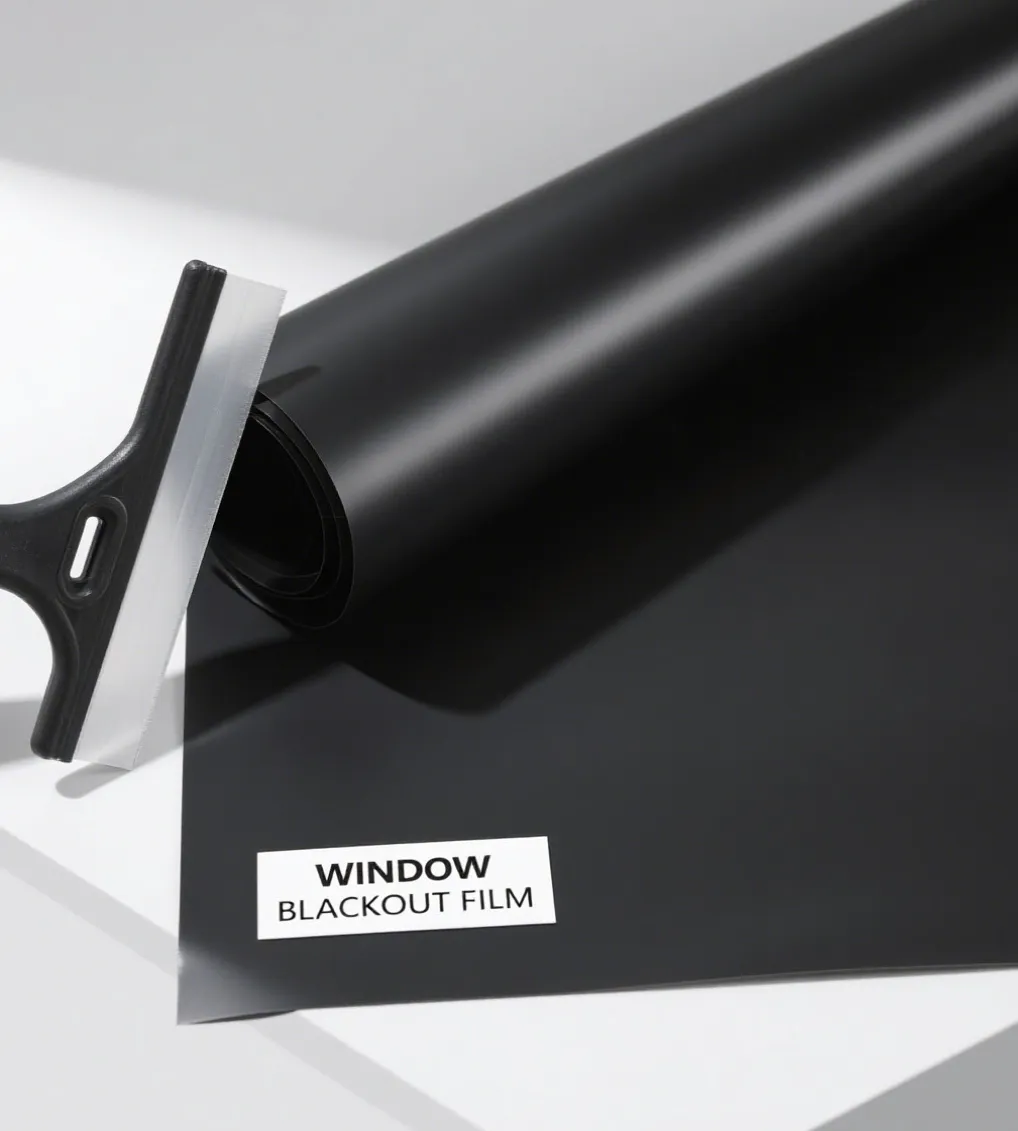
Exploring the intersection of privacy, protection, and performance in modern automotive window solutions.
In the evolving landscape of vehicle customization and functional upgrades, the installation of automotive window blackout film has emerged as a top priority for car owners seeking both aesthetic appeal and practical benefits. Unlike standard tints, a high-quality blackout film offers a near-opaque finish that significantly enhances privacy while providing a shield against environmental elements. At Huanlong, we understand that the modern driver demands more than just style; they require advanced material science that ensures durability and performance under various conditions. Whether you are driving a luxury sedan or a commercial vehicle, understanding the nuances of this specialized film is essential for making an informed investment.
The market for window films has seen a massive shift toward Thermoplastic Polyurethane (TPU) based materials, a field where Huanlong excels. By integrating superior technology into our production processes, we ensure that every layer of our film contributes to the overall safety and comfort of the vehicle interior. This guide will walk you through the technical aspects, the diverse benefits, and the critical factors to consider when choosing the right film for your automotive needs.
Understanding the Composition of Automotive Window Blackout Film
To appreciate the value of an automotive window blackout film, one must first understand what goes into its construction. These films are typically multi-layered, consisting of a polyester or TPU base, an adhesive layer, and specialized coatings that provide the "blackout" effect. The blackout characteristic is achieved through high concentrations of carbon, ceramic, or dye particles that block visible light transmission (VLT). For those looking for the highest grade of protection, TPU-based films are often preferred due to their inherent flexibility and resistance to yellowing over time.
At Huanlong, we leverage our expertise in high-performance TPU to create films that are not only dark but also incredibly resilient. The base layer is designed to absorb impact, which can prevent glass from shattering in the event of an accident. Furthermore, the top coat often features self-healing properties, a technology similar to what is used in automotive paint protection film. This means minor scratches caused by window operation or cleaning can disappear with the application of heat, keeping your windows looking pristine for years.
The manufacturing process also involves vacuum-sputtering or nano-ceramic coating techniques. These methods ensure that the blackout film does not interfere with electronic signals. This is a critical consideration in the modern era of connected vehicles, where GPS, cellular, and radio signals must pass through the glass without obstruction. By choosing a high-tech solution, you ensure that your privacy does not come at the cost of connectivity.
Key Benefits of Installing Automotive Window Blackout Film
The primary motivation for many vehicle owners to install automotive window blackout film is privacy. In an increasingly crowded world, the ability to secure the contents of your vehicle from prying eyes is invaluable. Whether you are carrying expensive equipment or simply want a private space for your passengers, the high opacity of blackout film provides a "one-way" mirror effect under the right lighting conditions. This is particularly beneficial for professionals who use their vehicles as mobile offices or for families who value a secluded environment for their children.
Beyond privacy, thermal management is a significant advantage. A premium film can reject up to 99% of infrared heat, keeping the cabin significantly cooler during summer months. This reduction in heat not only improves passenger comfort but also reduces the load on the vehicle's air conditioning system, potentially improving fuel efficiency or battery range in electric vehicles. This synergy between materials is something we explore deeply in our new energy vehicle solutions.
Moreover, UV protection is a health necessity. Prolonged exposure to UV rays through untreated glass can lead to skin damage and the fading of interior upholstery. The blackout film acts as a barrier, blocking nearly all harmful UV radiation. This protective layer extends the life of your automotive seating systems, preventing leather from cracking and fabric from losing its color. By investing in window protection, you are effectively preserving the resale value of your vehicle.
Comparison of Automotive Window Film Types
| Feature | Standard Dyed Film | Ceramic Film | Blackout TPU Film |
|---|---|---|---|
| Privacy Level | Moderate | High | Maximum |
| Heat Rejection | Low | Excellent | Superior |
| Durability | 2-3 Years | 5-7 Years | 10+ Years (Self-healing) |
| Signal Interference | None | None | None |
The data above highlights that while various options exist, the automotive window blackout film utilizing TPU technology provides the most comprehensive protection and longevity for demanding users.
Applications Beyond Privacy: Why Blackout Film Matters
While privacy is the most cited reason for choosing automotive window blackout film, its applications extend far into safety and security. In the event of an attempted break-in, the thick adhesive layer of the film holds the glass shards together, making it much harder for an intruder to gain access to the vehicle. This "anti-smash-and-grab" property is a vital security feature for vehicles parked in urban environments. At Huanlong, we often cross-apply our knowledge from medical-grade films to ensure our adhesives are both strong and environmentally safe.
In the commercial sector, blackout films are used for branding and light control. Delivery vans carrying sensitive pharmaceutical products or electronics use these films to maintain stable internal temperatures and hide cargo from view. The versatility of TPU materials allows these films to be applied not just to glass, but also to other functional parts of the vehicle. For instance, the same durability concepts are used in our automotive seating solutions, where comfort meets long-term wear resistance.
Furthermore, for outdoor enthusiasts, window films offer a reprieve from the glare of the sun during long road trips. Reducing eye strain for the driver is a significant safety factor that is often overlooked. By filtering out the harsh glare while maintaining clarity of vision from the inside out, the film ensures a safer driving experience. This focus on the "human element" is a core part of our design philosophy at Huanlong, as seen in our outdoor application products.
Why Choose Huanlong for Your Window Film Needs
Huanlong stands at the forefront of TPU material innovation. Our commitment to research and development has allowed us to create automotive window blackout film products that set industry benchmarks for quality. We don't just provide a product; we provide a solution engineered to withstand extreme climates, from scorching deserts to freezing northern winters. Our expertise in integrated material solutions ensures that every film we produce undergoes rigorous testing for optical clarity and adhesive strength.
One of our distinct advantages is our diverse industrial footprint. From providing high-purity films for the semiconductor industry to developing breathable membranes for home textiles, our understanding of polymer behavior is unparalleled. This cross-industry expertise allows us to innovate faster and bring features like advanced heat dissipation and superior scratch resistance to our automotive window films.
Choosing Huanlong means partnering with a manufacturer that values sustainability and excellence. Our TPU films are more eco-friendly than traditional PVC options, aligning with the global shift toward greener automotive technologies. When you select our automotive window blackout film, you are choosing a product backed by years of engineering excellence and a passion for protecting what matters most to you.
How to Select the Right Automotive Window Blackout Film
Selecting the perfect film involves more than just picking the darkest shade. First, you must consider the legal Visible Light Transmission (VLT) limits in your region. Most jurisdictions have strict laws regarding how dark your front side windows and windshield can be. However, for rear windows and cargo areas, automotive window blackout film is often permitted at much lower VLT levels. Always check local regulations to ensure your vehicle remains street-legal.
Next, look at the Total Solar Energy Rejection (TSER) rating. This figure gives you a better idea of the film's cooling performance than just looking at the darkness of the tint. A high TSER rating indicates that the film is effectively blocking a wide spectrum of solar energy, including both visible light and infrared heat. For maximum efficiency, we recommend our specialized functional film options that balance light blocking with thermal control.
Finally, consider the warranty and the reputation of the manufacturer. Professional installation is highly recommended to avoid bubbles, peeling, and improper fitment. A high-quality film from a trusted brand like Huanlong, installed by an expert, can last the lifetime of the vehicle. For more technical specifications or to find a partner near you, feel free to visit our contact page.
Conclusion
The automotive window blackout film is a multi-faceted upgrade that offers significant returns in terms of privacy, safety, and comfort. By understanding the technology behind the film and the benefits it provides—from UV protection to enhanced security—you can transform your driving experience. At Huanlong, we remain dedicated to pushing the boundaries of what is possible with TPU materials, ensuring that our customers receive the very best the industry has to offer.
Whether you are looking to protect your vehicle's interior or simply want to drive in peace, our premium films provide the perfect balance of form and function. Invest in quality, invest in protection, and experience the difference that professional-grade blackout film can make for your vehicle.
Frequently Asked Questions
Q1: Is automotive window blackout film legal for all windows?
Laws vary significantly by state and country. Generally, very dark blackout films are reserved for the rear windows and the trunk area. Front side windows usually require a higher VLT (Visible Light Transmission) percentage for safety and visibility.
Q2: Does automotive window blackout film affect night driving visibility?
High-quality films are designed with advanced optics that allow for clear vision from the inside out, even in low-light conditions. However, extremely dark tints can slightly reduce peripheral vision at night, which is why choosing a high-clarity TPU film is essential.
Q3: How long does automotive window blackout film typically last?
Premium TPU-based films from reputable manufacturers can last 10 years or more. They are resistant to bubbling, peeling, and color fading, unlike cheaper dyed alternatives that may degrade within 2 to 3 years.
Q4: Can automotive window blackout film be removed later?
Yes, the film can be removed by a professional using specialized heat tools and adhesive removers without damaging the glass. This makes it an excellent option for leased vehicles or those who may want to change the look of their car later.
Q5: How do I clean my windows after installing automotive window blackout film?
You should wait at least 7 to 10 days for the film to fully cure. Once cured, use a soft microfiber cloth and an ammonia-free glass cleaner. Ammonia can damage the protective coatings of the blackout film over time.
Ready to Upgrade Your Vehicle?
Contact Huanlong today to learn more about our high-performance window solutions and how we can enhance your driving experience.