
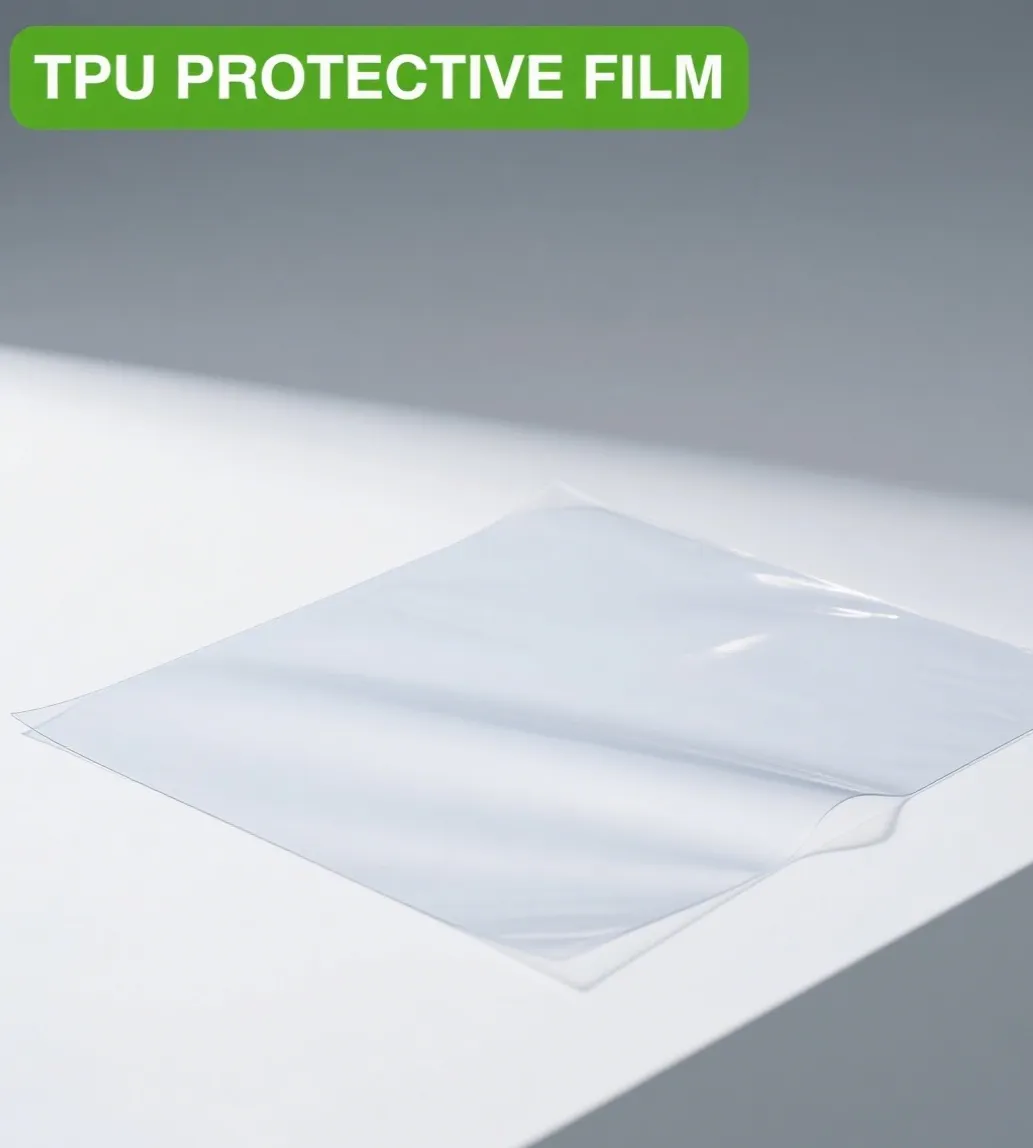
Explore how high-performance thermoplastic polyurethane (TPU) is redefining protection standards for optical surfaces, automotive finishes, and electronic displays.
The Evolution of Surface Protection and Optical Clarity
In the modern industrial landscape, maintaining the aesthetic and functional integrity of high-value surfaces is paramount. Whether it is the sleek exterior of a luxury vehicle or the sensitive interface of a medical diagnostic screen, the demand for invisible yet robust protection has never been higher. This is where tpu protective film enters the spotlight as the gold standard. Unlike traditional materials, this advanced polymer offers a unique combination of elasticity, transparency, and environmental resistance that makes it indispensable for optical clarity applications.
The shift toward TPU-based solutions is driven by the material's inherent ability to remain crystal clear over extended periods. Traditional PVC or PET films often suffer from yellowing, cracking, or loss of transparency when exposed to ultraviolet radiation or fluctuating temperatures. In contrast, a high-quality tpu protective film utilizes aliphatic molecular structures that prevent oxidation and maintain a high refractive index. This ensures that the underlying substrate remains visible with zero distortion, making it the preferred choice for industries ranging from aerospace to consumer electronics.
Huanlong has been at the forefront of this technological evolution, developing specialized TPU formulations that prioritize both protection and visual performance. By focusing on the molecular engineering of the film, we ensure that every micron of material contributes to a seamless user experience. As we delve deeper into the technicalities of optical clarity, it becomes evident why choosing the right film grade is essential for long-term project success.
Technical Advancements in Aliphatic TPU Formulations
Understanding the difference between aromatic and aliphatic TPU is crucial for any procurement specialist or engineer. Aromatic TPU, while cost-effective and physically strong, is prone to yellowing under UV light due to its chemical backbone. For optical clarity applications, aliphatic tpu protective film is the mandatory standard. This variant is engineered to resist photochemical degradation, ensuring that the film remains as clear as glass even after years of outdoor exposure. This stability is vital for applications like automotive paint protection and outdoor signage.
The manufacturing process at Huanlong involves precision extrusion and casting techniques that minimize internal stress within the film. Internal stresses can lead to birefringence, an optical phenomenon where light is polarized and distorted as it passes through the material. By neutralizing these stresses, our films achieve a light transmission rate exceeding 90%. This level of performance is particularly critical for touchscreens and head-up displays (HUDs) in the automotive sector, where even minor distortions can affect safety and usability.
Furthermore, the surface topography of the film is optimized at a microscopic level. A smooth, non-porous surface not only enhances clarity but also improves the film's "self-healing" properties. When minor abrasions occur, the thermoplastic nature of the tpu protective film allows it to reorganize its molecular structure under mild heat, effectively erasing scratches and maintaining a pristine finish. This combination of optical excellence and physical resilience is what sets our products apart in a competitive global market.
Versatile Applications Across High-Tech Industries
The versatility of tpu protective film allows it to penetrate diverse sectors with specific requirements. In the automotive industry, it is primarily used as Paint Protection Film (PPF). Modern car designs incorporate intricate curves and sensors that require a film with high elongation properties. Our films can stretch up to 400% without tearing or losing their optical properties, allowing for a seamless fit over complex geometries. This protection is vital against stone chips, chemical stains, and environmental fallout.
In the electronics sector, the focus is on screen protection and housing durability. High-end smartphones and tablets utilize OLED and micro-LED technologies that produce vibrant colors and high brightness. A subpar protective layer can dull these displays. Huanlong's TPU solutions are engineered with anti-glare and anti-fingerprint coatings that complement the film's natural clarity. This ensures that the user experience is enhanced rather than hindered by the addition of a protective layer.
Medical applications represent another frontier for these materials. From surgical equipment displays to protective barriers for wearable health monitors, the need for biocompatible and clear materials is growing. Our TPU films are designed to withstand frequent sterilization with harsh chemicals without losing their structural integrity or transparency. This makes them a reliable component in the development of next-generation medical devices where precision and hygiene are non-negotiable.
Quantifying Quality: Haze, Gloss, and Transmission
When evaluating a tpu protective film, professional engineers look at three primary metrics: haze, gloss, and total light transmission. Haze refers to the percentage of light that is scattered as it passes through the film; a lower haze value indicates better clarity. Our premium grades consistently achieve haze values below 1.5%, which is virtually imperceptible to the human eye. Gloss, on the other hand, measures the specular reflection from the surface. A high-gloss TPU film can actually enhance the depth of the underlying paint or finish, providing a "wet" look that is highly desired in the automotive aftermarket.
Total light transmission is the aggregate amount of light that successfully exits the film. For optical applications, any value below 88% is generally considered unacceptable. Huanlong utilizes ultra-pure resin pellets and clean-room manufacturing environments to ensure that contaminants are excluded during production. This rigorous quality control ensures that our films meet the strictest standards for light transmission, making them suitable for precision optics and high-definition display covers.
Beyond optical specs, the adhesion strength is a critical performance factor. A film is only as good as its bond to the substrate. We utilize pressure-sensitive adhesives (PSA) that are optically clear and repositionable. These adhesives are designed to leave no residue upon removal, ensuring that the original surface remains undamaged. This balance between strong adhesion and clean removal is achieved through extensive testing on various substrates, including plastics, metals, and glass.
The Huanlong Commitment to Quality
As a leader in the polymer industry, Huanlong specializes in the research, development, and production of high-grade film solutions. Our facility is equipped with state-of-the-art extrusion lines capable of producing tpu protective film with consistent thickness and exceptional clarity. We understand that every application has unique challenges, which is why we offer customized formulations to meet specific UV resistance, hardness, and elasticity requirements.
Our advantages include a robust supply chain, competitive pricing, and a dedicated R&D team that stays ahead of industry trends. Whether you are looking for films for automotive seat systems, medical devices, or functional outdoor fabrics, our portfolio provides the reliability your brand deserves. By integrating the latest advancements in aliphatic chemistry, we ensure that our tpu protective film remains a top-tier choice for global manufacturers.
Advanced aliphatic formulations for 10+ years of UV stability.
Superior self-healing properties for high-traffic surfaces.
Customizable thickness ranging from 2mil to 15mil.
Why Choose Our Products?
Our films undergo rigorous weathering tests to ensure peak performance in any climate.
Inquire NowConclusion: The Clear Choice for Future-Proof Protection
In conclusion, the selection of a high-clarity tpu protective film is an investment in the longevity and value of your products. By prioritizing materials that offer excellent light transmission, chemical resistance, and ease of installation, businesses can significantly reduce maintenance costs and improve customer satisfaction. As technology advances, the role of TPU will only grow, serving as the invisible shield that protects our most important assets without compromising their beauty.
Huanlong remains committed to pushing the boundaries of what is possible with thermoplastic polyurethane. We invite you to explore our full range of solutions and partner with us for your next project. Our expertise in optical-grade films ensures that your surfaces stay protected and crystal clear for years to come.
Frequently Asked Questions
Q1: Why is TPU protective film better than PVC for optical surfaces?
TPU offers superior flexibility, self-healing properties, and much higher UV resistance. PVC tends to yellow and become brittle over time, whereas aliphatic TPU maintains its clarity and elasticity for years.
Q2: Can TPU protective film be used on curved glass displays?
Yes, due to its high elongation and elastic memory, it can be seamlessly applied to 2.5D and 3D curved surfaces without lifting or tunneling, making it ideal for modern screen designs.
Q3: How long does a TPU protective film typically last?
A high-quality aliphatic film can last between 5 to 10 years depending on environmental exposure. Proper maintenance and cleaning further extend the functional life of the film.
Q4: Does TPU protective film affect the sensitivity of touchscreens?
No, the thin profile and high dielectric constant of TPU ensure that capacitive touch sensitivity is fully maintained, providing a natural user interface experience.
Q5: Is TPU protective film environmentally friendly?
Thermoplastic polyurethane is generally more eco-friendly than PVC as it is recyclable and does not contain harmful plasticizers like phthalates. It is a more sustainable choice for green manufacturing.
Secure Your Surfaces with Premium Protection
Contact our expert team to find the perfect TPU solution for your specific application needs.
Get a Free Quote