
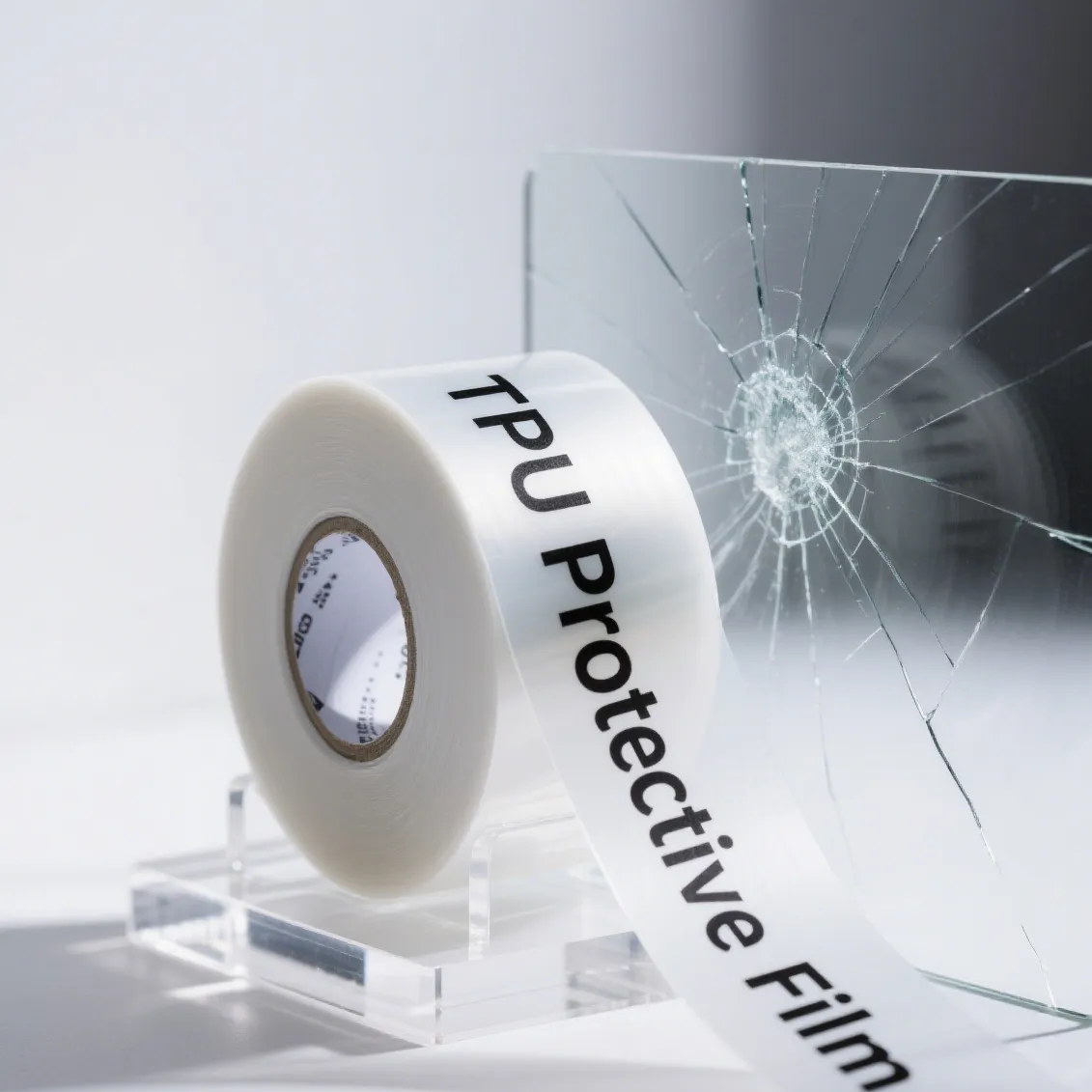
The Strategic Role of TPU in Modern Healthcare
In the rapidly evolving landscape of medical technology, the selection of materials for healthcare devices is no longer just a technical consideration; it is a critical factor in patient safety and clinical outcomes. Among the various polymers available, TPU protective film has emerged as a gold standard for medical applications. Thermoplastic Polyurethane (TPU) combines the best properties of plastic and rubber, offering flexibility, durability, and most importantly, biocompatibility. As hospitals and clinics demand higher standards for infection control and device longevity, understanding the nuances of medical-grade film becomes essential for manufacturers and procurement specialists alike.
Medical environments are notoriously harsh. Equipment and protective barriers are constantly exposed to chemical disinfectants, bodily fluids, and physical wear. Traditional materials like PVC or latex often fall short due to concerns over toxicity or allergic reactions. In contrast, medical-grade TPU provides a safer, more resilient alternative. It serves as a sterile barrier that protects sensitive electronics in medical devices while remaining soft enough to interact with human skin. This introductory guide explores the multifaceted benefits of this material and why it is the preferred choice for industry leaders.
The Evolution and Superiority of Medical Grade TPU Protective Film
The transition from legacy materials to TPU protective film represents a significant milestone in material science for healthcare. Historically, PVC was the dominant material in medical manufacturing due to its low cost. However, the presence of phthalates and the environmental impact of its disposal led the industry to seek safer alternatives. TPU entered the market as a phthalate-free, halogen-free solution that does not compromise on performance. Its molecular structure allows for incredible versatility, enabling manufacturers to adjust its hardness, breathability, and transparency to meet specific medical requirements.
Beyond safety, the mechanical superiority of TPU is undeniable. It possesses high tensile strength and excellent tear resistance, which are vital for protective films used on surgical touchscreens or as covers for diagnostic equipment. When used in hospital settings, the film must maintain its integrity under constant stretching and friction. TPU's inherent elasticity allows it to return to its original shape without permanent deformation, a property known as "elastic recovery." This ensures that the protective barrier remains flush against the device, preventing the ingress of contaminants and maintaining a sterile environment.
Key Technical Properties: Breathability and Biocompatibility
One of the most critical features of a high-quality TPU protective film is its Moisture Vapor Transmission Rate (MVTR). In medical applications, particularly wound care and patient monitoring, the material must allow the skin to "breathe." TPU films can be engineered to be monolithic barriers that are liquid-proof yet vapor-permeable. This means that while water and bacteria are kept out, moisture from the patient's skin can escape. This property is fundamental in preventing skin maceration and promoting faster healing in post-operative care.
Furthermore, biocompatibility is non-negotiable. Medical-grade TPU is formulated to pass stringent ISO 10993 testing, ensuring it does not cause cytotoxicity, sensitization, or irritation when in contact with human tissue. This makes it an ideal material for long-term wear applications, such as adhesive patches for wearable biosensors. The ability of the film to be sterilized via Gamma radiation, Ethylene Oxide (EtO), or E-beam without losing its physical properties adds another layer of utility for device manufacturers who require pre-sterilized components for their healthcare solutions.
Strategic Applications in Modern Healthcare Environments
The application of TPU protective film extends across various healthcare sectors. In the operating room, it is used to create sterile drapes for surgical robots and imaging systems. These films must be ultra-clear to allow surgeons to see controls through the barrier and must be puncture-resistant to withstand the handling of sharp surgical instruments. Additionally, in the realm of hospital infrastructure, TPU-coated fabrics are used for pressure-relief mattresses. The film provides a waterproof layer that is easy to clean with hospital-grade disinfectants, helping to prevent the spread of healthcare-associated infections (HAIs).
In the consumer medical device market, the aesthetics and "hand-feel" of the material are equally important. TPU provides a soft, premium touch that is far superior to the crinkly, loud texture of polyethylene. This makes it suitable for orthopedic braces and wearable health monitors that users wear against their skin for 24 hours a day. The material's resistance to oils and grease, including skin oils and lotions, ensures that the film does not degrade or become yellow over time, preserving the professional appearance and functionality of the medical device throughout its lifecycle.
Huanlong: Your Partner in High-Performance Medical Solutions
At Huanlong, we specialize in the engineering and production of advanced material solutions tailored for the healthcare industry. Our commitment to quality is reflected in our state-of-the-art production facilities, where we manufacture premium TPU protective film designed to meet the rigorous standards of global medical device manufacturers. We understand that in the medical field, there is no room for error. That is why our films undergo rigorous quality control processes to ensure consistency in thickness, clarity, and barrier performance.
Huanlong's advantage lies in our ability to provide customized formulations. Whether you require high-breathability films for advanced wound dressings or heavy-duty protective layers for hospital beds, our R&D team works closely with clients to deliver the perfect balance of properties. By integrating vertically from resin selection to film extrusion, Huanlong ensures that every roll of film provides the durability and safety that healthcare professionals rely on. Our focus on sustainability also means our TPU products are a greener choice for companies looking to reduce their environmental footprint without sacrificing performance.
Conclusion: Investing in Quality for Better Patient Care
The role of TPU protective film in the medical industry is indispensable. From protecting high-value diagnostic equipment to ensuring the comfort and safety of patients, its unique blend of physical and chemical properties makes it an unmatched solution. As healthcare continues to move toward more wearable and portable technology, the demand for flexible, breathable, and biocompatible materials will only grow. By choosing a high-grade TPU film, manufacturers are not just selecting a component; they are investing in the reliability of their brand and the health of the patients they serve.
As we look to the future, the innovations in TPU technology, such as antimicrobial additives and even higher moisture transmission capabilities, will further expand its utility. For companies like Huanlong, the goal remains the same: to provide the materials that empower medical professionals to deliver the highest standard of care. Selecting the right film is a step toward a safer, more efficient healthcare environment for everyone.
Frequently Asked Questions
Q1: Is TPU protective film safe for direct skin contact?
Yes, medical-grade TPU is highly biocompatible and is specifically designed to be non-irritating and non-sensitizing, making it safe for prolonged contact with human skin in medical applications.
Q2: How does TPU protective film compare to PVC in medical settings?
TPU is superior to PVC as it is free from harmful phthalates, offers better flexibility at low temperatures, has higher tear resistance, and is more environmentally friendly during disposal.
Q3: Can TPU protective film be sterilized using standard medical methods?
Absolutely. TPU is compatible with common sterilization techniques including Gamma radiation, Ethylene Oxide (EtO), and Electron Beam (E-beam) processing without losing its structural integrity.
Q4: What makes TPU protective film breathable?
Its molecular structure allows for the transmission of water vapor molecules while blocking larger liquid water droplets and bacteria, providing a "second skin" effect that is crucial for wound healing.
Q5: Why should I choose Huanlong for my TPU protective film needs?
Huanlong offers industry-leading expertise, customized material formulations, and a commitment to medical-grade quality standards, ensuring your devices are protected by the best materials available.
Ready to Elevate Your Medical Device Protection?
Contact Huanlong today to discuss your specific requirements and get a professional consultation on our medical-grade film solutions.