
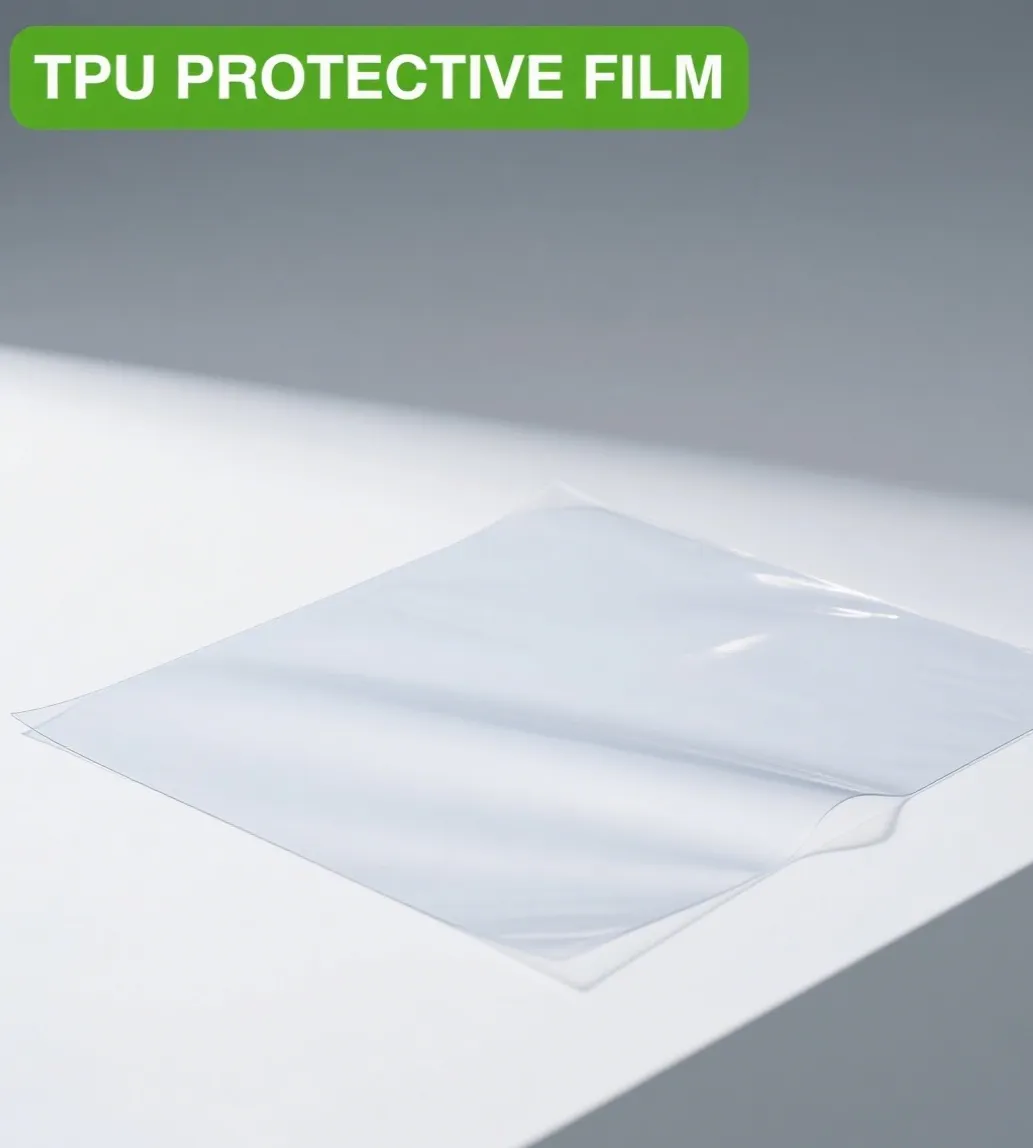
A comprehensive exploration into the material science, industrial impact, and performance standards of modern thermoplastic polyurethane solutions in a global market.
Introduction to Modern Protective Solutions
The evolution of surface protection has undergone a radical transformation over the last decade, shifting from rigid, temporary covers to highly sophisticated, multi-functional membranes. At the center of this revolution is the TPU protective film, a material celebrated for its extraordinary elasticity, optical clarity, and environmental resilience. As industries demand higher durability without compromising aesthetics, thermoplastic polyurethane (TPU) has emerged as the gold standard. Unlike its predecessors, such as PVC or low-density polyethylene, TPU offers a unique molecular structure that combines the toughness of plastic with the flexibility of rubber. This makes it an ideal candidate for high-stakes environments ranging from the aerospace sector to delicate medical electronics.
In the current manufacturing landscape, the versatility of TPU protective film is unmatched. It serves as a primary barrier against physical abrasion, chemical exposure, and UV degradation. Manufacturers like Huanlong have pushed the boundaries of what these films can achieve by integrating advanced aliphatic chemistry and proprietary extrusion techniques. This article delves deep into the technological underpinnings of TPU, examining how its specific properties are leveraged across diverse sectors to drive innovation, improve product lifecycles, and enhance user experiences. By understanding the core mechanics of these films, engineers and procurement specialists can make more informed decisions that balance performance with cost-efficiency.
The Aliphatic Advantage in TPU Protective Film
When discussing high-performance TPU protective film, the distinction between aromatic and aliphatic chemistry is critical. Aromatic TPU is often more cost-effective but is prone to yellowing when exposed to sunlight due to the breakdown of its chemical bonds. In contrast, aliphatic TPU uses specialized isocyanates that do not contain benzene rings, making them inherently resistant to ultraviolet radiation. This structural integrity ensures that the film remains crystal clear over long periods, which is vital for applications where visual transparency is non-negotiable. For instance, in the automotive sector, maintaining the pristine look of a vehicle's original paint requires a film that won't turn hazy or yellow after a few months of outdoor exposure.
Beyond UV resistance, aliphatic TPU protective film offers superior mechanical properties, including enhanced elongation and tear strength. These characteristics allow the film to absorb the kinetic energy from stone chips or debris, effectively protecting the underlying substrate. Furthermore, the molecular "memory" of high-grade TPU enables self-healing properties. When light scratches occur on the surface, the application of gentle heat (from the sun or a heat gun) allows the molecules to realign, effectively erasing the damage. This level of sophistication is why aliphatic-based solutions are preferred for premium automotive paint protection films (PPF) and high-end consumer electronics, where the longevity of the protective layer directly correlates with the value of the protected asset.
Automotive Excellence and Paint Protection
The automotive industry is perhaps the most visible consumer of TPU protective film. Modern vehicles are exposed to a barrage of environmental stressors, including bird droppings, acid rain, road salt, and physical impacts. Traditional waxing or ceramic coatings provide a layer of chemical protection but offer very little defense against physical impacts. This is where TPU films excel. By providing a physical shield that is several mils thick, the film acts as a sacrificial layer that preserves the factory finish. This not only maintains the vehicle's aesthetic appeal but also significantly bolsters its resale value. Automotive engineers also utilize TPU for interior components, protecting piano-black trims and touchscreen displays from fingerprints and scratches.
Recent innovations have seen the integration of hydrophobic top-coats directly onto the TPU protective film during the manufacturing process. This creates a surface that repels water and dirt, making the vehicle much easier to clean. Huanlong’s research into automotive seating systems has also highlighted the use of TPU films for moisture barriers and comfort enhancement. In these applications, the film must be breathable yet waterproof, a balance achieved through precise micro-perforation or specialized chemical formulations. As the industry moves toward autonomous vehicles and smart cabins, the role of protective films is expanding to include anti-glare and anti-reflective properties, ensuring that sensors and displays operate at peak efficiency under all lighting conditions.
Medical Grade TPU and Biocompatibility
In the medical sector, the requirements for TPU protective film are governed by stringent biocompatibility and safety standards. These films are frequently used in wound care, surgical drapes, and as protective covers for medical equipment. One of the standout features of medical-grade TPU is its high moisture vapor transmission rate (MVTR). This allows the skin to breathe while preventing liquid water and bacteria from entering the wound site. Such a property is essential for preventing maceration of the skin and promoting faster healing in clinical environments. Unlike traditional dressings, TPU-based medical films are transparent, allowing healthcare professionals to monitor the healing process without removing the protective layer.
The chemical resistance of TPU protective film is also a major asset in hospitals, where equipment is frequently disinfected with harsh chemicals. TPU maintains its structural integrity when exposed to alcohol, bleach, and other common medical cleaners. Furthermore, the material is inherently latex-free and hypoallergenic, reducing the risk of adverse reactions in sensitive patients. Huanlong has been at the forefront of developing medical-grade films that provide a soft-touch feel while maintaining the high puncture resistance required for protective gloves and garment components. As the demand for wearable medical devices grows, the flexibility and skin-friendly nature of TPU make it the ideal substrate for housing sensors and batteries against the human body.
Advancements in Footwear and Textiles
The footwear industry has embraced TPU protective film as a means to achieve both performance and design flexibility. In high-performance athletic shoes, TPU films are heat-laminated to fabric uppers to provide structural reinforcement without the need for heavy stitching. This "no-sew" technology allows for lighter footwear and more streamlined designs. Additionally, TPU Foam films have emerged as a revolutionary option for midsoles and insoles, offering superior energy return and cushioning compared to traditional EVA foams. These films are also highly recyclable, aligning with the footwear industry's growing commitment to sustainability and the circular economy.
In the realm of outdoor and functional textiles, TPU protective film provides a waterproof and windproof barrier that remains flexible even in sub-zero temperatures. This is a significant improvement over PVC, which tends to become brittle and crack in cold weather. Whether it is used in premium rainwear, backpacks, or outdoor equipment, TPU ensures that the product remains functional in the harshest environments. Manufacturers can also customize the finish of the film—ranging from high-gloss to deep matte—allowing designers to achieve specific aesthetic goals while maintaining the protective qualities of the material. This fusion of fashion and function is driving a new wave of innovation in the textile market.
Structural Longevity and Industrial Applications
Beyond consumer goods, TPU protective film plays a vital role in the construction and industrial sectors. One of the most promising applications is in roofing and building structures, where TPU membranes are laminated with fabrics to create weather-resistant barriers. These membranes offer excellent resistance to environmental pollutants and biological growth, ensuring that building envelopes remain intact for decades. The high tensile strength of TPU allows it to withstand extreme wind loads and structural movements, making it a reliable choice for modern architectural designs. Furthermore, the material's ability to be high-frequency welded ensures airtight and watertight seams, which is critical for industrial bladders and inflatable structures.
In heavy industry, TPU films are used to protect conveyor belts, hydraulic systems, and chemical hoses. The material's exceptional abrasion resistance ensures that equipment can handle abrasive materials like sand, gravel, and glass without premature failure. For example, a TPU protective film applied to the surface of a conveyor belt can extend its service life by several years, reducing maintenance costs and downtime. Its resistance to oils and greases also makes it indispensable in automotive manufacturing plants and oil and gas facilities. As industries look for ways to optimize their operations, the durability and versatility of TPU continue to offer new solutions for age-old engineering challenges.
Why Choose Huanlong for Your TPU Solutions
Huanlong is a global leader in the development and production of high-performance thermoplastic polyurethane materials. With our state-of-the-art Lishui production base, we have established a reputation for precision engineering and consistent quality. Our commitment to innovation is reflected in our extensive product portfolio, which serves diverse industries such as automotive, medical, and outdoor sports. We understand that every application has unique requirements, which is why we offer a wide range of customized TPU protective film solutions designed to meet the most demanding specifications.
Our advantages lie in our deep material expertise and our ability to integrate sustainable practices into our manufacturing processes. From our medical-grade protective fabrics to our advanced automotive seating systems, Huanlong ensures that each film delivers maximum value. We also specialize in high-breathability TPU films that cater to the evolving needs of the functional apparel market. By choosing Huanlong, you are partnering with a company that prioritizes quality, reliability, and technological advancement in every roll of film we produce.
Conclusion
The rise of TPU protective film as a critical industrial material is a testament to its unparalleled versatility and performance. From preserving the aesthetic integrity of luxury vehicles to providing life-saving barriers in the medical field, TPU has proven itself to be an indispensable asset in modern engineering. Its combination of self-healing capabilities, UV stability, and mechanical toughness sets it apart from traditional materials, offering a future-proof solution for surface protection. As manufacturing technology continues to advance, we can expect TPU films to become even more integrated into our daily lives, driving sustainability and efficiency across all sectors.
For businesses looking to stay ahead of the curve, adopting high-quality TPU solutions is no longer an option—it is a necessity. Huanlong remains dedicated to supporting this transition by providing world-class products and technical expertise. Whether you are designing the next generation of athletic footwear or seeking a durable solution for industrial components, the right TPU protective film can make all the difference in achieving long-term success and customer satisfaction.
Frequently Asked Questions
Q1: What are the primary benefits of using TPU protective film for automotive paint?
The primary benefits include its exceptional resistance to physical impacts like stone chips, its self-healing properties that eliminate swirl marks, and its UV resistance which prevents the film from yellowing over time. It provides a crystal-clear barrier that preserves the original paint's gloss and depth while making the surface easier to maintain.
Q2: How does TPU protective film compare to PVC films?
TPU protective film is significantly more durable, flexible, and environmentally friendly than PVC. Unlike PVC, TPU does not contain plasticizers that can migrate and cause the film to become brittle or yellow. TPU also offers better low-temperature performance and a higher moisture vapor transmission rate, making it superior for both industrial and medical applications.
Q3: Is TPU protective film safe for use in medical environments?
Yes, medical-grade TPU protective film is specifically engineered to be biocompatible, hypoallergenic, and resistant to common medical chemicals. It is widely used in wound care due to its breathability and transparency, which allow for better patient monitoring and hygiene control without compromising the protection of the wound site.
Q4: Can TPU protective film be recycled?
Yes, TPU is a thermoplastic material, which means it can be melted and reformed multiple times without significant degradation of its properties. This makes TPU protective film a more sustainable choice compared to thermoset materials. Many manufacturers, including Huanlong, are actively promoting circular economy practices by incorporating recycled TPU into new product lines.
Q5: How long does a high-quality TPU protective film typically last?
A high-quality aliphatic TPU protective film can last anywhere from 5 to 10 years depending on the environmental exposure and maintenance. In automotive applications, premium films often come with warranties covering yellowing, cracking, or bubbling, ensuring long-term peace of mind for the vehicle owner.
Ready to Enhance Your Products with TPU?
Contact the experts at Huanlong today to discuss your specific requirements and discover how our advanced TPU protective film solutions can provide the durability and performance you need.