
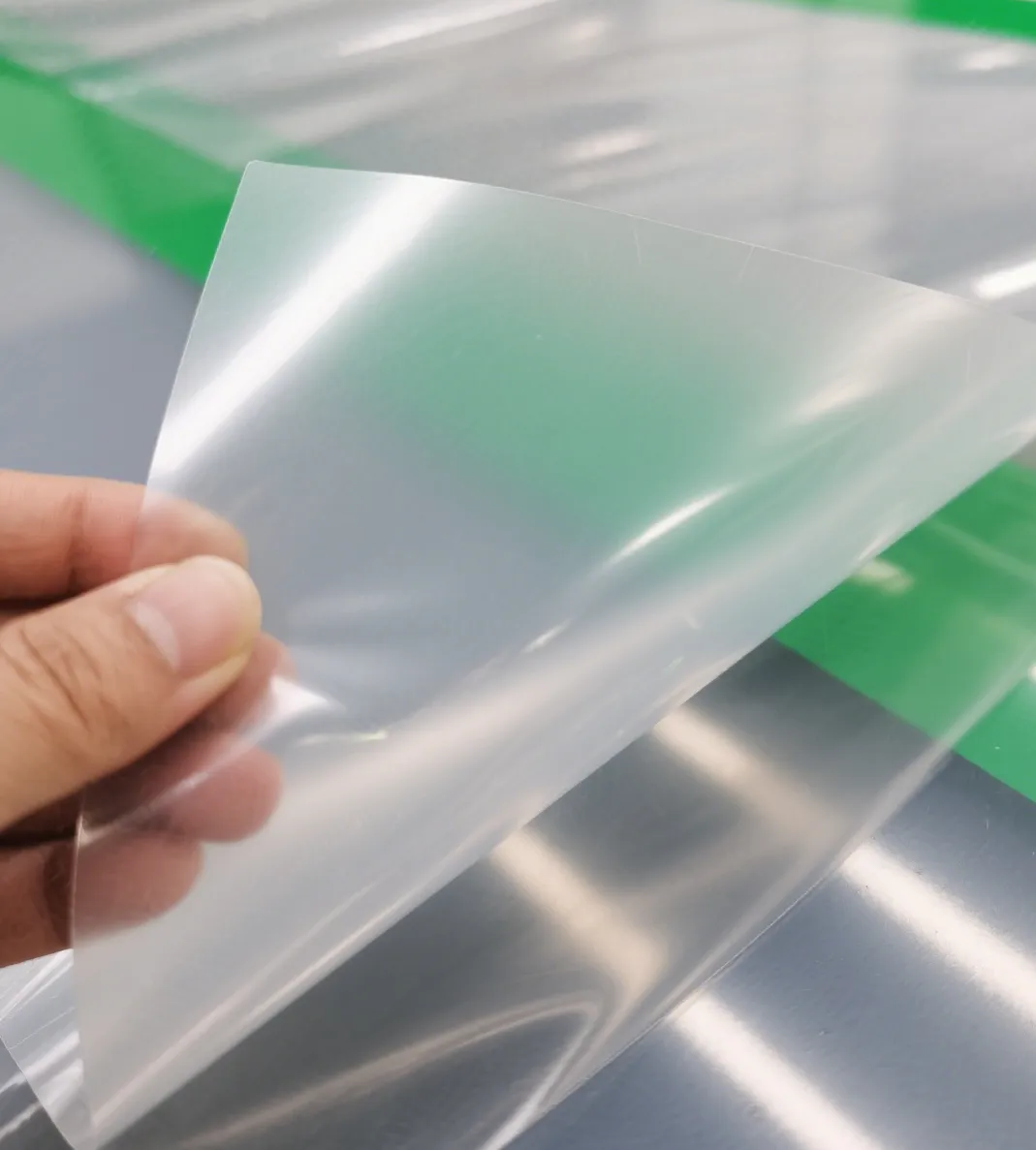
As the global manufacturing landscape undergoes a radical shift toward environmental responsibility, industries are seeking materials that balance high performance with ecological integrity. Among the most promising innovations in this transition is the emergence of biodegradable TPU film. Thermoplastic Polyurethane (TPU) has long been celebrated for its versatility, durability, and elasticity. However, the traditional synthesis of TPU relied heavily on non-renewable petroleum sources, leading to long-term waste challenges. Today, the introduction of biodegradable variants represents a significant milestone in material science, offering a circular solution that meets the rigorous demands of automotive, medical, and textile sectors without leaving a permanent footprint on the planet.
The adoption of biodegradable TPU film is not merely a trend but a strategic necessity. Companies are increasingly under pressure from both regulatory bodies and conscious consumers to minimize their carbon footprints. By integrating advanced bio-based polyols and specific enzymatic additives, modern TPU films can now decompose under controlled composting conditions or in specific microbial environments. This guide explores the technical advantages, industrial applications, and strategic benefits of switching to sustainable TPU alternatives, highlighting why this material is becoming the preferred choice for forward-thinking engineers and designers globally.
The Technical Evolution of Biodegradable TPU Film
Understanding the science behind biodegradable TPU film requires a look at its molecular structure. Traditional TPU is a block copolymer consisting of alternating sequences of hard and soft segments. The hard segments provide mechanical strength and thermal resistance, while the soft segments offer flexibility and elasticity. In biodegradable versions, the petroleum-derived soft segments are replaced with bio-based components derived from renewable resources like corn or castor oil. These bio-polyesters are designed to be susceptible to microbial attack, allowing the polymer chains to break down into water, carbon dioxide, and biomass over a specified period.
Despite their eco-friendly nature, these films do not compromise on the mechanical properties that make TPU famous. They retain exceptional tensile strength, abrasion resistance, and low-temperature flexibility. This ensures that the material performs reliably during its service life, whether it is used in high-stress automotive components or protective medical barriers. The "smart" nature of this degradation process means that the film remains stable under normal use conditions, only beginning its decomposition process when exposed to the specific heat, moisture, and microbial activity found in industrial composting or soil environments.
Furthermore, the processing of biodegradable TPU film is highly compatible with existing manufacturing infrastructure. It can be extruded, blown, or laminated using standard equipment, reducing the barrier to entry for manufacturers looking to upgrade their product lines. This compatibility, combined with the material's inherent breathability and chemical resistance, positions it as a superior alternative to traditional plastics like PVC or low-grade polyethylene, which often lack both performance and recyclability.
Versatile Applications Across High-Growth Sectors
The versatility of biodegradable TPU film allows it to penetrate diverse markets where sustainability is a priority. In the footwear industry, for instance, designers are utilizing these films to create lightweight, recyclable components that enhance comfort and performance. From reinforced toe caps to waterproof liners, the film provides the necessary protection while aligning with the industry's move toward a circular economy. Its ability to be bonded with various fabrics without the need for toxic adhesives further enhances its eco-friendly credentials.
In the automotive sector, the push for "green" interiors has led to the integration of bio-based TPU in seating systems and dashboard skins. These films offer a soft-touch feel and high UV resistance, ensuring that the cabin maintains its premium appearance over time. When the vehicle reaches the end of its life, the biodegradable nature of the film simplifies the recycling process, reducing the amount of plastic sent to landfills. This is particularly relevant as manufacturers face stricter Extended Producer Responsibility (EPR) regulations worldwide.
The medical industry also benefits significantly from this material. Biodegradable TPU films are used in wound care dressings and protective surgical apparel. Their biocompatibility and high moisture vapor transmission rate (MVTR) promote healing while providing a sterile barrier. By choosing a biodegradable option, healthcare facilities can reduce the environmental impact of single-use medical plastics, which are a major source of global waste. The material's resistance to blood, fats, and chemicals makes it an indispensable tool for modern healthcare solutions.
Huanlong: Leading the Way in Sustainable TPU Solutions
At Huanlong, we are committed to pioneering the next generation of high-performance materials. As a professional manufacturer with extensive R&D capabilities, we specialize in developing advanced biodegradable TPU film that meets the specific needs of modern industry. Our production processes are optimized for precision and sustainability, ensuring that every roll of film we produce adheres to the highest quality standards. We understand that every application is unique, which is why we offer tailored solutions for various sectors.
Our product portfolio includes specialized films for the medical sector, where hygiene and performance are paramount. Additionally, our expertise in automotive seating systems allows us to provide films that enhance passenger comfort while supporting the shift toward eco-friendly vehicle manufacturing. Huanlong's advantage lies in our vertical integration and our ability to innovate quickly in response to market demands.
By choosing Huanlong, partners gain access to a wealth of technical expertise and a robust supply chain. We don't just provide materials; we provide strategic advantages through our commitment to quality, environmental stewardship, and customer-centric service. Whether you are looking for high-breathability films for outdoor gear or durable protective layers for industrial use, our team at Huanlong is ready to support your transition to a greener future.
Conclusion: Shaping a Greener Industrial Future
The shift toward biodegradable TPU film represents a critical juncture in the evolution of industrial materials. It proves that we no longer need to choose between performance and the planet. With its exceptional mechanical properties and reduced environmental impact, this material is set to redefine standards in the automotive, medical, and textile industries. As we look toward a future where circularity is the norm, the role of innovative manufacturers like Huanlong will be vital in providing the tools necessary for this transformation.
Investing in sustainable materials today is an investment in the longevity of your brand and the health of the environment. By integrating biodegradable solutions into your product designs, you not only comply with emerging regulations but also resonate with a growing demographic of environmentally conscious consumers. The path forward is clear: sustainable, high-performance TPU is the future.
Frequently Asked Questions
Q1: What are the primary benefits of using biodegradable TPU film?
The primary benefits include a significant reduction in environmental impact, lower carbon footprint during production, and excellent mechanical properties such as elasticity and abrasion resistance, ensuring no loss in performance compared to traditional TPU.
Q2: How long does it take for biodegradable TPU film to decompose?
The decomposition timeline depends on the specific environmental conditions, such as temperature, humidity, and microbial presence. In industrial composting settings, it typically begins to break down within 6 to 12 months.
Q3: Is biodegradable TPU film suitable for high-performance automotive applications?
Yes, it is highly suitable for automotive interiors, seating systems, and protective components. It offers the durability and aesthetic quality required by the industry while supporting sustainability goals.
Q4: Can biodegradable TPU film be customized for specific industrial needs?
Absolutely. At Huanlong, we can customize the thickness, breathability, and degradation rate of the film to meet the unique requirements of your specific application.
Q5: Where can I source high-quality biodegradable TPU film?
High-quality films can be sourced directly from specialized manufacturers like Huanlong, where we combine advanced technology with professional expertise to deliver premium eco-friendly materials.
Ready to Upgrade to Sustainable Material Solutions?
Partner with Huanlong today and discover the performance of our biodegradable TPU film.
Contact Our Experts