
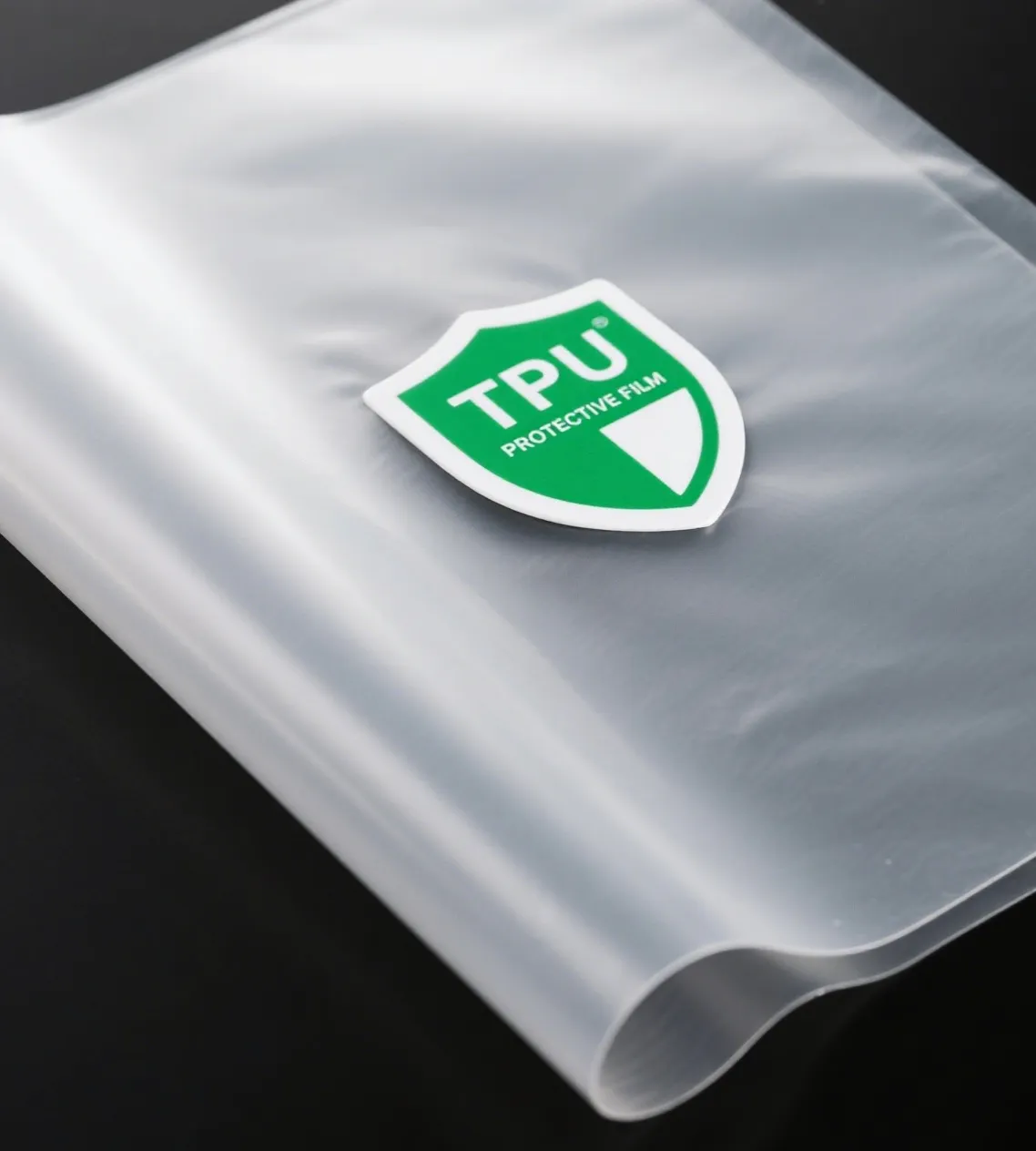
A comprehensive guide to enhancing performance, durability, and comfort in modern textile engineering through advanced polymer technology.
In the rapidly evolving landscape of technical textiles, the integration of high-performance materials has become a necessity rather than a luxury. One of the most significant advancements in this field is the widespread adoption of TPU protective film. This versatile thermoplastic polyurethane material has revolutionized how manufacturers approach durability and wearer comfort. As global industries shift toward more sustainable and functional solutions, Huanlong stands at the forefront, providing specialized film technologies that bridge the gap between industrial strength and textile flexibility. This guide explores the multifaceted applications of these films and why they are the preferred choice for modern wearable solutions.
The Rise of TPU Protective Film in Modern Textile Engineering
The textile industry has moved far beyond simple aesthetics. Today, functionality is the primary driver of innovation, especially in sectors like sportswear, medical apparel, and military gear. The implementation of TPU protective film provides a seamless barrier against environmental factors while maintaining the intrinsic properties of the base fabric. Unlike traditional laminates that often result in stiff, uncomfortable garments, modern TPU solutions offer an incredible strength-to-weight ratio. This allows designers to create lightweight, "second-skin" wearables that can withstand extreme mechanical stress.
Huanlong has spent years perfecting the extrusion and lamination processes to ensure that our films bond perfectly with various fibers, including nylon, polyester, and elastane. The adaptability of this film means it can be engineered with specific levels of hardness (Shore A to Shore D), allowing for tailored applications ranging from soft-touch medical gowns to rugged outdoor gear. By focusing on molecular stability, these films prevent the yellowing and degradation typically associated with lower-quality plasticizers, ensuring that the final product maintains its integrity over a long lifecycle.
Furthermore, the shift toward eco-conscious manufacturing has highlighted the benefits of TPU over PVC. TPU is inherently more recyclable and does not release toxic phthalates. For brands looking to improve their Environmental, Social, and Governance (ESG) scores, adopting our high-performance films is a strategic move that combines performance with responsibility.
Technical Specifications and Advantages of TPU Protective Film
When evaluating a TPU protective film, engineers look at several key metrics: tensile strength, elongation at break, and Moisture Vapor Transmission Rate (MVTR). These parameters define how the film will behave under real-world conditions. For textile applications, the ability of the film to "breathe" is paramount. Huanlong's high breathable TPU solutions utilize a monolithic structure that allows water vapor molecules to pass through via hydrophilic molecular chains, while completely blocking liquid water and wind.
This breathability is a game-changer for wearable technology. In smart clothing, where electronic sensors are embedded into the fabric, the film serves as a protective encasement. It protects delicate circuitry from sweat and moisture while ensuring the user does not overheat. The elastic recovery of the film—often exceeding 300%—ensures that as the body moves, the protective layer moves with it, preventing delamination or cracking.
- Exceptional Waterproofing: Provides a hydrostatic head resistance often exceeding 10,000mm.
- Abrasion Resistance: Protects high-wear areas in workwear and tactical gear from friction and tearing.
- Chemical Resistance: Resistant to oils, grease, and various solvents common in industrial environments.
Comparison: TPU vs. Conventional Textile Coatings
| Feature | TPU Protective Film | PVC Coating | Silicone Coating |
|---|---|---|---|
| Elasticity | Excellent (300-600%) | Poor (Stiffens over time) | Good |
| Breathability | High (Customizable) | Zero | Low |
| Eco-Friendliness | Recyclable, No Phthalates | Toxic Byproducts | Difficult to Recycle |
| Low Temp Flex | Retains flexibility to -40°C | Becomes brittle | Excellent |
As the table demonstrates, the TPU protective film offers a superior balance of physical properties. While silicone has its merits in heat resistance, it lacks the adhesive compatibility and printability that TPU provides. PVC, while cost-effective, is increasingly being phased out due to environmental regulations and its inability to provide a comfortable wearer experience.
Integration in Medical and High-Performance Wearables
In the medical sector, the requirements for protective barriers are stringent. Materials must be biocompatible, liquid-proof, and capable of withstanding sterilization processes. Our medical film solutions are designed to meet these exact standards. By applying a specialized film to surgical gowns and wound dressings, manufacturers can ensure a viral barrier that protects both the patient and the healthcare provider.
Beyond the hospital, the rise of "smart" wearables has created a new niche for protective films. From fitness trackers integrated into shirts to heated jackets used in extreme cold, the internal electronics require a reliable shield. TPU films act as the primary insulator and physical guard, protecting against moisture ingress and physical impact without adding bulk. Huanlong works closely with electronics manufacturers to develop films with specific dielectric properties, ensuring that the protective layer does not interfere with signal transmission or sensor accuracy.
In the realm of home textiles, the use of TPU lamination on mattresses and pillows provides a hypoallergenic barrier against dust mites and bedbugs, while remaining completely silent and soft to the touch. This versatility is why the TPU protective film has become the cornerstone of functional material design in the 21st century.
Why Choose Huanlong for Your TPU Film Solutions
Selecting the right supplier for your TPU protective film is critical to the success of your product line. Huanlong combines decade-long expertise with state-of-the-art production facilities to deliver consistency that is unmatched in the industry. We understand that every application has unique challenges, whether it is the specific hand-feel required for luxury apparel or the rigorous durability needed for automotive seating systems.
Our R&D team focuses on "application-driven" development. This means we don't just sell a product; we provide a solution. By analyzing your base fabric and final use case, we recommend the optimal film thickness, adhesive type, and surface finish. Our commitment to quality control means that every roll of film undergoes rigorous testing for tensile strength, bond strength, and thermal stability before it leaves our facility.
We invite you to learn more about us and our journey toward becoming a global leader in polymer film technology. From sustainable sourcing to high-tech manufacturing, we are dedicated to helping our clients innovate and succeed in a competitive global market.
Conclusion
The future of textiles lies in the fusion of traditional craftsmanship and advanced material science. The TPU protective film serves as the vital link in this evolution, providing the protection, durability, and comfort required by modern consumers. Whether you are developing the next generation of athletic wear, life-saving medical equipment, or high-tech outdoor gear, choosing a high-quality TPU solution is the first step toward excellence. Partner with Huanlong today to explore the limitless possibilities of functional films.
Frequently Asked Questions
Q1: What are the primary benefits of using TPU protective film on fabrics?
The primary benefits include superior waterproofing, high breathability, exceptional elasticity, and excellent abrasion resistance. It enhances the lifespan of the fabric while maintaining wearer comfort.
Q2: Is TPU protective film environmentally friendly?
Yes, compared to PVC, TPU is much more eco-friendly. It is recyclable, biodegradable under certain conditions, and does not contain harmful plasticizers like phthalates.
Q3: Can TPU protective film be used in medical applications?
Absolutely. It is widely used for medical gowns, surgical drapes, and wound dressings because it provides an effective barrier against liquids and pathogens while remaining skin-friendly.
Q4: How does TPU protective film compare to silicone coatings?
While silicone is heat-resistant, TPU offers better mechanical strength, easier bonding to fabrics, and is generally more cost-effective for large-scale textile production.
Q5: How can I customize the breathability of TPU protective film?
Breathability is adjusted during the manufacturing process by altering the hydrophilic segments within the polymer chain, allowing us to meet specific MVTR requirements for different climates and activities.
Ready to Elevate Your Product Performance?
Contact our technical team today for samples and customized consultations.
Contact Huanlong Now