
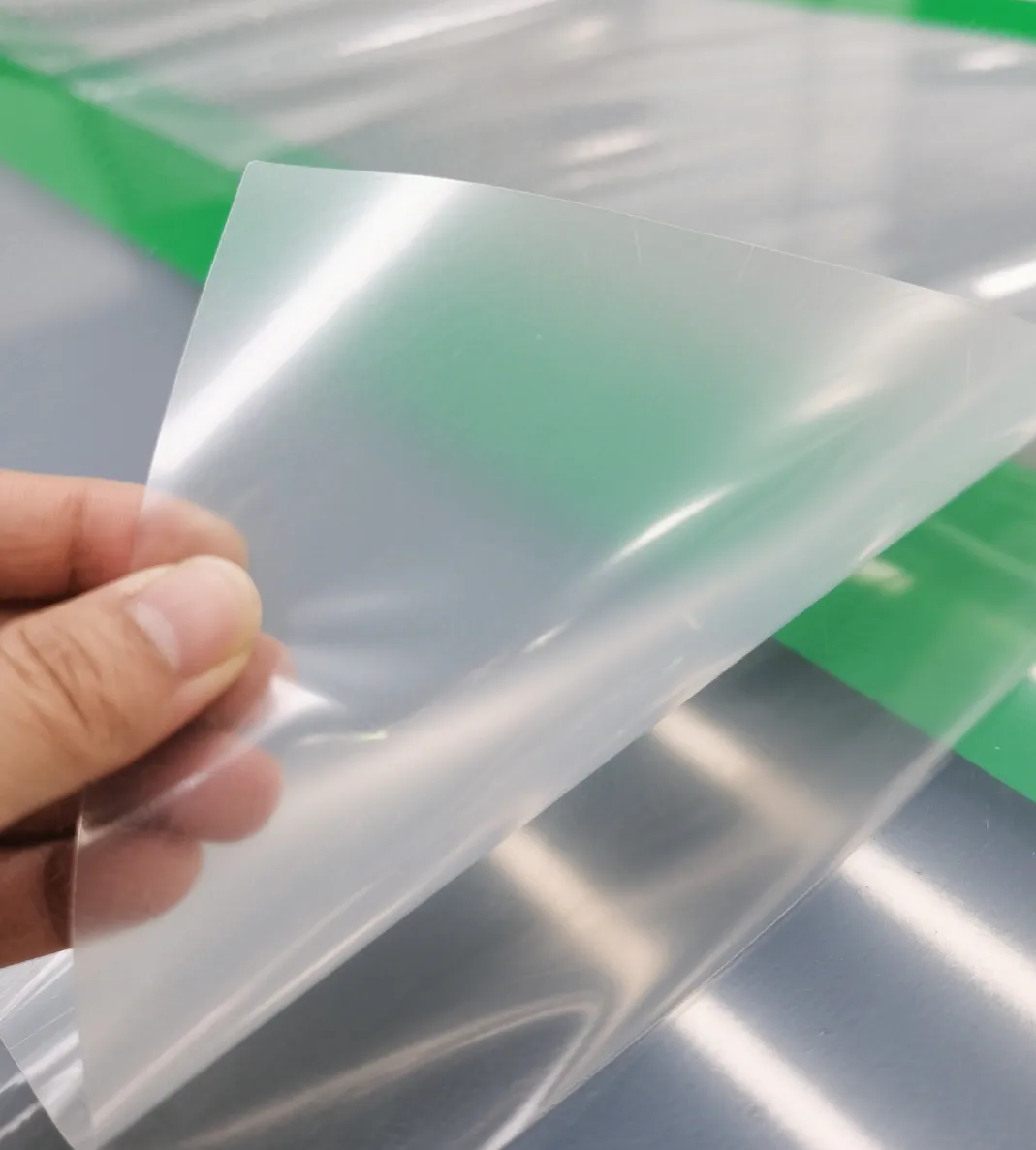
A comprehensive guide to the evolution of sustainable textile solutions using high-performance biodegradable TPU film for modern manufacturing.
Introduction to Eco-Friendly Textile Innovations
The global textile industry is undergoing a monumental shift toward environmental responsibility, and the emergence of biodegradable TPU film stands at the forefront of this transformation. As consumers and regulatory bodies demand higher standards of sustainability, manufacturers are moving away from traditional plastics and toward materials that offer a circular lifecycle. Thermoplastic Polyurethane (TPU) has long been favored for its elasticity, durability, and versatility, but the latest advancements have introduced biodegradable versions that decompose under specific environmental conditions without leaving harmful microplastics behind. At Huanlong, we recognize that the future of fashion, medical textiles, and outdoor gear depends on materials that perform exceptionally well while protecting the planet.
Understanding the technical nuances of these films is essential for designers and engineers who wish to integrate high-performance membranes into their products. Unlike standard polymers, these specialized films are engineered to break down through microbial action, while maintaining the mechanical properties required for rigorous industrial use. This guide explores how these films achieve a balance between longevity during use and efficient degradation after disposal. By integrating these solutions, brands can significantly reduce their carbon footprint and contribute to a more sustainable global economy.
The Science Behind High Breathable Biodegradable TPU Film
The primary challenge in textile engineering is achieving a "second skin" effect, where the material is completely waterproof yet highly breathable. This is where high breathable TPU technology comes into play. The molecular structure of the biodegradable TPU film is designed with hydrophilic segments that act as a bridge for moisture vapor. When the wearer perspires, the moisture is absorbed by these segments and transported through the solid membrane to the exterior via a process known as solid-state diffusion. This ensures that the user stays dry and comfortable, even during high-intensity activities or in humid climates.
From a chemical perspective, the biodegradability is achieved by incorporating specific polyester or polyether polyols that are susceptible to enzymatic hydrolysis. Under industrial composting conditions, the polymer chains are broken down into smaller fragments, which are then metabolized by microorganisms into carbon dioxide, water, and biomass. This dual functionality—superior breathability during the product's life and complete biodegradability at its end—makes it the ideal choice for functional apparel. Whether applied to outdoor jackets or performance sportswear, this material provides a technical edge that traditional laminates simply cannot match.
Material Comparison: Performance and Sustainability
Selecting the right material requires a clear understanding of how different films compare in terms of environmental impact and physical performance. Below is a detailed comparison of common textile membranes.
| Feature | Traditional TPU Film | Biodegradable TPU Film | PVC Film |
|---|---|---|---|
| Breathability | Medium to High | Excellent (Customizable) | Zero |
| Environmental Impact | Recyclable but Non-Degradable | Fully Biodegradable | High Toxicity |
| Elasticity | High | High | Low |
| Chemical Resistance | Good | Very Good | Moderate |
As shown in the table, biodegradable TPU film offers a balanced profile that combines the best mechanical properties of standard TPU with the added benefit of environmental safety. This makes it an indispensable tool for companies like Huanlong that aim to provide high-value solutions to complex manufacturing challenges.
Versatile Applications Across Industries
The versatility of biodegradable TPU film allows it to penetrate various sectors beyond basic apparel. In the realm of home textiles, it is used to create waterproof mattress protectors and pillow covers that do not sacrifice comfort or air circulation. Because the film is soft to the touch and silent when moved, it enhances the user experience while providing a robust barrier against liquids and allergens. This application is particularly crucial for sustainable bedding brands looking to differentiate themselves in a crowded market.
Furthermore, the medical film sector has benefited immensely from this material. It is used in surgical gowns, wound dressings, and hospital bed covers where both breathability and a biological barrier are required. The biocompatibility of TPU ensures that it is safe for skin contact, and its biodegradable nature simplifies the waste management process for disposable medical supplies. Additionally, we are seeing growth in the automotive comfort seat system industry, where TPU films are laminated to seat fabrics to improve durability and moisture management, ensuring long-term comfort for drivers and passengers alike.
Expertise and Quality at Huanlong
Choosing a supplier for biodegradable TPU film requires more than just looking at a price sheet; it requires a partner with deep technical expertise and a commitment to quality. At Huanlong, we leverage years of experience in polymer extrusion to produce films that meet the most stringent international standards. Our manufacturing facility is equipped with state-of-the-art machinery capable of producing ultra-thin, high-uniformity films that are perfect for complex lamination processes. We work closely with our clients to customize the breathability and degradation rates of our films to suit their specific application needs.
Our dedication to innovation is reflected in our diverse product range, which spans from new energy applications to specialized semiconductor packaging. We understand that every industry has unique requirements, and our R&D team is constantly exploring new ways to enhance the performance of TPU membranes. By choosing Huanlong, you are not just buying a product; you are gaining access to a wealth of knowledge and a supply chain that prioritizes sustainability and excellence at every stage.
Frequently Asked Questions
Q1: How long does it take for biodegradable TPU film to decompose?
The degradation time for biodegradable TPU film depends largely on the environmental conditions. In an industrial composting facility with high humidity and controlled microbial activity, the film can begin to break down significantly within 3 to 6 months. However, in standard storage or usage conditions, the film remains stable and durable, ensuring a long shelf life for your products.
Q2: Can biodegradable TPU film maintain its waterproof properties?
Yes, absolutely. Despite being biodegradable, the biodegradable TPU film maintains a solid monolithic structure that is 100% waterproof. It prevents liquid water from passing through while allowing microscopic moisture vapor molecules to escape, making it ideal for high-performance outdoor and medical gear.
Q3: Is biodegradable TPU film compatible with all fabric types?
Our biodegradable TPU film is designed for excellent adhesion to a wide variety of substrates, including polyester, nylon, and cotton blends. It can be applied using traditional heat lamination or adhesive bonding methods, ensuring a strong and durable bond that survives repeated washing cycles.
Q4: Does the use of biodegradable TPU film affect the texture of the fabric?
One of the main advantages of our biodegradable TPU film is its incredible softness and flexibility. Unlike stiffer membranes, it does not alter the "hand-feel" of the textile, allowing garments to drape naturally and remain quiet during movement, which is essential for premium apparel and home textiles.
Q5: Is biodegradable TPU film more expensive than traditional TPU?
While the raw materials and specialized manufacturing processes for biodegradable TPU film can result in a slightly higher initial cost, the long-term value is significant. It helps brands meet sustainability goals, avoid future plastic taxes, and appeal to eco-conscious consumers, often resulting in higher brand loyalty and market share.
Conclusion: Shaping a Greener Future
In conclusion, the integration of biodegradable TPU film into your production line is more than just a trend—it is a strategic decision to embrace the future of responsible manufacturing. By combining the exceptional breathability required for high-end textiles with the environmental benefits of a compostable polymer, this material solves the long-standing conflict between performance and sustainability.
As the industry continues to evolve, Huanlong remains committed to providing the innovative materials and technical support needed to succeed in a greener marketplace. Whether you are developing the next generation of outdoor apparel or improving the sustainability of medical supplies, our biodegradable TPU film offers the reliability and eco-friendliness your brand deserves.
Ready to Elevate Your Product Line?
Contact our technical experts today to discuss how our custom TPU solutions can transform your business.
Contact Huanlong Now