
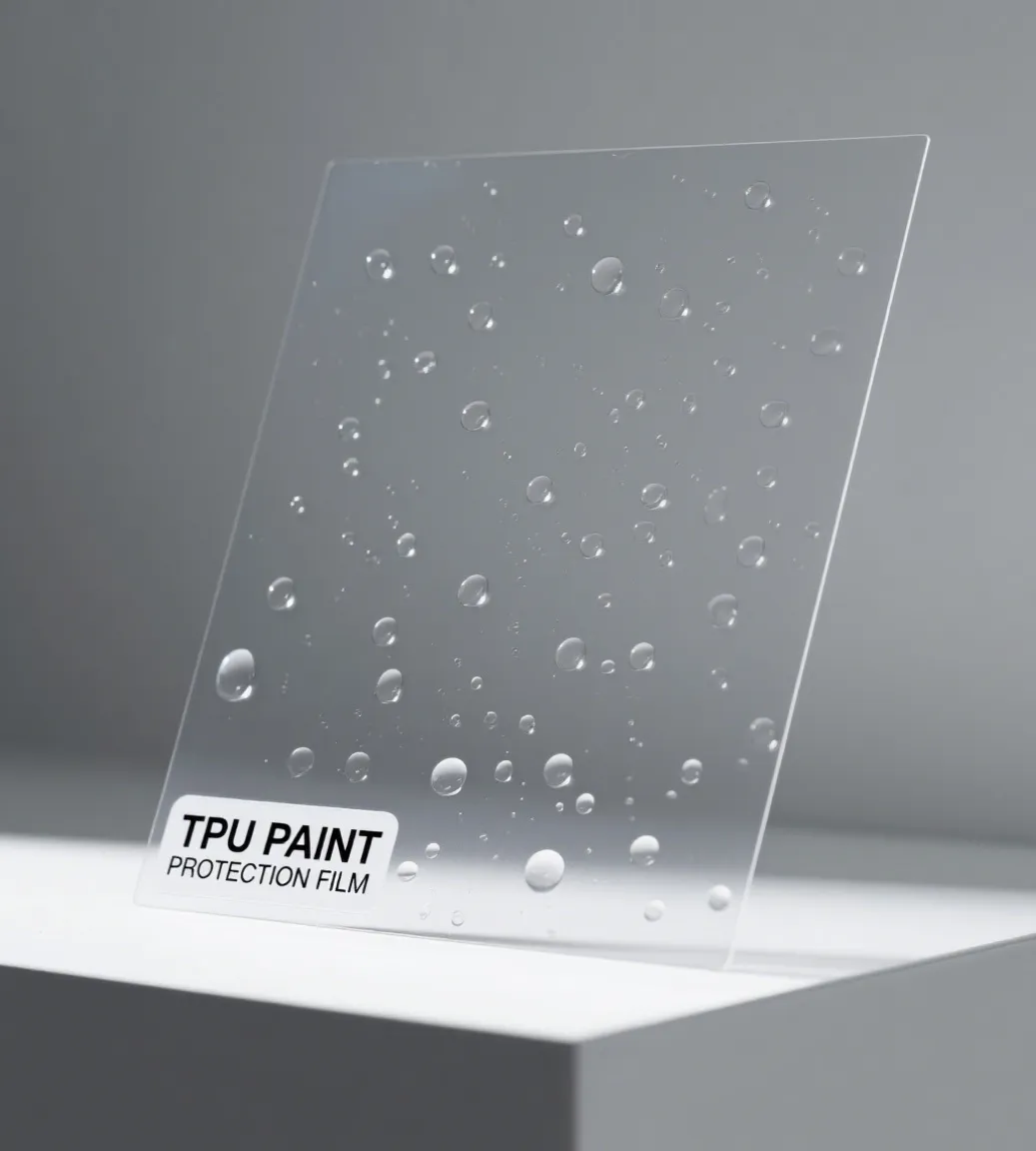
A comprehensive industry analysis of advanced thermoplastic polyurethane technology for modern vehicle preservation.
The Evolution of Vehicle Surface Safeguarding
In the modern automotive industry, the pursuit of perfection extends far beyond the mechanical performance of a vehicle. For enthusiasts and daily commuters alike, the aesthetic integrity of a car’s exterior is a symbol of value and care. This desire has led to the rapid advancement of surface protection technologies, among which **TPU paint protection film** stands as the pinnacle of achievement. Historically, car owners relied on waxes or sealants that offered only temporary relief from environmental factors. However, the introduction of thermoplastic polyurethane has revolutionized how we perceive durability. This material offers a balance of flexibility, transparency, and resilience that was previously thought impossible in a transparent thin-film application.
As urban environments become increasingly harsh, vehicles are constantly bombarded by road debris, chemical contaminants, and ultraviolet radiation. The traditional methods of paint preservation are no longer sufficient to combat these aggressive elements. The adoption of advanced film solutions has transitioned from a luxury addition for exotic supercars to an essential investment for any vehicle owner looking to maintain long-term resale value. By understanding the science behind these films, consumers and professional installers can make informed decisions that ensure the highest level of protection without compromising the original visual appeal of the vehicle’s factory finish.
Understanding the Chemistry of TPU Paint Protection Film
The superior performance of **TPU paint protection film** is rooted in its unique molecular structure. Unlike rigid plastics, Thermoplastic Polyurethane is an elastomeric polymer that possesses both plastic and rubber-like properties. This duality allows the film to absorb kinetic energy from flying pebbles or road salt, dispersing the force rather than allowing it to penetrate the paint layer. Most high-end films utilize aliphatic TPU, which is chemically formulated to resist yellowing and degradation when exposed to sunlight. This is a critical distinction from aromatic compounds used in lower-grade films, which often become brittle and discolored over time due to photochemical reactions.
The construction of a premium film typically involves multiple layers, each serving a distinct functional purpose. At the top sits the clear coat layer, often infused with self-healing properties. Below this is the primary TPU core, which provides the bulk of the impact resistance and elasticity. Finally, a pressure-sensitive adhesive (PSA) ensures a secure bond to the vehicle surface without causing damage upon eventual removal. This sophisticated layering system ensures that the film remains virtually invisible while providing a sacrificial barrier that takes the brunt of daily wear and tear. The result is a finish that remains as vibrant as the day it left the showroom floor, regardless of the miles traveled.
Furthermore, the thermal stability of this material is unmatched. It can withstand significant temperature fluctuations without expanding or contracting excessively, which prevents the edges from lifting—a common failure point in inferior products. Engineers have optimized the surface energy of the top coat to be hydrophobic, meaning water and dirt are repelled with ease. This "easy-clean" characteristic not only keeps the vehicle looking cleaner for longer but also reduces the physical effort required during routine maintenance, preventing the swirl marks often caused by aggressive washing.
The Science of Self-Healing and Durability
One of the most remarkable features of a modern **TPU paint protection film** is its ability to "self-heal." This is not magic, but rather a manifestation of polymer memory and heat reactivity. When the surface of the film receives minor scratches or swirl marks—common from improper washing or light abrasions—the top coat can return to its original state when exposed to heat. This heat can come from the sun's rays, warm water, or even the vehicle's engine. At a microscopic level, the polymer chains are designed to be fluid enough to reorganize and fill in the gaps created by the scratch, effectively erasing the damage and restoring the glossy finish.
Durability is also measured by the film's resistance to chemical staining and bird droppings. Traditional paint is porous, meaning acidic contaminants can etch into the clear coat if not removed immediately. A high-quality TPU barrier acts as a non-porous shield, preventing these substances from reaching the paint. This chemical resilience is vital for vehicles parked outdoors or driven in areas with heavy industrial fallout. By providing a barrier that is resistant to solvents, oils, and alkaline cleaners, the film ensures that the underlying paint remains uncontaminated and pristine for years.
In addition to physical protection, the optical clarity of the film is a major technological hurdle that has been successfully overcome. Professional-grade films offer a "zero-orange peel" finish, meaning they do not distort the reflection of the paint underneath. This is achieved through precision manufacturing processes that ensure uniform thickness across the entire roll. When applied correctly by a skilled professional, the film is completely indistinguishable from the factory clear coat, enhancing the depth and shine of the paint rather than dulling it.
Comparing TPU with PVC and PET Alternatives
When exploring the market for automotive protection, it is common to encounter cheaper alternatives like PVC (Polyvinyl Chloride) or PET (Polyethylene Terephthalate). While these materials may look similar at first glance, they lack the fundamental properties that make **TPU paint protection film** the industry standard. PVC is a rigid material that requires plasticizers to become flexible. Over time, these plasticizers leach out, causing the film to harden, crack, and turn yellow. Furthermore, PVC does not possess self-healing capabilities, meaning any scratches it receives are permanent and will eventually lead to a degraded appearance.
PET films, while offering high clarity and hardness, are generally too stiff for the complex curves and contours of modern vehicle bodies. They are better suited for flat glass applications or screen protectors. In contrast, the high elongation properties of TPU allow it to be stretched and contoured around bumpers, mirrors, and door handles with ease. This conformability ensures a seamless installation without the need for excessive seams or relief cuts, which can harbor dirt and detract from the vehicle's aesthetics.
The long-term value proposition of TPU far outweighs its higher initial cost. A car protected with TPU maintains its original paint quality, which can significantly increase its value at the time of resale or trade-in. Prospective buyers are often willing to pay a premium for a vehicle that shows no signs of rock chips or environmental wear. Furthermore, the cost of repainting a single panel can often exceed the cost of applying film to the entire front end of a vehicle, making it a proactive and financially sound decision for any car owner.
Excellence in Manufacturing: The Huanlong Advantage
At Huanlong, we have dedicated ourselves to perfecting the science of film extrusion and polymer engineering. Our commitment to quality is evident in our state-of-the-art manufacturing processes, particularly at our recently opened Lishui production base. This facility represents the cutting edge of industrial capability, allowing us to produce high-performance base films that meet the rigorous demands of the global automotive market. By controlling the entire production chain, from raw material selection to final inspection, we ensure that every meter of film we deliver meets the highest standards of clarity and durability.
Our TPU paint protection film solutions are engineered for installers who refuse to compromise. We understand the challenges of the application process, which is why our films are designed with optimal tack and repositionability. This focus on "installer-friendly" technology ensures a bubble-free finish and clean edges every time. Beyond automotive applications, our expertise extends to specialized industries, including medical grade materials and functional textiles, showcasing the versatile nature of our TPU formulations.
Choosing Huanlong means partnering with a leader in innovation. Our R&D team is constantly exploring new ways to enhance the UV resistance and hydrophobicity of our products. We invite you to explore our full range of advanced TPU products and discover how our engineering excellence can protect your assets. Whether you are looking for automotive solutions or industrial-grade films, Huanlong provides the reliability and performance necessary for success in a competitive landscape.
Conclusion: The Future of Car Care
The automotive world is shifting towards a model of sustainability and long-term preservation. In this context, **TPU paint protection film** is no longer just an accessory; it is a fundamental component of modern vehicle maintenance. By offering a high-tech shield against the elements, it allows car owners to enjoy their vehicles to the fullest without the constant anxiety of road damage. As technology continues to evolve, we can expect even greater advancements in film thickness, self-healing speed, and ease of installation.
Investing in a high-quality TPU solution is a testament to an owner's commitment to quality. By choosing a brand like Huanlong, you are benefiting from years of expertise and a passion for material science. The road ahead may be unpredictable, but with the right protection, your vehicle's finish doesn't have to be. Protect your investment, preserve your paint, and drive with confidence knowing that you have the best the industry has to offer.
Ready to elevate your vehicle protection?
Contact our experts today for a professional consultation and custom solutions.
Contact Us NowFrequently Asked Questions
Q1: How long does a typical TPU paint protection film last?
When properly maintained, a high-quality TPU film can last anywhere from 5 to 10 years. Factors such as the quality of the installation, environmental exposure, and the frequency of cleaning play a role in its longevity. Brands like Huanlong use aliphatic TPU, which significantly extends the lifespan by preventing the film from yellowing or becoming brittle under intense UV exposure.
Q2: Will the TPU paint protection film damage my factory paint?
No, a professionally manufactured film is designed to be safe for factory-cured paint. The pressure-sensitive adhesive is formulated to create a strong bond while remaining removable. When it is time to replace the film, it can be peeled away without leaving residue or pulling the paint, provided the paint was in good condition and original from the factory during application.
Q3: Can I wax or ceramic coat my TPU paint protection film?
Yes, you can apply waxes or ceramic coatings specifically designed for PPF. In fact, applying a ceramic coating over your **TPU paint protection film** can enhance its hydrophobic properties and make it even easier to clean. However, it is important to avoid waxes that contain dyes or abrasive polishes, as these can stain the edges of the film or damage the self-healing top coat.
Q4: How does the self-healing feature of TPU paint protection film work?
The self-healing feature works through the elastomeric properties of the top coat. The polymers have a "memory" of their original flat state. When a light scratch occurs, the material is displaced but not removed. When heat is applied (via sunlight or hot water), the polymers soften and return to their original configuration, effectively closing the scratch and restoring the surface finish.
Q5: Is it worth the cost to install TPU paint protection film on a daily driver?
Absolutely. Daily drivers are most susceptible to road debris, shopping cart dings, and environmental pollutants. By installing a protective film, you ensure that the car remains in peak condition despite the rigors of everyday use. This not only makes the car more enjoyable to own but also protects your financial investment by significantly increasing its future resale value compared to a car with damaged paint.