
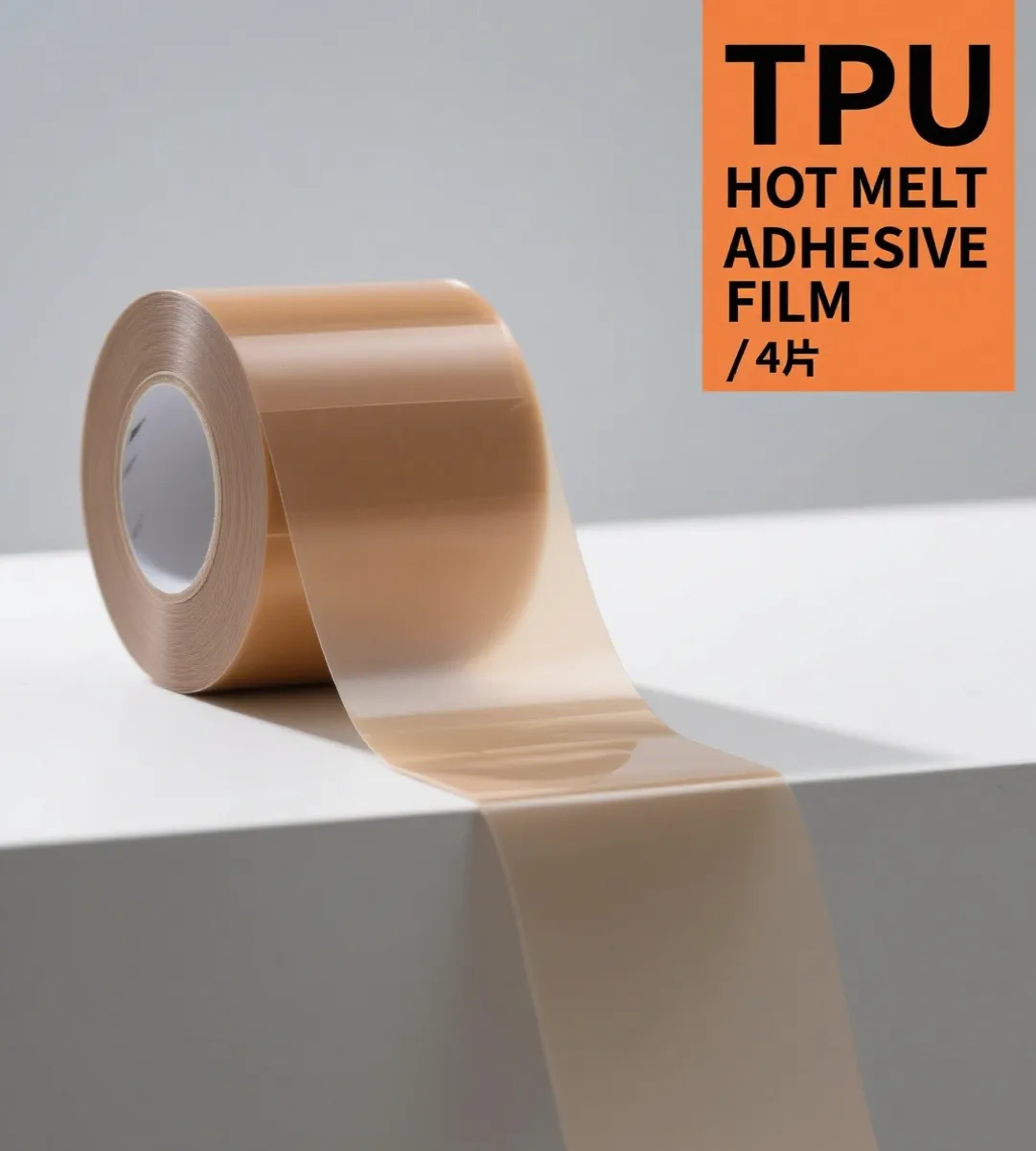
A comprehensive professional guide into the bonding technologies shaping the future of functional fabrics and smart vehicle interiors.
Introduction to Advanced Bonding Solutions
The industrial landscape is undergoing a significant shift toward materials that combine durability with environmental sustainability. At the forefront of this evolution is the TPU hot melt adhesive film, a thermoplastic polyurethane-based bonding agent that has redefined the standards of adhesion in high-performance sectors. Unlike traditional liquid glues or solvent-based adhesives, these films provide a clean, efficient, and highly controllable bonding method. They are solid at room temperature and activate under heat, allowing manufacturers to achieve precision bonding without the messy residue or hazardous emissions associated with chemical adhesives.
Huanlong has pioneered the integration of these materials into complex supply chains, ensuring that the TPU hot melt adhesive film meets the rigorous demands of modern engineering. Whether it is the soft touch required for intimate apparel or the structural integrity needed for automotive roof membranes, the versatility of TPU is unmatched. As industries strive for carbon neutrality and circular economy models, the recyclable nature of thermoplastic polyurethane makes it an indispensable asset. This guide explores the deep technical nuances and practical applications of this transformative material across the textile and automotive industries.
The Science of TPU Hot Melt Adhesive Film
Understanding the performance of TPU hot melt adhesive film requires a look into its molecular structure. Thermoplastic polyurethane is a block copolymer consisting of alternating sequences of hard and soft segments. The hard segments provide the structural strength and thermal resistance, while the soft segments contribute to the elasticity and low-temperature flexibility. This unique combination allows the film to bond effectively to a wide variety of substrates, including synthetic fabrics, leather, foams, and metals. The melting range of these films can be customized during the manufacturing process, typically ranging from 80°C to 160°C, providing flexibility for different processing environments.
One of the primary technical advantages is the film's excellent "washability" and chemical resistance. In the world of functional textiles, garments must withstand repeated laundering and exposure to detergents without losing bond strength. The TPU hot melt adhesive film creates a cross-linked structure that maintains its grip even under significant mechanical stress. Furthermore, the film is available in various thicknesses and breathability levels. High-vapor transmission films are particularly valued in the medical and outdoor apparel sectors, where moisture management is critical for user comfort and safety. By choosing the right thickness and formulation, engineers can balance adhesive strength with the desired hand-feel of the finished product.
Revolutionizing the Textile and Apparel Industry
The textile industry has moved far beyond simple sewing and stitching. The modern demand for seamless garments, waterproof outdoor gear, and high-performance athletic wear has made the TPU hot melt adhesive film a staple in garment construction. In the "seamless" revolution, these films replace traditional threads, reducing skin irritation caused by bulky seams and creating a sleek, aerodynamic profile. This is particularly evident in the production of high-end yoga wear, underwear, and professional cycling jerseys. The film provides a bond that is as flexible as the fabric itself, ensuring that the garment moves naturally with the human body.
Beyond aesthetics, functionality is the key driver for TPU usage. In the production of waterproof and breathable jackets, TPU films are used to seal seams and laminate functional membranes to outer shells. This ensures that moisture from rain is kept out while allowing perspiration to escape. Manufacturers like Huanlong provide specialized solutions that maintain their integrity even in extreme cold or humid tropical environments. The film also plays a vital role in decorative applications, such as heat-transfer logos, pocket reinforcements, and reflective tapes. By using TPU hot melt adhesive film, designers can achieve complex geometries and multi-layered fabric constructions that were previously impossible with mechanical fastening methods.
Enhancing Automotive Interiors and Durability
In the automotive sector, the push for "Smart Cabins" and lightweight construction has led to an increased reliance on TPU hot melt adhesive film. Modern vehicle interiors are complex environments where fabrics, leathers, and foams must be bonded to rigid plastic substrates like door panels, dashboards, and seating frames. Traditional adhesives often emit Volatile Organic Compounds (VOCs), which contribute to the "new car smell" and can be harmful over long-term exposure. TPU films offer a low-VOC alternative, significantly improving the air quality within the cabin and meeting strict environmental regulations in markets like the EU and North America.
The durability of automotive components is paramount. Vehicle interiors are subjected to extreme temperature fluctuations, from the freezing cold of winter to the intense heat of a car parked in the sun. TPU hot melt adhesive film excels in these conditions, providing high peel strength and resistance to thermal degradation. In automotive seating systems, these films are used to bond heating elements and foam layers to seat covers, ensuring a smooth finish without wrinkles or delamination. Furthermore, the acoustic properties of TPU films help in dampening noise and vibration, contributing to a quieter and more comfortable driving experience. As vehicles transition toward autonomous and electric platforms, the demand for high-performance adhesive films in sensory-integrated interior surfaces continues to grow.
Why Choose Huanlong for Your Adhesive Needs?
Huanlong is a global leader in the development and production of high-performance thermoplastic polyurethane solutions. Our state-of-the-art Lishui production base is equipped with the latest extrusion and coating technologies, allowing us to maintain rigorous quality control over every roll of film we produce. We understand that every industry has unique requirements, which is why we offer a diverse range of TPU hot melt adhesive film variants tailored to specific substrates and processing conditions.
Our competitive advantage lies in our deep technical expertise and commitment to innovation. Huanlong products are engineered to provide superior bonding strength, excellent flexibility, and environmental sustainability. From medical-grade films used in wound care to heavy-duty industrial films for roofing and construction, our portfolio covers the full spectrum of modern application needs. We don't just sell products; we provide comprehensive solutions, including technical consulting on temperature settings, pressure requirements, and material compatibility to ensure our clients achieve the best possible results in their manufacturing processes.
Superior Quality
Stringent testing and advanced manufacturing ensure consistent bond strength.
Global Reach
With multiple production bases, we serve clients across all continents.
Eco-Friendly
Our TPU solutions are 100% recyclable and low-VOC for a greener future.
Final Thoughts on Future Bonding Trends
The transition toward more efficient, sustainable, and high-performance manufacturing is unstoppable. The TPU hot melt adhesive film has proven itself to be more than just a bonding agent; it is a catalyst for design innovation. By enabling seamless construction in textiles and high-durability, low-emission interiors in cars, this material addresses the most pressing challenges of modern production. As technology advances, we can expect even more specialized films—those with antimicrobial properties, conductive capabilities for smart textiles, and even faster bonding cycles for high-speed industrial automation.
For manufacturers looking to stay competitive, adopting these advanced adhesive technologies is no longer optional. Partnering with a reliable supplier like Huanlong ensures that you have access to the latest material science developments and the technical support needed to implement them successfully. Whether you are designing the next generation of athletic footwear or engineering the cockpit of an electric vehicle, the right adhesive film will be the silent partner that holds your vision together.
Ready to Elevate Your Production Quality?
Contact Huanlong today to request a sample or consult with our experts about your specific bonding requirements.
Contact Us NowFrequently Asked Questions
Q1: What are the primary benefits of using TPU hot melt adhesive film in textiles?
The primary benefits include a soft and flexible hand-feel, excellent washability, and the ability to create seamless designs. Unlike sewing, the TPU hot melt adhesive film distributes stress evenly across the bond area, reducing fabric fatigue and enhancing the garment's lifespan while providing a sleek, modern aesthetic.
Q2: How does TPU hot melt adhesive film improve automotive interior durability?
In the automotive sector, this film provides exceptional resistance to high temperatures and humidity, which are common inside vehicles. The TPU hot melt adhesive film ensures that seat covers, dashboards, and door panels remain securely bonded even after years of exposure to environmental stress, all while maintaining low VOC emissions for a healthier cabin air quality.
Q3: Is TPU hot melt adhesive film environmentally friendly?
Yes, it is considered one of the most eco-friendly bonding solutions available. Since the TPU hot melt adhesive film is a thermoplastic material, it is 100% recyclable. Additionally, the bonding process is solvent-free, which eliminates the release of toxic chemicals during manufacturing, making it a preferred choice for sustainable brands.
Q4: What is the ideal processing temperature for TPU hot melt adhesive film?
The ideal temperature depends on the specific grade of the film but typically ranges between 110°C and 150°C. It is crucial to match the melting point of the TPU hot melt adhesive film with the heat sensitivity of the substrate to ensure a strong bond without damaging the fabric or material being bonded.
Q5: How does Huanlong ensure the quality of its TPU hot melt adhesive film?
Huanlong employs a rigorous quality management system at our Lishui production base. We test our TPU hot melt adhesive film for peel strength, thermal stability, and aging resistance. By controlling the entire manufacturing process from raw material selection to final extrusion, we guarantee consistent performance for our global clients.