
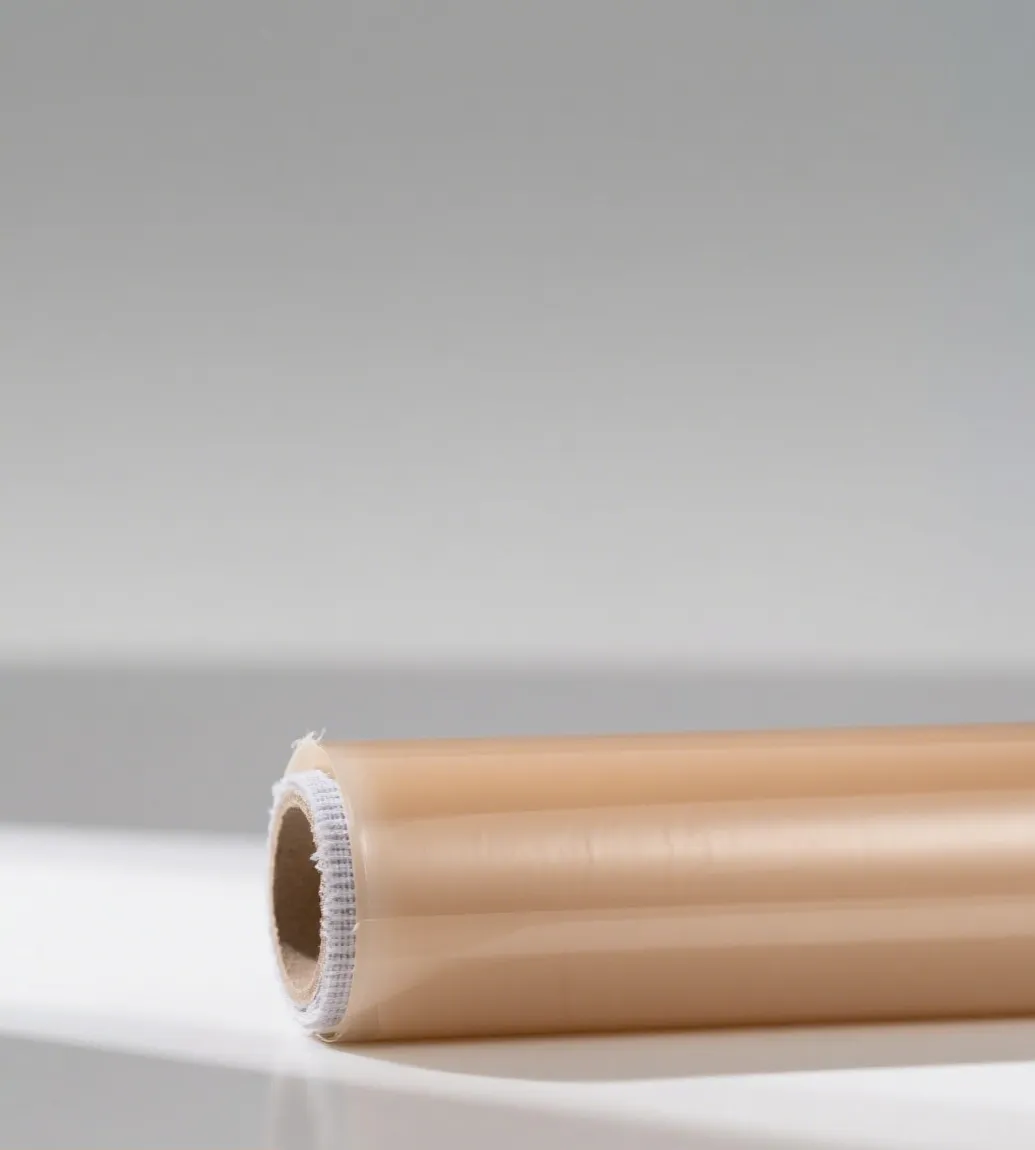
The Evolution of Industrial Bonding with TPU Hot Melt Adhesive Film
In the modern manufacturing landscape, the demand for bonding solutions that combine strength, flexibility, and environmental sustainability has never been higher. Traditional solvent-based adhesives are increasingly being phased out due to their high volatile organic compound (VOC) emissions and complex application processes. This shift has placed tpu hot melt adhesive film at the forefront of industrial innovation. This thermoplastic polyurethane-based material offers a solvent-free, eco-friendly alternative that provides exceptional bond strength across a wide variety of substrates, including textiles, leathers, foams, and plastics.
The unique properties of tpu hot melt adhesive film stem from its molecular structure, which allows it to transition from a solid state to a molten state upon the application of heat and then solidify quickly as it cools. This rapid curing process not only speeds up production lines but also ensures a clean, uniform bond that is difficult to achieve with liquid glues. As industries like automotive, footwear, and medical manufacturing continue to push the boundaries of product design, understanding the nuances of this material becomes essential for engineers and product developers seeking long-term reliability and performance.
In this comprehensive guide, we will delve deep into the technical characteristics, diverse applications, and strategic advantages of using tpu hot melt adhesive film. We will also explore how leading manufacturers like Huanlong are pioneering new formulations to meet the rigorous demands of global markets, ensuring that every bond is as durable as the materials it connects.
The Science and Chemistry Behind TPU Hot Melt Adhesive Film
Thermoplastic Polyurethane (TPU) is a unique class of polyurethane plastics with many properties, including elasticity, transparency, and resistance to oil, grease, and abrasion. When processed into a tpu hot melt adhesive film, these characteristics are harnessed to create a bonding medium that performs under extreme conditions. The chemistry involves a linear segmented block copolymer composed of hard and soft segments. The hard segments contribute to the material's strength and thermal resistance, while the soft segments provide the necessary flexibility and elongation.
One of the most critical aspects of tpu hot melt adhesive film is its melting point range. Depending on the specific formulation, the activation temperature can range from as low as 60 degrees Celsius to over 150 degrees Celsius. This wide window allows manufacturers to select a film that matches the heat sensitivity of their base materials. For instance, delicate fabrics used in premium apparel require low-melt films to prevent thermal damage, while automotive interior components might require high-melt films to withstand the intense heat found in a vehicle cabin during summer months.
Beyond thermal properties, the crystallization rate of the film plays a pivotal role in production efficiency. A fast-crystallizing tpu hot melt adhesive film ensures that parts can be handled almost immediately after bonding, reducing the need for extensive clamping or long drying racks. Furthermore, the film's resistance to hydrolysis and UV exposure makes it an ideal choice for outdoor functional products, where environmental degradation is a primary concern. Understanding these chemical foundations allows engineers to optimize their bonding processes for maximum durability and aesthetic finish.
Key Manufacturing Benefits and Efficiency Gains
Implementing tpu hot melt adhesive film into a production line offers several quantifiable advantages over traditional bonding methods. First and foremost is the precision of application. Unlike liquid adhesives that can spill, drip, or be applied unevenly, film adhesives provide a consistent thickness across the entire bonding surface. This eliminates "weak spots" and ensures that every product manufactured meets the same high-quality standards.
Process automation is another significant benefit. TPU films can be pre-applied to substrates through lamination, allowing for "dry" assembly further down the production line. This is particularly useful in the footwear industry, where complex shoe upper components are bonded together in rapid succession. The use of tpu hot melt adhesive film reduces labor costs and minimizes waste, as there is no need to mix glues or clean up excess adhesive residue.
Environmental Compliance: Being 100% solid and solvent-free, these films help manufacturers comply with strict environmental regulations like REACH and RoHS.
Superior Breathability: When used in a web or perforated form, tpu hot melt adhesive film maintains the breathability of the bonded fabrics, which is essential for sportswear.
Washability and Dry Cleaning Resistance: The chemical bond formed is highly resistant to water and detergents, making it perfect for the garment industry.
Furthermore, the aesthetic appeal of the finished product is greatly enhanced. Since the film is transparent and incredibly thin (often measured in microns), it does not add bulk or stiffness to the materials. This "invisible bond" is a hallmark of high-end luxury goods and technical outdoor gear. By reducing the overall weight of the assembly, tpu hot melt adhesive film also contributes to the lightweighting trends seen in the automotive and aerospace sectors.
Diverse Industrial Applications: From Automotive to Medical
The versatility of tpu hot melt adhesive film allows it to serve a vast array of industries, each with its own set of performance requirements. In the automotive sector, these films are used extensively for laminating interior fabrics to foam backings, bonding door panels, and assembling headliners. The ability of the film to maintain its integrity under high-vibration and temperature-fluctuating environments is vital for vehicle longevity.
In the medical field, biocompatibility and sterilization resistance are paramount. TPU films are used to create waterproof yet breathable barriers for surgical gowns, wound dressings, and inflatable medical devices. Because tpu hot melt adhesive film does not contain sensitizing chemicals found in some liquid adhesives, it is safer for skin-contact applications. Its soft touch and flexibility ensure that medical garments remain comfortable for patients and healthcare providers alike.
The footwear and apparel industries perhaps represent the largest volume of use. From seamless t-shirts and waterproof zippers to the structural reinforcement of athletic shoes, tpu hot melt adhesive film enables designers to create sleek, modern silhouettes that were previously impossible with traditional stitching. The film acts as both a structural component and a bonding agent, providing a multi-functional solution that simplifies the supply chain. Even in industrial settings, such as conveyor belt manufacturing, these films provide the abrasion resistance and high-tensile strength needed to handle heavy loads and harsh chemicals.
Selecting the Right TPU Hot Melt Adhesive Film for Your Needs
Choosing the optimal tpu hot melt adhesive film requires a careful analysis of the specific application's requirements. The first factor to consider is the substrate material. Is it a high-energy surface like metal or a low-energy surface like certain plastics? TPU films can be engineered with specific polarities to improve adhesion to difficult-to-bond materials. Second, the thickness of the film must be calibrated. Thicker films (100-200 microns) are better for rough or porous surfaces that require "gap-filling," while thinner films (20-50 microns) are ideal for lightweight textiles.
Temperature sensitivity is the third major consideration. If the substrates are heat-sensitive, a low-temperature activation film is necessary. However, if the finished product will be used in a high-heat environment, such as an engine compartment, a high-softening-point film must be selected to prevent bond failure. Working with a knowledgeable supplier who can provide technical data sheets and conduct peel-strength testing is the best way to ensure success.
Another often-overlooked factor is the "open time" or "tack time." This is the duration the adhesive remains molten and bondable after heating. For automated, high-speed processes, a short open time is usually preferred. For manual assembly where parts must be carefully aligned, a longer open time provides the necessary flexibility for the operator. By fine-tuning these parameters, manufacturers can achieve a perfect balance between production speed and bond quality.
Why Huanlong is Your Premier Partner for TPU Solutions
As a leader in the thermoplastic polyurethane industry, Huanlong has dedicated years of research and development to perfecting our range of adhesive solutions. We understand that each project comes with unique challenges, which is why we offer a diverse portfolio of tpu hot melt adhesive film options tailored to specific industrial needs. From our state-of-the-art Lishui production base, we utilize advanced extrusion technology to ensure every roll of film meets stringent global quality standards.
Our expertise extends beyond simple manufacturing. We provide comprehensive technical support to help our clients integrate our films into their processes. Whether you are developing advanced automotive seat systems that require durable bonding or specialized medical film for life-saving equipment, Huanlong has the material science background to deliver. We pride ourselves on our commitment to sustainability, offering eco-friendly TPU options that reduce the environmental footprint of your final products.
Our product range includes high-breathability films, aromatic and aliphatic variants for UV stability, and customized melt-index formulations. By choosing Huanlong, you are not just buying a material; you are gaining a strategic partner dedicated to improving your product's performance and manufacturing efficiency. Explore our full range of solutions and see how our innovation can drive your success.
Frequently Asked Questions
Q1: What are the primary advantages of tpu hot melt adhesive film in textile lamination?
The primary advantages include its ability to provide a soft, flexible bond that doesn't compromise the fabric's hand-feel. It offers excellent washability, is entirely solvent-free, and can be used to create waterproof barriers while maintaining breathability in technical apparel.
Q2: How does tpu hot melt adhesive film improve automotive interior durability?
In automotive interiors, tpu hot melt adhesive film provides superior resistance to temperature fluctuations and humidity. It ensures that bonded components, such as seat covers and door panels, do not delaminate even after years of exposure to harsh cabin conditions, maintaining the vehicle's aesthetic and structural integrity.
Q3: Is tpu hot melt adhesive film suitable for medical-grade applications?
Yes, tpu hot melt adhesive film is widely used in the medical industry. It is often biocompatible, non-irritating to the skin, and resistant to common sterilization methods. It is an ideal material for surgical gowns, blood pressure cuffs, and wound care products where a secure, sterile bond is required.
Q4: What is the ideal activation temperature for tpu hot melt adhesive film?
The ideal activation temperature depends on the specific formulation, but it generally ranges between 80 and 120 degrees Celsius for most standard applications. However, specialty films are available for low-temperature bonding (60 degrees Celsius) or high-heat resistance requirements (over 150 degrees Celsius).
Q5: Why is Huanlong the preferred supplier for tpu hot melt adhesive film?
Huanlong is preferred because of our vertically integrated manufacturing, high-quality standards, and deep technical expertise. We offer customized solutions, exceptional consistency across batches, and a strong focus on sustainable manufacturing practices that help our clients meet their green initiatives.
Ready to Elevate Your Bonding Process?
Whether you are looking to improve production efficiency, enhance product durability, or transition to more eco-friendly materials, our tpu hot melt adhesive film is the solution you need. Trust Huanlong to provide the performance and reliability your brand deserves.