
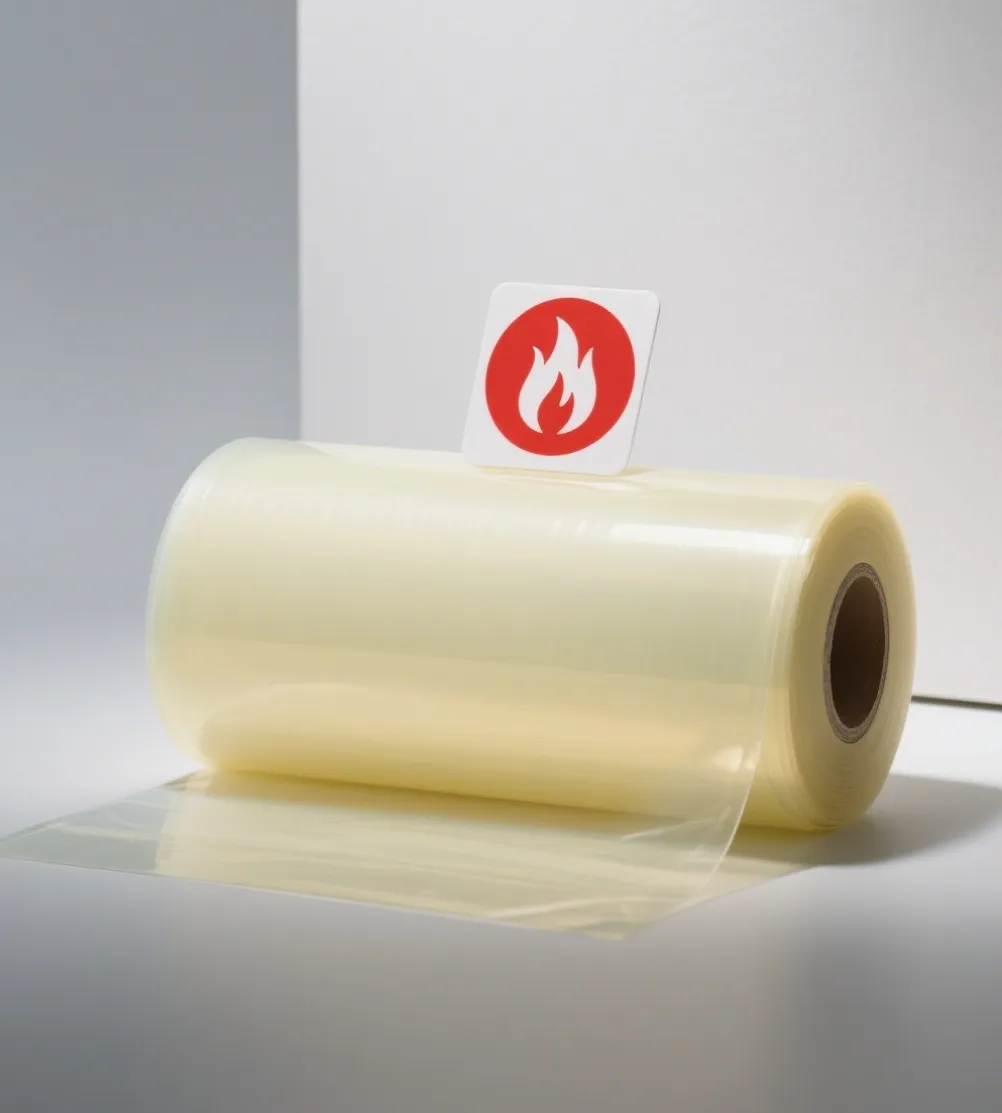
The Evolution of High-Performance Polymers
In the landscape of modern material science, few substances offer the versatility and resilience of thermoplastic polyurethane TPU film. This advanced polymer bridges the gap between flexible rubbers and rigid plastics, providing a unique set of mechanical properties that make it indispensable across a multitude of industries. As global manufacturing moves toward more sustainable and high-performance solutions, understanding the nuances of this material becomes critical for engineers, designers, and procurement specialists alike.
At its core, thermoplastic polyurethane TPU film is recognized for its extraordinary elasticity, transparency, and resistance to environmental stressors such as oil, grease, and abrasion. Unlike traditional PVC, which often requires plasticizers to achieve flexibility, TPU is inherently flexible due to its molecular structure. This structural advantage ensures that the material remains stable over time, maintaining its physical integrity even in the most demanding environments, from high-speed automotive components to life-saving medical devices.
Huanlong has emerged as a leader in optimizing these films for specific industrial challenges. By focusing on the chemical composition—balancing hard and soft segments—Huanlong ensures that every roll of thermoplastic polyurethane TPU film delivers consistent performance. Whether the goal is to protect a vehicle's exterior or provide a breathable barrier for medical dressings, the fundamental characteristics of TPU offer a reliable foundation for innovation.
Fundamental Properties and Chemical Excellence
The superior performance of thermoplastic polyurethane TPU film stems from its linear segmented block copolymers. These consist of alternating hard segments (isocyanates) and soft segments (polyols). This unique chemistry allows for precise tuning; by adjusting the ratio of these segments, manufacturers can create films that range from extremely soft and rubbery to rigid and tough. This adaptability is the primary reason why TPU is replacing traditional materials in high-stakes engineering applications.
One of the standout features of this material is its exceptional abrasion resistance. In industrial settings where friction is constant, thermoplastic polyurethane TPU film outlasts many other thermoplastics, reducing maintenance costs and extending the lifecycle of the final product. Furthermore, its low-temperature flexibility is unmatched. While many polymers become brittle and crack in freezing conditions, TPU retains its elasticity, making it the ideal choice for outdoor gear and aerospace components.
Chemical stability is another cornerstone of TPU technology. The material is highly resistant to hydrocarbons, making it perfect for industrial hoses and seals that come into contact with oils and fuels. Additionally, certain grades of thermoplastic polyurethane TPU film are formulated to resist UV radiation and hydrolysis, ensuring that the film does not yellow or lose its structural strength when exposed to sunlight or moisture over long periods. This makes it a preferred choice for roofing membranes and architectural structures.
Innovating Automotive Protection and Interior Comfort
The automotive industry is perhaps one of the most prominent beneficiaries of thermoplastic polyurethane TPU film technology. One of its most well-known applications is Paint Protection Film (PPF). This transparent layer is applied to a vehicle's exterior to guard against rock chips, scratches, and chemical stains. Aliphatic TPU, specifically, is used for its "self-healing" properties, where minor scratches disappear when exposed to heat, maintaining the vehicle's pristine appearance for years.
Beyond exterior protection, TPU films are revolutionizing the "smart cabin" experience. In modern automotive seating systems, these films are used to enhance comfort and durability. They act as a barrier and a structural component in seat cushions and pneumatic lumbar supports. The material's high tensile strength ensures that these components can withstand thousands of cycles of inflation and deflation without failure, which is critical for the longevity of luxury vehicle interiors.
Furthermore, the drive toward lightweight vehicles has led to the adoption of TPU Foam films in footwear and interior components. By reducing weight without sacrificing strength, thermoplastic polyurethane TPU film helps automotive manufacturers meet strict fuel efficiency and emission standards. Huanlong's specialized films for automotive applications are engineered to meet these rigorous safety and performance standards, providing a reliable solution for the next generation of electric and autonomous vehicles.
Medical Grade TPU for Healthcare Excellence
In the healthcare sector, the requirements for materials are exceptionally stringent. Thermoplastic polyurethane TPU film is widely adopted here because of its biocompatibility, breathability, and resistance to sterilization processes. It is a common material in the production of wound dressings, where it serves as a waterproof but vapor-permeable barrier. This allows the skin to breathe and moisture to escape while preventing bacteria and liquid water from entering the wound site.
Medical devices such as pressure-relief mattresses, surgical drapes, and fluid bags also rely on the durability of TPU. The film's ability to be high-frequency welded or heat-sealed ensures that medical containers are leak-proof and capable of holding sensitive fluids safely. Unlike PVC, TPU does not contain phthalates or other harmful leaching agents, making it a safer choice for both patients and the environment.
Huanlong understands the importance of precision in medical manufacturing. Our medical-grade thermoplastic polyurethane TPU film is produced in controlled environments to ensure purity and consistency. From orthopedic supports to diagnostic equipment covers, the material provides the necessary balance of softness for patient comfort and strength for clinical reliability. As the medical industry shifts toward more sustainable practices, the recyclability of TPU also offers an advantage over disposable thermoset materials.
Industrial Applications and Sustainable Design
Industrial applications of thermoplastic polyurethane TPU film are vast and varied. In the construction industry, it is used for high-performance roofing membranes and building structures. Its ability to be laminated with fabrics creates a composite material that is both weather-resistant and structurally sound. For heavy-duty material handling, TPU-coated conveyor belts offer superior longevity when dealing with abrasive materials, significantly reducing downtime in manufacturing plants.
The footwear industry has also seen a paradigm shift with the introduction of TPU foam films. These materials provide exceptional cushioning and energy return for high-performance athletic shoes. Because TPU is a thermoplastic, it can be easily molded and recycled, aligning with the "circular economy" goals of major footwear brands. This sustainability factor is becoming a major selling point for thermoplastic polyurethane TPU film in consumer goods.
Sustainability is at the heart of modern TPU development. Unlike many rubber-based materials, TPU can be re-melted and re-formed, allowing for the recycling of production scrap and end-of-life products. Huanlong is committed to this green transition, developing eco-friendly thermoplastic polyurethane TPU film variants that use bio-based feedstocks. This reduces the carbon footprint of manufacturing while maintaining the high-performance characteristics that industrial users demand.
Huanlong: Your Expert in TPU Film Technology
As a professional manufacturer and solution provider, Huanlong specializes in the research, development, and production of high-quality thermoplastic polyurethane TPU film. With our state-of-the-art production base in Lishui and years of expertise in polymer science, we offer a comprehensive range of products tailored to the specific needs of the automotive, medical, and industrial sectors.
Our advantage lies in our commitment to precision and innovation. From medical grade TPU film to automotive seating solutions, we ensure that our materials meet the highest global standards for durability and safety. We don't just sell film; we provide technical consultation to help our clients choose the right material for their unique challenges.
Why Choose Huanlong?
Advanced Manufacturing: High-consistency production with rigorous quality control.
Custom Solutions: Tailored hardness, thickness, and functional properties.
Global Reach: Reliable supply chain supporting international projects.
Eco-Friendly: Focus on recyclable and sustainable material development.
Frequently Asked Questions
Q1: What are the main benefits of using thermoplastic polyurethane TPU film?
The primary benefits include exceptional abrasion resistance, low-temperature flexibility, and high tensile strength. Additionally, it is highly customizable, environmentally friendly (recyclable), and resistant to oils and chemicals, making it superior to PVC or traditional rubbers in many applications.
Q2: Is thermoplastic polyurethane TPU film safe for medical use?
Yes, TPU is highly biocompatible and does not contain plasticizers like phthalates. Medical-grade TPU films are used in everything from wound dressings to surgical drapes because they are non-toxic, skin-friendly, and can be sterilized without losing their physical properties.
Q3: How does thermoplastic polyurethane TPU film perform in automotive PPF applications?
In PPF applications, TPU provides a clear, durable barrier that protects vehicle paint from environmental damage. Its self-healing properties allow minor surface scratches to disappear under heat, and its UV resistance prevents the film from yellowing or becoming brittle over time.
Q4: Can thermoplastic polyurethane TPU film be used for outdoor textiles?
Absolutely. It is frequently laminated to fabrics for outdoor gear like raincoats, tents, and backpacks. It provides a waterproof layer that is also breathable (allowing vapor to escape), ensuring comfort and protection in various weather conditions.
Q5: Is thermoplastic polyurethane TPU film an eco-friendly material?
Yes, compared to thermoset rubbers and PVC, TPU is much more sustainable. It is a thermoplastic, meaning it can be re-melted and recycled. Many manufacturers like Huanlong are also developing bio-based TPU to further reduce environmental impact.
Ready to Elevate Your Product Performance?
Contact Huanlong today to discuss your specific requirements for high-performance TPU films.
Get a Professional Consultation