
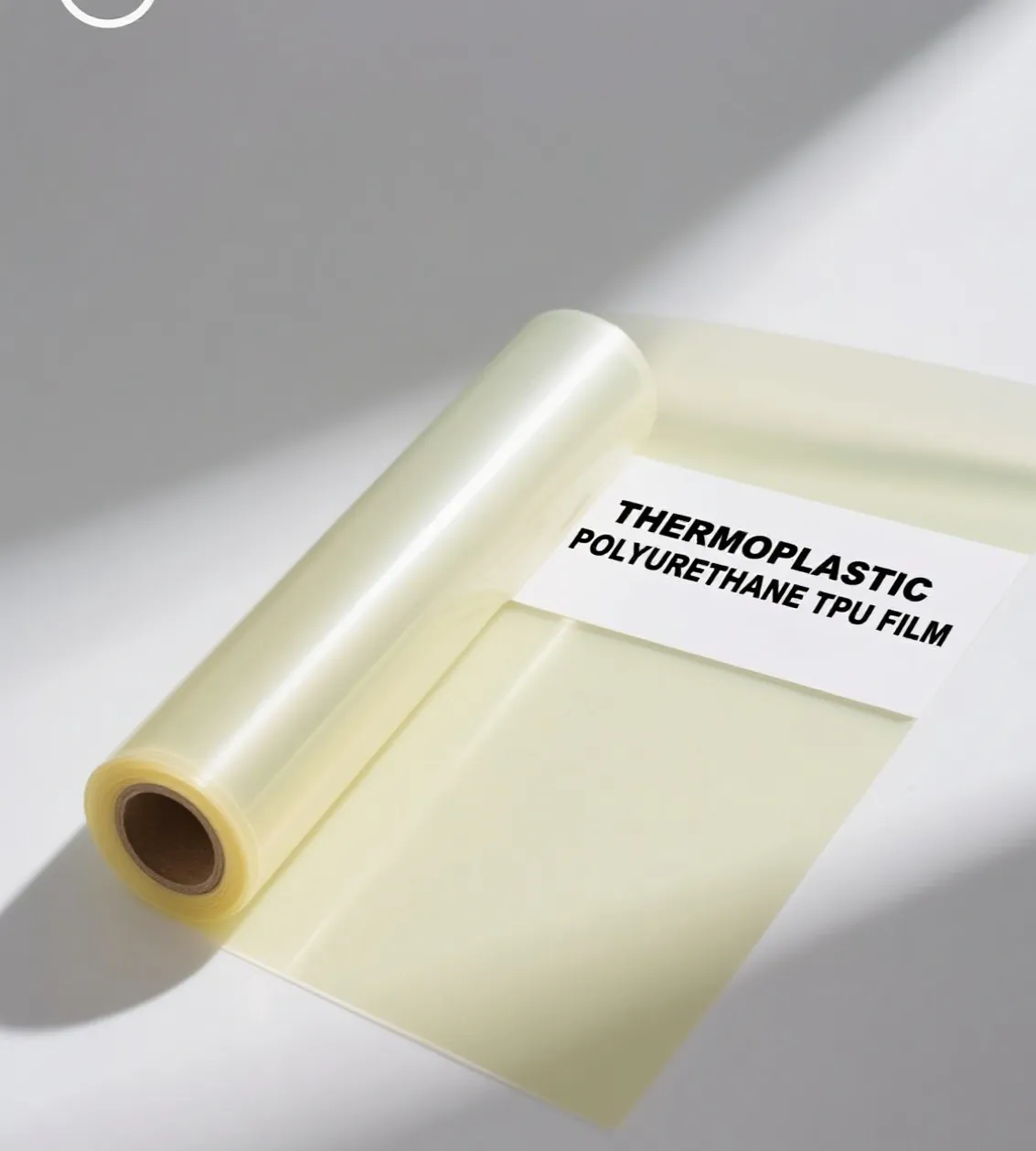
A comprehensive guide to the engineering, applications, and sustainable advantages of high-performance thermoplastic polyurethane TPU film in modern manufacturing.
Understanding the Evolution of Polymer Solutions
The landscape of material science has undergone a radical transformation over the last decade, with the emergence of advanced polymers that bridge the gap between flexible rubber and rigid plastics. At the forefront of this revolution is thermoplastic polyurethane TPU film, a material that has become indispensable across a multitude of high-stakes industries. Whether it is protecting the pristine finish of a luxury vehicle or providing a breathable barrier in life-saving medical equipment, this specific film technology offers a unique combination of mechanical strength, environmental resistance, and processing versatility.
The versatility of thermoplastic polyurethane TPU film stems from its segmented block copolymer structure. This molecular architecture allows engineers to fine-tune the material's properties by adjusting the ratio of hard and soft segments. Consequently, we see a product that can be as soft as silk for textile laminations or as tough as armor for industrial protective coatings. As global industries shift toward more sustainable and high-efficiency materials, the demand for TPU has skyrocketed, making it the preferred choice over traditional PVC or polyethylene alternatives which often lack the same level of durability and recyclability.
In this comprehensive guide, we will explore the intricate technical details that make this material so effective. We will delve into its specific applications within the automotive, medical, and construction sectors, and examine how companies like Huanlong are pushing the boundaries of what is possible with film extrusion and lamination. By understanding the core benefits and strategic implementation of these films, businesses can optimize their product performance while aligning with modern ecological standards.
The Technical Foundation of Thermoplastic Polyurethane TPU Film
To appreciate the utility of thermoplastic polyurethane TPU film, one must first understand its chemical composition. TPU is essentially a thermoplastic elastomer that combines the best characteristics of both plastics and rubbers. It is produced through a polyaddition reaction between a diisocyanate and one or more diols. This results in a material that is naturally transparent, highly elastic, and resistant to oil, grease, and abrasion. Unlike many other polymers, TPU does not require plasticizers to remain flexible, which means it does not become brittle over time or leach harmful chemicals into the environment.
There are two primary types of TPU used in film production: polyester-based and polyether-based. Polyester-based films are renowned for their exceptional resistance to oils and chemicals, as well as their superior abrasion resistance, making them ideal for heavy-duty industrial belts and protective gear. On the other hand, polyether-based films offer excellent hydrolysis resistance and microbial resistance, which is critical for applications involving constant water exposure or medical environments. This chemical diversity ensures that regardless of the environmental challenges—be it extreme UV exposure in outdoor construction or high-pressure hydraulic systems—there is a specific formulation of TPU film designed to handle the load.
Furthermore, the processing capabilities of thermoplastic polyurethane TPU film allow for various finishing techniques. It can be easily laminated to fabrics, vacuum-formed into complex shapes, or even treated with functional coatings to enhance its UV stability or anti-glare properties. This adaptability is why the material has replaced traditional materials in smart cabin systems and precision machinery components. As we look deeper into specific industrial sectors, the inherent value of these technical traits becomes even more apparent.
Automotive Excellence: From PPF to Smart Interiors
The automotive industry is perhaps the most visible consumer of thermoplastic polyurethane TPU film. The most common application is Paint Protection Film (PPF). Modern PPF utilizes aliphatic TPU technology, which is specifically engineered to resist yellowing under intense sunlight. This film acts as a self-healing "second skin" for vehicles, protecting the original paintwork from stone chips, road debris, and chemical contaminants. The high elongation properties of the film allow it to conform to the complex curves of modern car bodies without tearing or losing its protective integrity.
Beyond the exterior, TPU films are revolutionizing vehicle interiors, particularly in the realm of "smart cabins." Manufacturers are increasingly using TPU for automotive seating systems and dashboard components. Unlike PVC, which can emit volatile organic compounds (VOCs) and "fog" the interior glass, TPU is an eco-friendly alternative that maintains its tactile softness and aesthetic appeal over years of use. In seating, TPU films are used as moisture barriers and foam covers, providing a quiet, comfortable experience for passengers while protecting the internal cushioning from spills and wear.
The integration of TPU into automotive comfort systems also extends to the growing market for electric vehicles (EVs). In EVs, weight reduction is paramount for extending battery range. TPU Foam films and lightweight laminates offer a way to reduce the mass of interior components without sacrificing durability. Whether it is in the acoustic dampening materials or the protective covers for battery cooling systems, the high-performance nature of thermoplastic polyurethane TPU film ensures that the vehicle remains both efficient and luxurious.
Industrial Resilience and Heavy-Duty Applications
In the industrial sector, the mechanical requirements for materials are often extreme. This is where thermoplastic polyurethane TPU film proves its worth as a high-durability solution. For instance, in the construction of roofing and building structures, TPU-base films are laminated with fabrics to create weather-resistant membranes. These membranes are capable of withstanding high wind loads, fluctuating temperatures, and constant UV exposure, far outlasting traditional bitumen or polyethylene sheets. Their ability to remain flexible at sub-zero temperatures makes them ideal for use in harsh climates.
Manufacturing environments also utilize TPU for conveyor belts and industrial hoses. When handling abrasive materials like minerals, sand, or recycled glass, standard rubber belts can degrade rapidly. TPU-coated belts, however, offer superior abrasion resistance, reducing downtime and maintenance costs. Similarly, in hydraulic systems, TPU seals and films provide a high-pressure barrier that is resistant to hydraulic fluids and oils, ensuring the longevity and safety of the machinery. The material's low coefficient of friction can also be leveraged to improve the movement of parts in precision engineering applications.
Furthermore, the inflatable industry—ranging from emergency life rafts to large-scale architectural air domes—relies heavily on the air-retention capabilities and puncture resistance of TPU. Because the film can be radio-frequency (RF) welded or heat-sealed, it creates airtight bonds that are as strong as the material itself. This level of structural integrity is critical in safety-critical applications where failure is not an option. The transition to TPU in these sectors represents a move toward more reliable, longer-lasting industrial infrastructure.
Medical Grade Precision and Functional Textiles
The medical industry demands materials that are not only high-performing but also biocompatible and safe for human contact. thermoplastic polyurethane TPU film is a staple in medical settings due to its "breathable yet waterproof" nature. High vapor transmission films allow moisture (sweat) to escape while preventing liquid water and pathogens from entering. This makes TPU the gold standard for wound care dressings, surgical drapes, and pressure-relief mattresses. It provides a sterile environment that promotes healing while ensuring patient comfort.
In the realm of functional footwear and outdoor apparel, TPU has changed how we design high-performance gear. For outdoor enthusiasts, TPU-laminated fabrics offer the ultimate protection against the elements. Unlike earlier generations of waterproof materials that felt "crinkly" or plastic-like, modern TPU films are soft, quiet, and move with the wearer. In footwear, TPU foam film is used to create lightweight, recyclable midsoles and protective overlays that can withstand the rigors of trail running or heavy labor. The ability to recycle TPU also aligns with the growing consumer demand for "green" footwear options.
The application of TPU in the medical and textile fields highlights its versatility. Whether it is providing a soft touch for a smart-watch strap or a high-strength barrier for a blood pressure cuff, TPU delivers a level of performance that other polymers simply cannot match. Its resistance to common disinfectants and cleaning chemicals also makes it highly suitable for long-term use in hospital environments where hygiene is the top priority.
Sustainability and the Future of Eco-Friendly TPU
As global regulations regarding environmental impact become stricter, the search for sustainable material solutions has intensified. thermoplastic polyurethane TPU film stands out as an eco-friendly alternative to hazardous materials like PVC. TPU is fully recyclable; it can be melted down and re-processed into new products without losing its fundamental properties. This "closed-loop" potential is a significant advantage for brands looking to reduce their carbon footprint and adhere to circular economy principles.
Innovations in bio-based TPU are also gaining traction. These films are derived from renewable sources like corn or castor oil, further reducing the reliance on fossil fuels. Manufacturers are now able to produce high-performance films that meet the same rigorous standards as petroleum-based versions but with a significantly lower environmental impact. This is particularly important in industries like consumer electronics and fashion, where sustainability is a major selling point. By choosing TPU, companies are making a proactive choice for the planet without compromising on the quality or longevity of their products.
The future of TPU film technology lies in enhancing these green credentials while continuing to innovate in functionality. We are seeing the development of even thinner films with higher strength-to-weight ratios, as well as films with integrated conductive properties for flexible electronics. The convergence of sustainability and high-tech performance ensures that TPU will remain a cornerstone of industrial design for decades to come.
Huanlong: Your Partner in High-Performance TPU Solutions
When it comes to sourcing premium thermoplastic polyurethane TPU film, Huanlong stands as a beacon of quality and technical expertise. With years of experience in the extrusion and development of specialized films, we provide solutions that are tailored to the specific needs of our global clients. Our production facility is equipped with state-of-the-art machinery capable of producing films with precise thickness control and uniform physical properties, ensuring that every meter of film meets the highest international standards.
Our advantages lie in our commitment to R&D and customer-centric design. We don't just sell film; we provide engineering solutions. Whether you require aliphatic TPU for automotive protection or high-vapor-transmission films for medical fabrics, our team works closely with you to select the right material grade. At Huanlong, we prioritize innovation, offering a diverse range of products including foam films, breathable membranes, and eco-friendly bio-based options.
Choosing Huanlong means partnering with a company that understands the complexities of your industry. From automotive seating systems to industrial roofing, our films are designed to perform under pressure. We invite you to explore our full range of thermoplastic polyurethane TPU film products and discover how our materials can enhance your next project. Our global distribution network ensures timely delivery and support, making us the preferred choice for manufacturers worldwide.
Frequently Asked Questions
Q1: What are the primary benefits of using thermoplastic polyurethane TPU film over PVC?
Thermoplastic polyurethane TPU film offers several advantages over PVC, including superior flexibility at low temperatures, better abrasion resistance, and high tensile strength. Most importantly, TPU is an eco-friendly, recyclable material that does not contain plasticizers, meaning it is safer for medical use and does not degrade as quickly as PVC when exposed to environmental stressors.
Q2: How does thermoplastic polyurethane TPU film contribute to automotive protection?
In the automotive sector, TPU film is primarily used for Paint Protection Film (PPF). Its high elasticity allows it to be stretched over complex car body shapes, while its self-healing properties enable it to "repair" minor scratches when exposed to heat. This keeps the vehicle looking new and protects the underlying paint from rock chips and UV damage.
Q3: Is thermoplastic polyurethane TPU film suitable for medical applications?
Yes, TPU film is widely used in the medical industry. Its biocompatibility makes it safe for skin contact, and its breathable-waterproof properties are essential for wound dressings and surgical drapes. It allows moisture to pass through while blocking bacteria and liquids, creating an optimal healing environment for patients.
Q4: Can thermoplastic polyurethane TPU film be used in heavy industrial environments?
Absolutely. Due to its extreme resistance to oils, chemicals, and abrasion, TPU film is used in heavy-duty industrial hoses, conveyor belts, and roofing membranes. It can withstand high pressure and mechanical stress, making it a more durable option for demanding industrial manufacturing processes.
Q5: How does Huanlong ensure the quality of its thermoplastic polyurethane TPU film?
Huanlong utilizes advanced extrusion technology and rigorous quality control protocols. We test our films for tensile strength, elongation, UV resistance, and thickness consistency. By focusing on high-grade raw materials and precise manufacturing, we ensure that our TPU films meet the specific demands of the automotive, medical, and industrial sectors.
Ready to Elevate Your Product Performance?
Contact the experts at Huanlong today to find the perfect TPU film solution for your specific application.
Get a Professional Consultation