
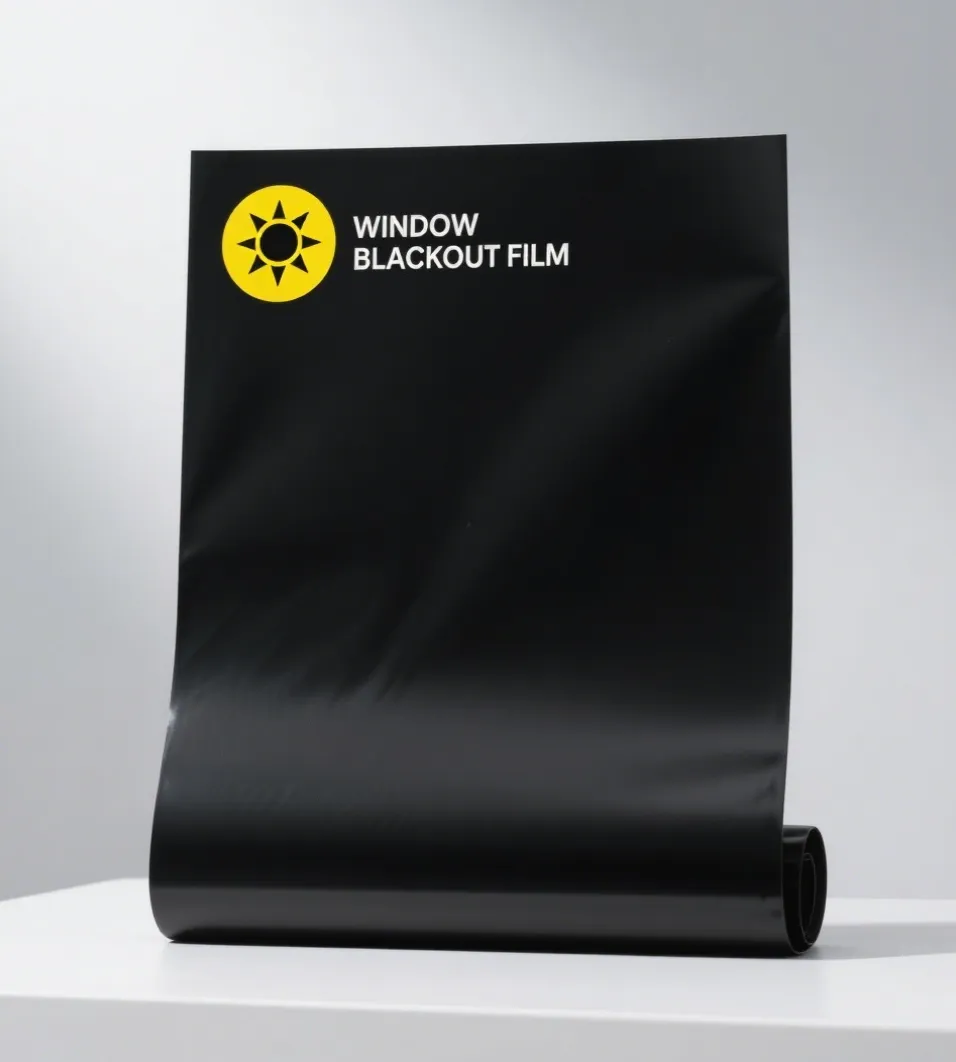
Exploring high-performance light regulation, privacy protection, and the technical superiority of TPU-based shielding solutions.
The Evolution of Privacy and Light Management
In the modern era of architectural design and automotive engineering, the demand for sophisticated light management has moved far beyond traditional blinds and curtains. The introduction of high-performance window blackout film has revolutionized how we perceive privacy and solar control. Unlike traditional fabrics that trap dust and require constant maintenance, modern film technology provides a sleek, integrated solution that fits directly onto glass surfaces. This innovation is particularly crucial in environments where total darkness or absolute privacy is a functional necessity rather than a luxury. From high-end residential bedrooms and home theaters to specialized medical facilities and smart automotive cabins, the application of blackout technology ensures that external light sources do not interfere with internal activities.
The core utility of a professional-grade window blackout film lies in its ability to provide 100% opacity while maintaining the structural integrity of the glass. Modern consumers are looking for products that offer more than just darkness; they require UV protection, heat rejection, and long-term durability. As we delve deeper into the materials used for these films, specifically moving from standard PVC to advanced Thermoplastic Polyurethane (TPU), it becomes clear that the industry is shifting toward more sustainable and high-performance alternatives. This transition is driven by the need for films that do not yellow, crack, or release toxic VOCs over time, ensuring a healthy indoor environment alongside perfect light control.
The Technical Advantage of TPU in Light Shielding
When selecting a window blackout film, the chemical composition of the substrate is the most critical factor determining its lifespan and effectiveness. Historically, many blackout solutions relied on PET or PVC structures, which often struggled with flexibility and environmental resistance. However, the integration of TPU (Thermoplastic Polyurethane) base films has set a new industry standard. TPU is a versatile polymer that combines the best properties of plastics and rubbers. It offers exceptional elongation, tensile strength, and most importantly, aliphatic stability. Aliphatic TPU films are inherently resistant to ultraviolet radiation, meaning they will not lose their deep black pigment or become brittle even after years of direct exposure to intense sunlight.
Furthermore, the multi-layered construction of a high-quality window blackout film involves precision engineering. These layers typically include a scratch-resistant hard coat, a deep-pigmented TPU core, and a high-performance pressure-sensitive adhesive. The deep pigmentation is what achieves the true "blackout" effect, absorbing nearly 100% of visible light. For industrial and medical applications, where light interference can compromise sensitive equipment or patient recovery, the consistency of this pigment layer is paramount. By utilizing advanced extrusion techniques, manufacturers like Huanlong ensure that the film thickness remains uniform across the entire roll, preventing "light leaks" that occur in inferior products with uneven coating distributions.
Versatile Applications Across Specialized Industries
The versatility of window blackout film extends far beyond simple home use. In the automotive sector, specifically within the realm of "Smart Cabins," these films are being integrated into rear VIP seating areas to provide executives and passengers with a private sanctuary. When combined with other functional layers, such as heat-insulating films, they contribute significantly to the thermal management of the vehicle, reducing the load on air conditioning systems and extending the range of electric vehicles. The flexibility of TPU allows the film to conform to complex curved glass surfaces found in modern automotive designs without bubbling or peeling at the edges, a common failure point for stiffer PET-based films.
In the medical industry, the requirement for light control is often a matter of patient safety and procedural accuracy. Darkrooms for radiographic processing, sleep study clinics, and certain laser therapy environments require a window blackout film that can guarantee zero light transmission. TPU-based films are preferred here because of their hypoallergenic properties and resistance to medical-grade cleaning agents. They can be sanitized frequently without degrading the material. Additionally, in the burgeoning field of home automation and smart textiles, these films are being used as backings for functional fabrics in roofing and building structures to prevent light pollution in urban areas, ensuring that internal lighting does not disrupt the local ecosystem or neighborhood aesthetics.
Quantifiable Benefits: Energy Efficiency and Protection
Investing in a high-quality window blackout film provides immediate and measurable returns in terms of energy efficiency. Solar radiation consists of visible light, infrared radiation (heat), and ultraviolet rays. A blackout film acts as a total barrier against all three. By reflecting and absorbing solar energy before it enters a building or vehicle, the film significantly reduces the "greenhouse effect" inside the cabin or room. During peak summer months, this can lead to a reduction in interior temperatures by several degrees, translated directly into lower utility bills. For large-scale commercial buildings with extensive glass facades, the cumulative energy savings can be substantial over the lifetime of the installation.
Beyond thermal control, the protection of interior assets is a major value proposition. UV rays are the primary cause of fading and degradation in high-end upholstery, wood flooring, and sensitive electronic components. By applying a window blackout film, you effectively eliminate 99% of UV transmission, preserving the aesthetic and monetary value of interior furnishings. For businesses, this means longer cycles between furniture replacement and interior renovations. Furthermore, the adhesive layer of the film provides an additional safety benefit: in the event of accidental glass breakage, the film helps hold the shards together, reducing the risk of injury from flying glass. This "shatter-proof" characteristic is a critical safety feature in high-traffic commercial zones and residential child-care areas.
Huanlong: Leading the Way in Functional Film Technology
Huanlong has established itself as a premier innovator in the functional film industry, specializing in high-performance TPU solutions that cater to the most demanding global markets. With our state-of-the-art Lishui production base, we have scaled our manufacturing capabilities to deliver precision-engineered materials that serve the automotive, medical, and industrial sectors. Our commitment to quality is reflected in our extensive range of window blackout film and protective membranes. We understand that every application has unique requirements, which is why we focus on custom formulations that optimize for durability, clarity, and environmental sustainability.
Our expertise extends to the development of medical-grade protective fabrics and automotive comfort systems, where TPU film plays a vital role in enhancing user experience and safety. Huanlong's products are designed with the future in mind, utilizing recyclable materials and eco-friendly processes that align with global green manufacturing standards. Whether you are looking for a solution for high-pressure hydraulic systems or a premium film for automotive paint protection, our technical team provides the strategic advice and product consistency needed to succeed in competitive markets. By choosing Huanlong, you are partnering with a manufacturer that prioritizes technical excellence and long-term value in every micron of film produced.
Final Thoughts on Intelligent Light Control
The transition toward intelligent light control is an unstoppable trend in modern design. As we have explored, the choice of a window blackout film is not merely an aesthetic decision but a technical one that impacts energy efficiency, privacy, and material longevity. By leveraging the advanced properties of TPU, users can achieve a level of performance that was previously impossible with traditional materials. The future of our living and working environments depends on these small but significant technological advancements that improve our daily comfort and protect our resources.
Ready to upgrade your light control strategy?
Contact Huanlong today to discover how our specialized TPU films can transform your next project.
GET A QUOTEFrequently Asked Questions
Q1: Does window blackout film provide 100% darkness during the day?
Yes, a high-quality professional-grade window blackout film is specifically designed to block 100% of visible light. When installed correctly without gaps at the edges, it can transform a bright daylight room into a completely dark environment, making it ideal for night-shift workers, home theaters, and medical laboratories.
Q2: Can window blackout film be used on double-pane windows?
While many films are compatible, it is important to choose a window blackout film that is designed for double-pane glass. Because blackout films absorb a significant amount of solar heat, they can increase the temperature of the glass. Using a high-quality TPU film with proper thermal stability helps manage this heat absorption safely.
Q3: How long does a typical window blackout film installation last?
When using premium TPU-based materials from manufacturers like Huanlong, a window blackout film can last 5 to 10 years or more. Unlike PVC films that may crack or peel after a few years, TPU remains flexible and resistant to UV degradation, ensuring long-term performance even in harsh climates.
Q4: Is it difficult to remove the window blackout film if I change my mind?
Professional window blackout film is designed with advanced pressure-sensitive adhesives that provide a strong bond but can be removed with the right technique. Generally, applying a bit of heat and using a specialized adhesive remover will allow the film to peel off without damaging the underlying glass surface.
Q5: Does window blackout film also help with noise reduction?
While the primary purpose of a window blackout film is light control, the additional layer of polymer on the glass does provide a slight dampening effect on high-frequency sound waves. While it is not a substitute for dedicated acoustic glass, many users report a noticeable "quieter" feel in rooms after installation.