
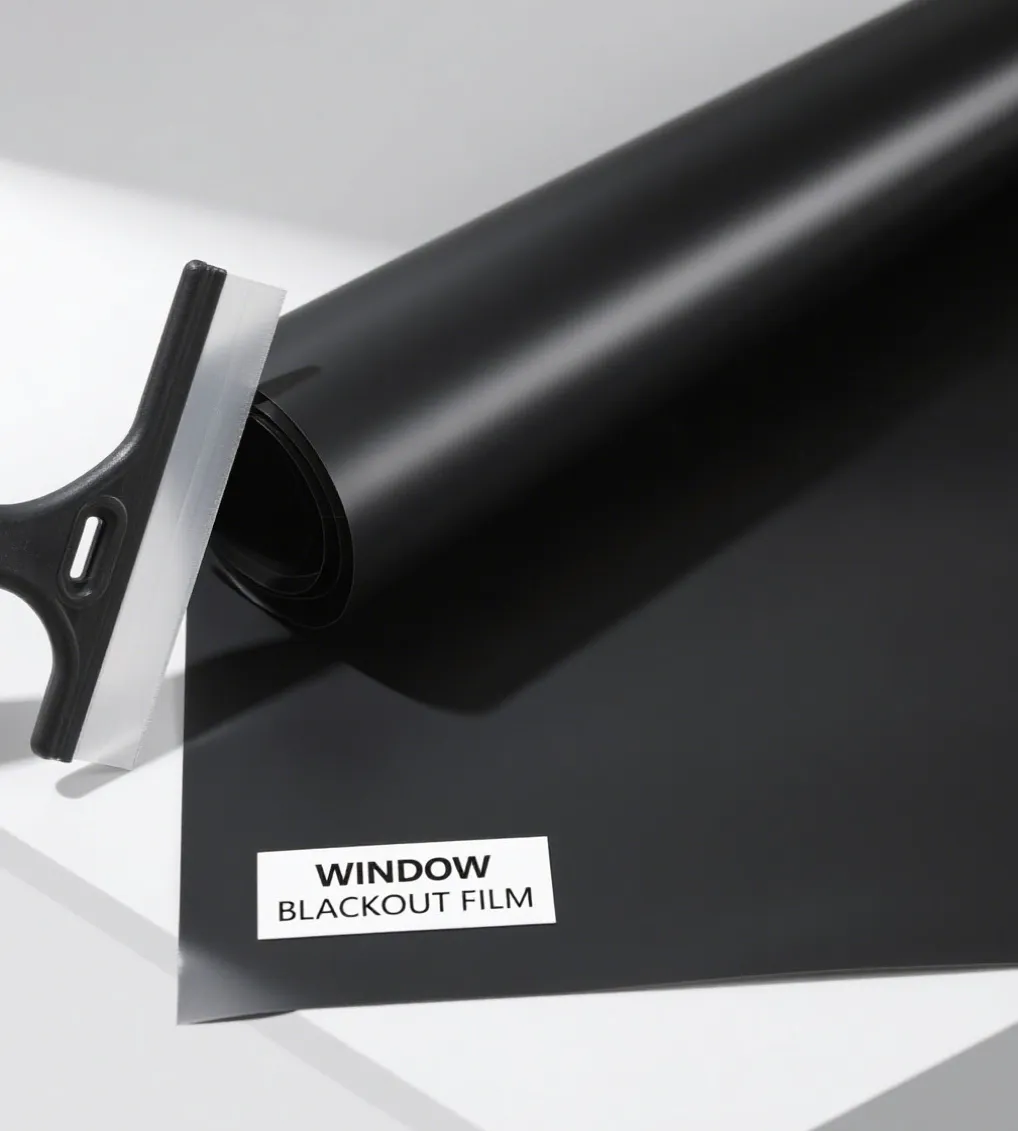
A comprehensive guide to maximizing privacy, reducing thermal gain, and enhancing architectural sustainability through modern film solutions.
The Evolution of Privacy and Thermal Control
In the realm of modern architecture and interior design, the demand for multifunctional materials has never been higher. As urban density increases, homeowners and facility managers alike are seeking innovative ways to manage privacy without compromising on energy performance. This is where high-quality window blackout film emerges as a critical component. Unlike traditional window treatments like heavy curtains or bulky blinds, a specialized film provides a sleek, integrated solution that addresses multiple challenges simultaneously. These films are engineered to block nearly 100 percent of visible light, making them indispensable for specific environments such as photographic studios, medical laboratories, and high-security corporate offices.
The implementation of window blackout film is no longer just about aesthetics or darkness. It is deeply rooted in the science of material engineering. By utilizing advanced polymers, manufacturers have created films that not only darken a room but also serve as a barrier against solar radiation. This technological shift has allowed for the creation of spaces that remain cool in the summer and retain heat in the winter, effectively lowering the carbon footprint of the building. As we delve deeper into this guide, we will explore how these films contribute to building longevity and user comfort, particularly when integrated with high-performance substrates like TPU.
The Technical Composition of High-Performance Blackout Films
Understanding the layers of a professional window blackout film is essential for making an informed procurement decision. Most standard films rely on simple dyed polyester, which can fade or bubble over time when exposed to intense UV rays. However, advanced versions utilize multi-layered structures that include UV-stabilized resins, metallic sputtering, and carbon-infused layers. These components work in harmony to absorb or reflect specific wavelengths of the light spectrum. The core benefit of using a carbon or ceramic-infused window blackout film is its ability to maintain its deep black appearance for years without turning purple or becoming brittle, which is a common failure point in lower-grade products.
Furthermore, the adhesive technology used in the application of window blackout film has seen significant breakthroughs. Modern adhesives are designed to be optically clear yet incredibly strong, ensuring that the film bonds perfectly to the glass surface without any distortion. For industrial applications, such as in data centers where total darkness is required to protect sensitive equipment or prevent external observation, the film must also possess fire-retardant properties. By choosing a product that meets international safety standards, developers can ensure that their privacy solutions do not introduce additional risks to the building's fire safety profile. The marriage of chemical engineering and practical utility makes these films a cornerstone of modern smart-building strategies.
Impact on Energy Efficiency and Sustainability
One of the most significant advantages of installing window blackout film is the immediate reduction in energy consumption. Large glass facades are notorious for their poor thermal insulation, often leading to a phenomenon known as the greenhouse effect within buildings. By applying a blackout film, the total solar energy rejection (TSER) can be improved by up to 80 percent. This reduction in solar heat gain means that air conditioning systems do not have to work as hard during peak summer hours, leading to substantial savings on utility bills. In the context of global efforts to reduce energy consumption, such simple modifications to the building envelope can have a cumulative positive impact on the environment.
Beyond cooling, the window blackout film also acts as a thermal barrier during colder months. It helps to keep the internal heat from escaping through the glass, which is often the weakest point in a building's insulation. This dual-action performance makes it an ideal choice for temperate climates where seasonal temperature swings are common. Moreover, many modern films are now being produced using eco-friendly manufacturing processes. For instance, the shift from PVC-based films to TPU-based films reduces the release of volatile organic compounds (VOCs) and halogen gases. This aligns with green building certifications such as LEED and BREEAM, making the film a preferred choice for sustainable development projects worldwide.
Professional Application Scenarios and Industry Standards
The versatility of window blackout film allows it to be utilized across various specialized industries. In the healthcare sector, for example, absolute light control is necessary in operating theaters and sleep study clinics. Standard blinds often have gaps at the edges that allow light leakage, but a professionally installed blackout film covers the entire glass pane, providing a complete light seal. Similarly, in the hospitality industry, high-end hotels use these films to ensure that guests can enjoy a dark environment regardless of the time of day, which is essential for international travelers dealing with jet lag. These applications require a film that is not only functional but also durable enough to withstand frequent cleaning and high traffic.
In the corporate world, data security is another driving factor for the adoption of window blackout film. Conference rooms where sensitive information is displayed on screens can be protected from external visual hacking or long-range photography. Furthermore, the film provides a clean, uniform look to the exterior of the building, hiding internal clutter or varying office layouts. When selecting a film for professional use, it is vital to consider the warranty and the manufacturer's reputation. High-quality films should offer at least a 5 to 10-year warranty against peeling, bubbling, and discoloration. Working with specialized manufacturers like Huanlong ensures that the material meets the rigorous demands of industrial and commercial environments.
Comparing TPU and Traditional Film Substrates
When evaluating options for window blackout film, the choice of base material is paramount. Historically, PET (Polyethylene Terephthalate) and PVC (Polyvinyl Chloride) were the standard. However, Thermoplastic Polyurethane (TPU) has emerged as the premium choice for high-performance applications. TPU offers superior flexibility and impact resistance compared to PET, which can be prone to cracking under extreme temperature fluctuations. This flexibility allows the film to expand and contract with the glass, preventing the edge lifting that often plagues cheaper installations. Additionally, TPU-based films have better self-healing properties, meaning small surface scratches can disappear with the application of heat, maintaining a pristine look.
From an environmental perspective, TPU is significantly more sustainable than PVC. PVC manufacturing involves chlorine and heavy metal stabilizers, which are harmful during both production and disposal. In contrast, TPU is a more eco-friendly polymer that can often be recycled. For developers focusing on long-term value, the higher initial investment in a TPU-based window blackout film is offset by its longer lifespan and superior performance. The material's natural resistance to yellowing and chemical degradation ensures that it remains functional and visually appealing for much longer than traditional alternatives. This makes TPU the preferred substrate for those who prioritize quality and environmental responsibility in their building materials.
Huanlong: Your Expert Partner in TPU Film Solutions
Huanlong is a leading manufacturer specializing in the research, development, and production of high-performance Thermoplastic Polyurethane (TPU) films. With years of experience in the polymer industry, we provide a wide range of solutions that cater to the automotive, medical, and construction sectors. Our commitment to innovation is reflected in our advanced production facilities and our rigorous quality control processes. Whether you are looking for automotive protection or specialized functional films, Huanlong offers products that are engineered for durability and high performance.
Our product portfolio includes specialized window blackout film options that leverage our expertise in aliphatic TPU technology. Unlike standard films, our solutions are designed to resist UV degradation and maintain their structural integrity even in the harshest environments. We understand that every project has unique requirements, which is why we offer tailored solutions to meet specific light transmission and thermal insulation needs. Explore our innovative film solutions to see how we have helped clients achieve superior privacy and energy efficiency across various industries.
At Huanlong, we believe in the power of sustainable design. Our eco-friendly TPU films are at the forefront of green manufacturing, providing a safer and more durable alternative to traditional plastic films. From medical-grade protective fabrics to high-performance automotive seating systems, our materials are designed to enhance comfort and performance. Contact us today to learn more about how our technical expertise can support your next project with the highest quality film products available on the market.
Final Thoughts on Window Film Integration
The strategic use of window blackout film is a hallmark of intelligent building design. It offers a cost-effective, high-impact solution for managing light, privacy, and heat. As the industry continues to move toward more sustainable and durable materials, the role of high-performance films will only become more prominent. By selecting the right material and working with an experienced manufacturer, you can ensure that your building remains comfortable, secure, and energy-efficient for years to come. The investment in quality film pays dividends not just in energy savings, but in the enhanced well-being of the occupants and the long-term protection of the building's interior assets.
Frequently Asked Questions
Q1: How long does professional window blackout film typically last?
A high-quality window blackout film, especially one based on TPU or carbon-infused technology, typically lasts between 7 to 12 years. Factors such as the direction of the window, local climate intensity, and the quality of the initial installation play a role in its longevity. Professional-grade films from manufacturers like Huanlong are designed to resist peeling and bubbling, ensuring a long-term solution.
Q2: Can window blackout film be installed on double-paned windows?
Yes, but it requires careful selection. Because window blackout film absorbs a significant amount of heat, it can increase the temperature of the glass. For double-paned (IGU) windows, it is important to use a film that is compatible to avoid thermal stress that could lead to glass breakage. Always consult with a professional to ensure the film's heat absorption rate is within the safety limits of your specific glass type.
Q3: Does window blackout film block all UV rays?
Most professional window blackout film products are designed to block more than 99 percent of harmful UV rays. This protection is vital for preventing the fading of furniture, carpets, and artwork within the room. Additionally, by blocking UV radiation, the film provides a safer environment for human skin, particularly in offices or homes with large exposure to direct sunlight.
Q4: Is the installation process for window blackout film permanent?
While the film is designed for long-term use, it is not permanent. Window blackout film can be removed by a professional without damaging the underlying glass. This makes it an excellent choice for leased commercial spaces or residential properties where the needs for privacy or light control might change over time. Once removed, the glass can be cleaned of any residual adhesive, returning it to its original state.
Q5: How do I maintain and clean my window blackout film?
Cleaning window blackout film is straightforward but requires non-abrasive tools. It is recommended to use a soft cloth or squeegee with a mild, ammonia-free soap solution. Avoiding harsh chemicals and abrasive scrubbing pads will ensure the protective top coat of the film remains intact, preserving its appearance and performance for its entire lifespan.
Ready to Enhance Your Building Efficiency?
Contact Huanlong today for expert advice on high-performance film solutions tailored to your needs.
Get a Quote Now