
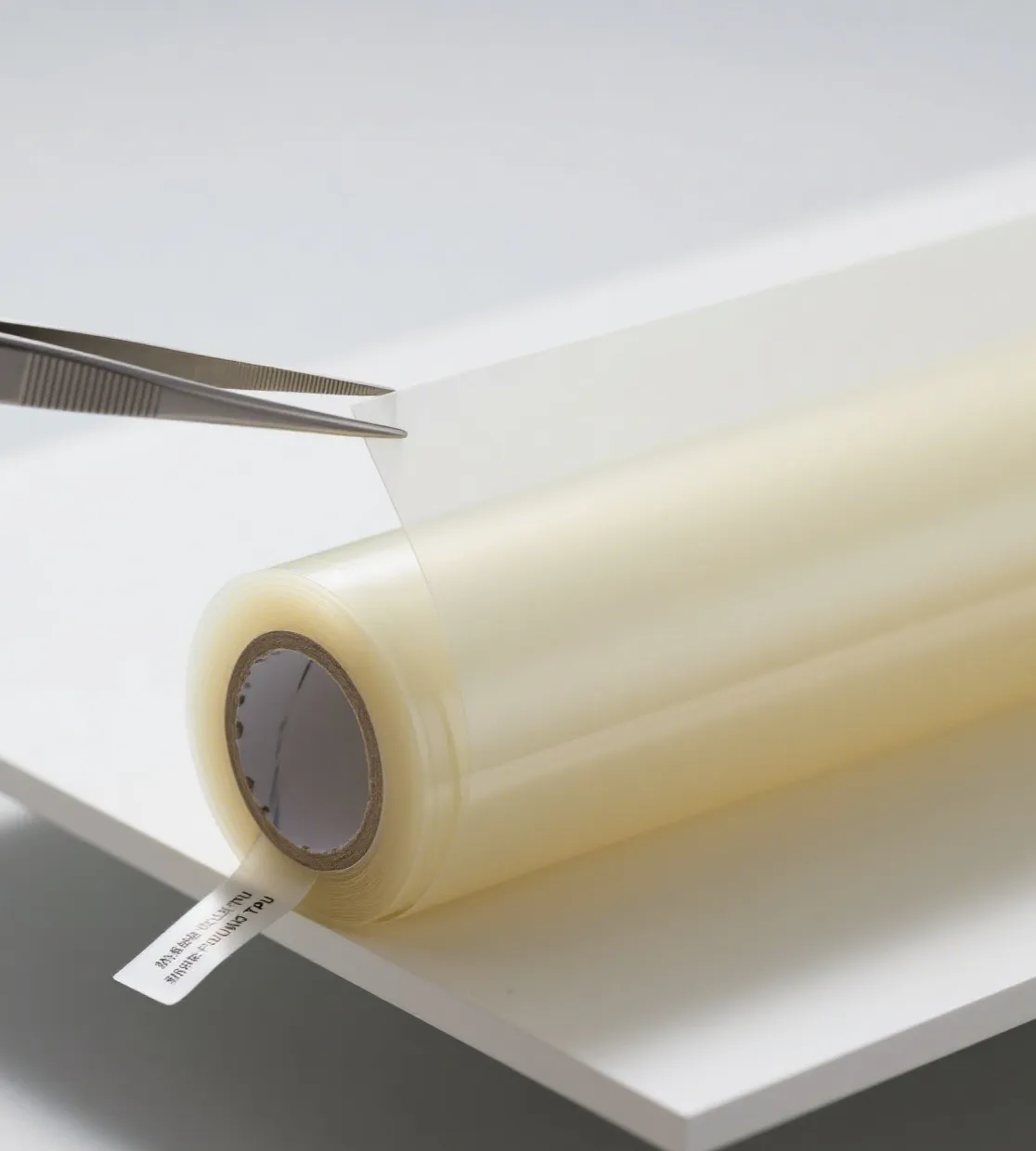
A comprehensive exploration of how high-performance polymer technology is redefining durability, flexibility, and sustainability across global industries.
The Evolution of Industrial Polymers
The landscape of modern manufacturing is undergoing a radical transformation, driven by the demand for materials that offer both high performance and environmental responsibility. At the forefront of this revolution is thermoplastic polyurethane TPU film, a unique class of polymers that bridges the gap between flexible rubbers and rigid plastics. Unlike traditional materials that force engineers to choose between elasticity and strength, this advanced film provides a synergistic combination of both. As industries move toward Industry 4.0, the integration of smart materials has become non-negotiable. Manufacturers are no longer looking for passive components; they require active solutions that can withstand extreme mechanical stress, resist chemical degradation, and adapt to complex geometries. The versatility of these films allows them to be utilized in everything from sensitive medical devices to rugged automotive exteriors, making them a cornerstone of next-generation product design.
The inherent molecular structure of thermoplastic polyurethane allows for precise engineering. By adjusting the ratio of hard and soft segments within the polymer chain, scientists can tailor the film's properties to meet specific industrial needs. This adaptability is what makes it "smart." Whether the goal is to create a breathable barrier for medical applications or a high-impact shield for vehicle paint, the base resin can be modified to provide the exact level of transparency, hardness, and thermal stability required. This guide explores the multi-faceted roles that these films play in today's market, highlighting how they empower designers to push the boundaries of what is possible in functional manufacturing.
Understanding the Versatility of Thermoplastic Polyurethane TPU Film
To truly appreciate the value of thermoplastic polyurethane TPU film, one must understand its chemical foundations. It is essentially a linear segmented block copolymer composed of alternating hard and soft segments. The hard segments, typically made from isocyanates, provide the material with its toughness, high modulus, and resistance to environmental stressors. Conversely, the soft segments, derived from polyols, contribute to the film's elasticity and low-temperature flexibility. This dual-nature allows the film to return to its original shape after significant stretching, a property known as elastic recovery. In manufacturing environments where components are subjected to repetitive motion or pressure, this durability ensures a much longer lifecycle compared to traditional PVC or polyolefin-based alternatives.
Beyond mechanical strength, these films are celebrated for their exceptional resistance to oils, greases, and a wide array of chemicals. This makes them ideal for industrial environments where exposure to lubricants or hydraulic fluids is common. Furthermore, the optical clarity of high-grade TPU is unmatched. For applications requiring aesthetic transparency, such as electronic displays or protective laminates, the film offers a crystal-clear finish that does not yellow over time when properly stabilized against UV radiation. The ability to be thermally processed—through extrusion, blowing, or calendaring—means that it can be integrated into various manufacturing workflows with relative ease. This processability, combined with its high tensile strength and puncture resistance, positions it as a premium choice for high-stakes engineering projects.
Revolutionizing the Automotive Industry
The automotive sector has become one of the largest consumers of high-performance films, particularly for protection and interior comfort. Paint Protection Film (PPF) is perhaps the most visible application. Utilizing aliphatic thermoplastic polyurethane TPU film, PPF provides an invisible layer of armor that protects a vehicle's finish from rock chips, road debris, and bird droppings. The "self-healing" nature of certain TPU formulations allows minor scratches to disappear with the application of heat, maintaining the vehicle's showroom shine for years. This is a significant leap forward from the early days of "car bras" or rigid plastic guards, offering a solution that is both more effective and aesthetically pleasing.
Inside the cabin, the focus shifts toward "smart cabins" and passenger comfort. Modern seating systems leverage TPU films for their excellent haptic properties and breathability. These films are often laminated with fabrics to create surfaces that are soft to the touch yet incredibly durable. In the realm of seat lumbar support and pneumatic massage systems, the film's air-tightness and fatigue resistance are critical. It can endure millions of inflation and deflation cycles without losing its structural integrity. Furthermore, as vehicles become more autonomous, the interior is being reimagined as a living space. This transition requires materials that are low-VOC (volatile organic compounds) and environmentally friendly, areas where TPU excels compared to traditional synthetic leathers or vinyls. By incorporating these advanced films, automakers can deliver a premium, sustainable experience that meets the high expectations of modern consumers.
Medical Grade Innovations and Patient Care
In the healthcare industry, the requirements for material safety and performance are incredibly stringent. Thermoplastic polyurethane TPU film has become a staple in medical manufacturing due to its biocompatibility and breathability. One of its most vital applications is in advanced wound care dressings. These films act as a "second skin," providing a waterproof barrier that keeps bacteria out while allowing water vapor and oxygen to pass through. This Moisture Vapor Transmission Rate (MVTR) is essential for maintaining an optimal healing environment, preventing skin maceration while protecting the wound from external contaminants. The softness of the film also ensures that it conforms to the contours of the body, providing comfort to patients during recovery.
Beyond wound care, these films are used in the construction of surgical drapes, inflatable pressure-relief mattresses, and even components within diagnostic equipment. Because the material is halogen-free and does not contain plasticizers like phthalates, it is safe for prolonged contact with human skin and sensitive tissues. The ability to withstand sterilization processes, including gamma radiation and ethylene oxide (EtO), makes it indispensable in a clinical setting. As the medical industry trends toward more wearable health monitors and portable devices, the demand for lightweight, flexible, and skin-friendly materials continues to grow. TPU provides a versatile platform for these innovations, enabling the development of protective fabrics that are both functional and comfortable for long-term use.
Sustainability and the Circular Economy
As global awareness of environmental issues grows, manufacturers are under increasing pressure to adopt sustainable practices. Thermoplastic polyurethane TPU film offers a more eco-friendly alternative to many traditional plastics. Because it is a thermoplastic, it can be melted down and recycled multiple times without significant loss of its physical properties. This contrasts sharply with thermoset materials, which cannot be reprocessed once cured. Many forward-thinking companies are now implementing closed-loop systems where factory scrap and post-consumer TPU waste are collected and integrated back into the production line. This reduces the reliance on virgin petroleum-based resins and minimizes the volume of plastic waste sent to landfills.
In addition to recyclability, the development of bio-based TPU is a major milestone in sustainable manufacturing. These formulations derive a portion of their carbon content from renewable sources, such as vegetable oils or biomass, rather than fossil fuels. Furthermore, the longevity of TPU-based products contributes to sustainability by reducing the frequency of replacement. A product that lasts twice as long as its cheaper plastic counterpart effectively halves its environmental footprint over time. For industries like footwear and outdoor gear, where performance cannot be sacrificed for "green" labels, TPU offers a way to achieve both. Innovations like TPU Foam films provide a lighter-weight option for shoe midsoles, improving energy return for the athlete while being much easier to recycle than the complex EVA foams used in the past.
Functional Textiles and Building Structures
The application of thermoplastic polyurethane TPU film extends into the very structures we inhabit. In the construction industry, these films are increasingly used in roofing membranes and building envelopes. When laminated to architectural fabrics, they provide a weather-proof barrier that is resistant to UV degradation, ozone, and extreme temperature fluctuations. Unlike traditional PVC membranes, TPU does not contain migrating plasticizers that can cause the material to become brittle and crack over time. This ensures that the building remains protected for decades, reducing maintenance costs and improving energy efficiency through better thermal insulation. The film's high tear strength is particularly valuable in tensioned fabric structures, such as stadiums or airport terminals, where wind loads can be immense.
In the world of functional textiles, TPU is the "secret ingredient" in high-performance outdoor gear. It is used to create waterproof-breathable laminates for jackets, tents, and backpacks. By controlling the microscopic structure of the film, manufacturers can create a material that prevents liquid water from entering while allowing sweat vapor to escape. This is crucial for maintaining comfort during intense physical activity in harsh weather conditions. Additionally, the film's ability to be seam-welded using radio frequency (RF) or ultrasonic energy allows for the creation of completely waterproof, stitch-less garments. This eliminates the weak points associated with traditional sewing, resulting in more durable and reliable gear for professional explorers and weekend hikers alike.
Huanlong: Leading the Way in TPU Innovation
At Huanlong, we pride ourselves on being at the cutting edge of polymer technology. With years of expertise and a commitment to quality, we have established ourselves as a premier provider of thermoplastic polyurethane TPU film solutions for a global clientele. Our state-of-the-art production facilities, including our newly opened Lishui production base, are equipped with the latest extrusion technology to ensure every micron of film meets our rigorous standards. We understand that every industry has unique challenges, which is why we offer a diverse range of products tailored for specific applications.
Our portfolio includes specialized medical film that meets global safety certifications, as well as high-durability films for the automotive comfort seat system. What sets Huanlong apart is our focus on collaborative engineering. We don't just sell film; we work closely with our partners to develop customized formulations that solve complex design problems. Whether you are looking for bio-based options for sustainable footwear or high-vapor transmission films for functional apparel, our team of experts is ready to assist. Our commitment to R&D ensures that we are always one step ahead, providing our clients with the materials they need to lead their respective markets.
Superior Quality
Rigorous testing and precision manufacturing for consistent performance.
Expert Innovation
Customized formulations designed by leading polymer scientists.
Eco-Commitment
Driving the industry toward a circular economy with recyclable materials.
Conclusion: Shaping the Future of Manufacturing
The journey of thermoplastic polyurethane TPU film from a specialized niche material to a global industrial powerhouse is a testament to its incredible versatility and performance. As we have explored, its impact is felt across diverse sectors, providing solutions that are more durable, more comfortable, and more sustainable than ever before. Whether it is protecting a luxury vehicle, aiding in the healing of a patient, or enabling the construction of eco-friendly buildings, TPU film is the invisible force driving innovation forward. For manufacturers, the choice of material is no longer just a technical decision; it is a strategic one that defines the quality and longevity of their products.
As technology continues to evolve, we can expect even more exciting developments in TPU science. From smarter, responsive films that react to environmental changes to even more efficient recycling processes, the potential is limitless. By choosing high-quality TPU solutions from trusted partners like Huanlong, businesses can ensure they stay at the cutting edge of their industries. The future of manufacturing is flexible, strong, and sustainable—it is a future built with thermoplastic polyurethane.
Frequently Asked Questions
Q1: How does thermoplastic polyurethane TPU film improve automotive paint protection?
In the automotive sector, this film provides a resilient, transparent barrier that absorbs the impact of road debris, stones, and scratches. Its aliphatic formulation ensures that it remains crystal clear and does not yellow over time, while its self-healing properties allow minor surface damage to disappear when exposed to heat, effectively preserving the vehicle's resale value and aesthetic appeal.
Q2: What makes thermoplastic polyurethane TPU film ideal for medical applications?
The film is highly valued in medicine for its biocompatibility, meaning it is safe for contact with human skin and tissues. Its semi-permeable nature—allowing moisture vapor to escape while blocking liquid water and bacteria—is essential for advanced wound dressings. Additionally, it is free from harmful plasticizers and can be sterilized using standard industry methods.
Q3: Can thermoplastic polyurethane TPU film be recycled in sustainable manufacturing?
Yes, as a thermoplastic material, it can be re-melted and re-formed into new products without losing its core performance characteristics. This makes it a key component of the circular economy. Many manufacturers use recycled TPU for footwear components, industrial parts, and secondary protective layers, significantly reducing waste and carbon footprints.
Q4: How does thermoplastic polyurethane TPU film enhance smart seating comfort?
In modern automotive and office seating, the film is used within pneumatic systems and as a lamination layer for fabrics. Its excellent air-tightness allows for precise control of lumbar supports and massage bladders. Furthermore, its soft-touch texture and durability ensure that seats remain comfortable and visually appealing even after years of heavy use.
Q5: What are the key benefits of using thermoplastic polyurethane TPU film in functional textiles?
For outdoor gear and apparel, the film offers the perfect balance of waterproofing and breathability. It enables the creation of garments that protect the wearer from rain and wind while allowing body heat and sweat to evaporate. Its ability to be welded rather than sewn also allows for seamless, lightweight designs that are more durable than traditional fabrics.
Ready to Elevate Your Product Performance?
Partner with Huanlong for world-class TPU solutions tailored to your unique manufacturing needs.
Contact Our Experts Today