
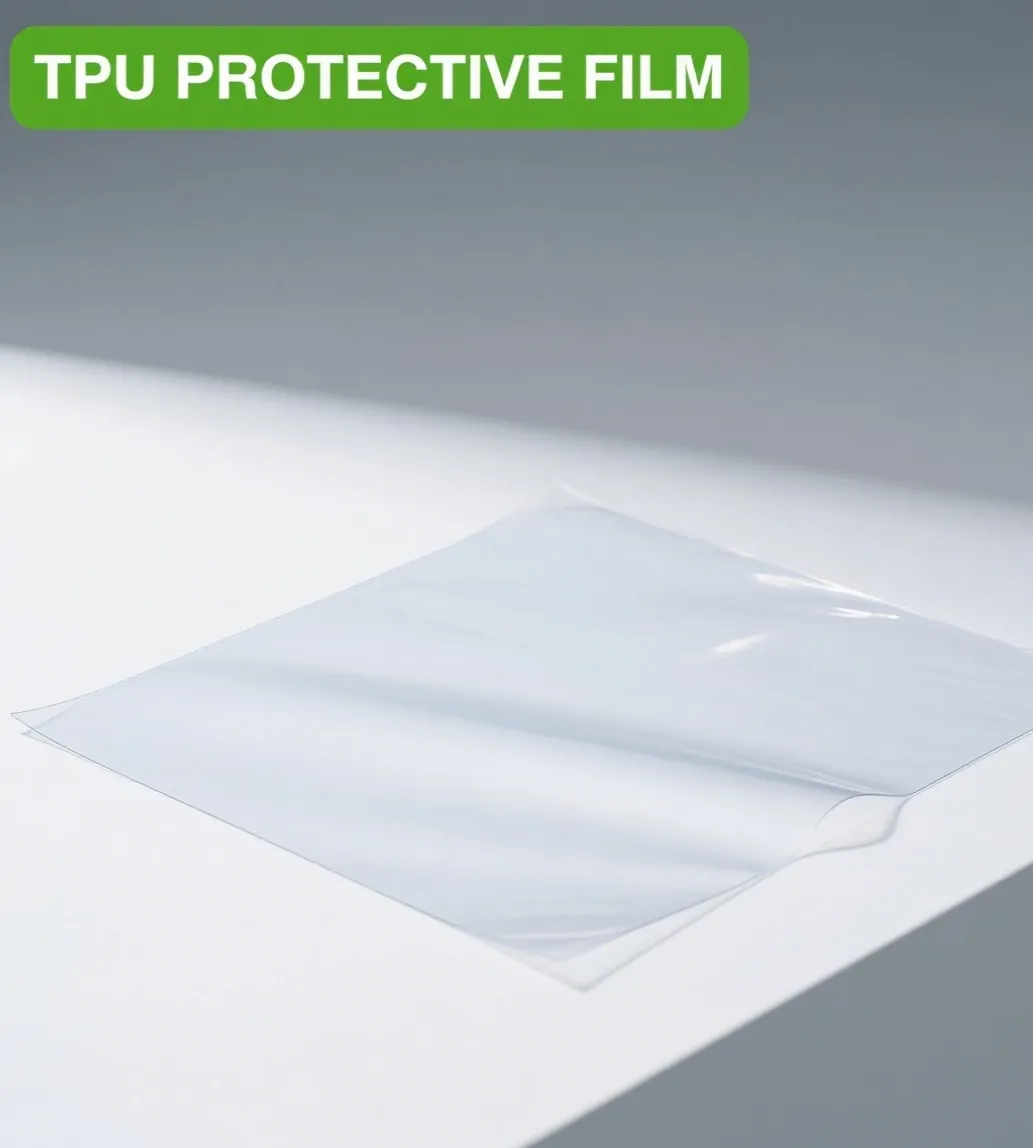
Exploring the critical role of advanced thermoplastic polyurethane substrates in modern wafer fabrication and electronic component shielding.
Introduction to Advanced Substrate Protection in Electronics
The semiconductor industry operates at the pinnacle of manufacturing precision, where the slightest deviation in surface integrity can lead to catastrophic yield losses. As microchips become increasingly dense and complex, the necessity for a reliable TPU protective film has moved from a secondary consideration to a primary engineering requirement. Thermoplastic Polyurethane (TPU) offers a unique combination of elasticity, transparency, and chemical resistance that traditional protective materials like PVC or PET simply cannot match. In the controlled environment of a cleanroom, every material introduced must meet stringent outgassing and particulate generation standards.
Protection is not just about preventing physical scratches; it is about maintaining a sterile interface between the delicate semiconductor wafer and the external environment. This article delves into the technical specifications that make certain films suitable for high-tech applications. We will examine how these advanced polymers safeguard components during transport, assembly, and temporary storage, ensuring that the final electronic products perform with the reliability consumers and industries expect in the digital age.
The Critical Role of TPU Protective Film in ISO Class Cleanrooms
Cleanroom environments, particularly those classified as ISO Class 5 or higher, demand materials with exceptionally low ionic contamination and minimal outgassing. A specialized TPU protective film is engineered to function within these rigorous parameters. Unlike standard films that may release volatile organic compounds (VOCs) or microscopic particles, high-grade TPU is chemically stable. This stability prevents the deposition of molecular contaminants on the surfaces of silicon wafers, which could otherwise interfere with the photolithography process or subsequent etching phases.
Furthermore, the anti-static properties often integrated into these films are vital. Electrostatic discharge (ESD) is a silent killer in semiconductor manufacturing. By utilizing a high-performance protective layer, manufacturers can mitigate the risk of ESD events during the peeling or application process. The high clarity of the film also allows for automated optical inspection (AOI) to occur without removing the protection, thereby maintaining the clean state of the component for a longer duration throughout the manufacturing workflow. This efficiency is why many leading fabs are transitioning to premium polyurethane-based solutions.
Engineering Excellence for Semiconductor Manufacturing
What sets a semiconductor-grade TPU protective film apart from standard industrial wraps is the molecular engineering behind the polymer chain. Aliphatic TPU resins are frequently preferred in these applications because they provide superior UV stability and do not yellow over time, which is essential for long-term storage of sensitive components. These films exhibit excellent puncture resistance and tensile strength, allowing them to be stretched over irregular surfaces—such as mounted PCBs or delicate sensor modules—without tearing or creating microscopic gaps where dust could settle.
The adhesion technology used in these films is equally sophisticated. It must provide enough "tack" to remain securely in place during vibration-heavy transport, yet be "easy-peel" to ensure that no adhesive residue is left behind on the silicon or metallic surfaces. Residue at the micron level can lead to bonding failures in later stages of production. Consequently, the development of acrylic or silicone-based low-residue adhesives specifically designed for TPU carriers has revolutionized how we approach temporary surface shielding in the precision electronics industry, offering a balance between grip and cleanliness.
Comparing TPU to Traditional Protective Materials
In the past, Polyvinyl Chloride (PVC) and Polyethylene (PE) were the standards for protective masking. However, PVC contains plasticizers that can migrate out of the film and contaminate the cleanroom environment, making it unsuitable for modern semiconductor needs. PE films, while cleaner, often lack the physical toughness and "self-healing" properties inherent in TPU. A TPU protective film acts as a shock absorber. When a tool or another component makes contact with the film, the polyurethane matrix distributes the energy, preventing the underlying substrate from cracking or scratching.
Additionally, environmental sustainability has become a key metric for global electronics manufacturers. TPU is more eco-friendly than PVC as it does not release toxic dioxins when processed and is often recyclable in specific industrial streams. By choosing high-performance TPU, companies are not only protecting their bottom line through higher yields but also aligning with global ESG (Environmental, Social, and Governance) standards. This transition reflects a broader trend in high-tech manufacturing where material science is leveraged to solve both technical and ethical challenges simultaneously.
Huanlong: A Leader in Specialized TPU Solutions
As a premier innovator in the field, Huanlong has dedicated years of research and development to perfecting the application of polyurethane technology across various high-stakes industries. While we are widely recognized for our TPU protective film used in automotive paint protection, our expansion into the semiconductor and cleanroom sectors highlights our technical versatility. Our production base in Lishui utilizes state-of-the-art extrusion technology to ensure that every roll of film meets the exacting thickness tolerances required by precision electronics manufacturers.
At Huanlong, we understand that semiconductor protection is not a one-size-fits-all solution. Our product portfolio includes everything from medical-grade TPU films to specialized membranes for automotive comfort systems. This cross-industry expertise allows us to borrow advanced polymer features—such as the high breathability found in our functional fabrics or the extreme durability of our industrial hoses—and apply them to our semiconductor shielding products. When you partner with Huanlong, you are gaining access to a global supply chain committed to quality, from base resin selection to final cleanroom-ready packaging.
Frequently Asked Questions
Q1: Why is TPU protective film better than PET for semiconductor wafers?
TPU offers superior flexibility and impact resistance compared to the relatively rigid PET. This allows it to conform to the topographical features of a processed wafer while providing a cushioning effect that prevents micro-cracks during handling.
Q2: Does Huanlong TPU protective film leave any adhesive residue?
No, our films are engineered with low-tack, high-stability adhesives specifically designed for sensitive electronic surfaces, ensuring a clean peel even after prolonged storage or exposure to varying temperatures.
Q3: Can TPU protective film withstand the chemical cleaning agents used in cleanrooms?
Yes, TPU is highly resistant to many common industrial chemicals and alcohols used for surface sterilization, making it an ideal barrier in medical and semiconductor cleanroom environments.
Q4: Is the TPU protective film provided by Huanlong anti-static?
We offer specialized ESD-safe versions of our film that incorporate anti-static additives to prevent charge buildup, which is critical for protecting sensitive integrated circuits.
Q5: How does Huanlong ensure the quality of its TPU protective film?
We utilize a comprehensive quality control system at our Lishui production base, including automated thickness gauging and cleanroom-compliant packaging, to ensure that every shipment meets the high standards of our global clients.
Ready to Elevate Your Manufacturing Yield?
Protect your precision components with the industry most trusted polymer solutions. Contact the Huanlong technical team today for custom film specifications and samples.