
Introduction to Sustainable Polymer Innovation
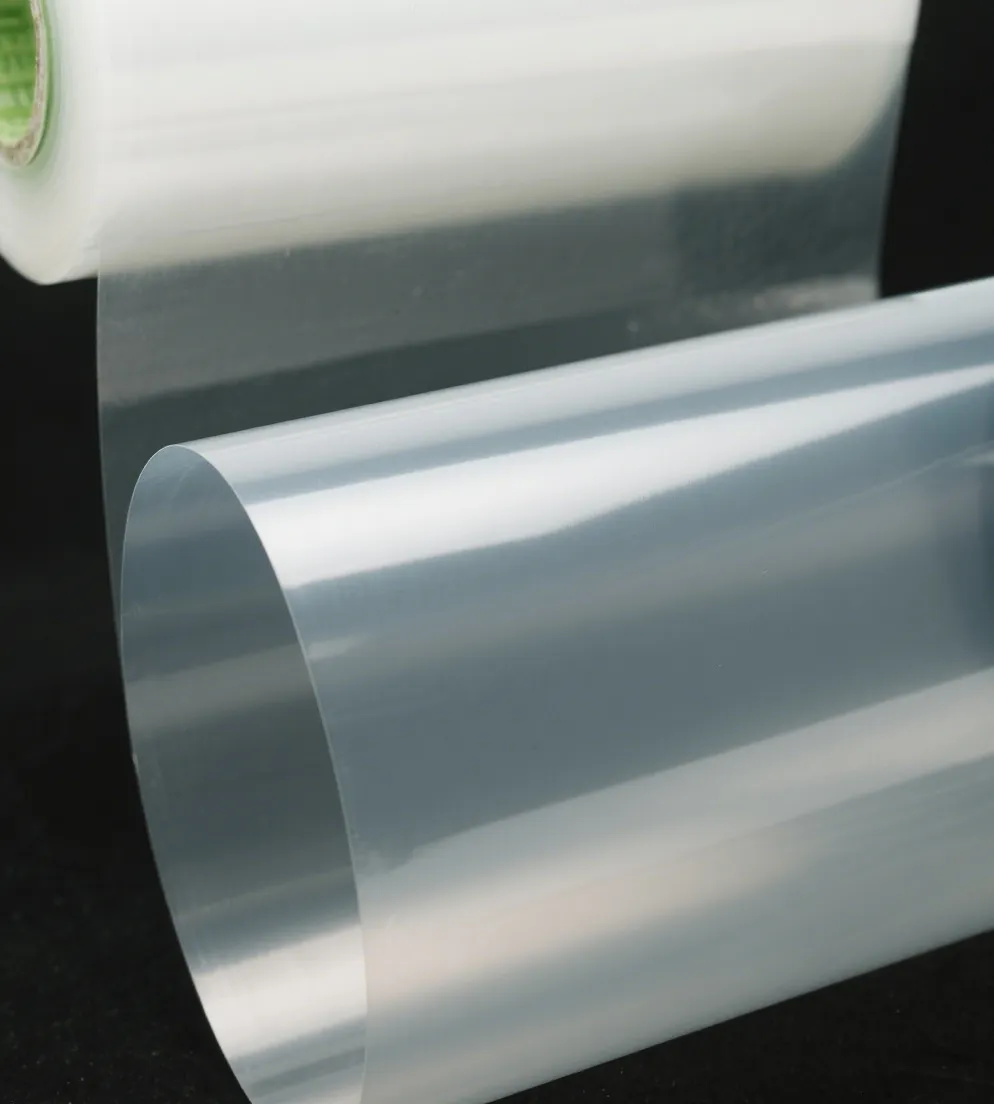
The global industrial landscape is undergoing a profound transformation as manufacturers pivot toward carbon neutrality and sustainable development. In this context, the emergence of biodegradable TPU film represents a significant milestone in polymer science. Thermoplastic Polyurethane (TPU) has long been valued for its exceptional elasticity, transparency, and mechanical strength. However, the traditional reliance on petroleum-based feedstocks has presented challenges for eco-conscious brands aiming to minimize their environmental footprint. By integrating bio-based raw materials and advanced molecular engineering, modern manufacturing can now produce high-performance films that degrade naturally under specific environmental conditions, effectively closing the loop in the product lifecycle.
Choosing a biodegradable TPU film is not merely a choice for environmental compliance; it is a strategic investment in the future of green manufacturing. These materials offer the same high-performance characteristics as conventional TPU—such as high tensile strength, abrasion resistance, and chemical stability—while significantly reducing the carbon emissions associated with production and disposal. As regulatory frameworks like the European Green Deal and various global plastic reduction initiatives tighten, adopting these sustainable materials becomes essential for maintaining market competitiveness. This guide explores the technical advantages, diverse applications, and the industry-leading solutions provided by Huanlong in the realm of sustainable TPU technology.
The Science Behind Biodegradable TPU Film
Understanding the chemistry of biodegradable TPU film is crucial for engineers and product designers. Unlike standard TPU, which can persist in the environment for decades, biodegradable variants are formulated with specific polyester or polycaprolactone segments that are susceptible to microbial breakdown or hydrolysis. When exposed to industrial composting conditions or specific soil environments, the polymer chains are broken down into carbon dioxide, water, and biomass. This process is carefully engineered to ensure that the film maintains its integrity and performance during its functional lifespan, only beginning to degrade once it reaches the end-of-life stage.
The production of biodegradable TPU film involves a meticulous balance of bio-polyols and diisocyanates. By sourcing polyols from renewable agricultural resources such as corn or castor oil, manufacturers can reduce the cradle-to-gate carbon footprint of the material by up to 40% compared to fossil-fuel-based alternatives. Furthermore, these films are often produced using low-emission manufacturing techniques that prioritize energy efficiency and waste reduction. For industries requiring precision engineering, such as automotive or medical sectors, the consistency of these bio-based polymers ensures that the final products meet the most rigorous quality standards without compromising on their ecological responsibilities.
Industrial Applications and Sector Benefits
The versatility of biodegradable TPU film allows it to permeate various high-stakes industries, ranging from automotive interiors to advanced footwear. In the automotive sector, where carbon neutrality is a top priority for major OEMs, this film is increasingly utilized in seating systems and interior components. Its ability to provide soft-touch surfaces and durable lamination while remaining eco-friendly makes it an ideal candidate for the next generation of smart cabins. By replacing traditional PVC or non-recyclable plastics with TPU, manufacturers can enhance the recyclability of vehicle components and contribute to a lower total vehicle life cycle emission profile.
In the footwear and textile industries, the demand for lightweight and recyclable materials has led to the adoption of TPU Foam films and breathable membranes. Biodegradable TPU film provides a sustainable solution for performance shoes, offering the necessary cushioning and energy return while ensuring the product does not contribute to long-term landfill waste. Similarly, in the medical field, the film is used for wound care and protective fabrics where biocompatibility and environmental safety are paramount. The film's natural resistance to bacteria and its ability to be sterilized without losing structural integrity make it a superior choice for single-use medical applications that prioritize both patient health and planetary health.
Manufacturing Precision and Quality Control
The transition to low-emission production requires more than just green raw materials; it necessitates a sophisticated manufacturing infrastructure. Producing high-quality biodegradable TPU film demands precise control over temperature, pressure, and moisture during the extrusion process. Any fluctuation in these parameters can affect the molecular weight distribution of the polymer, impacting the film's clarity, tensile strength, and degradation rate. Leading manufacturers employ state-of-the-art automated systems to monitor every stage of production, ensuring that each roll of film meets international standards such as ISO 14001 for environmental management and various ASTM standards for biodegradability.
Huanlong's production capabilities, particularly at its advanced manufacturing bases, exemplify this commitment to precision. By utilizing clean energy sources and optimized logistics, the production of biodegradable TPU film is streamlined to minimize environmental impact. This holistic approach to manufacturing ensures that the sustainability claims are backed by transparent data and rigorous testing. For business partners, this means receiving a product that not only performs exceptionally in demanding environments—such as outdoor functional fabrics or high-pressure hydraulic systems—but also aligns with their corporate social responsibility (CSR) goals and green procurement policies.
Huanlong: Your Partner in Eco-Friendly TPU Solutions
As a professional leader in the polymer industry, Huanlong specializes in the development and supply of high-performance film solutions. Our expertise spans across multiple domains, including automotive paint protection films (PPF), medical-grade protective fabrics, and industrial sealing systems. We are committed to driving the industry forward by offering advanced biodegradable TPU film options that help our clients achieve their carbon reduction targets without sacrificing quality or durability.
Our core advantages lie in our integrated supply chain and our state-of-the-art production facility in Lishui. We focus on innovation, providing tailored solutions for smart cabin comfort, lightweight footwear, and functional outdoor gear. Our products are designed to withstand extreme conditions, offering superior UV resistance, high vapor transmission, and excellent mechanical properties. By choosing Huanlong, you gain access to a wealth of technical knowledge and a product portfolio that is at the forefront of the sustainable materials revolution.
Our Specialized Product Range:
High-Performance PPF Base Films
Medical Grade Breathable TPU Membranes
Sustainable Aliphatic TPU for Automotive Interiors
Industrial Grade Chemical Resistant Films
Frequently Asked Questions
Q1: What are the primary benefits of using biodegradable TPU film in manufacturing?
The use of biodegradable TPU film allows companies to reduce their carbon footprint and align with global sustainability goals. It offers the high mechanical performance of standard TPU—such as elasticity and durability—while ensuring that the end product is more environmentally friendly and easier to manage at the end of its lifecycle.
Q2: Does biodegradable TPU film have the same lifespan as traditional TPU?
Yes, during its intended functional use, the film maintains its structural integrity and performance. The biodegradation process is only triggered under specific environmental conditions, such as high microbial activity or industrial composting environments, ensuring it remains reliable throughout its service life.
Q3: Can biodegradable TPU film be used for outdoor applications?
Absolutely. These films can be engineered with UV stabilizers and weather-resistant additives, making them suitable for outdoor functional fabrics, roofing membranes, and even automotive paint protection films that require long-term exposure to the elements.
Q4: How does biodegradable TPU film contribute to carbon neutrality?
By utilizing bio-based polyols derived from renewable plants, the material significantly lowers reliance on fossil fuels. Additionally, the low-emission production processes used by manufacturers like Huanlong further minimize the energy consumption and greenhouse gas emissions associated with the product.
Q5: Is biodegradable TPU film compatible with existing production machinery?
In most cases, yes. It is designed to be processed using standard extrusion and lamination equipment. However, slight adjustments to processing temperatures and drying times may be recommended to optimize the performance of the bio-based polymer chains.
Ready to Transition to Sustainable Solutions?
Join the ranks of leading global brands by integrating eco-friendly materials into your production line. Our team of experts is ready to provide the technical support and high-quality film you need.
Explore more solutions at www.tpuhuanlong.com