
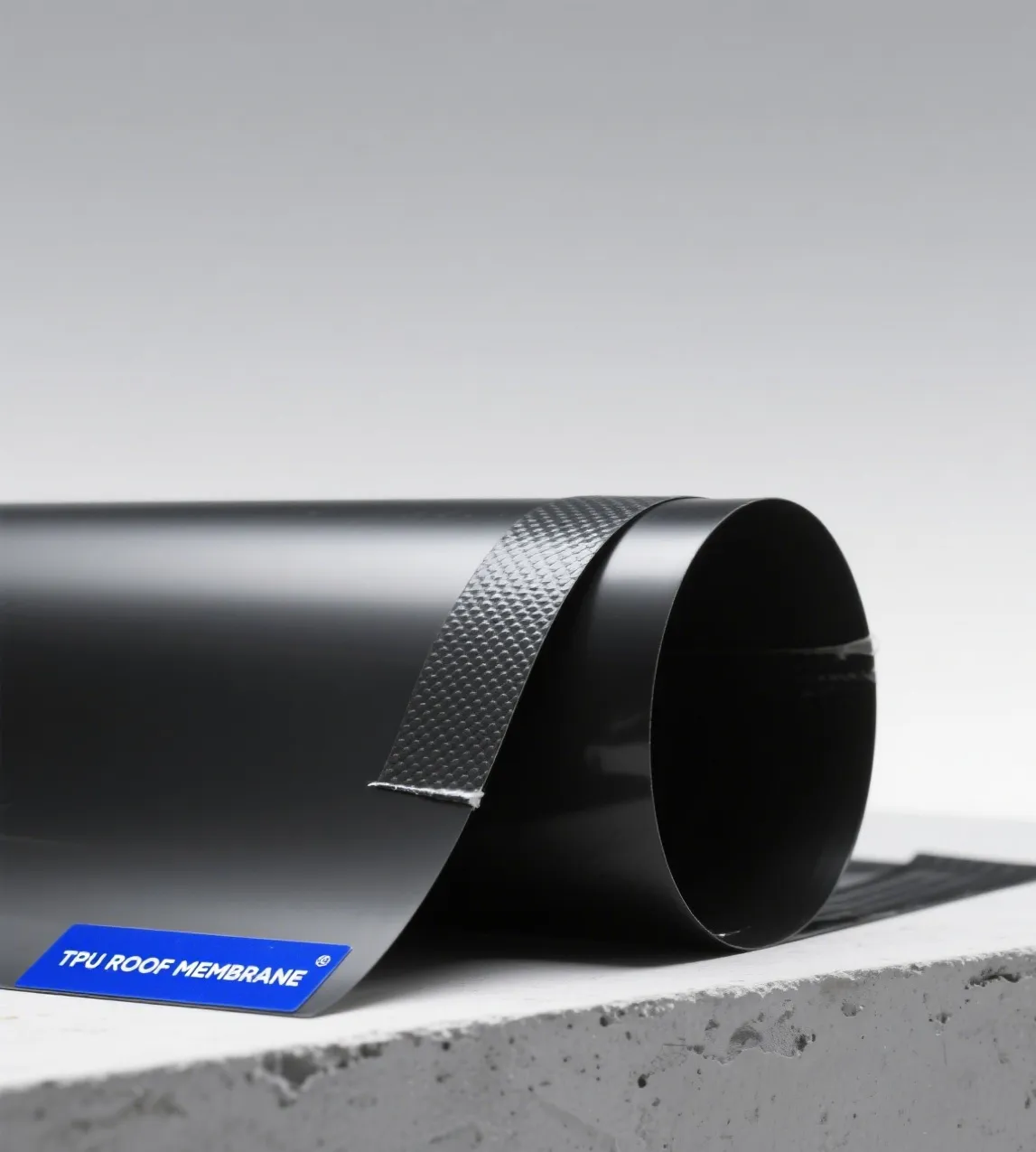
Exploring the future of durable, sustainable, and high-performance building envelopes with advanced thermoplastic polyurethane solutions.
The New Era of Roofing Systems
The construction industry is currently undergoing a significant transformation, driven by the demand for materials that are not only durable but also environmentally responsible. Traditional roofing materials like bitumen, PVC, and EPDM have served the industry for decades, yet they often fall short when it comes to extreme weather resistance and longevity. Enter the TPU roof membrane, a revolutionary solution that leverages the unique properties of thermoplastic polyurethane to provide unparalleled protection. This technology represents a leap forward in building science, offering a combination of elasticity, chemical resistance, and environmental friendliness that traditional alternatives simply cannot match. As architects and developers seek more resilient building envelopes, the adoption of advanced TPU technology is becoming a benchmark for modern commercial and residential projects.
The primary advantage of a TPU roof membrane lies in its molecular structure. Unlike PVC, which requires plasticizers that can leach out over time and cause brittleness, TPU is inherently flexible. This means it maintains its integrity even after years of exposure to UV radiation and fluctuating temperatures. Furthermore, the introduction of self-healing capabilities has elevated this material from a simple barrier to an active protective system. In an age where climate change is leading to more frequent hail storms and debris impact, having a roof that can naturally recover from minor abrasions is an invaluable asset for property owners and facility managers worldwide.
Understanding the Science of Self-Healing TPU
The term self-healing refers to the material's ability to repair itself after mechanical damage, such as scratches or small punctures. In the context of a TPU roof membrane, this is achieved through the thermal memory and thermoplastic nature of the polymer. When the surface is compromised, the molecular chains within the TPU remain mobile enough to reorganize when exposed to heat, such as natural sunlight. This allows the material to close small gaps and maintain its water-tight seal without the need for manual intervention. This specific characteristic significantly reduces the long-term maintenance costs associated with roofing, as minor damages that would typically lead to leaks are addressed by the material itself.
Beyond self-healing, the mechanical strength of these membranes is extraordinary. They possess high tensile strength and tear resistance, making them ideal for areas prone to high winds or heavy snowfall. The manufacturing process of TPU involves precision engineering where the hardness and elasticity can be tuned to meet specific climatic requirements. This adaptability ensures that a TPU roof membrane remains functional in both arctic cold and tropical heat. By eliminating the weak points found in traditional seams and materials, TPU technology provides a seamless integration into the building's structural design, ensuring that the interior remains protected regardless of external environmental pressures.
Installation Excellence and Structural Integrity
Installing a TPU roof membrane requires a high degree of professional expertise, but the process is streamlined compared to older technologies. Because TPU is a thermoplastic, it can be hot-air welded, creating seams that are actually stronger than the membrane itself. This permanent bond eliminates the need for adhesives or tapes that often fail after a few years. For contractors, this means a more reliable installation process and fewer callbacks. For building owners, it translates to peace of mind, knowing that the most vulnerable parts of a roof—the joints—are fused at a molecular level to prevent water ingress. The lightweight nature of TPU also reduces the dead load on the building structure, allowing for more creative architectural designs without compromising safety.
Moreover, the compatibility of TPU with various substrates makes it a versatile choice for both new constructions and renovation projects. Whether it is being applied over concrete, metal, or existing insulation layers, the membrane adapts to the contours of the building. This flexibility is crucial for complex roof geometries where traditional rigid materials often fail to provide adequate coverage. The high vapor permeability of certain TPU formulations also allows the building to breathe, preventing the buildup of moisture within the roofing assembly. This moisture management is essential for preventing mold growth and maintaining the structural integrity of the underlying timber or metal components over the decades-long lifespan of the roof.
Key Benefits of Advanced TPU Solutions
Sustainability
TPU is 100% recyclable and free from toxic plasticizers, making it the most eco-friendly choice for green building certifications like LEED or BREEAM.
UV Resistance
Advanced aliphatic TPU formulations provide superior resistance to yellowing and degradation caused by intense solar radiation.
Thermal Efficiency
The reflective properties of high-quality membranes help reduce cooling costs by minimizing heat absorption during the summer months.
Huanlong: Leading the TPU Innovation
As a pioneer in the polymer industry, Huanlong has dedicated years of research and development to perfecting the TPU roof membrane. Our commitment to quality and innovation has positioned us as a trusted partner for global construction projects. At Huanlong, we understand that a roof is more than just a cover; it is a critical component of a building's performance and energy efficiency. Our production facilities utilize state-of-the-art extrusion technology to ensure that every roll of membrane meets the highest international standards for thickness, strength, and consistency.
Our flagship TPU roof membrane products are designed to withstand the harshest environments while remaining easy to install and maintain. Beyond roofing, Huanlong offers a comprehensive suite of TPU solutions, including base films for automotive protection and medical-grade materials. Our expertise in aliphatic TPU technology ensures that our membranes do not yellow or become brittle over time, providing a clear aesthetic and functional advantage. When you choose Huanlong, you are investing in a legacy of excellence and a future of sustainable construction. We invite you to explore our full range of high-performance films and discover why we are the preferred choice for industry leaders.
Frequently Asked Questions
Q1: What makes a TPU roof membrane different from TPO or PVC?
Unlike PVC, a TPU roof membrane contains no plasticizers, meaning it won't become brittle over time. Compared to TPO, TPU offers superior elasticity, abrasion resistance, and unique self-healing properties that enhance its overall lifespan.
Q2: How does the self-healing feature of a TPU roof membrane work?
The self-healing capability is driven by the material's elastic memory. When the TPU roof membrane experiences minor scratches, the polymer chains can reorganize and "flow" back into place when exposed to heat from the sun, effectively repairing the surface.
Q3: Is the TPU roof membrane suitable for extreme climates?
Yes, the TPU roof membrane is engineered to remain flexible at temperatures as low as -40 degrees Celsius and stable at very high temperatures, making it suitable for any geographic location, from snowy regions to deserts.
Q4: Can a TPU roof membrane help in achieving green building certification?
Absolutely. Since the TPU roof membrane is 100% recyclable and manufactured without harmful chemicals, it significantly contributes to sustainability goals and helps projects earn LEED and other environmental certifications.
Q5: How long can I expect a Huanlong TPU roof membrane to last?
When properly installed, a Huanlong TPU roof membrane is designed to last 30 years or more. Its inherent resistance to UV radiation and environmental pollutants ensures long-term performance with minimal maintenance.
Ready to Upgrade Your Roofing Infrastructure?
The future of roofing is here with Huanlong's advanced TPU technology. Protect your investment with the most durable and sustainable membrane on the market.