
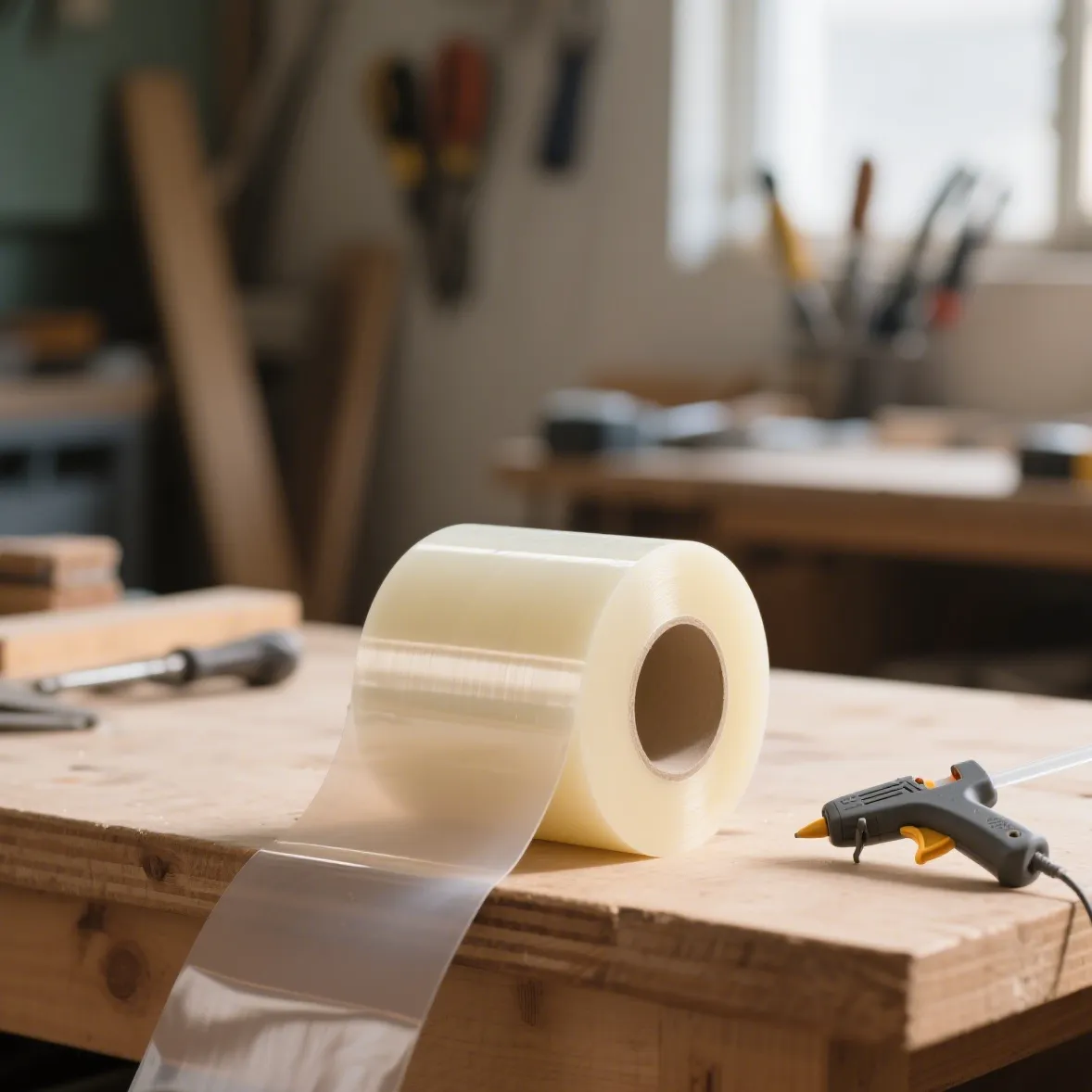
A Comprehensive Guide to High-Performance Bonding in Modern Medicine
Introduction to Advanced Medical Bonding
In the rapidly advancing landscape of medical textile manufacturing and healthcare equipment design, the demand for safe, durable, and biocompatible materials has never been higher. Among the most critical components in this sector is the TPU hot melt adhesive film. This specialized material has revolutionized the way medical professionals and manufacturers approach the bonding of functional fabrics, protective gear, and patient care products. Unlike traditional solvent-based adhesives that may contain harmful volatile organic compounds, thermoplastic polyurethane (TPU) films offer an eco-friendly and high-performance alternative that aligns with the stringent safety standards of the healthcare industry.
The adoption of TPU hot melt adhesive film in medical applications is driven by its unique ability to maintain structural integrity while remaining flexible and breathable. In hospital environments, where hygiene and patient comfort are paramount, these films provide a seamless bond that prevents the ingress of bacteria and fluids. Whether it is for surgical gowns, hospital mattress covers, or wearable medical devices, the integration of these films ensures that the end products are not only effective but also comfortable for long-term use. As we delve deeper into this guide, we will explore the technical nuances and strategic advantages of using these materials in a medical context.
Furthermore, the transition toward sustainable manufacturing has positioned TPU hot melt adhesive film as a preferred choice for global healthcare brands. Its solvent-free nature reduces the environmental footprint of production facilities, while its recyclability supports the growing circular economy in the medical sector. Industry leaders like Huanlong are at the forefront of this innovation, providing customized solutions that meet the diverse needs of modern healthcare providers. This article serves as a definitive resource for engineers and designers looking to optimize their medical products using high-quality thermoplastic adhesives.
Technical Characteristics and Biocompatibility
The technical superiority of TPU hot melt adhesive film lies in its molecular structure, which combines the toughness of plastic with the elasticity of rubber. In medical applications, this balance is vital. The film must be strong enough to withstand repeated sterilization cycles—whether through autoclaving, gamma radiation, or ethylene oxide (EtO) gas—without losing its adhesive properties. Most medical-grade TPU films are formulated to be skin-friendly, passing rigorous ISO 10993 testing for cytotoxicity, sensitization, and intracutaneous reactivity. This ensures that the film can be used in direct or indirect contact with patient skin without causing adverse reactions.
Another critical factor is the moisture vapor transmission rate (MVTR). High-performance TPU hot melt adhesive film can be engineered to be "breathable," allowing perspiration and moisture to escape while remaining a complete barrier to liquid water and pathogens. This is especially important for wound dressings and compression garments, where moisture management is essential for healing and preventing skin maceration. The film's transparency also allows for visual inspection of the bond line or the underlying skin, providing a functional advantage in clinical settings where monitoring is required without removing the protective layer.
Chemical resistance is also a hallmark of these materials. In a hospital setting, surfaces are frequently exposed to harsh disinfectants, oils, and biological fluids. A high-quality TPU hot melt adhesive film maintains its bond strength and physical properties even when subjected to these substances. This durability extends the lifespan of medical equipment, such as inflatable patient positioning systems and ergonomic seating, providing significant cost savings for healthcare facilities over time. Manufacturers often select specific melting points for these films to match the heat sensitivity of the substrates they are bonding, ensuring a perfect seal every time.
Strategic Application Scenarios in Healthcare
The versatility of TPU hot melt adhesive film allows it to be used across a broad spectrum of medical devices. One of the primary applications is in the production of surgical drapes and gowns. Traditional sewing creates needle holes that can compromise the sterile barrier. By using adhesive films for seam sealing, manufacturers create a liquid-proof and virus-proof barrier that protects both the patient and the surgical team. This "no-stitch" technology is becoming the industry standard for high-risk surgical environments where barrier performance is non-negotiable.
In the realm of patient support surfaces, such as anti-decubitus (bedsore) mattresses, TPU hot melt adhesive film is used to laminate functional fabrics to foam or to create inflatable air cells. The film's high fatigue resistance ensures that these air cells can be inflated and deflated thousands of times without leaking. The soft touch of TPU also contributes to patient comfort, reducing friction and shear forces that contribute to skin breakdown. As healthcare moves toward more personalized medicine, we are also seeing these films used in smart medical wearables, where they bond sensors and flexible electronics directly to textiles.
Beyond direct patient care, these films play a role in medical packaging. The ability to create a strong, peelable, and sterile seal makes them ideal for lid stock on medical trays. The consistent thickness of the TPU hot melt adhesive film ensures that there are no weak spots in the seal, maintaining the sterility of the device until the moment of use. Whether it is for high-tech implants or simple bandages, the reliability of the bonding agent is a critical link in the healthcare supply chain, and TPU films provide that reliability with unmatched consistency and ease of processing.
Benefits and Value Proposition
Integrating TPU hot melt adhesive film into medical product manufacturing offers quantifiable benefits. First and foremost is the improvement in production efficiency. These films can be applied using continuous lamination, heat pressing, or ultrasonic welding, all of which are faster and more consistent than manual glue application. This leads to lower labor costs and a significant reduction in waste. Because the film is a solid state material, there is no risk of "glue squeeze-out" or messy application, resulting in a cleaner, more professional-looking end product that reflects the quality of the medical brand.
From a regulatory perspective, using TPU hot melt adhesive film simplifies the path to certification. Since these films are often pre-certified for medical use and are free from phthalates, latex, and other common allergens, manufacturers can have greater confidence in their final product's safety profile. This reduced risk is invaluable in an industry where product recalls can be financially devastating and damaging to a company's reputation. Furthermore, the enhanced durability of the bond means fewer product failures in the field, leading to higher customer satisfaction and trust among clinical professionals.
The value also extends to the end-user experience. Patients benefit from the lightweight and flexible nature of TPU-bonded products. In dressings, the transparency of the film allows clinicians to monitor healing without disturbing the wound, which can speed up recovery times and reduce pain. In garments, the absence of bulky seams reduces irritation and allows for better mobility. By choosing TPU hot melt adhesive film, manufacturers are not just choosing a glue; they are choosing a material that enhances the overall therapeutic value of their medical solutions.
The Huanlong Advantage: Your Partner in Medical TPU Solutions
Huanlong is a leading innovator in the field of thermoplastic polyurethane technology, specializing in the development of premium TPU hot melt adhesive film tailored for the global healthcare market. With years of expertise and state-of-the-art production facilities, we understand the unique challenges faced by medical device manufacturers. Our commitment to quality is reflected in our rigorous testing protocols and our ability to provide customized film formulations that meet specific bonding requirements, from low-temperature activation to high-breathability performance.
Our product portfolio includes a wide range of high-performance TPU films that are already being used in world-class medical facilities. We take pride in our medical grade TPU film solutions, which offer exceptional sterilization stability and biocompatibility. By partnering with Huanlong, you gain access to our technical support team, who can assist with material selection, process optimization, and ensuring your products meet the highest industry standards. We are not just a supplier; we are a strategic partner dedicated to advancing the future of healthcare through material science.
Whether you are developing the next generation of surgical protection or innovating in the wearable health tech space, Huanlong provides the TPU hot melt adhesive film technology you need to succeed. Our global distribution network ensures timely delivery and consistent quality, allowing you to focus on what matters most: improving patient outcomes. Discover how our expertise in TPU can transform your production process and elevate your product offerings in a competitive medical market.
Frequently Asked Questions
Q1: Is TPU hot melt adhesive film safe for skin-contact medical devices?
Yes, medical-grade TPU hot melt adhesive film is specifically formulated to be biocompatible. Leading suppliers like Huanlong ensure their films pass ISO 10993 standards, making them safe for prolonged skin contact in applications like wound dressings and medical wearables.
Q2: How does TPU hot melt adhesive film handle hospital sterilization?
TPU hot melt adhesive film is designed to be highly resilient. It can typically withstand common sterilization methods, including Gamma radiation, Ethylene Oxide (EtO) gas, and even certain steam autoclave cycles, without losing its bond strength or structural integrity.
Q3: Can the breathability of TPU hot melt adhesive film be customized?
Absolutely. One of the major advantages of TPU hot melt adhesive film is that its molecular structure can be adjusted during manufacturing to provide specific moisture vapor transmission rates (MVTR), ensuring the right balance of barrier protection and breathability for medical use.
Q4: Why choose TPU hot melt adhesive film over traditional liquid glues?
Compared to liquid glues, TPU hot melt adhesive film offers a more uniform thickness, faster processing times, and zero VOC emissions. It provides a cleaner manufacturing environment and a more consistent bond, which is crucial for maintaining the quality standards of medical products.
Q5: What substrates are compatible with TPU hot melt adhesive film?
TPU hot melt adhesive film is exceptionally versatile and can bond a wide variety of substrates common in the medical industry, including polyester and nylon fabrics, various foams, non-woven materials, and even certain metals or plastics used in medical equipment.
Ready to Elevate Your Medical Product Quality?
Join hundreds of healthcare manufacturers who trust Huanlong for their critical bonding needs. Our expert team is ready to help you find the perfect TPU solution.