
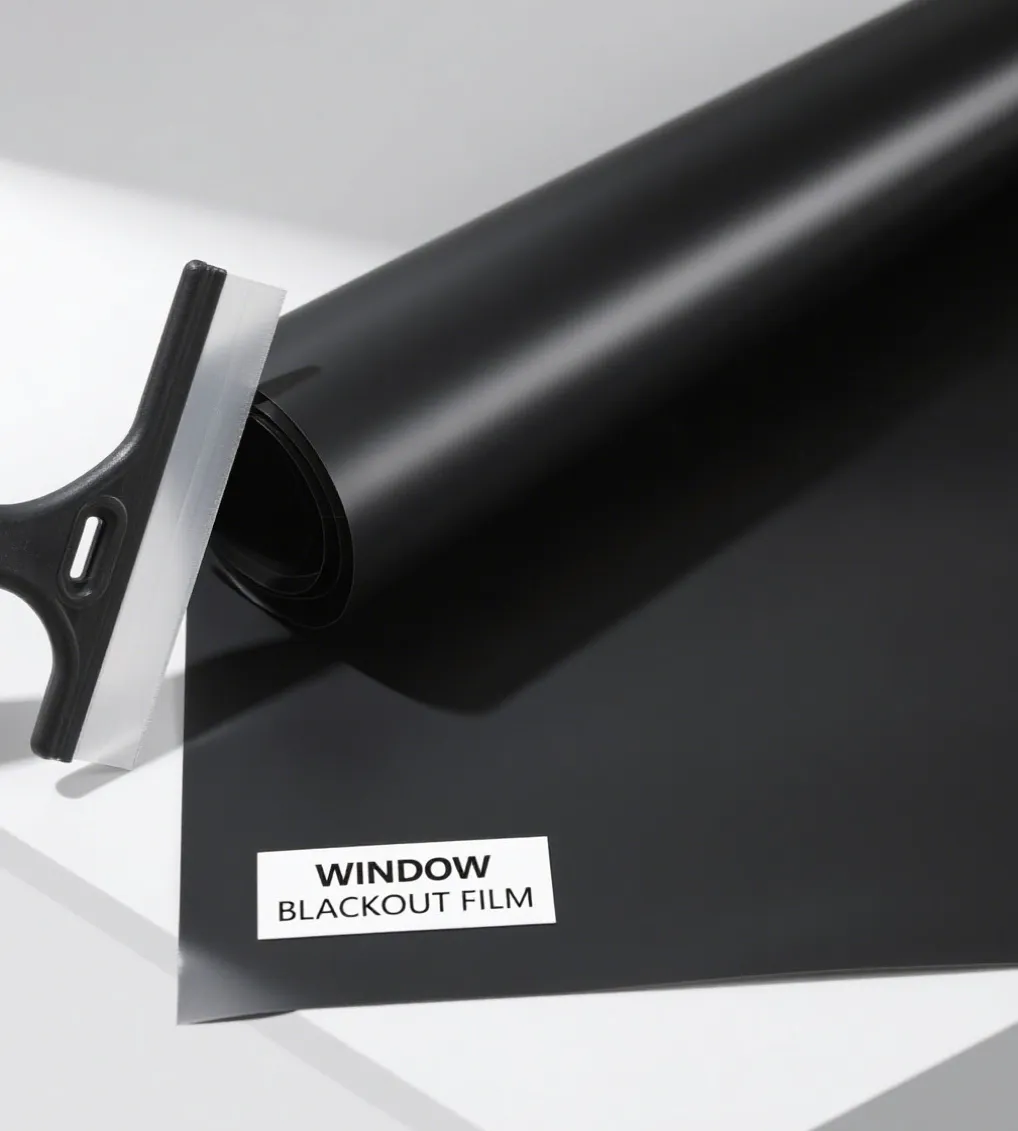
Exploring the intersection of light control, thermal regulation, and advanced polymer technology in modern green building design.
The Evolution of Light Control in Modern Design
In the contemporary architectural landscape, the balance between natural illumination and energy conservation has become a primary challenge for designers and engineers. As urban density increases and glass-fronted structures become the norm, the need for effective light management systems has never been more critical. This is where the application of a professional window blackout film enters the equation as a strategic solution for both residential and commercial projects. Unlike traditional window treatments that merely block sightlines, modern high-performance films are engineered at the molecular level to provide comprehensive environmental control. They serve as a sophisticated barrier that manages the entry of visible light while simultaneously addressing the invisible spectrums of solar energy, such as ultraviolet and infrared radiation.
The shift toward sustainable architecture demands materials that contribute to a building overall energy rating. By integrating advanced films into the glazing systems, architects can significantly reduce the internal heat gain of a structure. This reduction directly correlates to lower operational costs and a smaller carbon footprint, as mechanical cooling systems do not have to work as hard to maintain a comfortable ambient temperature. Furthermore, the aesthetic versatility of these films allows for seamless integration into various design styles, from minimalist high-rises to heritage restorations, providing a uniform external appearance while offering tailored internal functionality.
The Science of Thermal Insulation and Privacy
To understand the efficacy of a window blackout film, one must examine the physics of solar energy transfer. Glass is a natural conductor of heat, and without proper treatment, it acts as a thermal bridge that allows external heat to penetrate the interior during summer and internal warmth to escape during winter. High-quality films utilize multi-layered polymer structures to reflect solar radiation away from the glass surface. This reflective capability is not just about comfort; it is about protecting the interior environment. Continuous exposure to UV rays is the leading cause of fading in expensive interior furnishings, artworks, and flooring. By blocking up to 99% of these harmful rays, a properly installed film extends the lifespan of interior assets significantly.
Privacy is another cornerstone of the functionality provided by these films. In densely populated urban areas, the desire for "total darkness" or "total privacy" is often at odds with the architectural trend of large windows. A blackout solution provides an immediate and permanent fix, creating a sanctuary within the home or office. This is particularly valuable in specialized environments such as medical facilities, laboratories, and high-security conference rooms where visual confidentiality is mandatory. The material composition of these films ensures that they remain opaque and durable over years of use, resisting the peeling, bubbling, and discoloration that often plague inferior, traditional adhesive products.
Advanced Material Technology: The TPU Advantage
The performance of any architectural film is fundamentally limited by its base material. For decades, PVC and PET were the industry standards, but they often fell short in terms of environmental impact and long-term flexibility. Today, Thermoplastic Polyurethane (TPU) has emerged as the premium choice for high-end film applications. TPU offers an unparalleled combination of elasticity, transparency, and resistance to environmental stressors. When utilized as the foundation for a window blackout film, TPU provides a superior tactile feel and much better adaptation to the glass surface, ensuring a bubble-free installation that can withstand extreme temperature fluctuations without cracking or losing adhesion.
In the context of sustainable manufacturing, TPU is a far more eco-friendly option compared to traditional vinyl. It is often recyclable and does not release the same level of volatile organic compounds (VOCs) during its lifecycle. For architects pursuing LEED or BREEAM certifications, selecting materials with a lower environmental impact is essential. The durability of TPU-based films means less frequent replacement, which reduces waste over the building life cycle. This long-term perspective on material selection is what differentiates a standard renovation from a truly sustainable architectural project. By choosing materials that are engineered for longevity, property owners ensure that their investment continues to pay dividends in energy savings for years to come.
Strategic Advice for Installation and Maintenance
Achieving the full benefits of a window blackout film requires more than just high-quality material; it requires precise execution and strategic planning. The first step in any professional installation is a thorough analysis of the existing glazing system. Not all glass types react the same way to blackout treatments. For instance, double-pane or low-E glass requires specific film specifications to prevent heat buildup between the layers, which could theoretically lead to glass breakage if the wrong film is applied. Consulting with a polymer specialist ensures that the film selected is thermally compatible with the specific window structure of the building.
Maintenance of these high-performance films is remarkably straightforward, which adds to their value proposition for commercial facility managers. Unlike curtains or blinds that accumulate dust, allergens, and require expensive professional cleaning, films can be maintained with standard non-abrasive cleaning solutions. This hygienic benefit is particularly important in healthcare and hospitality settings. Furthermore, the anti-scratch coatings applied to modern films ensure that they maintain their pristine appearance even in high-traffic areas. When the lifecycle of the film eventually comes to an end, modern adhesive technologies allow for clean removal without damaging the underlying glass, facilitating a simple upgrade path as new technologies emerge.
Huanlong: Pioneering TPU Film Solutions
At Huanlong, we specialize in the engineering and production of high-performance TPU base films that serve as the backbone for the world most demanding applications. Our expertise in polymer science allows us to produce materials that exceed industry standards for durability, weather resistance, and functional performance. While we are a leading supplier for automotive and medical industries, our functional films are increasingly being adopted in the architectural sector for light control and protective applications. Our commitment to innovation is reflected in our state-of-the-art production facilities, where we ensure that every micron of film meets rigorous quality benchmarks.
Our product range includes specialized TPU solutions that are ideal for creating high-end window blackout film and other architectural membranes. The advantages of choosing Huanlong include superior yellowing resistance, exceptional tensile strength, and a focus on sustainable manufacturing processes. We understand that in the world of high-performance films, consistency is key. Whether you are looking for a base film for lamination or a finished functional layer, our technical team is equipped to provide the insights and materials needed to ensure your project's success. We leverage our deep experience in aliphatic TPU technology to provide products that remain clear and flexible even under the harshest UV exposure.
Conclusion: The Future of Energy-Efficient Glazing
The integration of window blackout film into sustainable architecture is more than just a trend; it is a necessary evolution in how we manage the built environment. By addressing light control, privacy, and thermal efficiency through advanced material science, we can create spaces that are more comfortable, more private, and significantly more efficient. As we move toward a greener future, the role of high-performance polymers like TPU will only grow, providing the tools necessary for architects to push the boundaries of what is possible in sustainable design.
In summary, the strategic use of blackout films offers a quantifiable return on investment through energy savings and asset protection. By partnering with experts like Huanlong, developers and architects can ensure they are utilizing the highest quality materials available on the market today.
Frequently Asked Questions
Q1: How does window blackout film contribute to energy savings?
A window blackout film acts as a thermal barrier, reflecting a significant portion of solar heat gain away from the building. This reduces the load on air conditioning systems during summer months and provides an additional layer of insulation to retain heat during winter, leading to lower monthly energy bills.
Q2: Can window blackout film be installed on any type of glass?
While most films are versatile, it is crucial to match the film to the specific glass type (single-pane, double-pane, or tempered). Specialized films are designed to prevent thermal stress on modern high-efficiency windows, so professional consultation is always recommended before application.
Q3: Is the privacy provided by window blackout film effective at night?
Yes, unlike perforated or one-way films that rely on light differentials, a true window blackout film provides total opacity. This ensures complete privacy and light blockage both day and night, regardless of the internal or external lighting conditions.
Q4: How long does a high-quality window blackout film typically last?
When manufactured with premium materials like TPU and installed by professionals, these films can last for over 10 to 15 years. They are designed to resist yellowing, peeling, and cracking, maintaining their functional and aesthetic properties throughout their lifespan.
Q5: Will window blackout film damage my windows if I decide to remove it?
No, professional-grade films use advanced adhesives that are designed for a semi-permanent bond. When removed using the correct techniques and heat tools, the film will come off cleanly without leaving permanent residue or damaging the glass surface.
Ready to Enhance Your Architectural Project?
Contact Huanlong today to discuss how our advanced TPU film solutions can improve your building efficiency and privacy.
Get Professional Support