
The Evolution of Advanced Medical Protective Materials
The healthcare industry is constantly seeking materials that can provide an impenetrable barrier against pathogens while ensuring the highest levels of patient comfort and skin health. For decades, traditional materials like PVC or basic polyethylene films were used, but these often lacked the necessary breathability and flexibility required for modern clinical settings. The introduction of medical grade tpu film has fundamentally changed this landscape. This advanced thermoplastic polyurethane serves as a high-performance membrane that bridges the gap between rigid protection and soft-touch comfort. As medical procedures become more sophisticated, the demand for materials that can be integrated into "smart" wound dressings, sterile surgical drapes, and ergonomic pressure-relief systems has skyrocketed. This guide explores the technical superiority of TPU in the medical sector, highlighting how it meets the rigorous safety standards of today’s healthcare environments while providing a versatile platform for future innovation.,,
Biocompatibility and Safety Standards in Healthcare
When developing products for the medical sector, the primary concern is the safety of the patient and the healthcare provider. A high-quality medical grade tpu film must meet stringent biocompatibility requirements to ensure it does not cause irritation or allergic reactions upon contact with human skin. Unlike traditional materials that may contain harmful additives, premium TPU films are engineered to be "low VOC, odorless, and plasticizer-free". This is particularly important for long-term applications, such as medical mattresses or wheelchair cushions, where the patient may be in direct or indirect contact with the material for extended periods. Furthermore, the material's "eco-friendly and non-toxic" nature makes it "safe for sensitive users," including pediatric and geriatric patients. By choosing a material that is naturally resistant to chemicals and bodily fluids, manufacturers can ensure that their products maintain a sterile environment and meet the strict global regulatory standards required for medical certification and clinical use.,
High Vapor Transmission for Wound Care and Patient Comfort
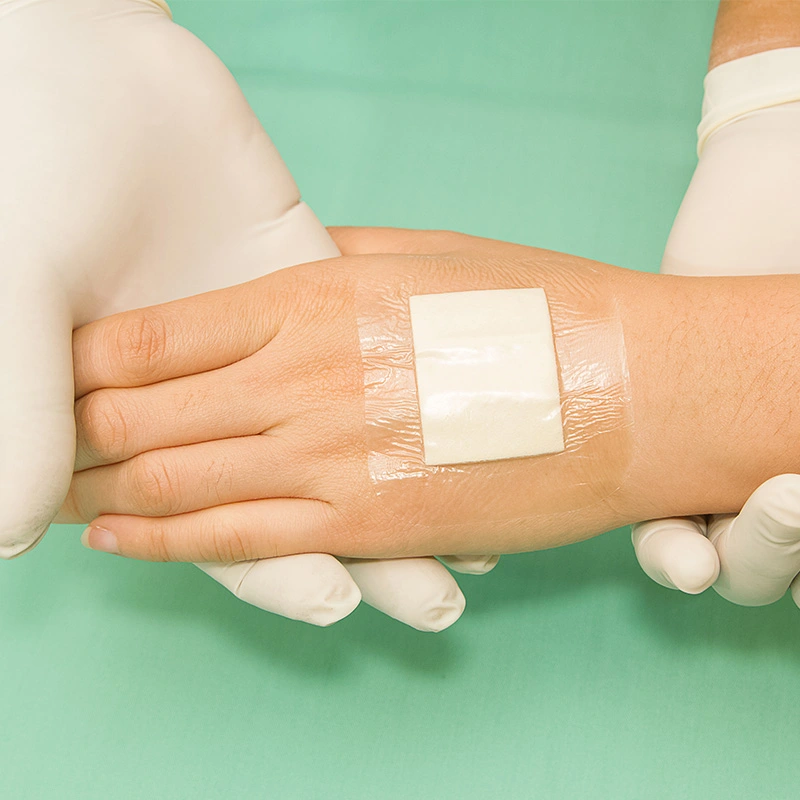
One of the standout features of medical grade tpu film is its ability to provide a "perfect balance of waterproofness and moisture vapor transmission". In the context of advanced wound care, this breathability is essential. A non-porous TPU membrane allows water vapor to escape from the wound site while effectively "blocking liquid water, bacteria, and viruses". This high Moisture Vapor Transmission Rate (MVTR), which can reach levels of "10,000+ g/m²/24h," prevents skin maceration—a condition where the skin becomes soft and breaks down due to trapped moisture. Furthermore, these films have a "low RET value," which ensures high physiological comfort by allowing the skin's microclimate to remain stable. Whether used in a simple adhesive bandage or a complex negative-pressure wound therapy system, the breathability of TPU film promotes faster healing times and reduces the risk of secondary infections, making it an indispensable tool for modern medical practitioners.,
Mechanical Strength and Long-Term Durability
Medical equipment is often subjected to harsh cleaning protocols and constant physical stress. Consequently, a medical grade tpu film must possess "high abrasion, wear, and scratch resistance" to survive in a hospital environment. TPU films are renowned for their "excellent durability under repeated bending and compression," which is critical for inflatable components like medical mattresses and pressure-relief pads that must adjust to a patient's movements. Unlike PVC, which can become brittle and crack over time, TPU maintains its "excellent low-temperature flexibility" and structural integrity. It also boasts "great bending resistance" and can withstand repeated "machine washing" without losing its functional properties. This durability ensures that medical fabrics remain waterproof and airtight throughout their service life, providing a reliable barrier that protects both the patient and the underlying equipment from contamination and fluid ingress.,
Innovative Applications from Hospital Bedding to Protective Gear
The versatility of medical grade tpu film allows it to be utilized across a wide spectrum of healthcare applications. In the realm of "medical and healthcare products," foamed TPU and TPU films are "ideal for medical mattresses, wheelchair cushions, and pressure-relief pads". These materials provide "consistent support and comfort" while being "waterproof and easy to clean," satisfying high medical-grade hygiene requirements. In the operating room, TPU is used for sterile drapes and surgical gowns, where its "soft touch and comfort enhancement" help reduce the fatigue of medical staff during long procedures. Additionally, the material's "excellent optical clarity" allows it to be used in transparent components where visual monitoring is necessary. From "medical wound dressings" to "protective fabrics," the ability of TPU to be laminated onto various substrates—such as foams or textiles—enables the creation of multifunctional products that are both protective and user-friendly, ultimately improving the quality of patient care.,
Zhejiang Huanlong: Leading Innovation in Medical Film Solutions
Zhejiang Huanlong New Material Science Technology Co., Ltd. is a premier global manufacturer specializing in the R&D and production of high-performance TPU solutions, including specialized medical grade tpu film. With over 18 years of industry experience and a total investment of $65 million, we have built a world-class manufacturing infrastructure that includes three advanced plants and over 40 production lines., Our facilities span a massive 160,000 m², allowing us to provide "one-stop solutions" for the most demanding medical and technical textile applications.,
Our medical-grade products are characterized by their "superior softness," "eco-friendly and non-toxic" properties, and their ability to meet "material recycling requirements (GRS)"., We pride ourselves on producing films that offer "higher material strength" and a "quiet inflation process," making them ideal for high-end medical seating and bedding systems. With a dedicated team of over 300 professionals and a commitment to continuous innovation, Huanlong ensures that our partners receive materials that are not only technically superior but also sustainable and safe for the end-user. Choose Huanlong as your trusted partner to elevate your medical product designs with our durable, breathable, and biocompatible TPU film technology.,
FAQ
Q1: Why is medical grade tpu film preferred for advanced wound care?
Medical grade tpu film is preferred because it offers a "perfect balance of waterproofness and moisture vapor transmission," allowing wounds to breathe while blocking external contaminants like liquid water and bacteria.
Q2: Is medical grade tpu film safe for skin contact?
Yes, high-quality medical grade tpu film is "low VOC, odorless, and plasticizer-free," making it "eco-friendly and non-toxic" and safe even for patients with sensitive skin.,
Q3: How does the breathability of medical grade tpu film help patients?
The breathability, measured by a "high MVTR," allows sweat and moisture to evaporate, which prevents skin maceration and enhances "high comfort" for patients using medical dressings or bedding.,
Q4: What makes medical grade tpu film superior to PVC for medical use?
Compared to PVC, medical grade tpu film offers "superior softness, elasticity," and better "weather resistance." It is also "recyclable and plasticizer-free," making it a much safer and more sustainable choice for clinical environments.,
Q5: Can medical grade tpu film be sterilized and reused?
While specific reuse depends on the product design, medical grade tpu film is "durable and machine washable," maintaining its functionality over time even after repeated cleaning and bending.,