
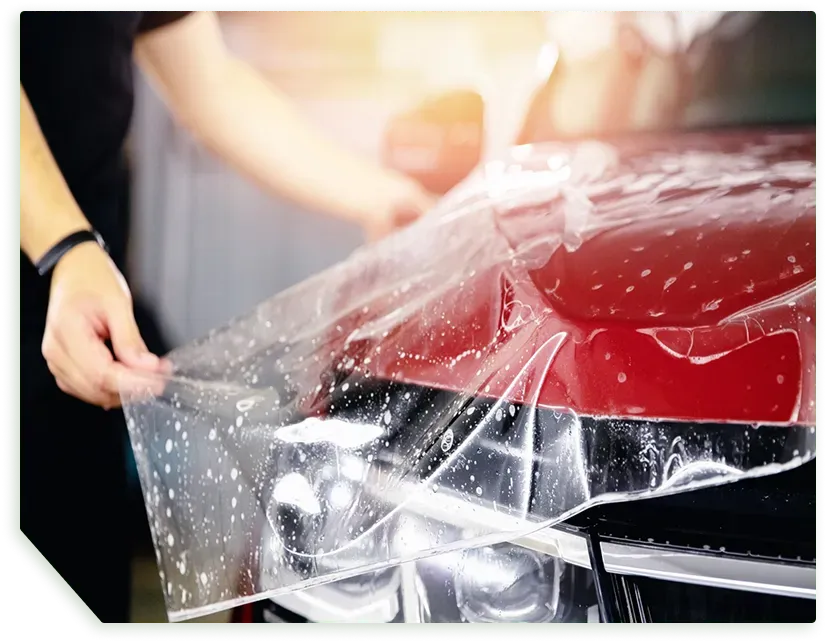
Introduction to Modern Automotive Surface Preservation
In the contemporary automotive market, the aesthetic value of a vehicle is as significant as its mechanical performance. Car owners, particularly those investing in luxury or electric vehicles, are increasingly seeking advanced solutions to protect their paint from the daily hazards of the road. Among the various technologies available, the tpu film for paint protection has emerged as the industry gold standard for premium car care. This material serves as a transparent, high-performance barrier that preserves the original factory finish while offering a range of functional benefits that were previously unattainable with traditional plastic films. By understanding the core technology behind these films, consumers and professional detailers can make informed decisions that ensure long-term vehicle value. This guide provides a deep dive into the properties of Thermoplastic Polyurethane (TPU) and why it has revolutionized the way we protect automotive surfaces from environmental and mechanical damage.
The Physical Superiority of TPU: Flexibility and Impact Resistance
The primary function of any paint protection film is to act as a sacrificial shield against stone chips, road debris, and physical abrasions. The mechanical excellence of tpu film for paint protection lies in its unique molecular structure, which combines rigid segments for strength with flexible segments for elasticity. Unlike rigid plastics, TPU is an elastomer, meaning it can stretch and deform under impact and then return to its original shape. This property is crucial when a pebble strikes a car's hood at high speed; rather than cracking or chipping, the TPU film absorbs and dissipates the kinetic energy, leaving the underlying paint untouched. This "excellent flexibility" also allows the film to be applied seamlessly over the complex, three-dimensional curves of modern vehicle bodies, such as mirrors, bumpers, and flared wheel arches. For manufacturers, this high material strength ensures that the film remains a reliable barrier even under extreme mechanical stress, providing a level of "outstanding scratch, impact, and abrasion resistance" that traditional materials cannot match.
Optical Clarity and the Science of Self-Healing
A premium tpu film for paint protection must be virtually invisible once applied, maintaining the depth and gloss of the vehicle's original paint. High-quality aliphatic TPU substrates offer "excellent optical clarity and gloss retention," ensuring that the film does not dull the finish or create an orange-peel effect. One of the most technologically advanced features of these films is their "self-healing" capability. When minor scratches or swirl marks occur on the surface of the film, the TPU molecules can reorganize themselves when exposed to heat—such as from sunlight or warm water. This means that the unsightly micro-scratches that usually accumulate from improper washing or environmental contact simply disappear, keeping the car looking brand-new for years. This aliphatic advantage also includes "superior UV resistance and anti-yellowing performance," which is essential for maintaining the film's transparency over long-term exposure to intense sunlight.
Comparative Analysis: Why TPU Dominates PVC and PET
When choosing a substrate for paint protection, it is essential to compare TPU against its common predecessors: PVC (Polyvinyl Chloride) and PET (Polyethylene Terephthalate). Historically, PVC was used for basic car wraps due to its low cost, but it suffers from significant drawbacks, including a "poor" rating for weather resistance and a tendency to turn yellow and become brittle as plasticizers migrate out of the material. PET films offer good clarity but lack the necessary flexibility and "none" self-healing properties required for exterior automotive use. In contrast, TPU is rated "excellent" across all key performance categories, including clarity, flexibility, and abrasion resistance. While PVC is hard and less aesthetic, TPU provides a "soft-touch, smooth" finish that enhances the vehicle's appearance. Furthermore, while PVC contains harmful plasticizers, TPU is "plasticizer-free and recyclable," making it the industry-preferred choice for high-end, long-term applications.
Installation Excellence and Complex Curve Conformity
The ease with which a film can be installed is a critical factor for professional PPF shops. The tpu film for paint protection is designed with "high flexibility for complex car body curves," which significantly reduces the time and labor required for a flawless installation. Because the material is soft and elastic, it can be stretched around tight corners without the risk of "ghosting" or edge lifting—problems frequently associated with stiffer PET or PVC films. This superior "processability" means that the film can be laminated and bonded easily, creating a tight, aerodynamic seal over the vehicle's surface. Once the installation is complete and the hard coating is applied, the surface becomes hydrophobic and stain-resistant, making the vehicle much easier to clean and maintain. This combination of installer-friendly mechanics and a high-end aesthetic result ensures that TPU-based protection remains the top choice for discerning automotive professionals and their clients.
Environmental Responsibility and Sustainable Protection
In an era of increasing environmental awareness, the chemical composition of automotive materials is under greater scrutiny than ever. Traditional PVC films are problematic because they often contain heavy metals and phthalates, and they are difficult to dispose of safely. On the other hand, TPU films represent a significant step toward "green" manufacturing in the automotive sector. TPU is "recyclable and plasticizer-free," which aligns with global sustainability goals and reduces the environmental footprint of the vehicle. Leading manufacturers now offer GRS-compliant (Global Recycled Standard) materials, ensuring that the protection of the car does not come at the expense of the planet. Additionally, because TPU is more durable and has a "longer lifespan" than other plastics, it reduces the frequency of replacement, further contributing to waste reduction. By choosing a TPU-based solution, brands and consumers are supporting a more circular and responsible automotive ecosystem.
The Strategic Value of Aliphatic TPU Substrates
For manufacturers and converters, selecting the right base film is a strategic decision that affects brand reputation and warranty claims. Aliphatic TPU is specifically engineered for exterior environments, offering "higher weather and chemical resistance" than aromatic alternatives. This durability is vital because automotive films are constantly exposed to bird droppings, road salt, industrial fallout, and extreme temperature fluctuations. A high-quality aliphatic tpu film for paint protection remains stable and transparent, avoiding the cracking or clouding that can plague lower-quality films. This technical stability allows manufacturers to offer multi-year warranties, giving consumers peace of mind and building trust in the product. The transition to aliphatic TPU reflects a broader industry trend toward "high-performance functional films" that deliver consistent results in the most demanding real-world conditions.
About Zhejiang Huanlong New Material Science Technology Co., Ltd.
Zhejiang Huanlong New Material Science Technology Co., Ltd. is a premier global provider of "one-stop solutions" in the field of high-performance TPU films. With over 18 years of industry expertise and a total investment of $65 million, we have established a dominant presence in the market with three world-class manufacturing plants. Our state-of-the-art facilities house more than 40 advanced production lines and span a total production area of 160,000 m², supported by a dedicated team of over 300 professionals. We specialize in the production of high-quality "aliphatic TPU base film for paint protection," which is widely recognized for its "superior UV resistance, non-yellowing property," and "better optical clarity".
Our company is committed to innovation and sustainability, providing materials that meet the rigorous Global Recycled Standard (GRS) while delivering "higher material strength" and "great bending resistance". Beyond automotive exterior films, our diverse product portfolio includes specialized solutions for automotive seat comfort systems, medical protective fabrics, and high-breathable textiles. By combining large-scale manufacturing capacity with a relentless focus on quality and eco-friendly technology, Zhejiang Huanlong empowers global partners to deliver the ultimate in protection and performance.
FAQ
Q1: What is the lifespan of tpu film for paint protection compared to other materials?
A high-quality tpu film for paint protection is designed for a "longer lifespan" and better "weather resistance" compared to PVC, which can yellow and crack within a couple of years.
Q2: How does tpu film for paint protection heal itself?
The tpu film for paint protection features "self-healing" properties where the material reorganizes its molecular structure when exposed to heat (sunlight or warm water), causing minor scratches to disappear.
Q3: Why is tpu film for paint protection better than PVC for white cars?
Unlike PVC, which is prone to yellowing, an aliphatic tpu film for paint protection offers "superior UV resistance and anti-yellowing performance," ensuring it remains clear on white or light-colored vehicles.
Q4: Is tpu film for paint protection easy to install on curves?
Yes, tpu film for paint protection is known for "high flexibility for complex car body curves," making it much easier for installers to achieve a seamless, invisible fit compared to stiffer PET or PVC films.
Q5: Does tpu film for paint protection turn yellow over time?
When made with premium aliphatic resins, tpu film for paint protection provides "excellent color stability" and "non-yellowing properties," maintaining its "optical clarity" even after years of UV exposure.