
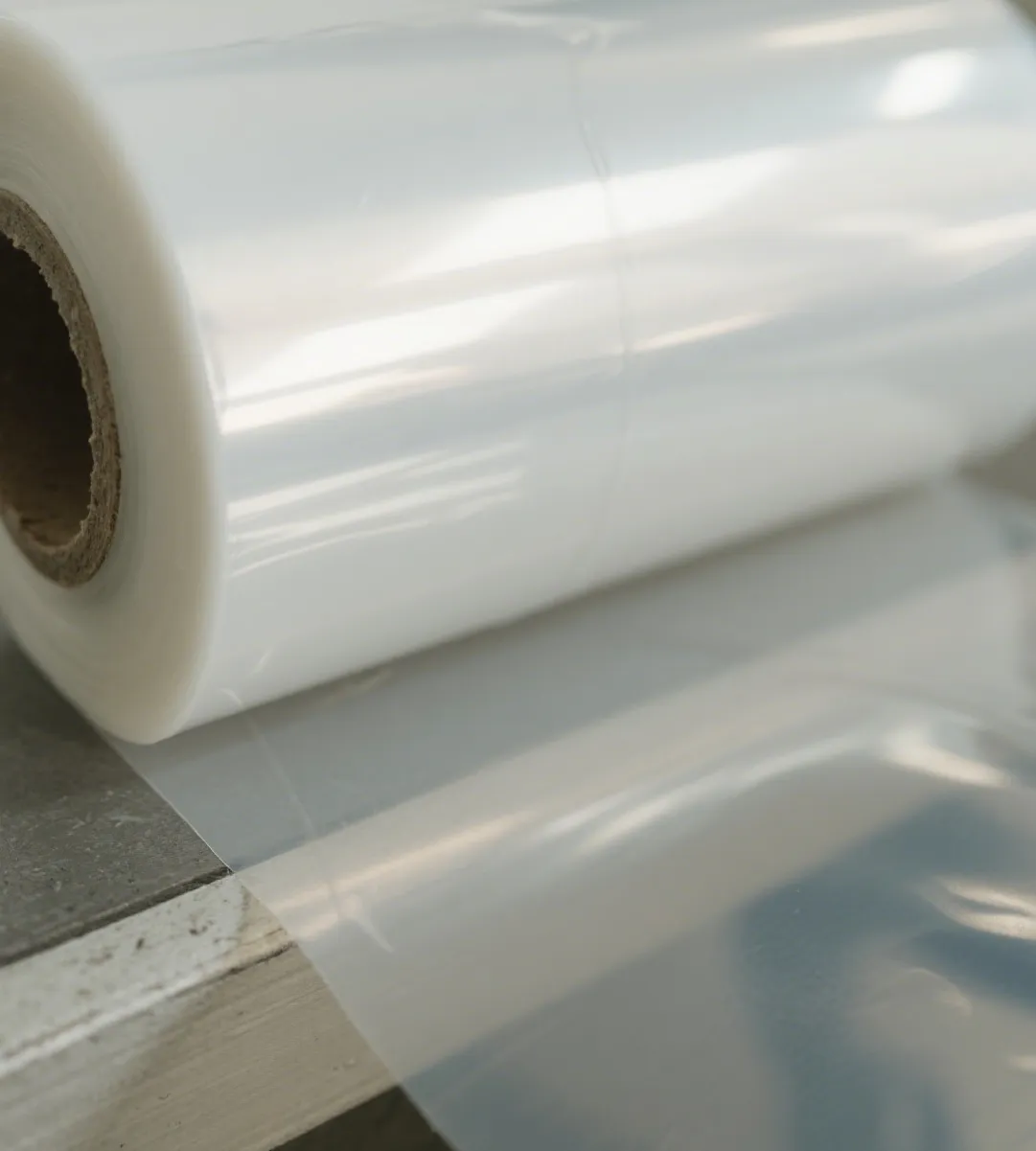
An authoritative guide to sustainable material innovation in modern medical manufacturing and patient care.
The Evolution of Sustainable Medical Materials
The global healthcare industry is currently undergoing a significant paradigm shift, transitioning from traditional single-use plastics toward more environmentally responsible alternatives. Among these innovations, biodegradable TPU film has emerged as a frontrunner, offering a unique combination of high-performance physical properties and ecological compatibility. Traditionally, medical disposables relied heavily on materials like PVC or standard polyethylene, which, while functional, present long-term environmental challenges due to their persistence in landfills and potential chemical leaching. Today, medical device manufacturers are increasingly prioritizing materials that satisfy stringent clinical requirements while supporting corporate sustainability goals.
This transition is not merely driven by environmental altruism but also by regulatory pressures and the rising demand for biocompatible solutions. The medical-grade thermoplastic polyurethane (TPU) serves as an ideal base for these developments because it is inherently free of plasticizers like phthalates. When engineered to be biodegradable, this material maintains its legendary durability, elasticity, and barrier protection during its service life, only breaking down under specific environmental conditions after disposal. This dual-purpose nature makes it an essential component in the modern medical supply chain, ensuring that patient safety and planetary health are no longer mutually exclusive objectives.
Technical Advantages of Biodegradable TPU Film in Healthcare
What sets biodegradable TPU film apart from other eco-friendly polymers is its exceptional mechanical versatility. In medical applications, a film must withstand significant stress, including stretching, shearing, and puncture, without failing. TPU films are known for their high tensile strength and elongation capacity, often exceeding 400% to 600%. This allows them to conform to the irregular shapes of the human body, providing a "second skin" effect that is vital for advanced wound dressings and surgical drapes. Furthermore, the molecular structure of TPU can be tuned to offer varying levels of breathability, also known as Moisture Vapor Transmission Rate (MVTR).
For patients with sensitive skin or those requiring long-term contact with medical fabrics, the breathability of the film prevents maceration by allowing sweat and moisture to escape while maintaining a sterile barrier against external contaminants. Unlike traditional biodegradable plastics which can be brittle, these TPU variants retain their soft-touch feel and flexibility even at low temperatures. Additionally, the material is naturally resistant to oils, chemicals, and bodily fluids, making it a robust choice for protective barriers in operating rooms. The ability to sterilize these films through standard methods such as Gamma radiation or Ethylene Oxide (EtO) without degrading the polymer structure is a critical technical advantage that ensures they meet hospital-grade safety standards.
Biocompatibility and Patient Safety Standards
In the medical sector, material safety is non-negotiable. Any biodegradable TPU film used in clinical settings must undergo rigorous testing to ensure it does not elicit an adverse biological response. Most high-quality films in this category are tested against ISO 10993 standards, which include evaluations for cytotoxicity, sensitization, and intracutaneous reactivity. Because TPU does not require the addition of volatile organic compounds (VOCs) or heavy metal stabilizers, it is inherently safer for direct skin contact compared to legacy materials. This makes it particularly suitable for neonatal care, where the skin is exceptionally thin and permeable.
Moreover, the "clean" manufacturing process associated with medical-grade TPU ensures that there is no migration of harmful substances into the patient's wound or bloodstream. The biodegradable nature of the film is achieved through the incorporation of specific polyester or polyether chains that are susceptible to microbial or enzymatic breakdown only after disposal in a composting or soil environment. This means that during the period of use, the film remains completely stable and inert. Professionals in the healthcare field value this stability, as it provides the reliability of a synthetic polymer with the end-of-life benefits of a natural one. By eliminating the risks of latex allergies and chemical sensitivities, these films enhance the overall quality of care provided to diverse patient populations.
Primary Applications in Modern Medical Facilities
The versatility of biodegradable TPU film allows it to be utilized across various medical departments. One of the most prominent applications is in the production of high-performance wound care products. Transparent film dressings made from TPU allow clinicians to monitor wound healing without removing the bandage, while the film's moisture regulation properties accelerate tissue regeneration. In the orthopedic sector, these films are laminated onto foams or fabrics to create breathable, waterproof liners for braces and supports, significantly improving patient comfort during long recovery periods.
Another vital application is found in hospital bedding and patient handling systems. Mattresses used in intensive care units often feature a TPU film layer to provide a fluid-proof barrier that is also easy to disinfect. The elasticity of the film helps in pressure redistribution, which is a key factor in preventing pressure ulcers (bedsores) in immobilized patients. Furthermore, surgical gowns and drapes utilizing TPU barriers offer the highest level of protection against blood-borne pathogens while remaining lightweight and comfortable for the surgical team. As hospitals aim to reduce their carbon footprint, replacing traditional non-woven barriers with biodegradable TPU versions provides a scalable solution for managing medical waste without compromising infection control protocols.
Driving the Circular Economy in Healthcare
Sustainability in healthcare is a complex challenge, as many items must be disposable to prevent cross-contamination. However, the adoption of biodegradable TPU film provides a path toward a circular economy. Unlike standard plastics that fragment into harmful microplastics and remain in the environment for centuries, biodegradable TPU is designed to break down into carbon dioxide, water, and biomass through the action of naturally occurring microorganisms. This process significantly reduces the volume of long-term waste generated by clinics and hospitals, which are among the largest producers of plastic refuse globally.
Implementing these materials also allows healthcare organizations to align with global ESG (Environmental, Social, and Governance) targets. By choosing suppliers who prioritize eco-friendly resin sourcing and energy-efficient manufacturing, hospitals can reduce their "Scope 3" emissions. The shift toward biodegradable materials also encourages the development of industrial composting infrastructure for medical waste that is not biohazardous. As the technology matures, we are seeing more integrated systems where the disposal of medical textiles is handled through controlled anaerobic digestion, turning what was once waste into a resource for energy or soil enrichment, thereby closing the loop on material usage.
Huanlong: Leading Innovation in Medical TPU Solutions
As a professional leader in the thermoplastic polyurethane industry, Huanlong has dedicated years of research and development to perfecting high-performance films for the healthcare sector. Our commitment to excellence is reflected in our state-of-the-art production facilities, including our recently opened Lishui production base, which utilizes advanced extrusion technology to ensure the highest levels of purity and consistency. We understand that the medical industry requires more than just a supplier; it requires a partner who understands the nuances of biocompatibility, sterilization, and environmental impact.
At Huanlong, our biodegradable TPU film is engineered to meet the strictest international standards. Our products offer superior physical properties, including excellent transparency, high tear resistance, and customizable breathability profiles. We take pride in our ability to provide tailored solutions for various applications, from smart cabin comfort in automotive medical transport to intricate wound care membranes. By choosing Huanlong, manufacturers benefit from our deep material expertise, rigorous quality control, and our forward-thinking approach to sustainable manufacturing. Our goal is to empower the healthcare industry to provide safer, more effective care while protecting the environment for future generations.
Strategic Considerations for Manufacturers
When integrating biodegradable TPU film into a medical product line, manufacturers must consider several strategic factors to ensure success. First is the selection of the correct base resin; polyester-based TPUs typically offer better oil resistance and mechanical strength, while polyether-based versions provide superior hydrolytic stability and antimicrobial resistance. Selecting the right balance is crucial for the intended application, whether it is a short-term surgical drape or a long-duration orthopedic brace. Secondly, the lamination process must be carefully managed. Using eco-friendly adhesives or solvent-free thermal bonding techniques ensures that the final product maintains its biodegradable integrity.
Furthermore, manufacturers should work closely with their material partners to validate the shelf life of the product. While these films are designed to biodegrade after disposal, they must remain perfectly stable during storage and active use. Huanlong provides comprehensive technical support to help clients navigate these challenges, offering guidance on processing temperatures, storage conditions, and compatibility testing. By taking a holistic approach to product design—considering everything from raw material origin to end-of-life disposal—manufacturers can create truly innovative medical devices that stand out in a competitive market while contributing to a healthier planet.
Frequently Asked Questions
Q1: What is the primary benefit of using biodegradable TPU film in hospitals?
The primary benefit is the significant reduction in non-degradable plastic waste. Hospitals generate massive amounts of disposable items; using biodegradable TPU ensures that these materials break down naturally after their medical use, reducing the environmental burden without sacrificing patient safety or barrier performance.
Q2: Does biodegradable TPU film lose its strength over time?
No, medical-grade biodegradable TPU is engineered to be extremely stable during its shelf life and period of use. The biodegradation process is only triggered by specific environmental factors, such as high microbial activity in a composting environment. During clinical application, it retains its full tensile strength and protective properties.
Q3: Is the biodegradable TPU film produced by Huanlong skin-safe?
Yes, our films are specifically designed for medical applications and are tested for biocompatibility. They are free from harsh chemicals and plasticizers, making them safe for prolonged contact with even the most sensitive skin, which is why they are widely used in wound care and medical wearable devices.
Q4: Can biodegradable TPU film be sterilized using standard medical methods?
Absolutely. These films are compatible with common sterilization techniques such as Gamma radiation and Ethylene Oxide (EtO) sterilization. This ensures that the final medical products are completely sterile and safe for use in surgical and clinical environments without damaging the film's structural integrity.
Q5: How does biodegradable TPU film compare to traditional PVC in medical settings?
Unlike PVC, TPU does not contain phthalates or other harmful plasticizers that can leach into fluids or skin. Additionally, TPU offers superior elasticity, better breathability (higher MVTR), and is much more environmentally friendly, as it does not release toxic chlorine gas if incinerated and is designed to biodegrade.
Conclusion
The integration of biodegradable TPU film into healthcare represents a pivotal achievement in material science. By balancing the rigid demands of medical safety with the urgent need for environmental sustainability, this material offers a path forward for responsible manufacturing. Companies like Huanlong are at the forefront of this movement, providing the technical expertise and high-quality products necessary to transform modern medicine. As we continue to innovate, the adoption of these eco-friendly materials will play a crucial role in creating a safer, cleaner, and more efficient healthcare system for everyone.
Ready to enhance your medical products with sustainable solutions?