
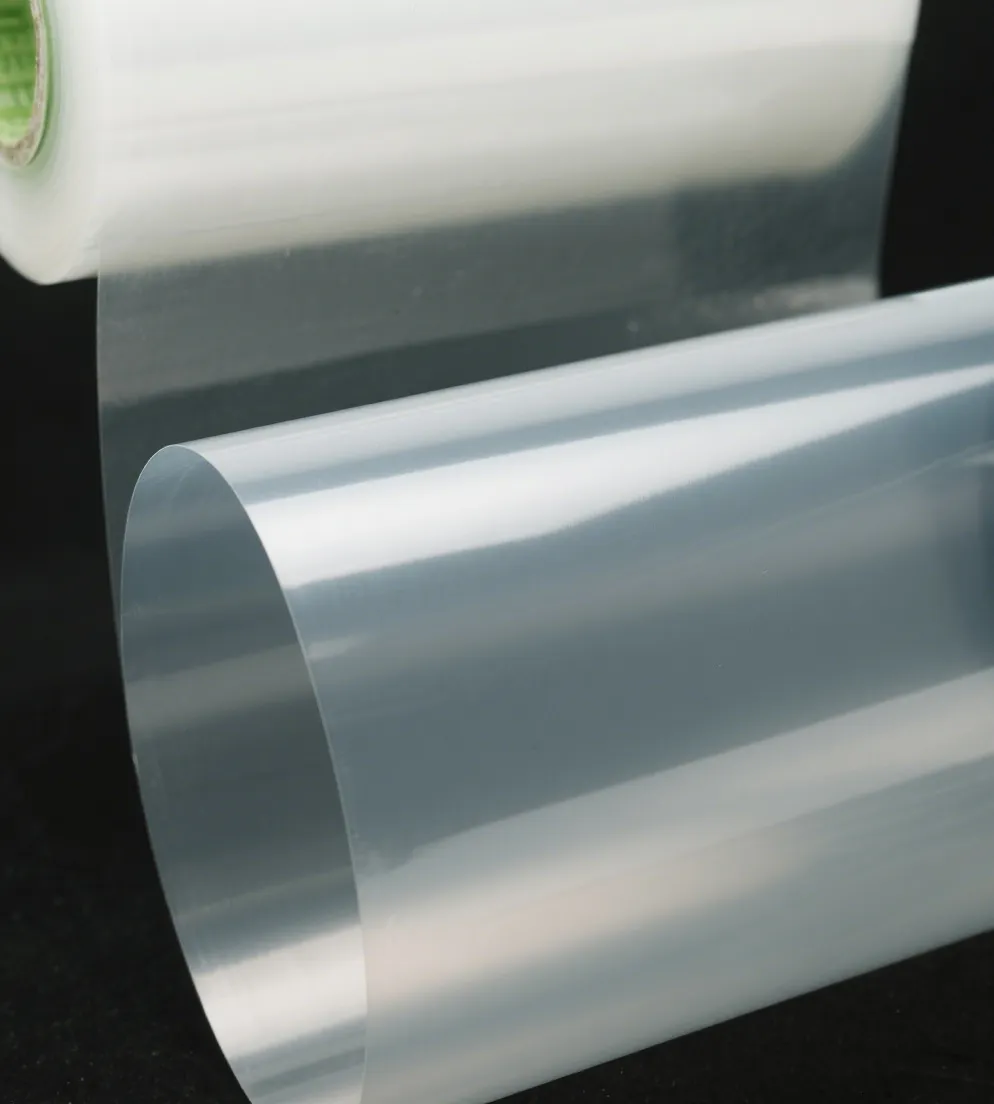
A comprehensive guide to sustainable, high-performance flexible packaging solutions in the modern era.
The Evolution of Sustainable Packaging
The global packaging industry is currently navigating a significant transition driven by environmental regulations and consumer demand for eco-friendly products. Traditionally, flexible packaging relied heavily on non-degradable plastics, which contributed to long-term environmental degradation. However, the emergence of biodegradable TPU film has provided a transformative solution that bridges the gap between high-performance physical properties and environmental responsibility. Thermoplastic Polyurethane (TPU) is celebrated for its versatility, but the biodegradable variant specifically addresses the end-of-life concerns that have historically plagued the plastics sector. This material offers a unique combination of elasticity, transparency, and mechanical strength, making it an ideal candidate for demanding applications in the food and beverage sectors.
For manufacturers and brand owners, integrating biodegradable TPU film into their supply chain is no longer just a trend; it is a strategic necessity. As global plastic waste policies tighten, companies are looking for materials that can decompose naturally without leaving harmful microplastics behind. The food-grade version of this film is particularly specialized, ensuring that no toxic chemicals migrate into the consumables it protects. This guide explores why this material is becoming the gold standard for the packaging industry and how it can be leveraged to enhance both brand reputation and product shelf life.
Technical Properties of Food Grade TPU
When evaluating biodegradable TPU film for food packaging, several technical parameters must be considered. Unlike standard polyolefins, TPU exhibits exceptional puncture resistance and tear strength, which are critical for vacuum packaging and the transportation of sharp-edged food items like bone-in meats or dried snacks. The molecular structure of biodegradable TPU is engineered to maintain these mechanical advantages while incorporating polyester or polycaprolactone segments that are susceptible to microbial breakdown under industrial composting conditions. This means the film remains robust during its service life but degrades efficiently once discarded.
Safety is paramount in food contact materials. Food-grade TPU films are formulated to meet stringent FDA and EU regulations regarding migration limits. They are free from plasticizers like phthalates, which are often found in PVC-based alternatives. Furthermore, the film provides an excellent moisture and oxygen barrier when compared to traditional biodegradable plastics like PLA (Polylactic Acid). This superior barrier performance ensures that oxygen-sensitive food products remain fresh for longer periods, reducing food waste across the entire value chain. The high transparency of the film also allows for clear product visibility, which is a key factor in consumer purchasing decisions at the retail level.
Strategic Integration in Packaging Workflows
Implementing biodegradable TPU film requires a deep understanding of manufacturing processes such as heat sealing and lamination. One of the primary advantages of TPU is its broad processing window and excellent adhesion to various substrates, including paper and other bio-based polymers. In multi-layer packaging structures, TPU acts as a high-performance functional layer that adds durability without compromising the overall recyclability or compostability of the package. This versatility allows engineers to design thinner, lighter packaging that performs better than traditional bulky alternatives, leading to reduced shipping costs and a lower carbon footprint.
Moreover, the material's resistance to oils and fats makes it indispensable for fatty food packaging. Traditional films often degrade or lose their barrier properties when in contact with lipids, but TPU maintains its integrity. For companies looking to innovate, the use of biodegradable TPU can be combined with advanced printing techniques to create vibrant, high-quality graphics that do not peel or fade. This ensures that the sustainable message of the packaging is reflected in its aesthetic quality, providing a premium experience for the end-user while adhering to the highest standards of engineering excellence.
Quantifiable Benefits for the Industry
-
Environmental Compliance Using biodegradable TPU film helps companies meet ESG (Environmental, Social, and Governance) targets and stay ahead of global plastic bans, specifically within the European and North American markets.
-
Enhanced Product Protection The high elasticity and puncture resistance ensure that food products are protected during rough handling, significantly reducing the rate of damaged goods and returns.
-
Cost-Effective Circularity While the initial material cost may be higher than conventional PE, the reduction in weight, waste, and potential environmental fines makes it a cost-effective choice for long-term operations.
Huanlong: Leading the Way in Sustainable TPU Solutions
As a pioneer in the polymer industry, Huanlong has dedicated years of research and development to perfecting high-performance film technology. Our commitment to sustainability is reflected in our diverse product portfolio, which focuses on providing industries with the tools they need to transition to a greener future. We specialize in the production of biodegradable TPU film that meets rigorous international standards for safety and performance.
Huanlong's advantages lie in our advanced manufacturing facilities and our ability to customize film properties to meet specific industry needs, whether it is for medical applications or high-demand food packaging. Our food-grade films are produced in controlled environments to ensure the highest purity and compliance. By choosing Huanlong, you are partnering with a company that understands the intricate balance between industrial efficiency and ecological preservation. We invite you to learn more about our mission and how we are redefining the limits of thermoplastic polyurethane.
Frequently Asked Questions
Q1: What makes biodegradable TPU film safe for food contact?
Our food-grade films are manufactured using raw materials that comply with FDA and EU food safety standards. The production process avoids harmful additives, ensuring that the biodegradable TPU film does not leach chemicals into food, maintaining purity and consumer safety.
Q2: How long does it take for biodegradable TPU film to decompose?
The degradation rate of biodegradable TPU film depends on the environmental conditions. In industrial composting facilities, it typically breaks down significantly faster than in home compost piles. Factors such as moisture, temperature, and microbial activity play a critical role in the speed of decomposition.
Q3: Can biodegradable TPU film be used in vacuum packaging?
Yes, biodegradable TPU film is excellent for vacuum packaging due to its high tensile strength and puncture resistance. It can withstand the pressure of vacuum sealing while providing an effective barrier against oxygen and contaminants.
Q4: Is biodegradable TPU film as strong as traditional TPU?
While the molecular structure is modified for degradability, modern biodegradable TPU film maintains the core physical advantages of traditional TPU, such as high elasticity, abrasion resistance, and durability during its intended shelf life.
Q5: Where can I source high-quality biodegradable TPU film?
High-quality biodegradable TPU film should be sourced from experienced manufacturers like Huanlong, who offer certified products and technical support to ensure the material fits your specific packaging machinery and requirements.
Ready to Upgrade Your Packaging Strategy?
Join the sustainable revolution with Huanlong's advanced film solutions. Protect your products and the planet simultaneously.
Contact Our Technical Team Today