
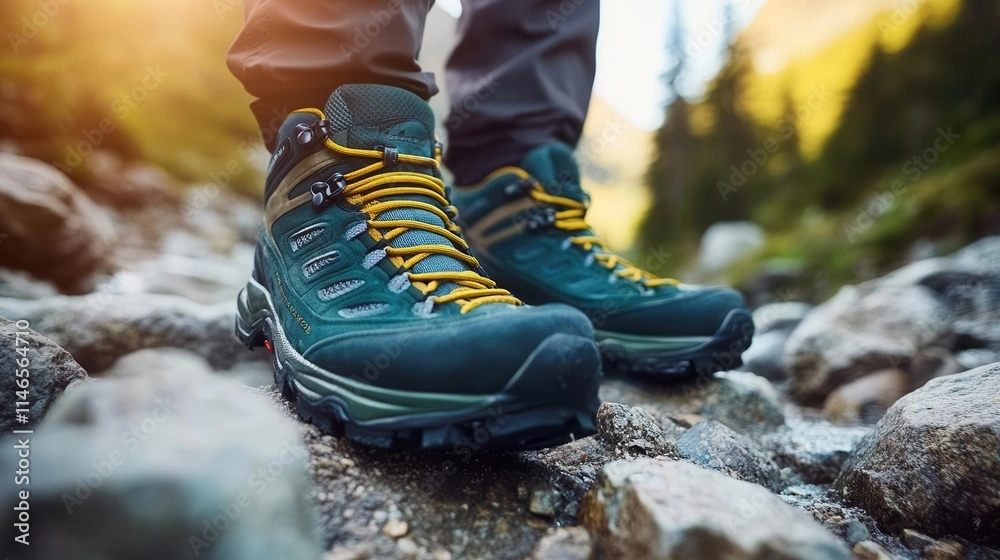
Introduction to the Future of Footwear Materials
The global footwear industry is currently witnessing a significant shift toward materials that can provide high performance while reducing environmental impact. Traditional foams like EVA (Ethylene Vinyl Acetate) have long been the standard, but they often fall short in terms of long-term durability and rebound performance. Today, designers are increasingly turning to TPU Foam for functional footwear to solve these challenges. This chemically foamed material offers a unique combination of extreme lightness, superior elasticity, and excellent wear resistance. Whether it is for high-intensity athletic sneakers, rugged outdoor hiking boots, or professional safety shoes, foamed TPU provides a versatile platform for innovation. This guide explores the technical characteristics and application benefits of this advanced material, demonstrating how it can elevate footwear design to meet the rigorous demands of the modern market while supporting sustainable manufacturing goals.
Beyond EVA: The Evolution of Footwear Midsole Materials
For decades, EVA was the undisputed king of footwear cushioning due to its low cost and ease of processing. However, as the performance requirements for functional footwear grew, the limitations of EVA became apparent to both manufacturers and consumers. EVA tends to lose its "pop" or energy return over time, as the cell structure permanently collapses under repeated pressure. Furthermore, EVA is difficult to recycle, contributing to the industry's significant waste problem. In contrast, the development of tpu foam for functional footwear marks a revolutionary step forward. Unlike traditional foams, foamed TPU is a thermoplastic elastomer that maintains its structural integrity even after millions of compression cycles. This transition allows brands to create midsoles that stay comfortable and responsive for the entire lifespan of the shoe. By moving beyond EVA, designers can offer a tangible performance benefit to users, providing a more consistent and durable cushioning experience that enhances both comfort and athletic performance across all terrains and conditions.
Superior Rebound and Cushioning Properties
The primary technical driver behind the adoption of tpu foam for functional footwear is its exceptional physical properties. Specifically, this material offers a foaming ratio of approximately 1.8 times, which allows for a significant reduction in weight without compromising mechanical strength. When used in insoles and midsoles, the foamed structure provides a "spring-like" effect that traditional materials simply cannot match. This "superior rebound performance" is critical for reducing muscle fatigue during long-duration activities. With a hardness range of Shore 85A to 92A, the material provides the necessary stability for the foot while effectively absorbing impact forces. This high elasticity and shock-absorbing capability protect the wearer's joints during dynamic movements, such as running or jumping. Because the material has "excellent compression recovery" and long-term dimensional stability, the cushioning does not "bottom out" over time, ensuring that the footwear remains supportive and comfortable from the first mile to the last.
Durability and Wear Resistance in Rugged Environments
In the world of professional workwear and functional safety gear, durability is a non-negotiable requirement. An effective tpu foam for functional footwear must be able to withstand harsh environments, including mechanical stress and temperature fluctuations. One of the standout features of TPU-based foam is its "excellent abrasion resistance" and overall wear resistance. In functional work footwear, the midsole or cushioning layer is often the first point of structural failure; however, foamed TPU remains resilient even under heavy-duty use. It does not become brittle in low temperatures, which is a common failure point for cheaper foam alternatives used in winter boots. This ensures that safety footwear remains flexible and protective in freezing environments. Additionally, the material's high material strength allows it to be used in thinner profiles—starting as thin as 0.8 mm—without sacrificing protection. By integrating this foamed material into a shoe's architecture, brands can offer a product that is lighter, more agile, and significantly more durable, ultimately increasing user satisfaction and brand loyalty in the professional sector.
Sustainable and Recyclable Solutions for Modern Brands
Sustainability has transitioned from a niche concern to a core business requirement in the global fashion and textile industries. Traditional footwear foams are notorious for their environmental impact, but tpu foam for functional footwear offers a much-needed "lighter and recyclable option". Being a thermoplastic polyurethane, this material is fully recyclable, aligning with the Global Recycled Standard (GRS) and other eco-friendly compliance frameworks. For brands looking to improve their "green" credentials, switching to TPU foam is a powerful step toward circular manufacturing. The material is inherently "plasticizer-free" and can be produced in low-VOC versions, making it safer for both the environment and the factory workers. Furthermore, its long-lasting nature means that products made with this material have a longer useful life, which is a fundamental component of sustainable consumption. By choosing a material that is both high-performing and environmentally responsible, footwear brands can appeal to the growing demographic of eco-conscious consumers while contributing to a lower carbon footprint for the industry.
Broad Applications: From Safety Shoes to Outdoor Gear
While its impact on the footwear industry is profound, the utility of tpu foam for functional footwear technology extends far beyond just shoes. The same principles of shock absorption and lightweight structure make it an excellent choice for a wide array of functional gear. In the outdoor industry, foamed TPU is increasingly used in the shoulder straps and back panels of high-performance backpacks, providing comfort during long treks without adding unnecessary bulk. In the medical sector, the material is used for pressure-relief pads and wheelchair cushions, where "consistent support and comfort" are vital for patient care. Even the automotive industry has adopted this material for headrests, armrests, and door panel padding due to its "long-term dimensional stability" and ability to meet strict interior air quality standards. This versatility highlights the material's ability to solve complex engineering challenges across multiple disciplines. Whether it is protecting a hiker’s back or a worker's feet, the foundational technology of foamed TPU is proving to be a game-changer in every application that requires a balance of softness and strength.
Customized Processing for Footwear Innovation
The ability to tailor a material to specific design needs is what separates industry leaders from their competitors. The tpu foam for functional footwear provided by top-tier suppliers is highly customizable, with specific densities, thicknesses, and surface finishes available to meet various manufacturing needs. The material is highly compatible with common production techniques, such as thermoforming, lamination with waterproof breathable TPU films, and structural cushioning bonding. This ease of "processability" means that manufacturers can create complex, multi-layered components that provide targeted performance—such as a lightweight tactical boot that is both waterproof and exceptionally cushioned. By offering a "one-stop solution" for these advanced materials, suppliers enable footwear brands to move away from generic foam solutions toward highly engineered, functional footwear that meets the specific physiological and environmental needs of the modern consumer. This precision manufacturing ensures that every pair of shoes delivers consistent quality and peak performance.
About Zhejiang Huanlong New Material Science Technology Co., Ltd.
Zhejiang Huanlong New Material Science Technology Co., Ltd. is a global leader and innovator in the manufacture of high-performance TPU solutions. With over 18 years of specialized R&D experience, we have invested $65 million to build an industry-leading infrastructure, including three major manufacturing plants and over 40 advanced production lines. Our facilities span a massive 160,000 m², allowing us to maintain a large-scale production capacity while ensuring the highest levels of quality control for our global partners. We are dedicated to providing "one-stop solutions" that span from aliphatic TPU for automotive protection to specialized tpu foam for functional footwear.
Our foamed TPU products are specifically engineered for the footwear and automotive industries, offering a "lighter and recyclable option" that outperforms traditional EVA in every metric. We take pride in our commitment to sustainability, offering GRS-compliant and low-VOC materials that help brands achieve their environmental goals without compromising on performance. Our team of 300+ professionals is focused on continuous innovation, ensuring that our materials deliver the high resilience, excellent abrasion resistance, and soft-touch comfort required by the world's leading functional brands. When you partner with Huanlong, you are choosing a supplier that combines technical expertise with the scale and reliability needed to dominate the modern market.
FAQ
Q1: What makes tpu foam for functional footwear better than traditional EVA?
Unlike EVA, tpu foam for functional footwear offers "superior rebound performance" and "excellent compression recovery". It doesn't lose its cushioning properties over time and is much easier to recycle, making it both a high-performance and eco-friendly choice.
Q2: Is tpu foam for functional footwear suitable for heavy-duty safety boots?
Yes, tpu foam for functional footwear provides "excellent abrasion resistance" and "high material strength". It maintains its flexibility in low temperatures and offers consistent support, making it ideal for the demanding environments of safety and work footwear.
Q3: How thin can you manufacture tpu foam for functional footwear?
We can produce tpu foam for functional footwear with a minimum thickness of 0.8 mm. This precision allows designers to integrate cushioning into slim-profile shoes or specific components like shoe tongues and collars.
Q4: Is tpu foam for functional footwear environmentally friendly?
Absolutely. Our tpu foam for functional footwear is "recyclable and plasticizer-free". It supports Global Recycled Standard (GRS) requirements and is a much more sustainable alternative to solvent-based or non-recyclable traditional foams.
Q5: Can tpu foam for functional footwear be used for other applications?
Yes, while it is designed as a tpu foam for functional footwear, its shock-absorbing and lightweight properties make it excellent for backpack straps, automotive headrests, medical pressure-relief pads, and sports protective gear.