
Introduction to Advanced Light Management
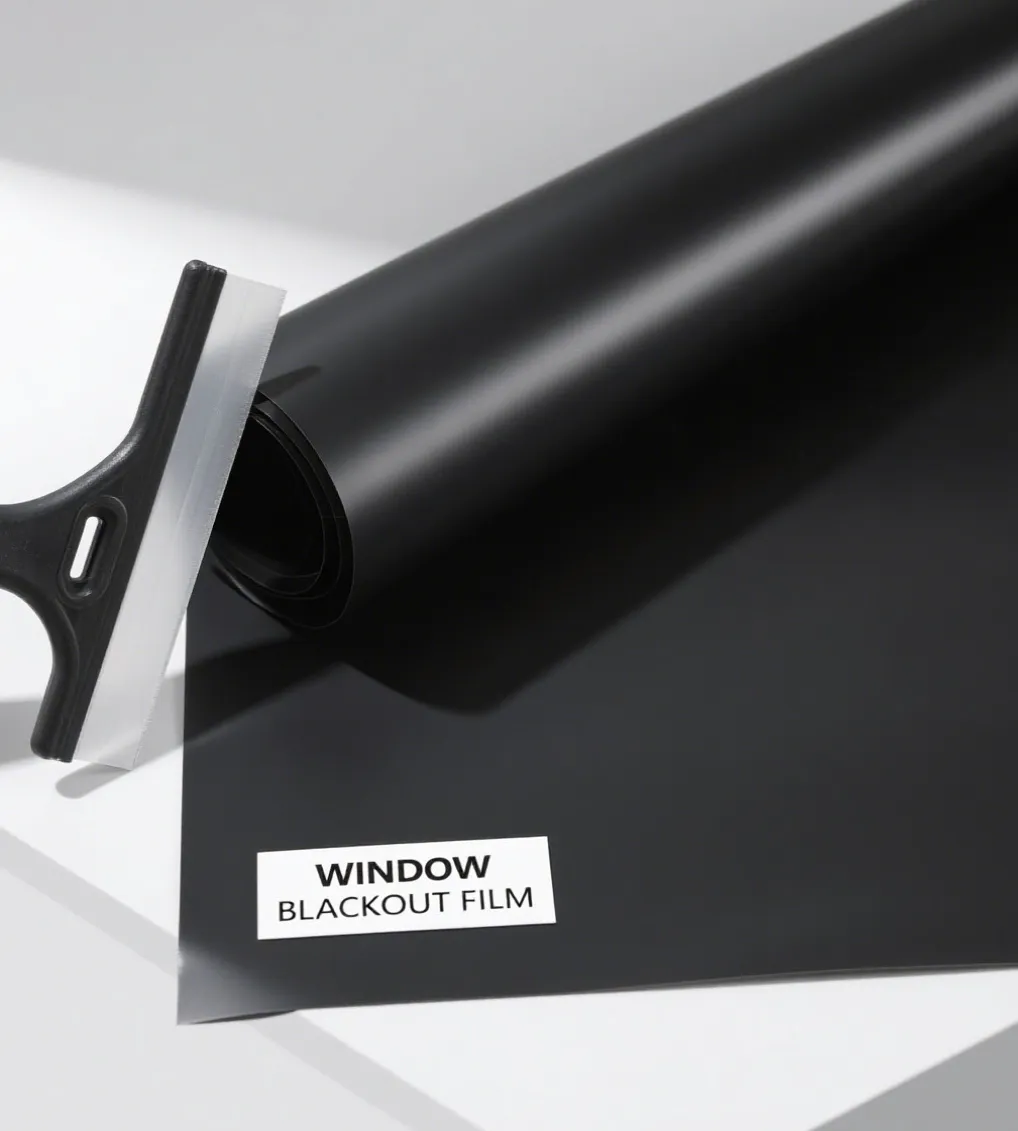
In the contemporary industrial landscape, the control of environmental variables is paramount to ensuring product quality and operational efficiency. While temperature and humidity are often the primary focus, light management has emerged as a critical factor in high-precision manufacturing sectors. The integration of window blackout film serves as a sophisticated solution for facilities that require absolute darkness or controlled luminosity. Unlike traditional window treatments that may collect dust or interfere with cleanroom standards, professional-grade films offer a seamless, hygienic, and highly effective barrier against external light sources.
As factories move toward smarter, more automated environments, the role of specialized films has expanded beyond simple privacy. From protecting photosensitive chemicals to enabling high-accuracy machine vision systems, the application of window blackout film is now a standard requirement in facility engineering. This guide explores the diverse industrial applications of these films and how they contribute to the overarching goals of modern manufacturing: precision, safety, and sustainability.
Precision in Semiconductor and Electronics Fabrication
The semiconductor industry operates at a microscopic scale where even the slightest interference can lead to catastrophic yield losses. One of the most significant environmental threats in lithography and wafer processing is ambient light. Photoresists, the light-sensitive materials used to create circuit patterns, can be prematurely exposed by UV rays or even certain visible light spectrums entering through standard windows. By installing high-performance window blackout film, manufacturers can create a totally light-neutral environment, ensuring that only the intended light sources interact with the silicon wafers.
Furthermore, electronics assembly often involves the use of specialized UV-curing adhesives and coatings. If external sunlight enters the workspace, it can lead to uneven curing or degradation of these materials. The use of a specialized window blackout film provides a consistent, controlled environment that mitigates these risks. This level of environmental stability is essential for maintaining the tight tolerances required in the production of high-density interconnects and advanced micro-circuitry found in modern consumer electronics and industrial computing systems.
In these environments, the film also acts as an additional layer of thermal insulation. Electronic components are often sensitive to temperature fluctuations; by blocking the solar heat gain associated with direct sunlight, the film helps maintain the cryogenic or highly regulated temperatures required in cleanrooms, thereby reducing the load on sensitive HVAC systems.
Enhancing Quality Control in Optical and Glass Production
Quality control (QC) is the backbone of manufacturing excellence, particularly in the production of glass, lenses, and reflective surfaces. In these industries, inspection processes often rely on sophisticated machine vision cameras and laser-based flaw detection systems. Ambient light, especially glare from windows, can create "hot spots" or false positives during the automated inspection phase. Implementing window blackout film eliminates these variables by creating a dark-box environment where the internal lighting is the only variable.
Technicians performing manual inspections also benefit significantly from the reduction of glare. Constant exposure to varying light levels throughout the day can lead to eye fatigue and decreased accuracy in spotting minute surface defects. A controlled lighting environment, facilitated by the complete light blockage of industrial films, ensures that inspection standards remain consistent from the morning shift through to the night. This consistency is vital for maintaining the high standards of aerospace optics, automotive glass, and medical-grade imaging components.
Moreover, the application of blackout film on interior partitions within a glass factory can help isolate different stages of production. For instance, the transition from molten glass forming to cooling and coating may require vastly different light levels. Utilizing specialized film solutions allows for the physical and visual separation of these zones without the need for heavy, permanent walls, maintaining the flexibility of the factory layout.
Laboratory and R&D Environments: The Need for Total Darkness
Research and Development (R&D) facilities are the breeding ground for industrial innovation. Many experiments, especially those involving photonics, laser spectroscopy, and bioluminescence, require "true dark" conditions. Achieving this in a building with windows can be challenging. Traditional blinds or curtains often leak light around the edges, which can compromise sensitive data. window blackout film provides a edge-to-edge seal that ensures zero light transmission, making it the preferred choice for scientific laboratories.
In medical research facilities, certain chemical reagents and biological samples are extremely light-sensitive. The degradation of these materials can lead to inaccurate experimental results or the loss of expensive proprietary samples. By treating the laboratory windows with industrial-grade blackout films, researchers can ensure the longevity and stability of their work. This is particularly relevant in the development of new pharmaceutical compounds and the testing of advanced medical imaging films.
Beyond the scientific necessity, these films provide a layer of security for sensitive R&D activities. Intellectual property theft is a major concern in high-tech industries. By completely blocking the view into a laboratory or prototype testing area, blackout films prevent unauthorized observation and photography from outside the building, safeguarding the company's future innovations.
Occupational Safety and Laser Shielding Requirements
Safety is a non-negotiable aspect of modern industrial operations. The rise of laser cutting, welding, and engraving in manufacturing has introduced new hazards to the shop floor. High-powered lasers can pose a significant risk to the eyesight of workers who are not directly involved in the process but are in the vicinity. While safety goggles are mandatory for operators, protecting the rest of the facility requires passive shielding. Specialized window blackout film can be engineered to block specific wavelengths of light, preventing stray laser reflections from exiting the work cell.
In addition to laser safety, these films contribute to overall facility safety by reducing the "greenhouse effect" in large-windowed factories. Excessive heat can lead to worker exhaustion and heat-related illnesses. By blocking 100% of the visible light and a significant portion of infrared radiation, the film helps maintain a comfortable working temperature. This leads to a more alert workforce and a reduction in accidents caused by fatigue or discomfort.
Furthermore, in the event of an accidental window breakage—whether due to high winds, seismic activity, or industrial accidents—the film acts as a binding agent. It holds the shattered glass fragments together, preventing them from flying into the workspace and causing injuries. This dual-purpose role as both a light barrier and a safety laminate makes industrial blackout film a cost-effective investment for any safety-conscious manufacturer.
Huanlong: Leading the Future of High-Performance Film Solutions
At Huanlong, we understand that industrial environments demand more than just basic light control. As a premier manufacturer specializing in advanced TPU and functional film technologies, we provide a wide array of solutions tailored to the rigorous needs of modern production facilities. Our commitment to quality is rooted in our state-of-the-art Lishui production base, where we utilize cutting-edge aliphatic TPU technology to ensure our films remain durable and yellowing-resistant even in the harshest industrial settings.
Whether you are looking for high-durability window blackout film for a cleanroom or specialized breathable films for protective gear, Huanlong is your strategic partner. Our products are designed with the EEAT framework in mind—Expertise, Experience, Authoritativeness, and Trustworthiness. We leverage years of engineering plastic expertise to create films that not only block light but also offer superior mechanical strength and chemical resistance.
Our product portfolio includes:
Industrial-grade TPU Base Films for Lamination
High-Vapor Transmission Films for Medical and Functional Apparel
Automotive Comfort and Protection Films
Sustainable and Recyclable TPU Foam Solutions
By choosing Huanlong, you are investing in a product backed by rigorous testing and a proven track record in sectors ranging from semiconductor manufacturing to new energy systems. Our team is dedicated to helping you optimize your facility's performance through superior material science.
Conclusion
The strategic implementation of window blackout film is no longer a luxury but a functional necessity in the world of high-tech manufacturing. By providing a controlled lighting environment, these films directly contribute to higher product yields, improved worker safety, and significant energy savings. From the delicate photolithography processes in semiconductor plants to the intense laser-cutting environments of heavy industry, the benefits of total light management are clear.
As industrial trends continue to evolve toward higher precision and greater sustainability, the materials we use to define our workspaces will become even more critical. Partners like Huanlong are at the forefront of this evolution, providing the high-performance TPU films required to meet these challenges. By integrating these advanced solutions today, manufacturers can ensure they are prepared for the competitive landscape of tomorrow.
Frequently Asked Questions
Q1: How does window blackout film improve the accuracy of machine vision systems?
Ambient light can create unpredictable reflections and glare on industrial workpieces. By using a window blackout film, you eliminate external light fluctuations, ensuring that machine vision cameras operate in a constant, optimized lighting environment, which reduces inspection errors and false rejects.
Q2: Can industrial window blackout film help in reducing factory cooling costs?
Yes, significantly. These films are designed to block nearly 100% of solar radiation, including infrared heat. In large manufacturing facilities with significant glass surface area, this leads to a dramatic reduction in solar heat gain, lowering the energy demand on HVAC systems and reducing operational costs.
Q3: Is window blackout film suitable for use in cleanroom environments?
Absolutely. High-quality films, such as those produced by Huanlong, are made from non-outgassing materials like TPU. Unlike blinds or curtains which can trap dust and particles, film is applied directly to the glass and can be easily cleaned using standard cleanroom protocols, maintaining strict ISO standards.
Q4: How durable is window blackout film against industrial chemicals?
Professional-grade window blackout film is engineered for high chemical resistance. It can withstand common industrial cleaning agents and exposure to various airborne chemicals without peeling or degrading, making it ideal for laboratories and chemical processing plants.
Q5: Does installing window blackout film provide any protection against laser hazards?
While specific laser-safety films are required for direct viewing of high-power beams, standard blackout films provide an excellent secondary barrier by blocking visible light and preventing stray reflections from distracting workers or causing peripheral glare issues in laser-intensive environments.
Optimize Your Industrial Facility Today
Contact the experts at Huanlong to discover how our advanced film solutions can enhance your production environment.
Contact Us Now