
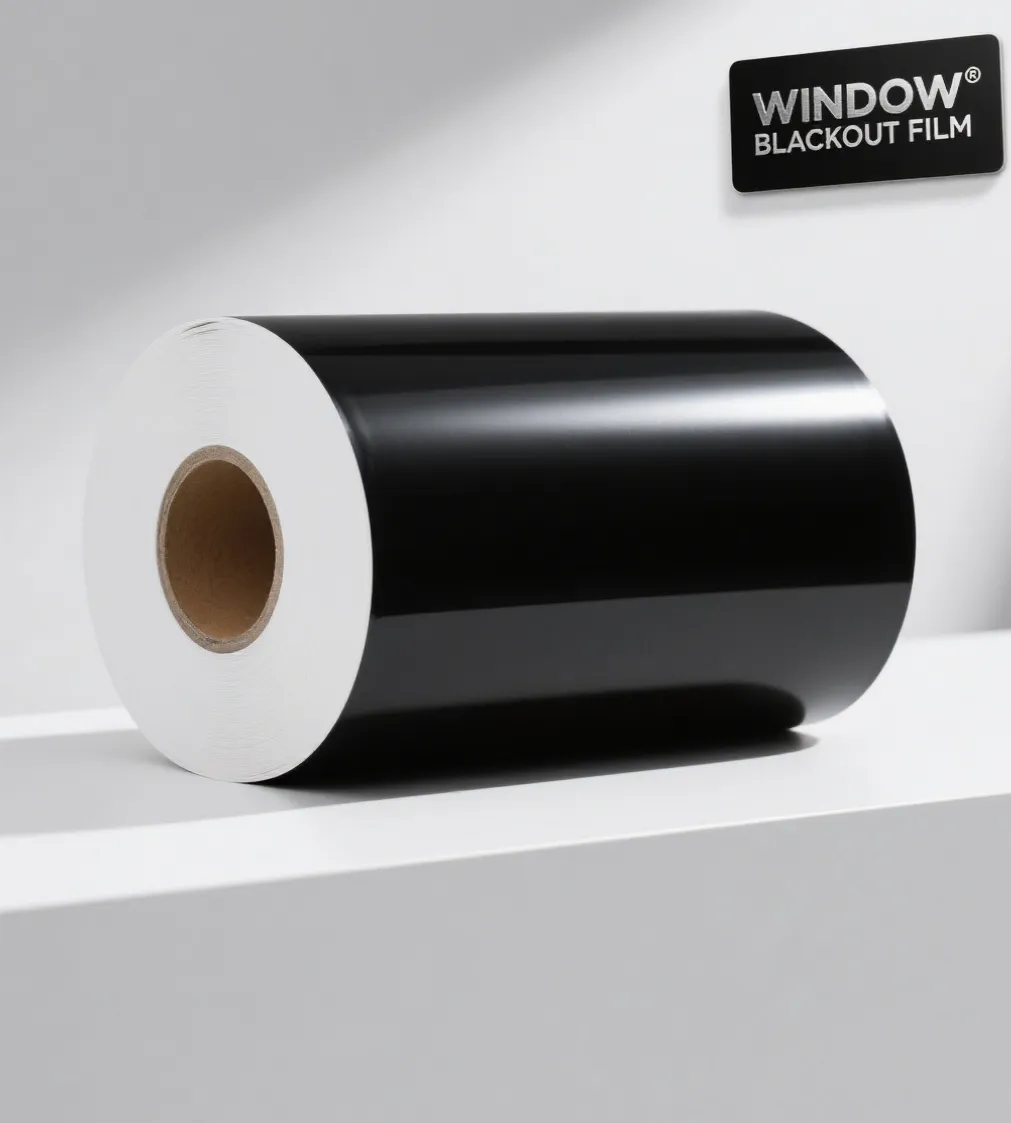
In the modern era of architectural design, the balance between natural light and absolute privacy has become a central challenge for both homeowners and commercial facility managers. The integration of a window blackout film is no longer just a functional necessity for shift workers or laboratory environments; it has evolved into a strategic design choice that enhances energy efficiency, security, and aesthetic minimalism. Whether you are looking to create a complete darkroom environment for specialized photography or simply wish to secure a corporate boardroom from prying eyes, understanding the technical nuances of window blackout film is essential for making an informed investment.
The Evolution of Window Blackout Film Technology
Traditional methods of blocking light, such as heavy curtains or wooden shutters, often fall short in providing a complete light seal and can accumulate dust and allergens over time. Modern window blackout film offers a sleek, maintenance-free alternative that bonds directly to the glass surface. This technology has transitioned from basic dyed plastics to sophisticated multi-layered films that utilize advanced polymers like TPU (Thermoplastic Polyurethane). These materials are designed to block 100% of the visible light spectrum while simultaneously reflecting infrared heat and blocking harmful ultraviolet rays.
When selecting a window blackout film, it is critical to distinguish between professional-grade films and low-cost consumer alternatives. High-quality films provide a deep, uniform opacity that does not fade or "pinhole" over time. They are engineered to withstand significant thermal stress, which is vital when the film absorbs heat from direct sunlight. Without the proper heat-resistant properties, inferior films can cause glass to crack due to thermal expansion. Leading manufacturers like Huanlong have pioneered the use of durable base materials that ensure the film remains stable under extreme temperatures, making them suitable for high-exposure commercial facades.
Maximizing Residential Comfort and Privacy
For residential applications, the primary driver for installing window blackout film is often the need for a controlled sleep environment. Quality sleep is intrinsically linked to complete darkness, which helps regulate the body's circadian rhythm. This makes blackout films an indispensable tool for night-shift workers, parents of infants, and individuals suffering from light sensitivity. Beyond the bedroom, these films are increasingly used in home theaters to eliminate glare on high-definition screens, providing a true cinematic experience without the bulk of traditional drapes.
Another significant advantage in the home is the protection of interior assets. Constant exposure to UV radiation can cause expensive furniture, hardwood flooring, and artwork to fade prematurely. By applying a robust window blackout film, homeowners can effectively create a shield that preserves their interior investments. Furthermore, these films offer an added layer of security. By making the glass opaque, they prevent outsiders from seeing into the home, which is particularly beneficial for ground-floor windows or glass-paneled doors. The modern TPU-based films offered by industry experts ensure that this privacy does not come at the cost of environmental safety, as these materials are often recyclable and free from toxic off-gassing.
Strategic Commercial and Industrial Applications
In the commercial sector, the requirements for window blackout film are often more rigorous and specialized. Corporate environments utilize these films to create secure "whiteboard" rooms or sensitive meeting areas where confidential data is displayed on screens. The ability to completely obscure the view from the exterior or from internal hallways is a key component of modern office security protocols. Additionally, in healthcare and laboratory settings, certain diagnostic equipment requires a light-controlled environment to function accurately. A high-performance window blackout film provides a sterile, easy-to-clean solution that meets strict clinical standards.
Energy management is another critical factor for commercial building owners. Large glass surfaces can lead to massive heat gain during summer months, driving up air conditioning costs. While solar films reduce some heat, a total window blackout film offers the maximum possible heat rejection by preventing sunlight from entering the building envelope entirely. This can lead to quantifiable savings on utility bills and a reduced carbon footprint. For industrial warehouses storing light-sensitive chemicals or food products, these films provide an essential barrier that ensures product integrity by maintaining a dark, temperature-stable environment.
Technical Considerations: TPU vs. PVC Materials
The material composition of the film dictates its longevity and performance. Traditionally, many films were made from PVC (Polyvinyl Chloride), which is cheap but prone to becoming brittle and yellowing over time. In contrast, the industry is shifting toward TPU-based window blackout film. TPU offers superior flexibility, allowing the film to better absorb the impacts of thermal expansion and contraction. This is particularly important for large commercial panes that experience significant temperature shifts throughout the day.
TPU is also a more environmentally conscious choice. It is more durable, meaning it needs to be replaced less frequently, and it does not contain the phthalates often found in PVC. Professional installers prefer high-end TPU films because they are easier to handle and apply without creasing or bubbling. When evaluating a window blackout film, look for specifications regarding UV rejection (should be 99%+) and Total Solar Energy Rejection (TSER). These metrics will give you a clear indication of how well the film will perform over a ten-year lifespan compared to budget-grade alternatives.
Why Huanlong is the Preferred Choice for Professional Films
When it comes to sourcing high-performance film technology, Huanlong stands at the forefront of the industry. As a specialist in advanced polymer solutions, Huanlong has dedicated years of research to perfecting the durability and functionality of functional films. Our expertise in TPU technology allows us to produce materials that are not only effective at light blocking but also exceptionally resilient against the elements. We understand that whether it is for a high-rise office building or a private residence, the quality of the base film is the most critical factor.
Our window blackout film solutions are engineered to meet the highest international standards. We leverage our experience in automotive paint protection and medical-grade films to ensure that our architectural products offer unmatched clarity, adhesion, and longevity. By choosing Huanlong, clients benefit from a vertically integrated supply chain that prioritizes quality control at every stage. We invite you to explore our innovative film projects to see how our materials are transforming spaces globally. For those seeking bespoke solutions, our team is ready to provide technical guidance on selecting the optimal film for your specific glass type and environmental conditions.
Frequently Asked Questions
Q1: Can window blackout film be applied to any type of glass?
Most standard single-pane windows are suitable for window blackout film. However, for double-pane or tempered glass, it is essential to choose a film with high heat-reflection properties to prevent thermal stress. Always consult with a professional like Huanlong to ensure the film is compatible with your specific window system.
Q2: Is window blackout film easy to remove if I change my mind?
Yes, professional-grade window blackout film is designed to be removed without damaging the glass. While it uses a strong adhesive to stay in place for years, it can be peeled off using a heat gun or specialized glass scrapers, leaving the surface ready for a new application or original transparency.
Q3: How much light does a high-quality window blackout film actually block?
A premium window blackout film is designed to block approximately 99% to 100% of visible light. This creates a total blackout effect, making it ideal for darkrooms, bedrooms, and high-security areas where zero visibility is required.
Q4: Does window blackout film help with noise reduction?
While the primary purpose is light and heat control, the extra layer of polymer on the glass does provide a very slight dampening effect on high-frequency sounds. However, for significant soundproofing, specialized acoustic glass or additional treatments are recommended alongside the film.
Q5: How long does window blackout film last after installation?
When installed correctly and maintained properly, a high-quality window blackout film can last between 10 to 15 years. Factors such as sun exposure and humidity levels can influence longevity, but TPU-based films from Huanlong are specifically engineered for long-term durability.
Ready to Transform Your Windows?
Contact the experts at Huanlong today for high-performance film solutions tailored to your residential or commercial needs.
GET A QUOTE NOW