
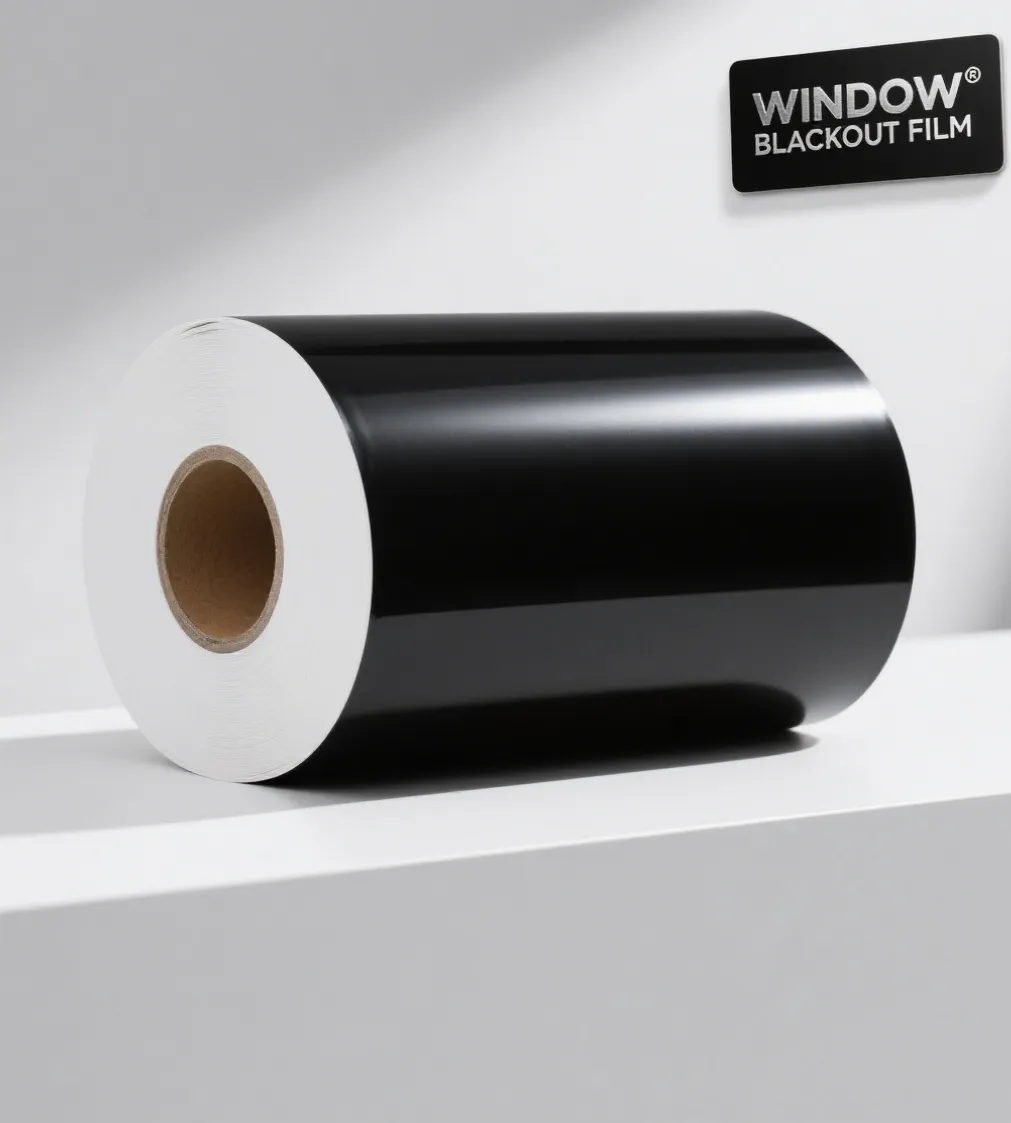
A comprehensive professional guide into high-performance light-blocking solutions for the modern automotive industry.
The Evolution of Automotive Light Control
In the contemporary automotive landscape, the demand for enhanced cabin environments has led to significant innovations in thin-film technology. Among these, the application of window blackout film has transitioned from a purely aesthetic modification to an essential functional upgrade for both luxury and commercial vehicles. Modern drivers and passengers are no longer satisfied with simple tinted glass; they require sophisticated solutions that manage thermal energy, block intrusive light, and provide a sanctuary of privacy. As urbanization increases and we spend more time in our vehicles, the cabin has become an extension of our living and working spaces. Consequently, the materials used to shield these spaces must meet rigorous standards of performance and durability.
The science behind a premium window blackout film involves multi-layered construction, often utilizing advanced thermoplastic polyurethane (TPU) or specialized polyethylene terephthalate (PET) substrates. Unlike traditional tints that may bubble or fade over time, high-tier blackout films are engineered to provide consistent opacity and structural integrity. This guide explores the multifaceted benefits of integrating professional-grade blackout solutions into vehicle design and aftermarket care, focusing on how these films contribute to overall occupant well-being and vehicle longevity. By understanding the technical properties and practical advantages of these films, owners can make informed decisions that enhance their driving experience significantly.
Unparalleled Thermal Management and Heat Rejection
One of the most critical challenges in automotive design is managing the greenhouse effect created by large glass surfaces. Without effective mitigation, solar infrared radiation penetrates the glass, significantly raising the internal cabin temperature. A high-quality window blackout film acts as a thermal barrier, reflecting and absorbing a substantial portion of this solar energy before it enters the vehicle. This is not merely about comfort; it is a matter of efficiency. When the interior remains cooler, the vehicle's air conditioning system operates with less strain, which directly correlates to improved fuel economy or, in the case of electric vehicles (EVs), extended battery range.
The technical efficacy of heat rejection is often measured by the Total Solar Energy Rejected (TSER) metric. Top-tier blackout films can achieve impressive TSER ratings by utilizing ceramic particles or specialized metallic layers that target specific wavelengths of the solar spectrum. For long-distance commuters or commercial drivers who spend hours under the sun, this thermal regulation prevents fatigue and physical discomfort. Furthermore, maintaining a stable temperature protects sensitive electronic components integrated into modern "smart cabins." From touchscreen displays to sensor arrays, reducing heat stress ensures that the vehicle's onboard technology functions reliably over its entire lifespan. Investing in a professional window blackout film is therefore a strategic choice for both operational efficiency and hardware protection.
Enhancing Privacy and On-Road Security
Privacy is a fundamental luxury in today’s hyper-connected world. For many vehicle owners, the interior of their car is a place for private conversations, relaxation, or the storage of valuable professional equipment. The installation of a window blackout film provides a "one-way" visual barrier that allows occupants to see out clearly while preventing outsiders from peering in. This level of seclusion is particularly valued by high-profile individuals, families with young children, and professionals carrying sensitive cargo. It creates a psychological sense of safety, transforming the vehicle into a mobile fortress where personal activities remain shielded from the public eye.
Beyond personal privacy, there is a significant security advantage to obscured windows. Opportunistic theft often relies on "smash-and-grab" tactics where a criminal identifies a valuable item inside a parked car. By utilizing a window blackout film, you effectively remove the temptation by hiding the contents of the vehicle entirely. If a thief cannot see what is inside, they are far less likely to risk a break-in. Additionally, many high-performance films add a layer of shatter resistance to the glass. In the event of an attempted forced entry, the film holds the glass fragments together, making it much harder for an intruder to gain access quickly. This dual benefit of visual concealment and physical reinforcement makes blackout film an indispensable tool for urban vehicle security.
Comprehensive UV Shielding for Health and Interior Longevity
The sun’s ultraviolet (UV) rays are a silent threat to both human health and automotive interiors. Prolonged exposure to UVA and UVB radiation can lead to skin aging, DNA damage, and an increased risk of skin cancer, even while sitting inside a car. Standard automotive glass provides some protection, but it is often insufficient against the full spectrum of harmful rays. A professional-grade window blackout film is engineered to block up to 99% of these UV rays. This creates a safer environment for passengers, particularly those with sensitive skin or children who are more vulnerable to sun damage during long road trips.
From an aesthetic and resale value perspective, UV protection is equally vital. The materials used in car interiors—such as leather, high-end plastics, and specialized fabrics—are prone to "photodegradation" when exposed to constant sunlight. This manifests as fading, cracking, and loss of structural flexibility in dashboards and seating systems. By applying a window blackout film, you effectively preserve the showroom quality of the vehicle's interior. This is especially important for luxury vehicles where the replacement of a sun-damaged dashboard or leather seat can cost thousands of dollars. The film acts as a permanent sunscreen for your car, ensuring that the textures and colors of the cabin remain vibrant and intact for years to come.
The Science of Materials: Why TPU is Changing the Game
In the past, most window films were constructed from PET (Polyethylene Terephthalate). While PET is effective for basic tinting, it lacks the flexibility and self-healing properties required for high-stress automotive applications. The industry is currently seeing a shift toward Thermoplastic Polyurethane (TPU) as a base material for specialized films. TPU offers superior clarity, exceptional impact resistance, and much better environmental stability. When used in a window blackout film, TPU ensures that the product can withstand extreme temperature fluctuations without becoming brittle or yellowing. This is the same material technology used in high-end paint protection films (PPF), renowned for its "aliphatic" advantages.
The manufacturing process of these films involves precision coating and lamination. An aliphatic TPU base film provides a stable foundation that does not react with UV light, preventing the unsightly purple hue seen in cheap, low-quality films. Furthermore, TPU-based films are easier to install on curved glass surfaces due to their inherent elasticity. This allows for a seamless finish that looks like factory-installed privacy glass. For the discerning car owner, choosing a film with a high-quality TPU substrate means investing in a product that will not only perform better initially but will also maintain its optical properties and protective capabilities for the long haul. Understanding these material differences is key to distinguishing between professional solutions and temporary fixes.
Aesthetic Sophistication and Visual Appeal
Beyond the technical and functional benefits, the visual impact of a window blackout film cannot be overstated. A sleek, dark window finish provides a cohesive and premium look to any vehicle, regardless of its make or model. It complements the body lines and creates a sophisticated "stealth" appearance that is highly sought after in the automotive styling community. Whether it is a matte finish or a deep gloss black, these films allow owners to customize their vehicle's exterior to reflect their personal style while maintaining a professional and understated elegance.
However, achieving this look requires precision. Professional installers ensure that the film is applied flush to the window edges, with no gaps or visible seams. The uniform darkness provided by a high-quality window blackout film eliminates the "fishbowl" effect of clear glass, giving the car a more grounded and balanced silhouette. For commercial vehicles, this uniform appearance can also be used to project a more professional brand image, hiding cargo areas and creating a clean, streamlined look for the company fleet. In the world of automotive design, where first impressions are paramount, the right window treatment is the finishing touch that ties the entire aesthetic together.
Huanlong: Pioneering High-Performance Film Solutions
When it comes to advanced film technology, Huanlong stands at the forefront of innovation and quality. As a specialist in high-performance materials, our company has dedicated years to the research and development of TPU-based solutions that redefine industry standards. Our production facilities utilize state-of-the-art machinery to create films that are not only durable but also environmentally conscious. At Huanlong, we understand that the automotive industry requires materials that can survive the harshest conditions while providing consistent performance. Our expertise extends from automotive paint protection to specialized functional films used in medical and building sectors.
Our commitment to excellence is reflected in our diverse product range. We offer specialized window blackout film options that incorporate our proprietary aliphatic TPU technology, ensuring maximum UV resistance and thermal stability. Whether you are looking for solutions in automotive comfort seating systems or high-breathability functional films, Huanlong provides the technical edge needed for premium applications. Our global presence and continuous investment in "Smart Cabin" technology make us a trusted partner for automotive manufacturers and aftermarket specialists worldwide. We pride ourselves on delivering products that combine aesthetic beauty with uncompromising protection.
Frequently Asked Questions
Q1: What are the main advantages of high-quality window blackout film?
A professional window blackout film provides superior heat rejection, 99% UV protection, and enhanced privacy. It helps in reducing the cabin temperature, protecting the interior materials from fading, and securing the vehicle by hiding valuables from public view. Additionally, it adds a layer of shatter resistance to the glass for increased safety.
Q2: How does window blackout film enhance vehicle security?
By creating an opaque barrier, window blackout film prevents potential thieves from seeing into the vehicle, which significantly reduces the likelihood of "smash-and-grab" thefts. Furthermore, the strong adhesive and film structure help hold broken glass together in the event of an attempted break-in or accident, delaying entry and protecting occupants.
Q3: Will window blackout film interfere with electronic signals?
High-quality non-metallic window blackout film, such as those made from ceramic or TPU materials, is designed to be signal-friendly. This means it will not interfere with GPS, mobile phone signals, Bluetooth, or radio reception, ensuring that all your modern "smart cabin" electronics continue to function perfectly.
Q4: How should I maintain my window blackout film for longevity?
To maintain your window blackout film, you should clean it with a soft microfiber cloth and a non-ammonia based cleaner. Avoid using abrasive brushes or harsh chemicals that could scratch the surface. With proper care, a high-quality TPU-based film from Huanlong can last for many years without bubbling, peeling, or fading.
Q5: What is the cost-to-benefit ratio of professional window blackout film?
While the initial cost of a premium window blackout film is higher than cheap DIY alternatives, the long-term benefits are substantial. You save money on fuel/energy by reducing AC usage, prevent expensive interior repairs due to sun damage, and potentially avoid the costs associated with theft. The increased comfort and safety make it a high-value investment for any vehicle owner.
Ready to Upgrade Your Vehicle Experience?
Enhance your privacy, comfort, and protection with Huanlong's industry-leading film solutions. Experience the difference of premium TPU technology today.