
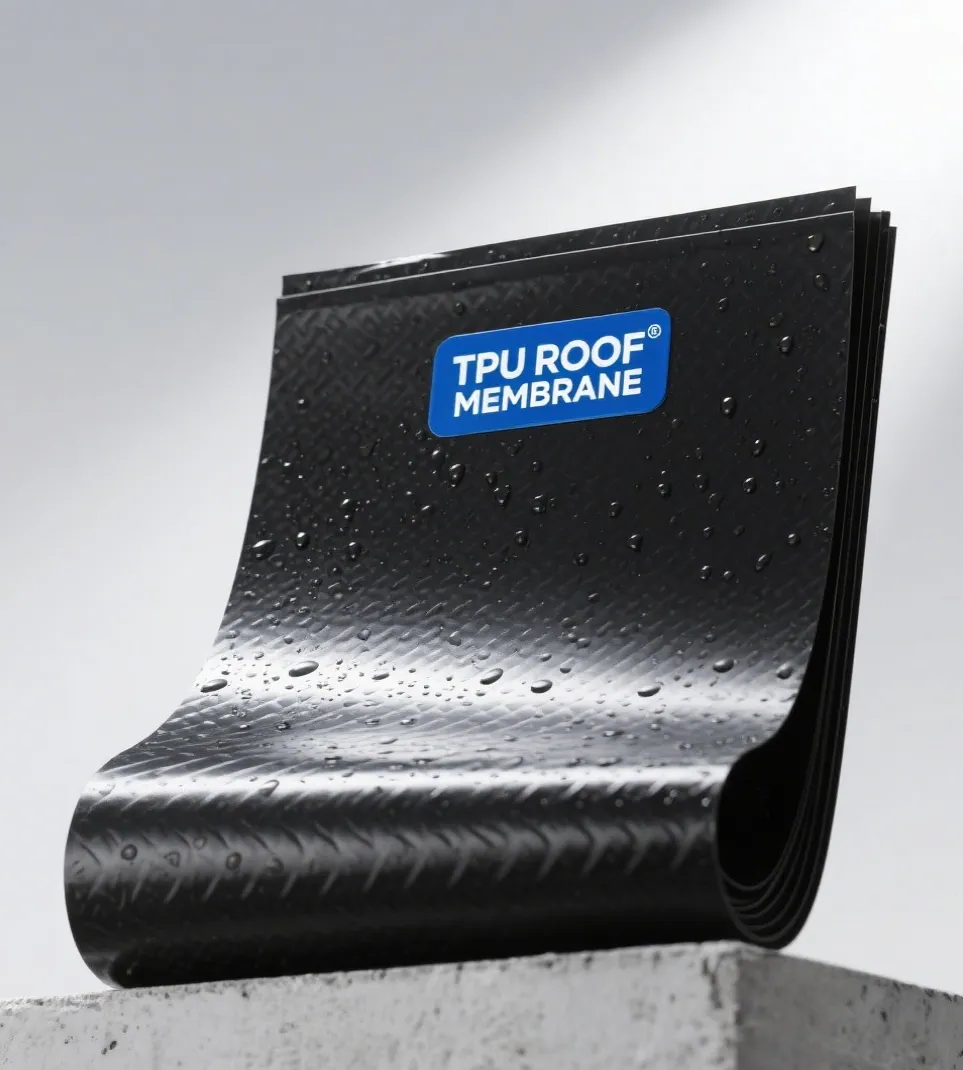
A comprehensive guide to leveraging thermoplastic polyurethane technology for sustainable architectural excellence and long-term structural integrity.
The Evolution of Sustainable Roofing Solutions
In the contemporary era of architectural design, the pursuit of sustainability has moved from a niche preference to a global mandate. As buildings account for a significant portion of global energy consumption, the selection of building envelope materials has become a critical focal point for engineers and developers. Among the most innovative advancements in this sector is the TPU roof membrane. This specialized material represents a synthesis of chemical engineering and practical construction needs, offering a lightweight yet incredibly durable solution for modern roofing challenges.
Traditional roofing materials, while functional, often fall short in terms of environmental impact and lifecycle efficiency. Bituminous products or standard PVC options may provide initial protection but frequently struggle with thermal degradation and recyclability issues. The emergence of Thermoplastic Polyurethane (TPU) as a primary component in roofing systems has redefined expectations for performance. By integrating the resilience of rubber with the processing advantages of plastics, a TPU roof membrane provides a barrier that is not only impervious to water but also adaptable to the dynamic stresses of a building's structure.
This guide explores why TPU technology is becoming the gold standard for green buildings. We will delve into its unique molecular structure, its contribution to thermal regulation, and its role in reducing the carbon footprint of commercial and residential projects. As we look toward a future of "net-zero" structures, understanding the technical nuances of these advanced membranes is essential for any professional in the construction and materials industry.
The Technical Science Behind TPU Performance
To appreciate the value of a TPU roof membrane, one must first understand the polymer science that facilitates its extraordinary properties. TPU is a block copolymer consisting of alternating sequences of hard and soft segments. The hard segments provide structural strength and high melting points, while the soft segments contribute to flexibility and elastic recovery. This internal architecture allows the membrane to withstand extreme temperature fluctuations without becoming brittle in the cold or overly soft in the heat, a common failure point for lesser materials.
Furthermore, the molecular bonds within TPU are inherently resistant to hydrolysis and microbial attack. In high-humidity environments or regions prone to heavy rainfall, standard membranes often succumb to fungal growth or chemical breakdown. TPU membranes, particularly those formulated with aliphatic polyurethanes, maintain their clarity and physical properties even after decades of exposure. This molecular stability ensures that the roof maintains its protective seal, preventing leaks that could compromise the building's interior and structural components.
The manufacturing process of these membranes also allows for precision engineering of thickness and texture. By laminating TPU films onto high-strength technical fabrics, manufacturers create a composite material that possesses high tensile strength and puncture resistance. This makes it ideal for rooftops that may experience foot traffic for maintenance or the installation of solar arrays. The versatility of TPU chemistry means that additives can be integrated directly into the polymer matrix to enhance UV resistance or flame retardancy, ensuring the membrane meets the strictest building codes across various jurisdictions.
Maximizing Energy Efficiency and Thermal Regulation
One of the primary drivers for adopting a TPU roof membrane in green building projects is its superior ability to regulate thermal transfer. In many climates, roofs are the largest source of heat gain during the summer and heat loss during the winter. A high-performance TPU membrane is often engineered with high solar reflectance and thermal emittance values. By reflecting a significant portion of solar radiation back into the atmosphere, these membranes significantly lower the surface temperature of the roof, which in turn reduces the "Urban Heat Island" effect in metropolitan areas.
For the building owner, this translates directly into quantifiable energy savings. When the roof surface remains cool, the HVAC (Heating, Ventilation, and Air Conditioning) systems do not have to work as hard to maintain comfortable indoor temperatures. Research has shown that transition from traditional dark-colored membranes to light-colored, reflective TPU solutions can reduce peak cooling demand by as much as 15% to 20%. This reduction not only lowers utility bills but also extends the operational lifespan of the building's mechanical systems by reducing wear and tear.
Beyond simple reflection, the airtight nature of a heat-welded TPU roof membrane ensures that conditioned air does not leak out of the building envelope. Traditional roofing systems with glued seams are prone to failure over time, creating thermal bridges where energy is lost. TPU membranes are typically joined using hot-air welding, creating a monolithic, continuous surface that is virtually leak-proof. This integrity is vital for achieving high ratings in green building certification programs such as LEED or BREEAM, where the continuity of the thermal envelope is a key performance indicator.
Environmental Sustainability and Lifecycle Impact
Sustainability in construction involves more than just energy savings; it encompasses the entire lifecycle of the material, from production to disposal. A TPU roof membrane excels in this regard due to its lack of volatile organic compounds (VOCs) and its full recyclability. Unlike PVC, which often contains phthalate plasticizers that can leach into the environment over time, TPU is an inert material that does not require such additives to maintain its flexibility. This makes it a safer choice for rainwater harvesting systems, as the runoff remains free from harmful chemical contaminants.
The longevity of TPU also plays a major role in its eco-friendly profile. A roof that lasts 30 years instead of 15 effectively halves the environmental impact associated with manufacturing, transportation, and installation of replacement materials. Because TPU is highly resistant to environmental pollutants and acidic rain, it maintains its structural integrity without the need for frequent repairs or toxic chemical coatings. When the membrane eventually reaches the end of its functional life, it can be mechanically recycled and reprocessed into other industrial products, contributing to a circular economy.
Furthermore, the lightweight nature of TPU membranes reduces the structural load on the building. This can allow for more efficient use of supporting materials like steel and concrete during the initial construction phase. By minimizing the weight of the roofing system, engineers can optimize the entire structural design, leading to further carbon footprint reductions across the project's development. For architects focused on green manufacturing, the shift toward TPU is a logical step in aligning material selection with environmental stewardship.
Strategic Advantages of Huanlong TPU Solutions
Huanlong has established itself as a premier innovator in the field of high-performance polymer films. With our state-of-the-art Lishui production base and a commitment to R&D, we specialize in delivering tailored solutions that meet the rigorous demands of the global construction industry. Our flagship TPU roof membrane is engineered to provide unmatched weather resistance and energy efficiency.
At Huanlong, we understand that every project has unique requirements. Our products are characterized by high vapor transmission capabilities where necessary, while maintaining a complete waterproof barrier. We utilize advanced extrusion technology to ensure uniform thickness and consistent quality across every roll. Our expertise extends beyond roofing to include automotive seat systems, medical films, and functional outdoor fabrics, allowing us to leverage cross-industry insights to improve our architectural offerings.
Our competitive advantage lies in our vertically integrated manufacturing and our focus on sustainability. By choosing Huanlong, clients benefit from:
- Advanced Aliphatic TPU formulations for superior UV stability and long-term clarity.
- Customizable lamination options for various industrial and architectural textiles.
- Rigorous quality control standards verified at our dedicated production facilities.
- Expert technical support to assist with material selection and installation guidelines.
We invite you to explore our full range of products and see how our innovation can elevate your next project.
Conclusion: Shaping the Future of Green Architecture
The integration of a TPU roof membrane into modern building designs is more than just a trend; it is a fundamental shift toward more resilient and responsible construction practices. As we have explored, the unique combination of chemical durability, thermal regulation, and environmental safety makes TPU an unparalleled choice for the building envelope. Whether it is reducing energy costs, ensuring a long-lasting waterproof seal, or meeting the strict requirements of green certifications, TPU technology provides the necessary performance benchmarks.
In conclusion, the architectural world continues to evolve, and the materials we choose today will dictate the sustainability of our urban landscapes tomorrow. By prioritizing high-quality, recyclable, and energy-efficient solutions like those provided by Huanlong, developers and architects can ensure their projects stand the test of time while minimizing their ecological footprint. The future of roofing is flexible, durable, and green—driven by the power of TPU.
Frequently Asked Questions
Q1: What makes a TPU roof membrane more durable than traditional PVC or TPO?
Unlike PVC, a TPU roof membrane does not contain plasticizers that leach out over time, which prevents the material from becoming brittle or shrinking. Its inherent elasticity and resistance to UV and hydrolysis ensure a much longer functional lifespan in harsh environments.
Q2: Can a TPU roof membrane help in obtaining LEED certification?
Yes, TPU membranes contribute to several LEED categories, including Energy and Atmosphere (by reducing cooling loads) and Materials and Resources (due to their recyclability and low environmental impact during production).
Q3: Is the installation process for a TPU roof membrane complicated?
The installation is similar to other thermoplastic membranes, primarily involving hot-air welding of the seams. This creates a permanent, waterproof bond that is stronger than the membrane itself, ensuring a high-performance seal with standard professional equipment.
Q4: How does a TPU roof membrane perform in extreme cold climates?
TPU maintains its flexibility even at temperatures as low as -40 degrees Celsius. This prevents the cracking and mechanical failure that often occurs in traditional roofing materials during freeze-thaw cycles.
Q5: Is a TPU roof membrane compatible with green roof (vegetated) systems?
Absolutely. Due to its exceptional root resistance and puncture protection, TPU is an ideal base layer for intensive and extensive green roof installations, providing long-term waterproofing security beneath the soil and plant layers.
Ready to Upgrade Your Building's Efficiency?
Contact our technical experts today to learn more about how Huanlong's TPU solutions can benefit your specific project.
Contact Huanlong Now