
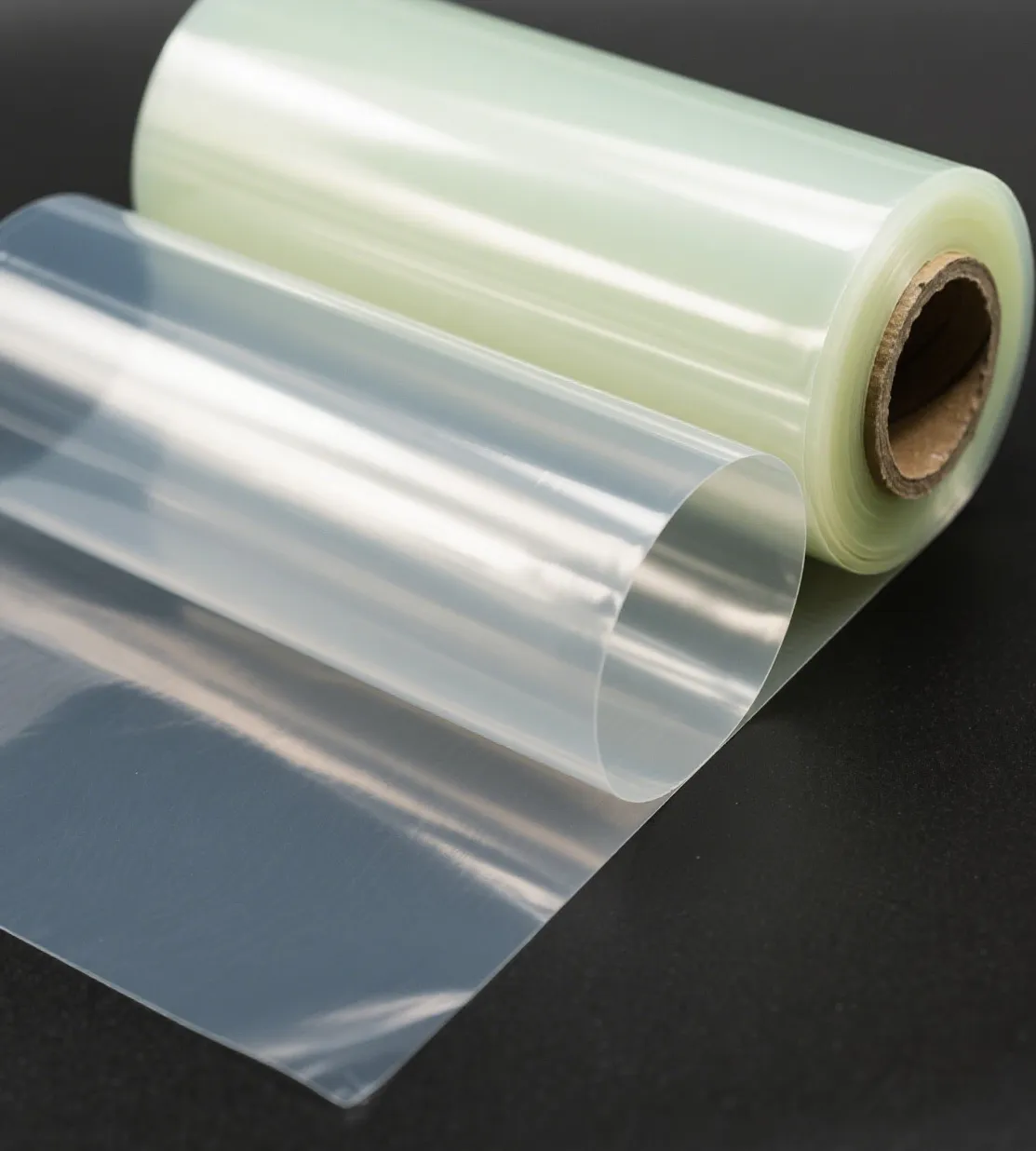
Exploring the sustainable future of thermoplastic polyurethane in modern manufacturing and environmental stewardship.
The Evolution of Sustainable Polymers in Industrial Applications
The global industrial landscape is undergoing a radical transformation as businesses pivot toward sustainable materials to mitigate environmental impact. Among these innovations, biodegradable TPU film has emerged as a cornerstone for companies seeking to balance high-performance physical properties with ecological responsibility. Thermoplastic Polyurethane (TPU) has long been prized for its elasticity, transparency, and resistance to oil and abrasion. However, the traditional synthesis of TPU relied heavily on non-renewable petroleum resources, leading to long-term waste concerns. The introduction of biodegradable variants represents a significant technological leap, allowing industries to maintain the rigorous standards required for technical applications while ensuring a reduced carbon footprint.
As consumer awareness regarding plastic pollution grows, regulatory frameworks worldwide are tightening around single-use plastics and non-recyclable materials. This shift has forced manufacturers in the packaging, automotive, and textile sectors to seek alternatives that do not compromise on durability or safety. The biodegradable TPU film offers a unique solution by utilizing molecular structures that can be broken down by microorganisms under specific environmental conditions. This evolution from a linear "take-make-waste" model to a circular economy approach is not just a trend but a necessity for modern industrial survival. At Huanlong, we recognize this shift and have dedicated our research and development to perfecting films that meet these dual demands of performance and planetary health.
Technical Mechanisms of Biodegradation in TPU Materials
Understanding how a biodegradable TPU film functions at a molecular level is essential for engineers and product designers. Unlike conventional plastics that simply fragment into microplastics, biodegradable TPU is engineered with specific chemical linkages—often polyester-based or containing bio-sourced polyols—that are susceptible to enzymatic or hydrolytic cleavage. When exposed to composting conditions, including specific humidity, temperature, and microbial activity, these polymer chains begin to break down into smaller units. Eventually, these units are metabolized by fungi and bacteria into water, carbon dioxide, and biomass, leaving no toxic residues behind.
The challenge in manufacturing a high-quality biodegradable TPU film lies in maintaining its mechanical integrity during its useful life. It must remain stable under storage and use, resisting premature degradation when exposed to sweat, rain, or common chemicals. Huanlong achieves this balance through precise control over the polymer's hard and soft segments. By optimizing the ratio of bio-based content, we ensure that the film retains its signature elasticity, tensile strength, and puncture resistance until it reaches the end of its life cycle. This precision engineering allows our films to be used in demanding environments, such as medical disposables or outdoor gear, where reliability is non-negotiable.
Revolutionizing Green Packaging with High-Performance Films
The packaging industry is perhaps the most visible beneficiary of the biodegradable TPU film revolution. Traditional packaging materials often fail to provide the necessary barrier properties or flexibility without being environmentally detrimental. TPU films, specifically those designed for biodegradability, offer a superior alternative for flexible packaging. They provide excellent clarity, allowing consumers to see the product, while offering a soft-touch texture that enhances the premium feel of the brand. Furthermore, the high vapor transmission rates available in certain TPU grades help in maintaining the freshness of organic products, reducing food waste—a critical component of green packaging strategies.
In addition to food and consumer goods, industrial packaging also benefits from these materials. For instance, protective wraps for electronics or precision machinery require a material that is anti-static and highly resistant to tearing. A biodegradable TPU film can be tailored to meet these technical specifications while providing a sustainable end-of-life path. Instead of entering a landfill where it would persist for centuries, the packaging can be processed in industrial composting facilities. This integration of high-end material science with environmental ethics allows brands to market themselves as leaders in sustainability, appealing to the growing demographic of eco-conscious global consumers.
Expanding Applications: From Automotive to Medical Care
While packaging is a primary focus, the versatility of biodegradable TPU film extends into much more complex arenas. In the automotive industry, manufacturers are increasingly looking for ways to make "green" vehicles that are sustainable from the inside out. TPU films are used in smart cabin systems, seat lumbar supports, and even decorative interior laminates. By switching to biodegradable options, automotive OEMs can improve the recyclability of vehicle interiors. The film's ability to withstand repeated stretching and compression makes it ideal for seating systems where comfort and longevity are paramount, yet the environmental footprint remains a key performance indicator.
In the medical sector, the demand for biocompatible and eco-friendly materials is surging. Disposable medical items such as surgical gowns, fluid bags, and wound dressings often utilize TPU for its barrier against pathogens and its skin-friendly nature. Implementing biodegradable TPU film in these applications addresses the massive waste problem generated by healthcare facilities. These films can be sterilized using standard methods and provide the same high-level protection as their non-biodegradable counterparts. By choosing Huanlong's advanced film solutions, medical device manufacturers can contribute to a healthier planet while maintaining the highest standards of patient care and safety.
Strategic Advantages of Partnering with Huanlong
As a leading specialist in the field, Huanlong (Shanghai) Functional Materials Co., Ltd. has established itself as a premier provider of high-performance TPU solutions. Our commitment to innovation is reflected in our state-of-the-art Lishui production base, which focuses on the development of advanced materials, including biodegradable TPU film. We understand that every industry has unique requirements, which is why we offer customized film development to ensure that the thickness, breathability, and degradation rate match your specific application needs.
Huanlong's advantage lies in our deep technical expertise and our holistic approach to the supply chain. From the selection of raw bio-polyols to the final extrusion process, we maintain rigorous quality control to ensure consistency and excellence. Our products are not just materials; they are solutions designed to help your business transition to a greener future without sacrificing the mechanical properties your customers rely on. Whether you are looking for films for high-performance footwear, automotive protection, or medical textiles, Huanlong provides the engineering support and material science necessary to bring your vision to life.
Frequently Asked Questions
Q1: How long does it take for biodegradable TPU film to decompose?
The degradation time for biodegradable TPU film depends on the environmental conditions. In a controlled industrial composting environment with the right temperature and microbial activity, it can significantly break down within 6 to 12 months. In natural soil, the process may take longer depending on moisture and biological presence.
Q2: Does biodegradable TPU film lose its strength over time?
No, a high-quality biodegradable TPU film is designed to maintain its mechanical properties throughout its intended shelf life and use phase. It only begins the degradation process when exposed to the specific microbial and environmental conditions found in composting or soil environments.
Q3: Can I use biodegradable TPU film for food packaging?
Yes, many grades of biodegradable TPU film are formulated to be food-safe and comply with international safety standards. They provide an excellent barrier and are free from harmful plasticizers, making them ideal for sustainable food contact applications.
Q4: Is biodegradable TPU film compatible with standard manufacturing equipment?
Absolutely. Biodegradable TPU film is designed to be processed using existing heat-sealing, ultrasonic welding, and lamination machinery. This allows manufacturers to switch to eco-friendly materials without significant reinvestment in new equipment.
Q5: How does the cost of biodegradable TPU film compare to traditional TPU?
While the initial cost of biodegradable TPU film may be slightly higher due to the specialized bio-based raw materials, the long-term value is significant. It helps brands avoid potential plastic taxes, meets environmental regulations, and enhances brand loyalty among eco-conscious consumers.
Ready to Enhance Your Product Sustainability?
Partner with Huanlong for the most advanced, high-performance TPU film solutions tailored to your industry.