
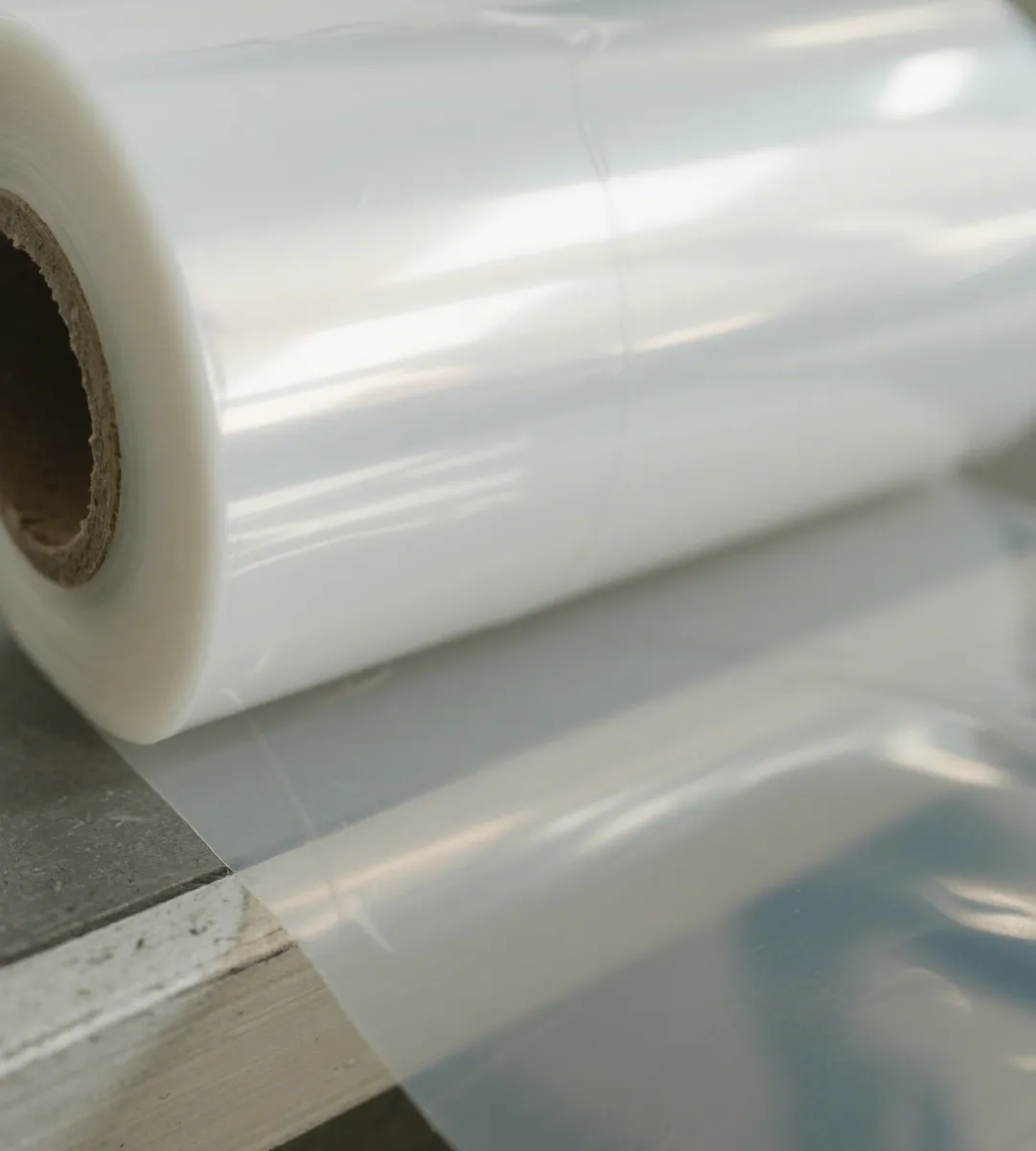
An in-depth exploration of technical specifications, environmental compliance, and industrial applications for sustainable thermoplastic polyurethane solutions.
The Evolution of Sustainable Polymers in Modern Manufacturing
The global manufacturing landscape is undergoing a radical shift toward circular economy principles. As industries strive to reduce their carbon footprint, the demand for eco-friendly materials has skyrocketed. Among these innovations, biodegradable TPU film stands out as a versatile and high-performance solution that bridges the gap between environmental responsibility and industrial utility. Traditional Thermoplastic Polyurethane (TPU) has long been favored for its elasticity, transparency, and mechanical strength; however, the emergence of biodegradable variants has revolutionized how we approach product lifecycle management.
A biodegradable TPU film is specifically engineered to break down under controlled environmental conditions, such as industrial composting or soil immersion, into water, carbon dioxide, and biomass. This process is facilitated by the introduction of bio-based monomers or specialized additives that allow microorganisms to metabolize the polymer chains. Unlike traditional plastics that persist for centuries, these advanced films offer a clear end-of-life strategy without compromising the high-tensile strength and abrasion resistance that TPU is known for in sectors like automotive, medical, and outdoor apparel.
Understanding the distinction between "oxo-degradable," "bio-based," and "compostable" is crucial for procurement specialists. While many materials claim to be green, only those that meet rigorous international certification standards can truly be classified as biodegradable. This guide serves as a technical resource for engineers and product designers looking to integrate sustainable films into their portfolios while ensuring compliance with global environmental regulations.
The Chemical Foundation of Biodegradable TPU Film
The science behind biodegradable TPU film lies in its molecular architecture. Standard TPU is a linear block copolymer consisting of hard segments (isocyanates) and soft segments (polyols). In biodegradable versions, the polyol component is often derived from renewable sources such as corn starch, castor oil, or other vegetable-based feedstocks. By modifying the ester or ether linkages within the polymer chain, manufacturers can create sites that are susceptible to enzymatic hydrolysis.
Biodegradation occurs in three distinct phases: biodeterioration, biofragmentation, and assimilation. During biodeterioration, abiotic factors like UV light and moisture weaken the film's surface. Subsequently, biofragmentation involves microorganisms secreting enzymes that break the long polymer chains into smaller oligomers. Finally, these fragments are assimilated by microbial cells to produce energy, resulting in the complete conversion of the biodegradable TPU film into natural byproducts. This process ensures that no microplastics are left behind, a significant advantage over traditional petroleum-based alternatives.
Furthermore, the performance of these films is highly tunable. Manufacturers can adjust the rate of degradation to match the intended lifespan of the product. For instance, a film used for agricultural mulching may be designed to degrade within six months, whereas a film used for medical packaging might require a longer shelf life with rapid degradation only upon disposal. This flexibility makes the material an ideal candidate for a wide range of functional applications where durability and sustainability must coexist.
Navigating Global Certification and Standards
For a biodegradable TPU film to be recognized in the global market, it must adhere to specific testing protocols. The most recognized standard is EN 13432 (European Standard), which defines the requirements for packaging recoverable through composting and biodegradation. To meet this standard, the material must achieve 90% biodegradation within six months in an industrial composting environment. Similarly, ASTM D6400 (American Standard) provides a standard specification for labeling plastics designed to be aerobically composted in municipal or industrial facilities.
Another critical certification is the OK Compost certification by TÜV Austria. This includes "OK Compost INDUSTRIAL" and "OK Compost HOME." While industrial composting requires elevated temperatures (55-60°C), home composting certifications ensure that the biodegradable TPU film will break down in the lower-temperature environments of a garden compost pile. These certifications provide transparency and build trust with end consumers who are increasingly wary of "greenwashing" in the plastics industry.
Beyond biodegradation, standards like ISO 14855-1 measure the ultimate aerobic biodegradability of plastic materials under controlled composting conditions by analysis of evolved carbon dioxide. For companies operating in the medical or textile industries, meeting REACH and RoHS compliance is also mandatory to ensure that no harmful chemical residues are released during the degradation process. By adhering to these multifaceted standards, manufacturers can guarantee that their products are safe for both the environment and the user.
Technical Performance and Processing Considerations
While the environmental benefits are clear, processing a biodegradable TPU film requires specialized expertise. These materials often exhibit a narrower processing window compared to conventional TPU. Moisture control is paramount; because the material is designed to be susceptible to hydrolysis, any residual moisture during extrusion can lead to premature degradation and loss of mechanical properties. High-precision drying systems and temperature-controlled extrusion lines are essential for maintaining the integrity of the film.
In terms of physical properties, modern biodegradable TPU film achieves parity with traditional grades. It maintains excellent low-temperature flexibility, high puncture resistance, and superior bonding capabilities with various substrates like polyester or nylon fabrics. However, engineers must carefully consider the storage conditions. Exposure to high humidity and heat for extended periods can trigger the degradation process prematurely. Therefore, specialized packaging, often including desiccant packs and UV-shielding layers, is used to ensure the film remains stable until it reaches the end-user.
The bonding strength is another critical factor, especially in lamination applications for outdoor gear or automotive interiors. Biodegradable variants are compatible with most standard adhesive systems, though there is a growing trend toward using bio-based adhesives to create a fully compostable composite structure. By optimizing the extrusion parameters and selecting the right grade of bio-based resins, manufacturers can produce films that meet the rigorous demands of heavy-duty industrial use while remaining eco-friendly.
Strategic Applications Across Diverse Industries
The versatility of biodegradable TPU film has led to its adoption in several high-impact sectors. In the medical industry, it is increasingly used for wound care dressings, surgical drapes, and hospital bedding. The material's breathability and biocompatibility make it ideal for skin-contact applications, while its biodegradability offers a solution to the massive volume of single-use medical waste generated globally. Transitioning to compostable alternatives in healthcare can significantly reduce the environmental burden of medical facilities.
The outdoor and textile industry is another major adopter. Brands are using these films for waterproof-breathable membranes in jackets, footwear components, and inflatable camping gear. Since these products are often used in nature, the assurance that any micro-debris will biodegrade is a powerful selling point for eco-conscious consumers. Furthermore, the film's soft touch and high elasticity enhance the comfort and performance of functional apparel without the environmental guilt associated with traditional synthetic laminates.
Automotive interiors are also seeing a surge in demand for sustainable materials. From seating systems to decorative trim lamination, biodegradable TPU film provides a durable finish that meets the strict VOC (Volatile Organic Compound) emission standards of modern smart cabins. By replacing traditional PVC or non-recyclable plastics with TPU-based solutions, automotive OEMs can improve the recyclability of vehicle components and align with global sustainability targets like the "End-of-Life Vehicles" (ELV) directive.
Huanlong: Leading the Future of TPU Innovation
Huanlong has established itself as a premier manufacturer specializing in high-performance thermoplastic polyurethane solutions. With decades of expertise in polymer science, we provide a comprehensive range of products, including our advanced biodegradable TPU film, designed to meet the most stringent international standards. Our commitment to research and development allows us to offer customized film solutions that do not sacrifice performance for sustainability.
Our advantages lie in our state-of-the-art production facilities and a rigorous quality control framework. We understand that every industry has unique requirements, which is why we offer specialized solutions such as medical grade TPU film and high breathable TPU for functional textiles. Our Lishui production base represents the pinnacle of our manufacturing capability, ensuring consistent quality and rapid delivery for global partners.
At Huanlong, we believe that the future of manufacturing is green. By choosing our eco-friendly TPU film solutions, companies can enhance their product value, meet environmental regulations, and contribute to a more sustainable planet. Whether you are looking for automotive paint protection or specialized industrial hoses, our engineering team is ready to provide the technical support needed to integrate sustainable materials into your supply chain.
Conclusion
The adoption of biodegradable TPU film represents a critical step forward in sustainable product design. By understanding the science, certifications, and application nuances, manufacturers can create high-performance products that respect the environment. As the industry evolves, staying informed about these standards will be the key to competitive advantage and global compliance.
Frequently Asked Questions
Q1: How long does it take for biodegradable TPU film to fully decompose?
The decomposition time for biodegradable TPU film depends on the environment. In industrial composting conditions (60°C with high humidity), it typically meets the EN 13432 standard by degrading 90% within 180 days. In soil or marine environments, the process may take longer depending on microbial activity and temperature.
Q2: Can biodegradable TPU film maintain the same physical strength as traditional TPU?
Yes, modern engineering allows biodegradable TPU film to match the tensile strength, elasticity, and puncture resistance of conventional petroleum-based TPU. This makes it a direct "drop-in" replacement for many industrial applications where mechanical performance is critical.
Q3: Does biodegradable TPU film require special storage conditions?
Because the material is sensitive to moisture and microbial action, biodegradable TPU film should be stored in a cool, dry place away from direct sunlight. Most manufacturers provide vacuum-sealed or moisture-barrier packaging to ensure a shelf life of 12 to 24 months before use.
Q4: Are the byproducts of biodegradable TPU film safe for the environment?
Certified biodegradable TPU film breaks down into water (H2O), carbon dioxide (CO2), and biomass. These products are non-toxic and do not leave behind microplastics or harmful chemical residues, ensuring they are safe for the soil and aquatic ecosystems.
Q5: Is biodegradable TPU film compatible with standard heat sealing and lamination processes?
Absolutely. Biodegradable TPU film retains the excellent thermal bonding properties of standard TPU. It can be easily processed using high-frequency (HF) welding, ultrasonic welding, and traditional heat lamination, making it highly versatile for various manufacturing workflows.