
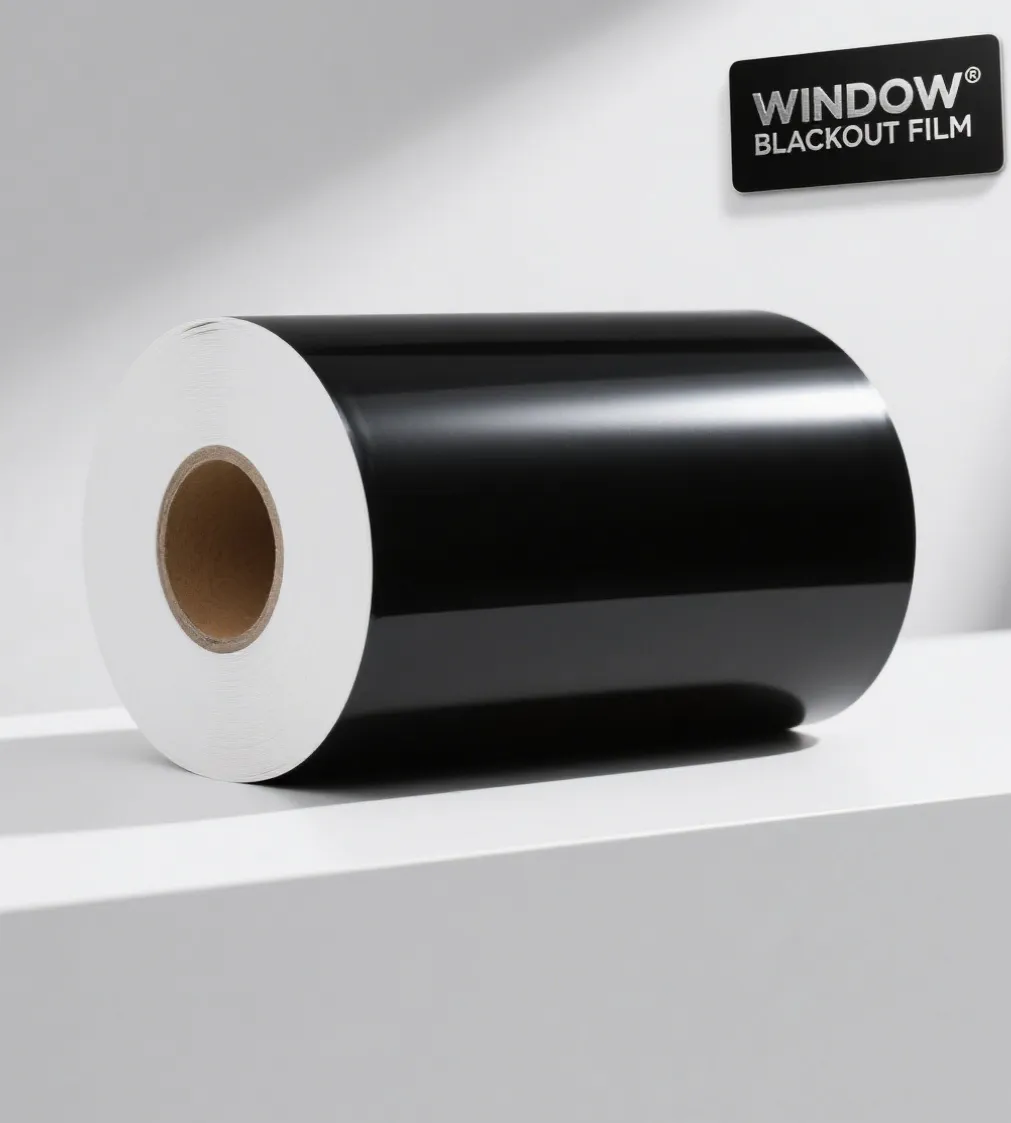
A comprehensive guide to high-performance light management and material durability in demanding environments.
In modern industrial and specialized outdoor settings, the requirement for total light control has moved beyond simple aesthetics to a critical operational necessity. The implementation of high-quality window blackout film has become a standard protocol for facilities requiring absolute darkness, UV protection, and thermal insulation. Whether it is a sensitive laboratory, a high-tech manufacturing floor, or an outdoor temporary structure, the choice of blackout material directly impacts the efficiency and safety of the environment. Unlike standard residential solutions, industrial-grade films must withstand rigorous environmental stressors while maintaining 100% opacity over long periods. This guide explores the technical intricacies of light-blocking technologies and why advanced materials like TPU are revolutionizing the industry.
The Science Behind High-Performance Window Blackout Film
When evaluating a window blackout film for industrial use, the chemical composition of the substrate is the most significant factor. Traditional films often relied on PVC (Polyvinyl Chloride), which, while cost-effective, tends to degrade under intense UV exposure and can release volatile organic compounds (VOCs). Transitioning to advanced Thermoplastic Polyurethane (TPU) technology, as championed by Huanlong, offers a superior alternative. TPU provides exceptional elasticity, resistance to punctures, and long-term stability that PVC simply cannot match. This is particularly vital in industrial cleanrooms where material outgassing could contaminate sensitive electronic components or pharmaceutical products.
Furthermore, the light-blocking mechanism in a professional-grade window blackout film is achieved through multi-layered extrusion processes. These layers are engineered to absorb and reflect 99.9% of the visible light spectrum and harmful ultraviolet rays. By preventing light leakage at the microscopic level, these films ensure that photo-sensitive processes are never compromised. The integration of specialized pigments within the TPU matrix ensures that the film remains pitch black without fading or becoming brittle, even when subjected to 24/7 industrial lighting or direct solar radiation.
Demanding Applications in Outdoor and Industrial Sectors
The versatility of window blackout film extends far beyond simple window coverings. In the realm of outdoor applications, these films are utilized in mobile medical units, temporary command centers, and specialized housing for equipment. These environments demand materials that can handle extreme temperature fluctuations without peeling or cracking. A TPU-based film maintains its flexibility in freezing temperatures and its structural integrity in desert heat, providing a reliable barrier against the elements while maintaining total darkness inside the structure.
In the industrial sector, light management is often tied to safety and precision. For example, in the semiconductor industry, certain lithography steps are highly sensitive to specific wavelengths of light. Using a specialized window blackout film allows facilities to create "dark zones" without the need for expensive structural modifications. Similarly, in the automotive industry, particularly in automotive comfort systems and testing bays, blackout films help in simulating night-time driving conditions or protecting sensitive interior components from UV degradation during the manufacturing cycle.
Comparison: TPU vs. Traditional Blackout Materials
| Feature | Traditional PVC Film | Huanlong TPU Blackout Film |
|---|---|---|
| Durability | Moderate; prone to cracking | High; excellent tear resistance |
| Environmental Impact | Contains phthalates; non-recyclable | Eco-friendly; recyclable options |
| Light Blockage | 90-95% (may fade) | 99.9% (consistent opacity) |
| Temperature Range | -10°C to 40°C | -40°C to 120°C |
Why TPU is the Ideal Substrate for Industrial Blackout Solutions
The transition to TPU-based window blackout film is driven by the material’s unique molecular structure. TPU combines the mechanical properties of plastics with the flexibility of elastomers. This means that for industrial facilities that experience vibration or structural shifting, the film can expand and contract without losing its adhesion or light-blocking properties. Furthermore, for applications like medical film environments, TPU is naturally resistant to microbes and easy to sanitize with standard hospital-grade cleaners.
Huanlong’s expertise in TPU manufacturing allows for the production of films that are not only functional but also sustainable. As global industries move toward greener standards, using a recyclable TPU window blackout film helps companies meet their ESG (Environmental, Social, and Governance) goals. Additionally, the high vapor transmission rates of certain TPU variants, such as high breathable TPU, can be engineered into specific layers to prevent moisture buildup between the glass and the film, which is a common cause of mold in standard blackout installations.
Installation Strategies for Maximum Performance
Achieving a 100% blackout effect requires more than just high-quality film; it requires precision during installation. In industrial settings, surface preparation is the first and most critical step. Any dust, grease, or chemical residue on the glass surface can compromise the bond, leading to "light leaks" or bubbling. Professional installers often use a wet-application method, which allows for repositioning of the window blackout film to ensure a perfect edge-to-edge fit. This is particularly important for large-scale projects like roofing and building structures where expansive glass areas must be covered uniformly.
Maintenance of these films is remarkably simple due to the resilient nature of TPU. Unlike fabric curtains or blinds that accumulate dust and require frequent laundering, a TPU window blackout film can be wiped down with a damp cloth. This makes it an ideal solution for home textiles alternatives in high-traffic or sterile environments where hygiene is paramount. Regular inspections should be conducted to check for physical damage, though the high impact resistance of the film usually prevents any significant wear and tear from daily operations.
Huanlong: Leading the Way in Functional Film Solutions
At Huanlong, we specialize in providing advanced film solutions that solve complex industrial challenges. Our range of products, including functional solutions, are designed with the end-user in mind. We understand that every industry has unique requirements, whether it is the need for new energy application protection or high-tech paint protection films. Our window blackout film is a result of years of R&D in polyurethane technology, ensuring that our clients receive a product that is both durable and highly effective.
Our manufacturing process involves rigorous quality control measures, ensuring that every roll of window blackout film meets international standards for opacity and environmental safety. We provide tailored support for large-scale projects, offering technical guidance from the selection phase through to the final installation. Our commitment to innovation is reflected in our diverse product portfolio, which serves industries ranging from aerospace to medical healthcare.
Frequently Asked Questions
Q1: How long does industrial window blackout film last?
An industrial-grade window blackout film made from TPU typically lasts between 5 to 10 years, depending on the intensity of UV exposure and environmental conditions. High-quality films from Huanlong are engineered to resist yellowing and brittleness, ensuring long-term performance.
Q2: Can window blackout film be used on double-pane windows?
Yes, but it is essential to choose a film that is compatible with double-pane (IGU) systems. Some films can trap heat between the panes, potentially causing thermal stress. Our window blackout film solutions are designed to manage heat absorption effectively to minimize this risk.
Q3: Is the window blackout film easy to remove?
Most professional window blackout film products use a high-tech adhesive that allows for clean removal without leaving sticky residue on the glass. This is ideal for leased industrial spaces or temporary outdoor setups.
Q4: Does window blackout film provide any insulation?
Yes, window blackout film provides a significant thermal barrier. It helps in keeping interiors cooler in the summer by reflecting solar energy and can provide a minor layer of insulation to retain heat during winter months.
Q5: How do I clean the window blackout film?
Cleaning a window blackout film is straightforward. Use a soft cloth or squeegee with a mild soap-and-water solution. Avoid using abrasive tools or harsh chemicals that could scratch the surface of the film.
Secure Your Environment with Premium Blackout Solutions
Whether you are managing an industrial facility or an outdoor project, our window blackout film offers the durability and performance you need. Experience the difference that high-quality TPU technology can make for your light control requirements.
Visit Huanlong Official Website to explore our full range of TPU products.