
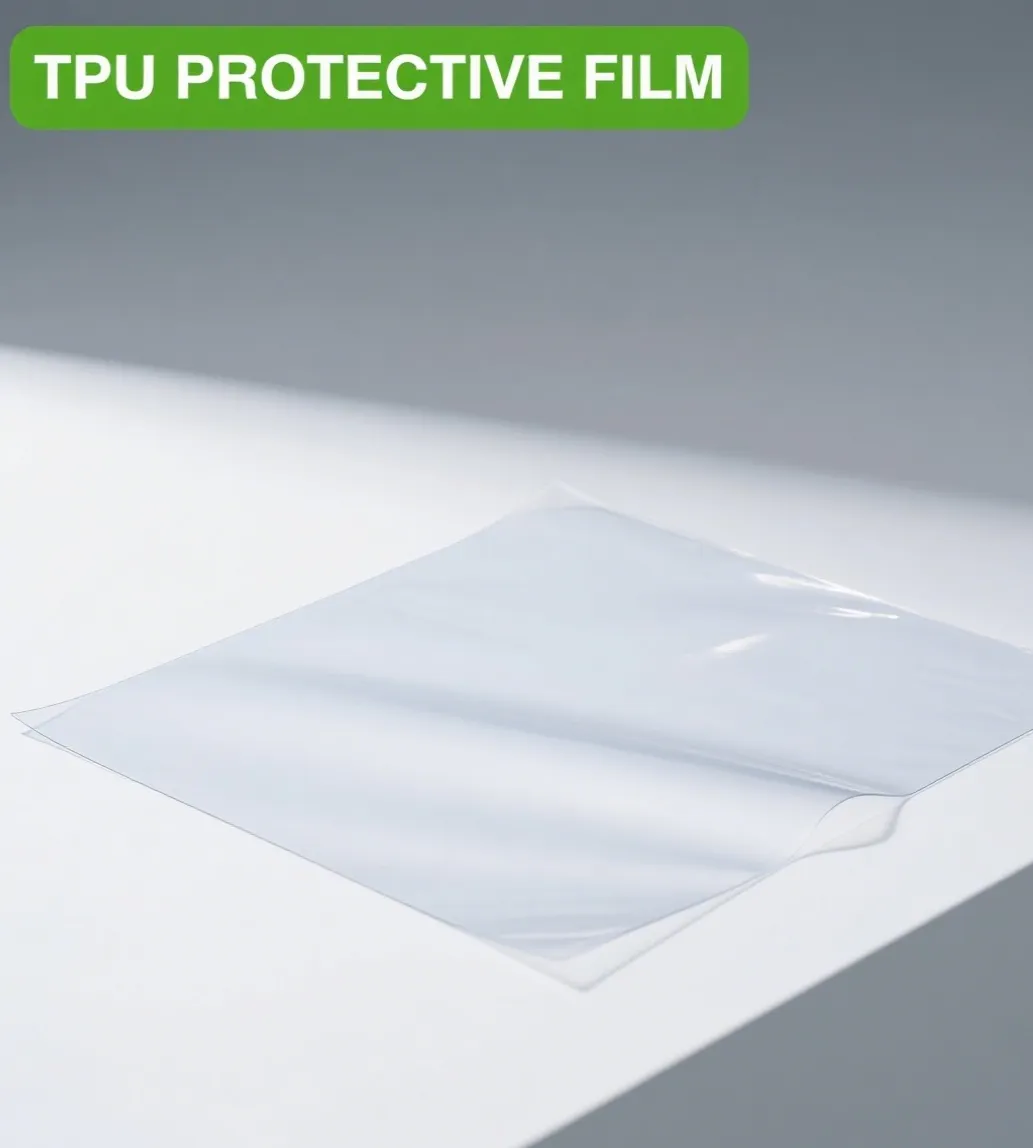
A comprehensive guide to the science, application, and advantages of modern surface shielding solutions.
In the modern automotive industry, maintaining the pristine condition of a vehicle's exterior is no longer just a matter of aesthetics; it is a critical factor in preserving long-term asset value. The introduction of high-performance TPU protective film has revolutionized how we approach surface shielding. Unlike traditional coatings, this thermoplastic polyurethane layer provides a physical barrier that combines elasticity with extreme durability. Huanlong, a leader in advanced polymer materials, has perfected the engineering of these films to meet the rigorous demands of both luxury and commercial vehicle sectors.
Understanding the technical nuances of this material is essential for distributors, automotive detailers, and manufacturers alike. As environmental factors such as UV radiation, acid rain, and road debris become more aggressive, the reliance on advanced material science grows. This guide dives deep into the characteristics that make this protective solution the gold standard in the industry today.
The Science Behind High-Quality TPU Protective Film
The core of any premium protective layer lies in its molecular structure. Thermoplastic Polyurethane (TPU) is a unique class of polyurethane plastics with many properties, including elasticity, transparency, and resistance to oil, grease, and abrasion. On a molecular level, the film consists of hard and soft segments. The hard segments provide the structural integrity and toughness, while the soft segments allow for the flexibility and self-healing properties that define a top-tier TPU protective film.
One of the most significant breakthroughs in this technology is the ability to resist yellowing. Lower-quality materials often oxidize when exposed to prolonged sunlight, leading to a hazy appearance. However, advanced formulations used by Huanlong incorporate UV stabilizers that prevent the polymer chain from breaking down. This ensures that the vehicle maintains its high-gloss finish for years, even in extreme climates. Furthermore, the high tensile strength of the film allows it to absorb the energy from stone impacts, dispersing the force and preventing chips in the underlying paintwork.
The manufacturing process is equally vital. Through precision extrusion and multi-layer coating technologies, manufacturers can create films that are thin enough to be nearly invisible yet strong enough to withstand high-velocity impacts. This balance of thickness and transparency is what separates professional-grade protection from DIY alternatives.
Material Comparison: Why TPU Prevails
To understand the value of a high-end TPU protective film, it is necessary to compare it against older technologies like PVC (Polyvinyl Chloride) and TPH (a hybrid material). The following table highlights the technical advantages that make TPU the preferred choice for modern automotive applications.
| Feature | PVC Film | TPH Film | TPU Protective Film |
|---|---|---|---|
| Flexibility | Low (Rigid) | Moderate | High (Superior Stretch) |
| Self-Healing | None | Limited | Excellent (Heat Activated) |
| Lifespan | 1-2 Years | 2-3 Years | 5-10 Years |
| UV Resistance | Poor (Yellows Quickly) | Average | Superior |
Versatility Across Industries with Huanlong
While automotive paint protection is the most visible use case, the core technology behind Huanlong products extends far beyond cars. The same principles of durability and barrier protection are applied in specialized fields such as medical film production, where biocompatibility and sterile integrity are paramount.
For example, in the outdoor equipment industry, TPU films provide waterproof and breathable layers for high-performance apparel. In the rapidly evolving new energy sector, these films are used for insulation and component protection in battery systems, proving that the adaptability of TPU is nearly limitless.
By leveraging our expertise in automotive seating systems, we have developed films that enhance comfort while providing a moisture barrier, ensuring the longevity of interior components. Whether it is a high-gloss exterior shield or a functional interior membrane, the consistency of our polymer solutions remains world-class.
Strategic Implementation of Surface Shielding
Implementing a successful protection strategy requires more than just high-quality material; it requires precision. Professional installers often utilize computerized cutting software to ensure that the TPU protective film fits the unique contours of a vehicle's body. This minimizes waste and ensures that there are no exposed edges that could catch dirt or lift over time.
For businesses looking to integrate these solutions, Huanlong offers customizable options including various thicknesses and finish types (gloss, matte, or satin). This flexibility allows brands to offer tailored solutions to their clients, whether they are looking for a rugged off-road shield or a sophisticated aesthetic enhancement for a supercar. Our high breathable TPU variants also cater to niche markets where vapor transmission is a technical requirement, showcasing our commitment to innovation.
Strategic advice for long-term maintenance includes using pH-neutral cleaning agents and avoiding abrasive waxes. Because the top coat of a premium film is engineered to self-heal, minor swirl marks caused by washing will disappear under gentle heat or sunlight, keeping the vehicle in showroom condition indefinitely.
Frequently Asked Questions
Q1: How long does a professional TPU protective film last?
A high-quality film from a reputable manufacturer like Huanlong can last anywhere from 5 to 10 years, depending on environmental exposure and maintenance habits. Its superior UV resistance prevents yellowing and cracking during this period.
Q2: Can TPU protective film really heal itself?
Yes, the advanced polymer structure has a memory effect. When light scratches or swirl marks occur, applying gentle heat (from the sun or warm water) causes the material to return to its original state, making the scratches disappear.
Q3: Is TPU protective film visible once installed?
When installed professionally, a premium film is virtually invisible. It features high optical clarity that enhances the depth of the vehicle's paint rather than dulling it.
Q4: Will the TPU protective film damage the original paint upon removal?
No, professional-grade films use pressure-sensitive adhesives (PSA) that are designed to bond securely but release cleanly. As long as the factory paint was in good condition at the time of installation, the film can be removed without leaving residue or damaging the surface.
Q5: Can I apply ceramic coating over a TPU protective film?
Yes, many owners choose to apply a film-specific ceramic coating. This adds an extra layer of hydrophobicity, making the car much easier to clean and further protecting the film from chemical stains.
Conclusion
In conclusion, investing in a high-performance TPU protective film is a strategic decision that pays dividends in both vehicle preservation and aesthetic satisfaction. Huanlong remains at the forefront of this technology, delivering innovative solutions that bridge the gap between material science and practical application. By choosing our specialized films, you are ensuring the highest level of protection available on the market today.