
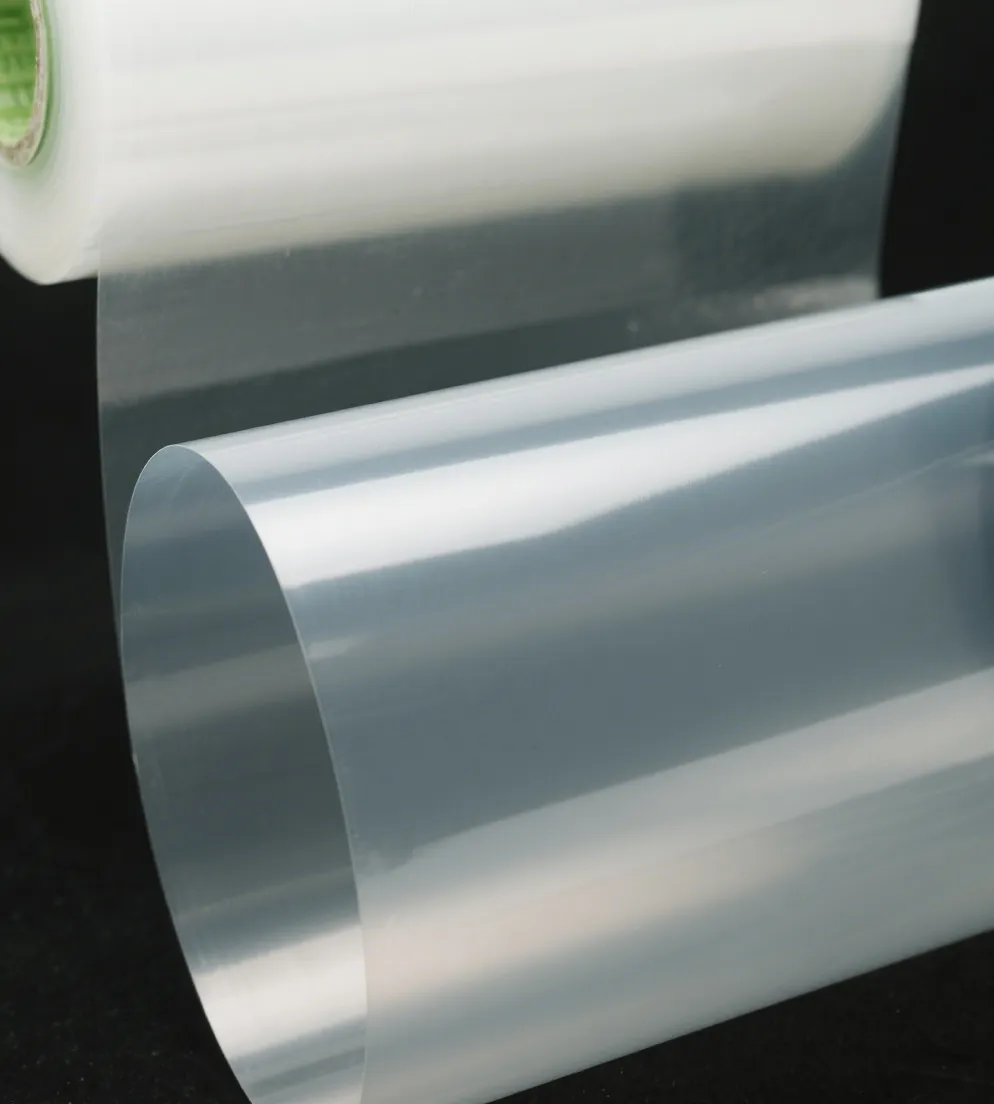
The global manufacturing landscape is undergoing a radical shift toward sustainability, driven by both consumer demand and stringent environmental regulations. In this context, the emergence of biodegradable TPU film represents a significant milestone in material science. For decades, industries relied heavily on traditional Thermoplastic Polyurethane (TPU) and Polyvinyl Chloride (PVC) for their durability and elasticity. However, the environmental cost of these non-degradable materials has become impossible to ignore. Huanlong has positioned itself at the forefront of this green revolution, developing advanced solutions that bridge the gap between high-performance physical properties and ecological responsibility. This guide explores how these sustainable films compare to traditional alternatives and why they are becoming the gold standard for modern production.
The Evolution of Material Science: Transitioning to biodegradable TPU film
Traditional plastics and synthetic elastomers have long been criticized for their persistence in the environment. Standard TPU, while offering excellent abrasion resistance and flexibility, can take centuries to decompose in a landfill. The development of biodegradable TPU film addresses this specific pain point. By incorporating specialized bio-based additives or utilizing polyester-based structures that are susceptible to microbial breakdown under specific conditions, manufacturers can now offer products that return to nature without leaving behind harmful microplastics. This evolution does not happen in a vacuum; it is the result of years of research into polymer chain stability and enzymatic degradation.
At Huanlong, our approach to sustainability involves a deep understanding of molecular engineering. We recognize that a material is only as good as its performance in the field. Our high breathable TPU technology, for instance, has been adapted to meet eco-friendly standards while maintaining the moisture vapor transmission rates required for technical apparel and medical applications. By choosing a biodegradable path, companies are not just reducing their carbon footprint; they are future-proofing their product lines against upcoming plastic bans and environmental taxes. This transition signifies a move from a linear "take-make-waste" model to a more circular economy where material end-of-life is planned from the initial design phase.
The technical challenge has always been maintaining the "durable" aspect of the "durable biodegradable" promise. Early iterations of biodegradable plastics were often brittle or prone to premature degradation when exposed to UV light or moisture. However, modern biodegradable TPU film utilizes advanced stabilization packages that ensure the product remains functional throughout its intended lifespan, only beginning the breakdown process once it enters a compost-rich environment or a designated landfill. This controlled degradation is what sets Huanlong's products apart, providing reliability for the consumer and peace of mind for the environmentalist.
Performance Analysis: Biodegradable TPU vs. Traditional Materials
To truly understand the value proposition of biodegradable TPU film, one must look at the empirical data. When compared to traditional PVC or standard Polyethylene (PE), the mechanical advantages of TPU are clear. It offers superior tensile strength, better low-temperature flexibility, and exceptional resistance to oils and chemicals. When we introduce biodegradability into the mix, these core strengths must be preserved to ensure the material remains viable for heavy-duty applications such as automotive interiors or outdoor gear.
| Feature | Biodegradable TPU | Traditional TPU | Traditional PVC |
|---|---|---|---|
| Tensile Strength | Excellent (30-50 MPa) | Excellent (35-60 MPa) | Moderate (10-25 MPa) |
| Environmental Impact | Low (Decomposable) | High (Non-degradable) | Very High (Toxic additives) |
| Flexibility | Very High | Very High | Moderate (Needs plasticizers) |
| Recyclability | Yes & Decomposable | Yes | Difficult |
As the table demonstrates, biodegradable TPU film holds its own against traditional TPU in terms of physical performance while vastly outperforming PVC. The primary difference lies in the end-of-life cycle. While PVC releases chlorine gas and dioxins if incinerated and leaches phthalates in landfills, TPU is inherently safer. The biodegradable variant goes a step further by ensuring that the polymer chains eventually break down into water, CO2, and biomass. This makes it an ideal candidate for products with shorter lifecycles or those likely to end up in managed waste streams, such as disposable medical covers or fast-fashion accessories.
Industry-Specific Applications of biodegradable TPU film
The versatility of biodegradable TPU film allows it to permeate various high-stakes industries. In the medical film sector, safety and biocompatibility are paramount. Our films are engineered to be skin-friendly and hypoallergenic, making them suitable for wound dressings and surgical drapes. By utilizing a biodegradable version, hospitals can reduce the environmental burden of the massive amounts of single-use plastic waste generated daily, without compromising patient sterile environments.
The automotive industry is another sector where this material is making waves. From the automotive comfort seat system to protective interior wraps, manufacturers are under pressure to increase the "green" percentage of their vehicles. Our films provide the necessary haptic feel and durability required for premium car interiors while aligning with corporate sustainability goals. Furthermore, in the outdoor gear market, where consumers are highly eco-conscious, using biodegradable TPU film for waterproof jackets and camping equipment serves as a powerful brand differentiator. It assures the adventurer that the gear they use to enjoy nature won't ultimately destroy it.
Even specialized fields like the semiconductor industry are finding uses for these advanced films in packaging and protection. The clean-room compatibility of TPU, combined with the ethical advantages of biodegradability, creates a comprehensive solution for high-tech logistics. Whether it is providing a lighter and recyclable option for functional footwear, as seen in our TPU foam film projects, or securing roofing structures, the application range is virtually limitless.
Processing Advantages and Manufacturing Efficiency
One might assume that switching to biodegradable TPU film requires a complete overhaul of existing manufacturing lines. Fortunately, this is not the case. One of the greatest advantages of our sustainable films is their compatibility with standard processing equipment. Whether you are using extrusion coating, hot-melt lamination, or high-frequency welding, these films behave similarly to their traditional counterparts. This "drop-in" capability allows manufacturers to transition to greener materials without incurring massive capital expenditures for new machinery.
Huanlong provides comprehensive technical support to ensure that the integration of biodegradable TPU film into your production process is seamless. We understand that factors like melt temperature, cooling rates, and adhesion properties are critical. For instance, in applications involving lamination with fabric, our films are designed to provide superior bond strength, ensuring that the final composite material remains intact even under high stress. This level of reliability is essential for industries like construction and home textiles, where product failure is not an option.
Moreover, the use of biodegradable materials can lead to operational efficiencies. Many regions are now offering tax incentives for companies that utilize sustainable packaging and components. By integrating biodegradable TPU film, businesses can often offset the slightly higher material cost through these incentives and by tapping into the "premium" market segment that is willing to pay more for eco-certified products. It is a strategic move that benefits the bottom line as much as it benefits the planet.
The Future of Sustainability with Huanlong
Looking ahead, the role of biodegradable TPU film will only expand. As chemical recycling technologies improve and industrial composting infrastructure becomes more widespread, the lifecycle of these films will become even more efficient. At Huanlong, we are committed to continuous innovation. We are currently exploring even faster degradation rates and bio-content percentages that exceed current industry standards. Our goal is to provide a material that is indistinguishable from traditional TPU in performance but completely invisible to the environment after its use.
We invite our partners to explore our comprehensive solutions for various industries. From new energy applications to advanced home textiles, our team is ready to customize the properties of our film to meet your specific needs. Sustainability is no longer a niche requirement; it is a fundamental pillar of modern industry. By adopting biodegradable TPU film, you are joining a global community of forward-thinking manufacturers dedicated to excellence and environmental stewardship.
In conclusion, the choice between performance and sustainability is no longer a compromise. With the advancements in biodegradable TPU film, industries can achieve the highest standards of durability and functionality while significantly reducing their environmental footprint. Huanlong is here to guide you through every step of this transition, providing the expertise and high-quality materials needed to succeed in a green economy.
Frequently Asked Questions
Q1: How long does it take for biodegradable TPU film to fully decompose?
The decomposition time for biodegradable TPU film depends on the environment. In industrial composting conditions with high microbial activity and heat, it can break down within 6 to 12 months. In standard landfill conditions, it may take longer, but it is significantly faster than traditional plastics which take centuries.
Q2: Does biodegradable TPU film lose its strength over time?
No, our biodegradable TPU film is engineered to maintain its mechanical properties throughout its shelf life and intended use. The degradation process is triggered by specific environmental factors like high moisture and microbial presence, meaning it remains durable and strong during normal storage and application.
Q3: Can I use biodegradable TPU film with my existing machinery?
Yes, one of the main benefits of biodegradable TPU film is its compatibility with standard processing methods such as heat sealing, ultrasonic welding, and lamination. Most manufacturers can switch to this material without making significant changes to their production lines.
Q4: Is biodegradable TPU film safe for medical use?
Absolutely. Our biodegradable TPU film is designed to meet strict safety standards. It is often used in medical applications because it is non-toxic, skin-friendly, and can be manufactured to be highly breathable, making it perfect for surgical and therapeutic products.
Q5: What makes Huanlong's biodegradable TPU film different from others?
Huanlong combines over a decade of expertise with advanced polymer technology. Our biodegradable TPU film offers a superior balance of durability and eco-friendliness, backed by rigorous testing and a commitment to customized solutions for specific industry needs like automotive and outdoor gear.
Ready to Upgrade Your Materials?
Partner with Huanlong to integrate high-performance biodegradable TPU film into your next project and lead the way in sustainable manufacturing.
Contact Our Experts Today