
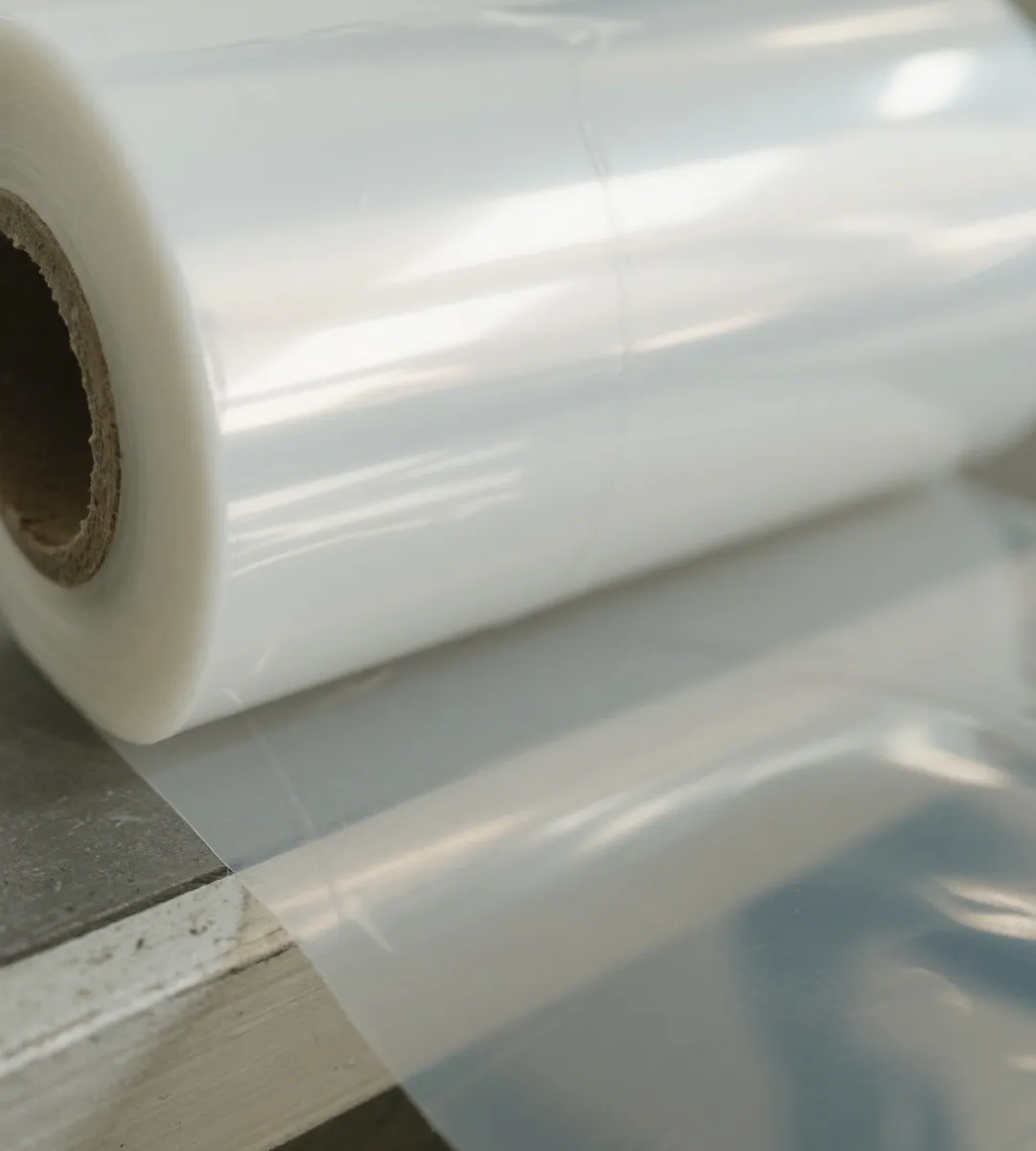
In the rapidly evolving landscape of modern manufacturing, the shift toward sustainable materials has become a global imperative. Among the most innovative solutions emerging in the market is biodegradable TPU film, a material that bridges the gap between high-performance industrial utility and environmental responsibility. Traditionally, thermoplastic polyurethane (TPU) has been lauded for its elasticity and strength, but the addition of biodegradability, combined with enhanced chemical resistance, makes it a game-changer for sectors ranging from automotive to medical technology.
Huanlong, a leader in advanced polymer solutions, has pioneered the development of specialized films that do not compromise on durability. For industries that deal with harsh solvents, oils, and abrasive environments, finding a material that can withstand such conditions while remaining eco-friendly is a significant challenge. This article serves as a comprehensive guide to understanding how chemical resistant variants of this sustainable film are reshaping industrial standards, offering a deep dive into its properties, applications, and the strategic advantages it provides to forward-thinking enterprises.
The Science of Chemical Resistance in Sustainable Polymers
Chemical resistance is not a monolithic trait; it involves the material's ability to maintain its physical integrity and mechanical properties when exposed to specific substances. In industrial settings, films are often subjected to grease, hydraulic fluids, cleaning agents, and industrial alcohols. Standard biodegradable materials often fail in these environments because the very mechanisms that allow for natural breakdown can be prematurely triggered by chemical exposure. However, the advanced biodegradable TPU film produced by Huanlong is engineered at the molecular level to resist swelling, softening, or cracking.
By optimizing the ratio of hard and soft segments within the polyurethane chain, engineers can create a barrier that prevents chemical molecules from penetrating the polymer matrix. This structural integrity is crucial for long-term performance. For instance, in manufacturing plants where floor liners or protective covers are used, the film must remain intact despite constant exposure to lubricants. Huanlong's specialized formulations ensure that the biodegradable additives remain dormant during the product's functional lifespan, only becoming active under specific composting or landfill conditions where microbial activity is present.
Furthermore, the thermal stability of this film allows it to operate effectively in fluctuating temperatures. Industrial processes often generate heat, which can accelerate chemical degradation. A robust chemical resistant film ensures that even under thermal stress, the polymer does not leach harmful substances or lose its tensile strength. This level of expertise in polymer science is what sets Huanlong apart, providing clients with a material that is both a high-performance industrial tool and a statement of environmental stewardship.
Key Industrial Applications and Case Studies
Automotive and Transportation
The automotive sector is under intense pressure to reduce its carbon footprint. From interior components to protective coatings, the integration of sustainable materials is now a priority. Huanlong's film is utilized in automotive comfort seat systems, where it provides a durable, chemical-resistant barrier against upholstery cleaners and sweat, all while ensuring the seat remains recyclable at the end of the vehicle's life.
Medical and Healthcare
In healthcare, materials must withstand rigorous sterilization processes involving harsh disinfectants. The use of medical film that is also biodegradable offers a solution to the massive waste generated by single-use medical supplies. These films maintain their microbial barrier properties and liquid resistance even after repeated exposure to isopropyl alcohol and other sanitizing agents.
Beyond these sectors, the film finds extensive use in the outdoor gear industry. Backpacks, tents, and protective clothing require laminates that can resist environmental pollutants and cleaning detergents without peeling or degrading. By choosing a biodegradable TPU film, manufacturers can offer products that are "adventure-ready" and environmentally conscious, appealing to the growing demographic of eco-aware consumers.
Comparison of TPU Film Variants
To truly appreciate the value of a chemical resistant biodegradable option, it is helpful to compare it against traditional materials. The following table highlights the performance metrics that matter most to industrial engineers.
| Feature | Standard TPU Film | Biodegradable TPU Film | PVC Film |
|---|---|---|---|
| Chemical Resistance | High | Excellent (Enhanced) | Moderate |
| Environmental Impact | Recyclable but Non-degradable | Eco-friendly & Degradable | Low (Toxic potential) |
| Flexibility | Very High | Very High | Low to Moderate |
| Industrial Lifespan | 5-10 Years | 3-7 Years (Usage dependent) | 3-5 Years |
As shown above, the biodegradable TPU film matches or exceeds the performance of traditional films while providing a clear end-of-life solution that aligns with corporate social responsibility (CSR) goals.
Why Choose Huanlong for Your Material Needs?
Huanlong is more than just a manufacturer; we are a partner in innovation. Our commitment to Research and Development ensures that every roll of film we produce meets the most stringent international standards for quality and sustainability. Our expertise spans across various high-tech sectors, including semiconductor packaging and new energy applications.
Our competitive advantage lies in our customized approach. We understand that a "one size fits all" strategy doesn't work for industrial applications. Whether you need a specific thickness, a particular level of breathability, or enhanced UV resistance alongside chemical protection, our team can tailor the formulation of your biodegradable TPU film to meet your exact specifications. By choosing Huanlong, you are investing in a future where industrial progress and environmental health coexist harmoniously.
With decades of experience in the polymer industry, Huanlong has built a reputation for reliability. Our global supply chain ensures that we can provide consistent quality and timely delivery, regardless of your location. We provide full technical support, from the initial design phase to the final implementation, ensuring that the transition to sustainable materials is seamless for your production line.
Conclusion and Environmental Outlook
The industrial world is at a crossroads. The choice is no longer between performance and sustainability, but how to integrate both effectively. Chemical resistant biodegradable TPU film represents a significant leap forward, providing the durability required for heavy-duty industrial use while ensuring that the material does not linger in the environment for centuries after its purpose is served.
As regulations around plastic waste tighten and consumer demand for green products continues to rise, early adopters of these advanced materials will find themselves at a distinct market advantage. Huanlong remains dedicated to pushing the boundaries of what is possible with thermoplastic polyurethane, ensuring that our clients are always at the forefront of material science innovation.
Frequently Asked Questions
Q1: How long does biodegradable TPU film take to break down?
The breakdown period for biodegradable TPU film varies depending on the environmental conditions, such as microbial density, moisture levels, and temperature. In a controlled industrial composting environment, it typically begins to degrade significantly within 6 to 12 months.
Q2: Can the chemical resistance of biodegradable TPU film match standard TPU?
Yes. Through advanced molecular engineering, Huanlong has developed versions of biodegradable TPU film that offer comparable, and in some cases superior, resistance to specific industrial chemicals and oils compared to standard non-degradable TPU.
Q3: Is biodegradable TPU film suitable for high-heat industrial processes?
Huanlong's biodegradable TPU film is designed to maintain its stability at elevated temperatures common in industrial laminating and manufacturing processes. It resists thermal degradation until it is exposed to the specific biological triggers required for its end-of-life breakdown.
Q4: Does using biodegradable TPU film require special machinery?
Generally, no. Our biodegradable TPU film is compatible with most standard processing equipment used for traditional TPU, including heat sealing, ultrasonic welding, and adhesive lamination, making it an easy "drop-in" replacement for most manufacturers.
Q5: Where can I find a reliable supplier for high-quality biodegradable TPU film?
Huanlong is a premier global supplier of biodegradable TPU film. We offer extensive customization, technical support, and a commitment to sustainable excellence for all your industrial material needs.
Ready to Upgrade to Sustainable Material Solutions?
Contact Huanlong today to discuss your specific requirements for chemical resistant biodegradable films and discover how we can enhance your product's performance and sustainability profile.