
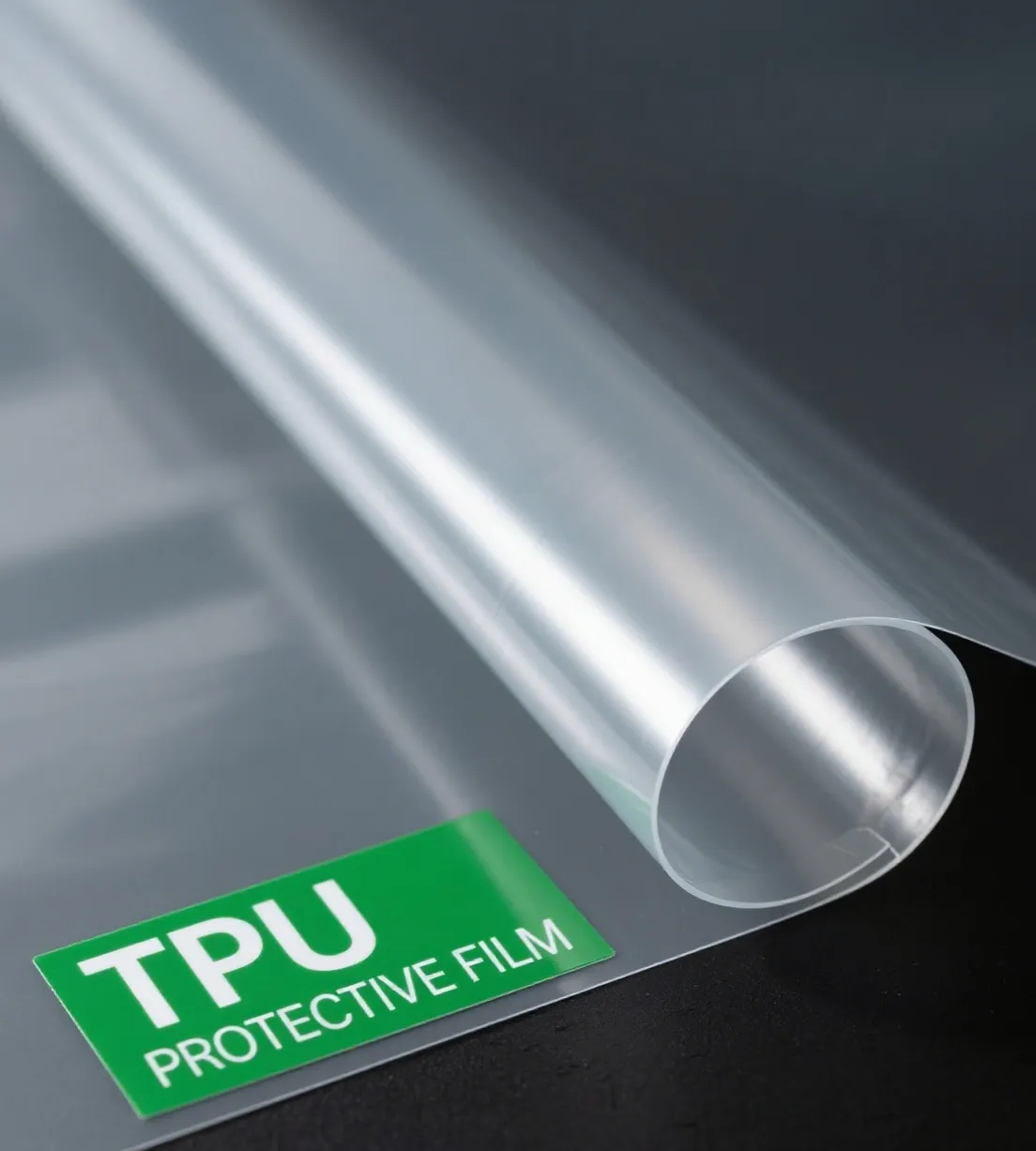
A comprehensive guide to the science, benefits, and industrial applications of Thermoplastic Polyurethane technology.
The Evolution of Material Science: Introduction to TPU
In the rapidly evolving landscape of material engineering, few substances have made as significant an impact as Thermoplastic Polyurethane. Often abbreviated as TPU, this material represents a unique bridge between the flexibility of rubber and the structural strength of rigid plastics. When processed into a thin layer, it becomes what we identify as tpu protective film. This specialized film has become an indispensable component in high-stakes industries where durability, clarity, and adaptability are non-negotiable. From the sleek curves of a luxury vehicle to the sterile environments of a modern hospital, the presence of this material ensures longevity and performance.
The rise of tpu protective film is not merely a trend but a response to the limitations of older materials like PVC (Polyvinyl Chloride). Unlike its predecessors, TPU offers superior environmental resistance and mechanical properties. It is a block copolymer consisting of alternating sequences of hard and soft segments. This molecular architecture allows engineers to fine-tune the material's properties—adjusting its hardness, transparency, and elasticity to meet specific industrial demands. As we delve deeper into this guide, we will explore why this material is considered the gold standard for surface protection and functional integration in the 21st century.
Understanding the technical nuances of this film requires looking at its chemical stability. Most high-end applications today utilize aliphatic TPU, which is inherently resistant to ultraviolet radiation. This means that even under constant exposure to sunlight, the film will not yellow or become brittle. For companies like Huanlong, focusing on these high-performance variants has allowed for the creation of solutions that protect multi-million dollar assets and critical infrastructure with unmatched reliability.
Technical Breakdown: The Superiority of TPU Properties
What sets tpu protective film apart from other polymer films is its incredible physical resilience. One of its most celebrated features is high tensile strength, which allows it to withstand significant pulling forces without tearing. In tandem with this is its remarkable elongation capability; some variants can stretch up to several times their original length and still return to their initial shape. This "elastic memory" is critical when applying the film to complex three-dimensional surfaces, such as automotive bumpers or ergonomic medical devices.
Beyond mechanical strength, the film possesses exceptional abrasion resistance. In industrial settings, surfaces are often subjected to constant friction from moving parts, dust, or handling. TPU acts as a sacrificial layer that absorbs this kinetic energy, preserving the integrity of the underlying substrate. Furthermore, the material is highly resistant to oils, greases, and various chemicals, making it suitable for harsh manufacturing environments or aerospace applications where exposure to hydraulic fluids is common.
Thermal stability is another pillar of TPU's success. It maintains its flexibility even at extremely low temperatures, where other plastics might crack. Conversely, it can withstand moderate heat without losing its protective qualities. This wide operating temperature range ensures that the film performs consistently whether it is installed on a pipeline in the Arctic or a solar panel in the Sahara. At Huanlong, the engineering of these films involves rigorous testing to ensure that every micron of material meets these international standards of durability.
Revolutionizing the Automotive Industry
The automotive sector is perhaps the most visible consumer of tpu protective film, primarily in the form of Paint Protection Film (PPF). Modern vehicle paints are often water-based and, while environmentally friendly, can be susceptible to stone chips, bird droppings, and acid rain. A high-quality TPU layer provides a clear, invisible shield that keeps the factory paint in showroom condition. The most advanced films even feature "self-healing" properties, where micro-scratches disappear when exposed to heat from the sun or warm water.
However, the use of TPU in cars extends far beyond the exterior. In the cabin, TPU films are integrated into seating systems to provide moisture barriers and enhance comfort. By laminating fabrics with breathable TPU, manufacturers can create seats that are both spill-resistant and comfortable for long-distance travel. This contributes to the development of "smart cabins" where the focus is on a premium user experience and long-term material sustainability.
As the industry moves toward electric vehicles (EVs), the demand for lightweight and durable materials has surged. TPU fits this requirement perfectly. It is used in battery insulation, interior trim protection, and even as part of the structural components for lightweighting. The versatility of TPU allows automotive designers to push the boundaries of aesthetics without compromising on the ruggedness required for daily use.
Critical Safety: TPU in Medical and Healthcare
In the medical field, the requirements for materials are exceptionally stringent. Biocompatibility, breathability, and liquid impermeability are essential. tpu protective film excels in these areas, making it the preferred choice for wound care dressings. Because the film is semi-permeable, it allows moisture vapor and oxygen to pass through while blocking liquid water and bacteria. This creates the optimal "moist wound healing" environment while protecting the patient from secondary infections.
Beyond wound care, TPU is used in the construction of surgical gowns, mattress covers for pressure relief, and components for diagnostic equipment. Its soft-touch feel is gentle on the skin, reducing the risk of irritation during prolonged contact. Furthermore, its resistance to harsh disinfectants means that medical equipment protected by TPU films can be cleaned repeatedly without degrading the material. This longevity is crucial for hospital budgets and environmental sustainability.
Huanlong's medical-grade films are developed with a focus on precision and safety. By utilizing advanced extrusion techniques, the company produces films that are free from pinholes and consistent in thickness. This level of quality control is what allows medical device manufacturers to trust TPU for life-critical applications. As telehealth and wearable medical devices become more common, the role of flexible, durable TPU films in protecting delicate electronic sensors will only continue to grow.
Industrial Might: Construction and Heavy Machinery
The construction industry has recognized the value of TPU in creating more resilient structures. One prominent application is in roofing membranes. By laminating fabric with a high-performance TPU layer, builders can create roofs that are highly resistant to puncturing, UV rays, and extreme weather. These membranes are often lighter than traditional bitumen or PVC alternatives, which reduces the structural load on the building and simplifies the installation process.
In the realm of heavy machinery, TPU is used to manufacture industrial hoses and conveyor belts that handle abrasive materials. Whether it is moving gravel, grain, or chemical powders, a TPU-lined surface lasts significantly longer than rubber. This reduces downtime for repairs and increases the overall efficiency of the plant. The material's resistance to hydrolysis also makes it ideal for hydraulic systems where moisture might be present.
Additionally, the textile industry utilizes TPU for outdoor functional fabrics. From high-altitude gear to professional workwear, TPU lamination provides the "waterproof yet breathable" magic that keeps users dry and comfortable. The ability to bond TPU to various fabrics without the need for toxic glues further enhances its appeal in an industry increasingly focused on green manufacturing and worker safety.
Huanlong: Leading the Way in TPU Innovation
As a premier manufacturer in the polymer industry, Huanlong has dedicated years of research to perfecting the science of thermoplastic polyurethane. Our commitment to quality is exemplified by our state-of-the-art production bases, including our recently expanded Lishui facility, which utilizes the latest precision machinery to ensure every roll of film meets the highest global standards.
Our product portfolio is diverse, catering to the specific needs of various sectors. We offer specialized solutions such as tpu protective film for medical grade applications, high-performance automotive films, and eco-friendly options for the footwear and textile industries. Our aliphatic base films are particularly noted for their superior non-yellowing properties, making them the ideal choice for premium automotive paint protection.
Why choose Huanlong? We don't just provide a product; we provide a partnership. Our engineering team works closely with clients to develop custom formulations that solve specific challenges, whether it's enhancing the breathability of a functional fabric or increasing the chemical resistance of an industrial seal. By choosing our tpu protective film, you are investing in a material backed by rigorous testing, sustainable practices, and a track record of excellence in the global market.
Conclusion: The Future of Surface Protection
The trajectory of tpu protective film is clear: it is moving toward even greater specialization and sustainability. As industries worldwide demand materials that are not only high-performing but also environmentally responsible, TPU stands out as a recyclable and non-toxic alternative to halogenated polymers. Its ability to extend the life of products—from cars to medical equipment—directly contributes to a more sustainable circular economy.
In conclusion, whether you are looking to protect a high-value asset, improve the comfort of a consumer product, or ensure the safety of a medical device, TPU technology offers a versatile and reliable solution. Its unique combination of physical strength, chemical resistance, and aesthetic clarity makes it an unrivaled choice in modern manufacturing. As innovations in polymer science continue, we can expect TPU to find even more creative applications, further cementing its status as the material of the future.
Ready to Enhance Your Products with High-Performance TPU?
Contact our expert team at Huanlong today for customized solutions and technical guidance.
Get a Quote NowFrequently Asked Questions
Q1: Why is tpu protective film better than PVC alternatives?
Unlike PVC, TPU is free from harmful plasticizers, offers much higher flexibility at low temperatures, and possesses superior environmental resistance. TPU is also more environmentally friendly as it is easier to recycle and does not release toxic gases when processed.
Q2: Can tpu protective film be used in medical devices?
Yes, medical-grade TPU films are widely used in the healthcare industry. They are biocompatible, breathable, and provide an excellent barrier against bacteria and fluids, making them ideal for wound dressings and surgical components.
Q3: How does tpu protective film benefit the automotive industry?
In the automotive sector, it is primarily used as Paint Protection Film (PPF) to shield vehicles from scratches and chips. Its self-healing properties and UV stability ensure that the car maintains its aesthetic value for many years.
Q4: Is tpu protective film environmentally friendly?
Compared to many other synthetic materials, TPU is considered more sustainable. It is a thermoplastic, meaning it can be melted down and repurposed, and many modern formulations are designed to be more biodegradable than traditional plastics.
Q5: What determines the lifespan of tpu protective film?
The lifespan depends on whether the film is aromatic or aliphatic. Aliphatic TPU films are designed for long-term outdoor use and can last many years without yellowing, while environmental factors like chemical exposure and physical wear also play a role.