
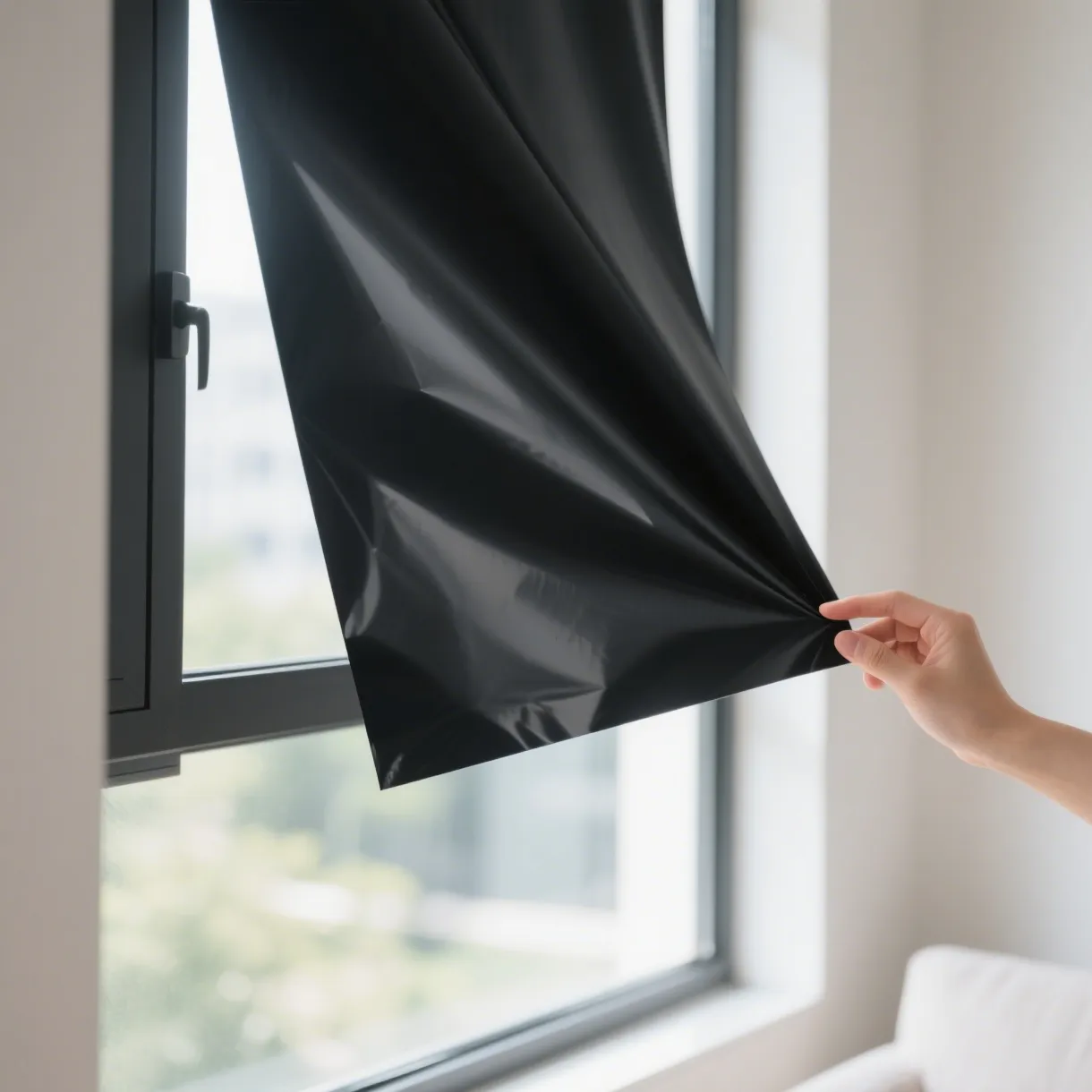
In the highly demanding environment of modern healthcare, controlling light and ensuring privacy are not just matters of comfort but are essential to patient recovery and procedural accuracy. The use of a Window Blackout Film Medical Grade solution has become a standard requirement for hospitals, sleep clinics, and diagnostic centers. These specialized films are designed to provide 100% light blockage while meeting the stringent hygiene and durability standards required in clinical settings. Unlike standard residential films, medical-grade variants are engineered to withstand rigorous cleaning protocols and provide a sterile, safe environment for both patients and healthcare providers.
Huanlong, a leader in advanced polymer solutions, provides high-performance materials that cater specifically to these needs. By integrating cutting-edge TPU technology into their medical film portfolio, they ensure that healthcare facilities can maintain complete darkness in sensitive areas without compromising on air quality or environmental safety. This guide explores the technical intricacies, clinical benefits, and strategic applications of these blackout solutions.
The Science Behind Medical Grade Standards
What sets a medical-grade film apart from a standard commercial product is its chemical composition and physical resilience. Most high-end blackout films used in hospitals today utilize Thermoplastic Polyurethane (TPU) or specialized multi-layered polymers. These materials are non-porous, meaning they do not harbor bacteria or pathogens, a critical factor in infection control. Furthermore, they are designed to be "low-VOC" (Volatile Organic Compounds), ensuring that no harmful gases are released into the sensitive hospital air, which is vital for patients with respiratory issues.
The manufacturing process at Huanlong focuses on creating a material that is both flexible and incredibly tough. This allows the film to be applied seamlessly to windows of various shapes and sizes. The film must also demonstrate excellent resistance to hospital-grade disinfectants, such as bleach and isopropyl alcohol. While standard films might peel, discolor, or degrade when exposed to these chemicals, a medical-grade solution remains intact, maintaining its opacity and structural integrity for years.
Durability is another cornerstone. In a busy hospital hallway or a patient room where equipment is frequently moved, windows are prone to scratches and impacts. The abrasion resistance of TPU-based films ensures that the blackout effect remains consistent, with no light leaks caused by surface damage. This level of reliability is why facilities prioritize specialized sourcing over generic hardware store alternatives.
Critical Role of Window Blackout Film Medical Grade in Healthcare Environments
The implementation of Window Blackout Film Medical Grade is most prevalent in areas where light interference can compromise medical outcomes. For instance, in Radiology and Imaging departments, even a small amount of ambient light can cause glare on high-resolution monitors used for interpreting X-rays, MRIs, and CT scans. By eliminating external light sources, radiologists can achieve the highest level of visual contrast, leading to more accurate diagnoses.
Sleep laboratories represent another vital application. These facilities study patients with sleep disorders, and any exposure to natural light can disrupt the patient's circadian rhythm and skew the results of a Polysomnography (PSG) test. A total blackout environment is required to simulate night-time conditions regardless of the time of day. The reliability of medical-grade film ensures that these labs can operate 24/7 without external environmental factors influencing the data.
Beyond diagnostics, patient recovery rooms benefit significantly. Research has shown that patients in dark, quiet environments recover faster as their bodies can enter deeper states of rest. For ICU patients or those recovering from major surgery, the ability to control light levels is a therapeutic intervention. It also provides an essential layer of privacy, preventing anyone from outside the building from seeing into sensitive treatment areas, thus ensuring compliance with privacy regulations like HIPAA.
Comparison: Standard vs. Medical Grade Blackout Film
| Feature | Standard Blackout Film | Medical Grade Blackout Film |
|---|---|---|
| Light Blockage | 90% - 98% | 100% (Total Opacity) |
| Chemical Resistance | Low (May bubble or peel) | High (Disinfectant Resistant) |
| Air Quality | Variable VOC levels | Low-VOC / Non-Toxic |
| Longevity | 2-5 Years | 10+ Years in clinical settings |
| Infection Control | Not certified | Antimicrobial surface options |
Why Huanlong is the Trusted Partner for Medical Films
When it comes to specialized polymer applications, Huanlong stands at the forefront of innovation. Our company specializes in the development of high-performance TPU films that serve a variety of industries, ranging from new energy to advanced automotive systems. This breadth of expertise allows us to apply rigorous engineering standards to our medical product line, ensuring that every roll of film meets global safety certifications.
Our medical film solutions are specifically curated to address the pain points of facility managers. We understand that hospital downtime is costly; therefore, our films are designed for rapid, bubble-free installation and minimal maintenance. Whether you are outfitting a single operating room or an entire healthcare campus, our products provide consistent performance across the board.
Furthermore, Huanlong is committed to sustainability. Our TPU-based films are more environmentally friendly than traditional PVC films, as they are recyclable and produced through cleaner manufacturing processes. By choosing our solutions, healthcare facilities can contribute to their "Green Hospital" initiatives while benefiting from the superior physical properties of our materials. Our full product range is a testament to our dedication to quality and functional excellence.
Final Thoughts on Medical Light Control
In conclusion, the integration of high-quality light control solutions is a fundamental aspect of modern hospital design. Choosing a Window Blackout Film Medical Grade ensures that a facility is equipped to handle the diverse needs of its patients and staff, from the darkroom requirements of radiology to the privacy needs of an intensive care unit. The long-term benefits—ranging from improved patient outcomes to lower maintenance costs—make it an indispensable investment for any serious healthcare organization.
As medical technology continues to advance, the materials that support our clinical environments must evolve as well. Huanlong remains dedicated to providing the industry with the highest grade of TPU films, ensuring that "total blackout" means total reliability and safety. By focusing on superior material science and customer-centric solutions, we help healthcare providers focus on what they do best: saving lives.
Frequently Asked Questions
Q1: Does Window Blackout Film Medical Grade offer 100% light blockage?
Yes, professional medical-grade blackout films are specifically designed to eliminate all light transmission, creating a true "zero-light" environment essential for radiology labs and sleep clinics.
Q2: How do you clean Window Blackout Film Medical Grade without damaging it?
Because these films are made from high-resilience TPU or treated polymers, they can be cleaned using standard hospital disinfectants, including diluted bleach and alcohol-based cleaners, without losing their opacity or adhesive properties.
Q3: Is Window Blackout Film Medical Grade safe for use in maternity or neonatal wards?
Absolutely. These films are low-VOC and non-toxic, ensuring that the air quality in sensitive areas like NICUs or maternity wards remains safe for newborns and recovering mothers.
Q4: Can Window Blackout Film Medical Grade help with hospital energy efficiency?
Yes, by providing a thick barrier on the glass, these films also act as thermal insulators, helping to maintain consistent room temperatures and reducing the load on HVAC systems in large medical facilities.
Q5: How long does Window Blackout Film Medical Grade typically last?
When properly installed by professionals, medical-grade films from reputable manufacturers like Huanlong are designed to last over a decade, resisting the yellowing, cracking, or peeling common in cheaper alternatives.
Upgrade Your Facility with Medical Grade Solutions
Contact Huanlong today to discuss your clinical light control needs and request a product sample.
Get a Professional Quote