
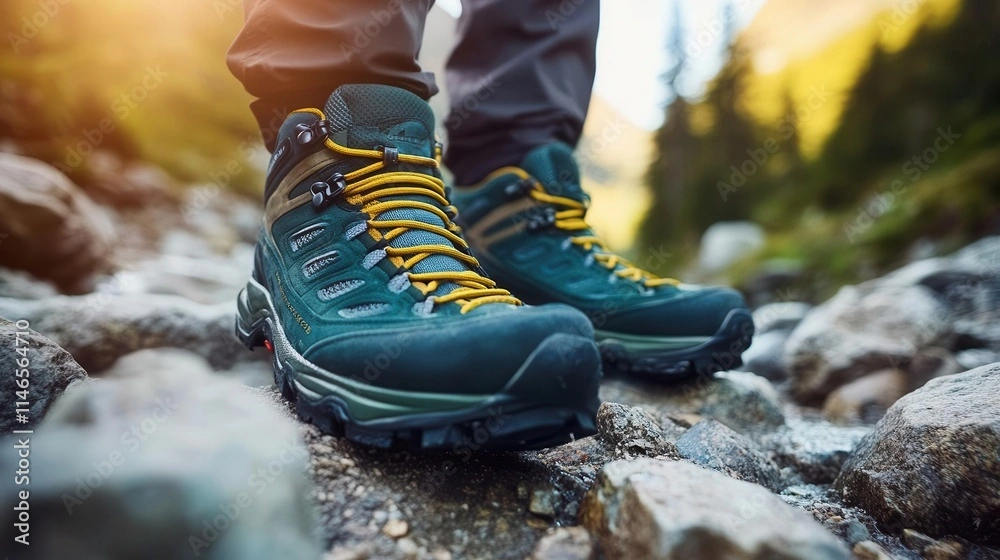
Introduction to Advanced Waterproof Breathable Technology
The outdoor industry has undergone a revolution in material science, driven by the consumer's demand for gear that performs in extreme conditions while remaining comfortable during high-intensity activity. Central to this performance is the outdoor functional fabric membrane, a specialized layer that manages the complex transition of moisture and heat. For decades, designers had to choose between basic coatings and expensive, rigid membranes. However, the emergence of high-performance Thermoplastic Polyurethane (TPU) has shifted the paradigm. By offering a unique combination of high breathability, exceptional waterproofness, and superior elasticity, TPU has become the preferred choice for modern functional apparel. This guide provides a comprehensive technical comparison to help you understand why TPU is often the superior choice over traditional PU coatings and PTFE membranes for various outdoor applications.,,
The Science of Breathability: MVTR and RET Metrics
When evaluating an outdoor functional fabric membrane, breathability is often the first performance metric considered. Breathability is primarily measured via the Moisture Vapor Transmission Rate (MVTR), which quantifies how much water vapor can pass through a square meter of fabric in 24 hours. According to technical data, high-breathable TPU films can reach MVTR values of over 10,000 g/m²/24h, providing a high level of comfort for active users. While PTFE membranes can achieve even higher rates (often exceeding 20,000 g/m²/24h), the difference is often negligible for most consumer outdoor activities where the Resistance to Evaporative Heat Transfer (RET) also plays a role. TPU films maintain a low RET value, ensuring that heat is dissipated efficiently without the "crinkly" feel associated with more rigid membranes. This balance makes TPU an ideal candidate for "active-wear" where the user is constantly moving and generating heat,.
Elasticity and Flexibility: The Hidden Performance Factors
One of the most significant advantages of choosing a TPU-based outdoor functional fabric membrane is its inherent elasticity. In the outdoor world, gear must move with the body. TPU is an elastomer, meaning it can stretch significantly and return to its original shape without losing its structural integrity or waterproof properties. In contrast, PTFE membranes are notoriously stiff and have low elasticity. When a PTFE garment is stretched, the membrane can develop micro-cracks or "pinholes" over time, compromising its waterproofness. PU coatings, while more flexible than PTFE, often lack the recovery power of TPU and can become brittle. The "excellent" elasticity of TPU ensures that functional jackets, pants, and gloves remain soft to the touch and provide an unhindered range of motion, which is critical for climbing, skiing, and trekking,.
Durability and Wash Resistance in Rugged Environments
Outdoor gear is subject to intense mechanical stress, environmental exposure, and frequent laundering. A high-quality outdoor functional fabric membrane must be able to withstand these factors without delaminating or losing its protective qualities. TPU films are known for their "high" durability and wear resistance. Unlike PU coatings, which are often solvent-based and can peel away from the base fabric after several wash cycles, TPU films are typically laminated using heat or eco-friendly adhesives, creating a much stronger bond. This processability makes TPU much easier to work with during manufacturing compared to PTFE, which requires specialized and often expensive bonding processes. Furthermore, TPU is naturally resistant to oils and chemicals, meaning it maintains its breathability even when exposed to body oils or detergents, a common failure point for porous membranes.
Sustainability and the Shift Toward Green Manufacturing
As the outdoor industry moves toward a circular economy, the environmental impact of materials has become a primary concern for brands and consumers alike. TPU stands out as a more sustainable option compared to its competitors. Many PU coatings rely on harmful solvents during the application process, and PTFE is notoriously difficult to recycle and often associated with persistent environmental chemicals. In contrast, TPU is a recyclable material that is plasticizer-free and can be produced in low-VOC (Volatile Organic Compound) versions. It is also compatible with Global Recycled Standard (GRS) requirements, allowing brands to market their products as truly eco-friendly. By choosing a TPU-based outdoor functional fabric membrane, manufacturers can reduce their carbon footprint while delivering a high-performance product that aligns with modern environmental standards,.
Zhejiang Huanlong: Your Partner in Functional Film Innovation
Zhejiang Huanlong New Material Science Technology Co., Ltd. is a premier manufacturer specializing in high-performance TPU solutions with over 18 years of expertise. Our company has invested $65 million to establish three state-of-the-art manufacturing plants featuring more than 40 advanced production lines. We offer a comprehensive "one-stop solution" for functional TPU films, including our renowned high-breathable waterproof membranes specifically designed for the outdoor apparel industry,.
Our products are distinguished by their "soft-touch" feel and industry-leading performance metrics, such as hydrostatic pressure resistance exceeding 10,000 mm H₂O and MVTR values tailored to functional needs. Beyond apparel, our TPU films are utilized in automotive seating, medical wound care, and home textiles, showcasing our versatility and technical depth,. With a massive 160,000 m² production area and a dedicated team of over 300 employees, Huanlong is equipped to handle large-scale global demands while maintaining the agility to provide customized solutions for density, thickness, and surface finishes,,. Choose Huanlong for a reliable, sustainable, and high-performance outdoor functional fabric membrane that elevates your product's competitive edge.
FAQ
Q1: Why is TPU considered a better outdoor functional fabric membrane than PTFE for active sports?
While PTFE has higher raw breathability, a TPU outdoor functional fabric membrane offers superior elasticity and a softer hand-feel. This makes it more comfortable for dynamic movements in sports like skiing or climbing where the fabric needs to stretch without cracking or making noise.
Q2: How does the wash durability of a TPU outdoor functional fabric membrane compare to PU coatings?
TPU films provide significantly higher durability and wash resistance than PU coatings. PU coatings can peel or degrade over time, whereas a TPU outdoor functional fabric membrane maintains its bond and functional properties through repeated laundering.
Q3: Is a TPU-based outdoor functional fabric membrane environmentally friendly?
Yes, TPU is generally more eco-friendly because it is recyclable, plasticizer-free, and can be produced without the harmful solvents often used in PU coatings,. It also supports GRS (Global Recycled Standard) certification.
Q4: Can an outdoor functional fabric membrane made of TPU handle heavy rain?
Absolutely. Our high-performance TPU membranes offer "excellent" waterproofness, typically resisting hydrostatic pressure of over 10,000 mm H₂O, which is more than enough to withstand heavy rain and stormy conditions.
Q5: What makes Huanlong's outdoor functional fabric membrane unique in the market?
Huanlong provides a one-stop solution with 18+ years of R&D experience. Our outdoor functional fabric membrane balances high MVTR with a soft, skin-friendly touch and is manufactured in our advanced facilities to ensure consistent, high-quality output for global brands,.