
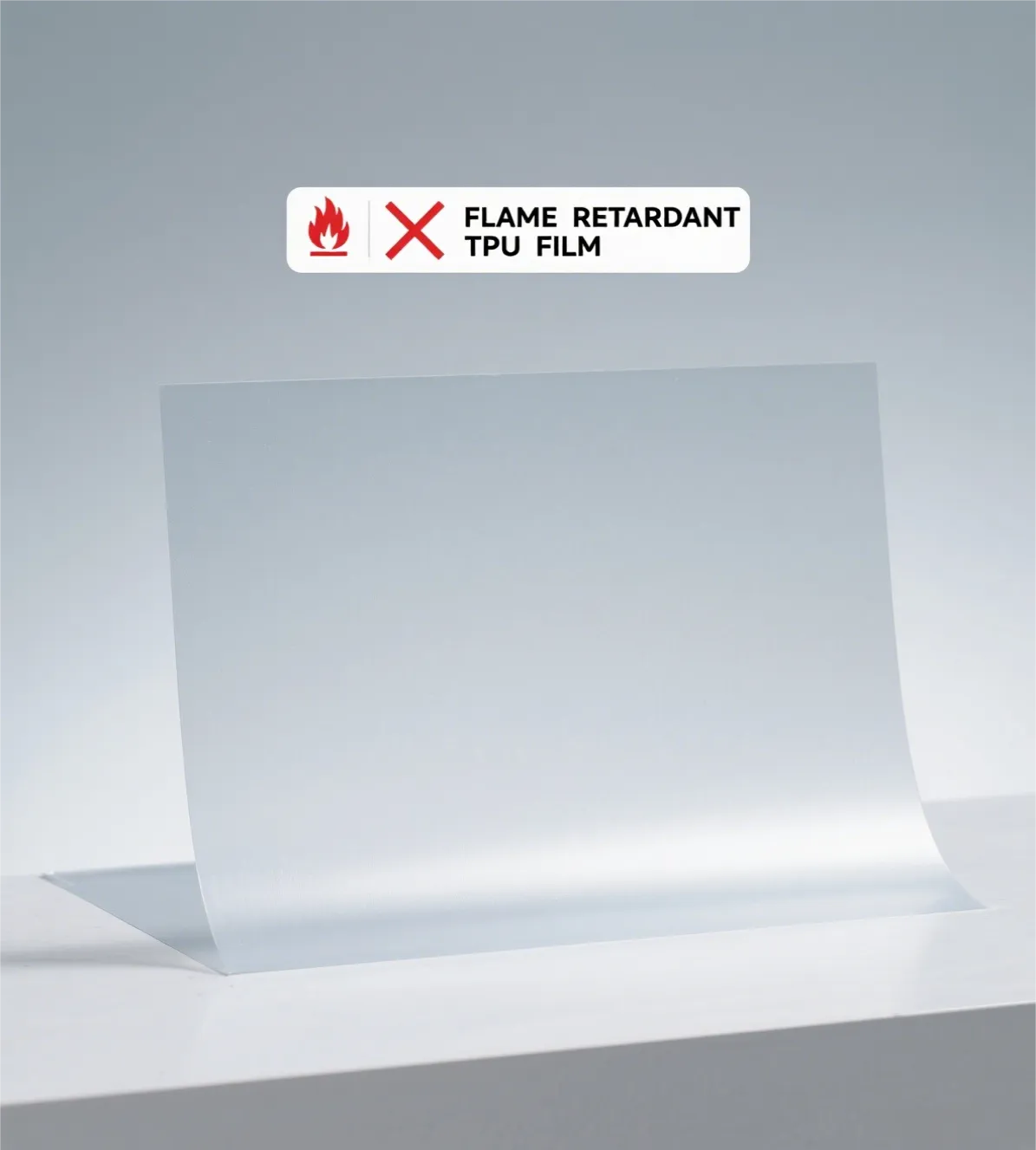
In the rapidly evolving landscape of material science, safety and sustainability have moved from being optional features to mandatory requirements. Thermoplastic Polyurethane (TPU) has long been celebrated for its extraordinary elasticity, abrasion resistance, and transparency. However, as industries like electric vehicle manufacturing, consumer electronics, and high-tech textiles expand, the demand for enhanced fire safety has led to the development of the flame retardant TPU film. This specialized material combines the traditional strengths of TPU with advanced chemical engineering to prevent or slow the spread of fire. In today's market, the shift towards halogen-free solutions is particularly significant, as manufacturers seek to meet stringent environmental regulations while ensuring the highest levels of protection for end-users and infrastructure alike.
Understanding the Science of Flame Retardancy in TPU
To appreciate the value of a high-quality flame retardant TPU film, one must first understand how fire affects polymers. When standard TPU is exposed to extreme heat, it undergoes thermal degradation, releasing flammable gases that fuel the combustion process. Flame retardant additives work by interrupting this cycle through various mechanisms, such as forming a protective char layer that insulates the underlying polymer or by releasing water vapor to cool the surface. Modern engineering has focused on halogen-free additives, which avoid the release of toxic, corrosive smoke during a fire. This is a critical factor for indoor applications and enclosed spaces, such as automotive interiors or aerospace components, where smoke inhalation is often more dangerous than the fire itself.
The chemical architecture of a flame retardant TPU film must be carefully balanced. Adding too much flame retardant can make the film brittle or reduce its clarity. At Huanlong, our research and development teams focus on "synergistic systems," where multiple additives work together to achieve high flame retardancy ratings (such as UL-94 V-0) without compromising the film's essential mechanical properties. This ensures that the material remains flexible enough for complex laminations while providing a robust barrier against thermal events. By optimizing the molecular weight and the distribution of retardants, we create a film that is not only safe but also durable enough for long-term industrial use.
Key Applications in Modern Industry
The versatility of flame retardant TPU film makes it an essential component across diverse sectors. In the electronics industry, it is widely used as an insulation layer for flexible printed circuits (FPC) and cable jackets. As devices become smaller and more powerful, they generate more heat, necessitating materials that can withstand localized thermal stress without igniting. Similarly, in the energy sector, specifically for lithium-ion battery packs, these films serve as critical safety barriers that prevent thermal runaway from spreading between cells. The film acts as both a mechanical separator and a thermal shield, contributing to the overall reliability of renewable energy storage systems and electric vehicle powertrains.
Beyond electronics, the automotive industry has integrated flame retardant TPU film into seating systems, headliners, and interior trim panels. Manufacturers are increasingly moving away from PVC and other halogenated materials to meet global "Green Car" initiatives. TPU provides a superior tactile feel and environmental profile, while the flame retardant properties ensure compliance with FMVSS 302 safety standards. Furthermore, in the textile industry, these films are laminated onto synthetic fabrics to create protective workwear for firefighters, industrial welders, and military personnel. The ability to remain breathable while offering fire protection makes TPU a far more comfortable choice than traditional heavy-duty coated fabrics.
Environmental Sustainability and Halogen-Free Standards
The global push for "Green Manufacturing" has placed flame retardant TPU film under the microscope regarding its chemical composition. Historically, flame retardants often contained bromine or chlorine (halogens), which are effective at stopping fires but release hazardous substances when burned or disposed of in landfills. Today, the industry gold standard is halogen-free flame retardant (HFFR) technology. These films utilize phosphorus or nitrogen-based compounds that are much safer for the environment. This shift is not merely a trend but a regulatory necessity, as frameworks like REACH and RoHS restrict the use of many traditional halogenated chemicals in consumer products.
Huanlong is at the forefront of this sustainable transition. Our halogen-free flame retardant TPU film is designed with end-of-life recyclability in mind. Unlike thermoset materials that cannot be melted down once cured, TPU is a thermoplastic, meaning it can be reprocessed and reused in other applications. This circular economy approach significantly reduces the carbon footprint of the manufacturing process. By choosing eco-friendly flame retardants, we ensure that our products do not contribute to bioaccumulation in the environment, providing peace of mind to brands that prioritize corporate social responsibility and sustainable product design.
Huanlong: Your Partner in High-Performance TPU Solutions
As a professional leader in the thermoplastic polyurethane industry, Huanlong specializes in delivering high-performance materials tailored to the most demanding industrial requirements. Our commitment to innovation is reflected in our diverse product range, which includes everything from automotive paint protection to specialized medical-grade films. We understand that every application has unique challenges, whether it is UV stability, chemical resistance, or strict fire safety compliance. By leveraging our state-of-the-art production facilities and rigorous quality control processes, we provide a flame retardant TPU film that sets the benchmark for consistency and reliability in the global market.
Our expertise extends beyond simple manufacturing; we offer comprehensive technical support to help our clients choose the right material for their specific needs. From our full range of TPU products to specialized solutions for new energy applications, Huanlong is dedicated to pushing the boundaries of what TPU can achieve. Our flame retardant TPU film is a testament to our focus on safety without sacrificing performance, ensuring that your final products are both innovative and compliant with international safety regulations.
Conclusion: The Future of Fire Safety Materials
The integration of flame retardant TPU film into mainstream manufacturing marks a significant milestone in material safety. As technology advances and consumer expectations for safety and environmental stewardship rise, the importance of using halogen-free, high-performance films will only continue to grow. Materials like those developed by Huanlong provide the necessary foundation for the next generation of safe, sustainable, and high-quality products across the automotive, electronic, and textile industries.
Frequently Asked Questions
Q1: What are the primary benefits of using flame retardant TPU film in automotive applications?
The primary benefits include meeting strict fire safety regulations (like FMVSS 302), providing a lightweight alternative to traditional materials, and ensuring that interior components do not release toxic fumes during a thermal event. It also offers excellent durability and aesthetic flexibility for car interiors.
Q2: How does flame retardant TPU film meet environmental safety standards?
By utilizing halogen-free additives, the film complies with global environmental directives such as RoHS and REACH. These formulations ensure that the material is safer to manufacture, use, and recycle, minimizing the release of hazardous substances throughout its lifecycle.
Q3: Which industries rely most heavily on flame retardant TPU film?
The electronics, automotive, and high-performance textile industries are the major users. It is essential for battery insulation in EVs, wire and cable cladding in consumer electronics, and protective fabrics in industrial safety gear.
Q4: What is the difference between halogen-based and halogen-free flame retardant TPU film?
Halogen-based films use chlorine or bromine, which can be effective but release toxic smoke when burned. Halogen-free films use safer alternatives like phosphorus and nitrogen, which provide excellent fire suppression without the environmental and health risks of toxic fumes.
Q5: How does Huanlong ensure the quality of its flame retardant TPU film?
Huanlong employs rigorous testing protocols, including UL-94 vertical and horizontal burn tests, thermal stability analysis, and mechanical stress testing. Our production process is certified to international standards to ensure every roll of film meets our customers' exact specifications.
Ready to Enhance Your Product Safety?
Partner with Huanlong for industry-leading halogen-free flame retardant TPU film solutions tailored to your specific requirements.
Contact Our Experts Today