
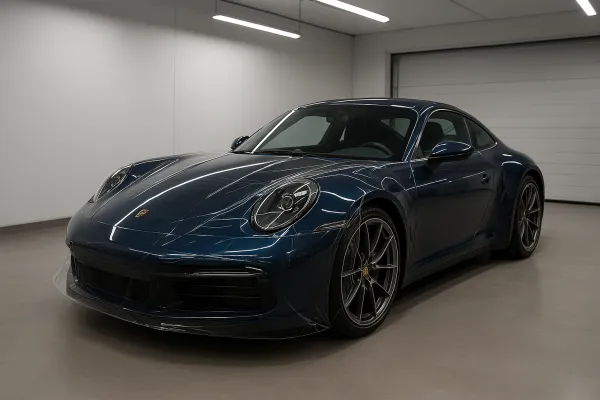
Unveiling the Power of TPU Car Wrap: Your Ultimate Protection Guide
The quest for preserving a car's aesthetic and resale value often leads owners down various paths, from traditional waxing to ceramic coatings. However, the unique attributes of Thermoplastic Polyurethane (TPU) have positioned it as a game-changer in the automotive protection industry. Unlike older PVC-based films, TPU offers a blend of flexibility, durability, and self-healing properties that provide unparalleled defense against the elements and everyday wear and tear. This is why more and more car owners are choosing TPU as their go-to solution for comprehensive vehicle protection.
What is TPU Car Wrap Film? Understanding the Core Technology
At its heart, **TPU car wrap film** is a highly engineered plastic that combines the best properties of both rubber and plastic. This makes it incredibly elastic, resistant to abrasions, and capable of withstanding various environmental stressors. When applied to a vehicle's surface, it forms a transparent, protective layer that acts as a shield against scratches, stone chips, UV damage, and chemical stains. Its remarkable self-healing capability, often activated by heat, allows minor swirl marks and scratches to disappear, maintaining the film's smooth, pristine appearance.
The science behind TPU's effectiveness lies in its molecular structure. It's a block copolymer, meaning it's composed of both hard and soft segments. The hard segments provide strength and rigidity, while the soft segments contribute to its elasticity and flexibility. This unique combination gives TPU films their exceptional performance characteristics, making them far superior to conventional car protection methods. As discussions on platforms like Reddit often highlight, the self-healing feature is a major draw, with users frequently sharing anecdotes of how their TPU film magically recovered from minor scuffs.
The Advantages of Opting for a TPU Car Wrap
- Superior Durability: TPU films are renowned for their high resistance to impact, punctures, and abrasions, offering robust protection against road debris, minor collisions, and environmental hazards.
- Self-Healing Properties: One of the most talked-about features, TPU's ability to "heal" itself from light scratches and swirl marks with exposure to heat (from the sun or hot water) keeps your car looking newer for longer.
- Excellent Clarity and Transparency: High-quality TPU films are virtually invisible once applied, preserving your car's original paint color and shine without any yellowing or hazing over time.
- UV Resistance: These films effectively block harmful UV rays, preventing your car's paint from fading or deteriorating due to sun exposure.
- Chemical Resistance: TPU provides a strong barrier against corrosive substances like bird droppings, insect acids, tree sap, and various automotive chemicals, which can otherwise damage clear coats.
- Hydrophobic Properties: Many modern **TPU car wrap** films feature hydrophobic top coats, making them easier to clean as water and dirt bead up and roll off the surface.
- Enhanced Resale Value: By preserving the original paintwork, a TPU car wrap can significantly contribute to maintaining or even increasing your vehicle's resale value.
As one user on a Facebook group for car enthusiasts recently put it, "After years of dealing with swirl marks and fading paint, switching to a TPU wrap was a revelation. It's like having a permanent invisible shield!" This sentiment echoes across various forums, underscoring the real-world benefits that car owners experience.
Core Application Scenarios: Where TPU Car Wrap Shines Brightest
While often associated with high-end sports cars, **TPU car wrap protection film** is increasingly being adopted by a broader range of vehicle owners dueuding to its versatility and protective qualities. Its primary application is, of course, as a Paint Protection Film (PPF), but its benefits extend beyond just safeguarding the paint.
Protecting Your Vehicle's Exterior
The most common and impactful use of TPU film is as a full or partial **car wrap protection film**. This involves meticulously applying the transparent film to painted surfaces, offering an invisible barrier against a multitude of threats:
- Front End Protection: The hood, bumper, fenders, and side mirrors are most susceptible to stone chips and bug splatters. A partial wrap focusing on these areas is a popular choice for targeted protection.
- Full Vehicle Wrap: For ultimate protection, a full car wrap covers every painted surface, providing comprehensive defense against scratches, swirls, UV damage, and environmental fallout.
- Door Edge and Sill Protection: These areas are prone to chips and scratches from everyday use, making them ideal candidates for small pieces of TPU film.
- Headlight and Taillight Protection: Clear TPU films can also protect delicate plastic headlight and taillight lenses from yellowing, hazing, and stone damage, maintaining optimal visibility and appearance.
Beyond traditional paint protection, the high clarity and chemical resistance of TPU films also make them suitable for protecting interior trim pieces, especially those with high-gloss finishes that are prone to scratching. Some high-end detailers even use smaller cuts of TPU to protect sensitive areas like infotainment screens or piano black interior accents, an application frequently discussed in detailer communities online.
Key Selection Factors for Your TPU Car Wrap
Choosing the right **TPU car wrap protection film** can be a nuanced decision, given the variety of products available on the market. To ensure you make an informed choice that meets your specific needs and budget, consider the following critical factors:
1. Film Thickness (Mil)
The thickness of the film, typically measured in "mils" (thousandths of an inch), directly correlates with its protective capabilities. While thicker films (e.g., 8-10 mil) offer superior impact resistance against stone chips and deep scratches, they can sometimes be more challenging to install and might have a slightly higher orange peel effect. Thinner films (e.g., 6 mil) are more conformable and less noticeable but offer less robust protection. The ideal thickness often depends on your driving habits and the level of protection you desire. For instance, a vehicle frequently driven on highways might benefit from a thicker film on its front end.
2. Clarity and Optical Purity
A premium TPU film should be virtually invisible once applied, preserving your car's original paint color and gloss without any discoloration, hazing, or "orange peel" texture. Inferior films can yellow over time due to UV exposure or exhibit a noticeable texture that detracts from the vehicle's appearance. Always look for films with high optical clarity and excellent non-yellowing properties, often indicated by specific UV inhibitors in their composition. Online reviews often praise brands known for their crystal-clear finish, emphasizing how crucial this is for maintaining the vehicle's aesthetic integrity.
3. Self-Healing Capability
While most TPU films boast self-healing properties, the effectiveness can vary. Some films require direct heat application (like a heat gun or hot water) to heal, while others can self-heal at ambient temperatures with time. Inquire about the film's specific self-healing mechanism and its responsiveness. This feature is a significant selling point and a major convenience for maintaining the film's pristine look over time.
4. Hydrophobic Properties and Stain Resistance
Many advanced TPU films incorporate a top coat with hydrophobic properties, meaning water beads up and rolls off, making cleaning significantly easier. This also helps in resisting stains from bird droppings, insect acids, and road grime. A highly hydrophobic surface can also contribute to a longer-lasting clear finish, as fewer contaminants adhere to the film. This is a practical consideration for daily drivers, as it reduces maintenance effort.
5. Adhesive Quality and Repositionability
The quality of the adhesive is paramount. A good adhesive ensures strong bonding without damaging the underlying paint upon removal, if necessary. It should also allow for some repositioning during installation to correct alignment issues, which is crucial for a flawless application. Poor adhesives can lead to lifting, bubbling, or leave residue when removed. Reputable brands typically use advanced, pressure-sensitive acrylic adhesives designed specifically for automotive applications.
6. Warranty and Brand Reputation
Always consider the manufacturer's warranty, which typically covers issues like yellowing, bubbling, peeling, or cracking. A longer warranty (e.g., 5-10 years) is usually indicative of a higher-quality product. Researching brand reputation through online reviews, forums, and professional detailer recommendations (like those often found on Facebook car groups) can provide valuable insights into a film's real-world performance and customer satisfaction. Brands like huanlong, known for their rigorous testing and quality control, often come with reassuring warranties.
7. Cost vs. Value
While TPU films represent a significant investment, it's essential to view it as a long-term protection for your vehicle. Cheaper films might compromise on clarity, durability, or self-healing properties, leading to dissatisfaction down the line. Balance the initial cost with the long-term benefits, warranty, and reputation of the product. Sometimes, paying a bit more upfront for a superior film can save you money and headaches in the long run.
To help visualize the differences, here's a comparison table highlighting key features:
| Feature | Standard TPU Film | Premium TPU Film (e.g., Huanlong) |
|---|---|---|
| Thickness Range | 6-8 mil | 8-10 mil (or customizable) |
| Clarity & Yellowing Resistance | Good, may yellow over time | Excellent, non-yellowing guarantee |
| Self-Healing | Requires heat | Self-heals at ambient temp, or with minimal heat |
| Hydrophobic Properties | Basic | Advanced, high water beading |
| Stain Resistance | Moderate | High, resists tough stains |
| Warranty | 2-5 years | 7-10 years |
| Adhesive | Standard | Advanced, residue-free, repositionable |
Installation and Maintenance: Ensuring Longevity of Your Car Film Wrap
The performance and longevity of your **tpu car wrap protection film** heavily depend on proper installation and consistent maintenance. While professional installation is highly recommended, understanding the basics can help you appreciate the process and ensure you're getting the most out of your investment.
Professional Installation: A Worthwhile Investment
Applying TPU film is a meticulous process that requires specialized tools, a dust-free environment, and significant expertise. Professional installers have the skills to:
- Prepare the Surface: Thorough cleaning, decontamination, and often paint correction are crucial before film application to ensure optimal adhesion and a flawless finish.
- Precise Cutting: Using computer-cut patterns specific to your vehicle's make and model ensures perfect fitment and minimizes visible edges.
- Proper Application Techniques: This involves stretching, squeegeeing, and heating the film to conform to complex curves and edges without bubbles, creases, or distortion.
- Edge Wrapping: Wrapping film edges around body panels provides a seamless look and prevents lifting, significantly enhancing durability and aesthetics.
Attempting a DIY installation, especially for a full wrap, often leads to unsatisfactory results like trapped air bubbles, dust contamination, misaligned edges, and an overall amateur appearance. Many forum discussions on Facebook and Reddit consistently advise against DIY unless you have extensive experience, emphasizing the value of professional installation for a high-quality finish.
Essential Maintenance Tips for Your Car Film Wrap
Once installed, maintaining your TPU film is straightforward but crucial for its longevity and performance:
- Regular Washing: Wash your car regularly using a pH-neutral car wash soap and a soft microfiber mitt. Avoid harsh chemicals or abrasive cleaners that can degrade the film's top coat.
- Avoid Pressure Washing Too Closely: While pressure washing is generally safe, maintain a safe distance (at least 2 feet) and avoid directing high-pressure streams directly at the film's edges, which could cause lifting.
- Remove Contaminants Promptly: Bird droppings, insect splatter, and tree sap should be removed as soon as possible to prevent potential staining, even with the film's stain-resistant properties.
- Use Film-Safe Detailers: For quick touch-ups or added gloss, use detail sprays specifically formulated for paint protection films. These often contain polymers that enhance the film's hydrophobic properties.
- Address Scratches with Heat: For minor scratches that don't self-heal quickly, gently apply heat with a heat gun (on a low setting) or pour warm water over the affected area to activate the self-healing process.
- Annual Inspection: Consider having your installer inspect the film annually to address any potential issues early on and ensure it continues to perform optimally.
Frequently Asked Questions (FAQ) About TPU Car Wrap
Here are answers to some of the most common questions users have about **TPU car wrap protection film**, drawing from common discussions and inquiries on automotive forums and customer feedback:
Q1: How long does a TPU car wrap typically last?
A1: High-quality **TPU car wrap film** can last anywhere from 5 to 10 years, depending on the film's quality, environmental conditions, and how well it's maintained. Factors like direct sun exposure, frequency of washing, and exposure to harsh chemicals can influence its lifespan. Most reputable brands offer warranties reflecting this expected durability.
Q2: Can TPU film damage my car's original paint?
A2: No, when installed correctly by a professional and removed properly, high-quality TPU film will not damage your car's original paint. In fact, it protects it. The advanced adhesives are designed to bond securely without becoming overly aggressive, and they won't leave residue or pull off clear coat upon removal, assuming the paint was factory applied and in good condition prior to installation. This is a common concern among car owners, but extensive testing by manufacturers like huanlong ensures paint safety.
Q3: Is a TPU car wrap visible on the car?
A3: When properly installed, a high-quality TPU film is virtually invisible. It's designed to be optically clear and blend seamlessly with your vehicle's paint. However, in certain lighting conditions or if you look very closely, you might detect the slightest edge or a very subtle texture, often referred to as "orange peel." The goal of premium films is to minimize this to near imperceptibility.
Q4: How does TPU film compare to ceramic coatings?
A4: Both offer protection, but they do so differently. Ceramic coatings create a hard, sacrificial layer that offers excellent gloss and chemical resistance but limited physical protection against stone chips or deep scratches. TPU film, on the other hand, provides a much more robust physical barrier against impacts and abrasions, along with self-healing properties. Many car owners opt for the "best of both worlds" by applying a ceramic coating over their TPU film for enhanced gloss, hydrophobicity, and ease of cleaning. This layering strategy is often debated and celebrated in online communities.
Q5: Can I wax or ceramic coat over a TPU car wrap?
A5: Yes, you can! In fact, applying a wax, sealant, or ceramic coating specifically designed for paint protection films can enhance the film's gloss, hydrophobicity, and make it even easier to clean. It's an excellent way to further protect and maintain the film's appearance. Just be sure to use products that are safe for PPF surfaces.
Q6: What is the average cost of installing a TPU car wrap?
A6: The cost can vary significantly based on several factors, including the type and brand of TPU film, the size and complexity of your vehicle, the amount of coverage (full vs. partial wrap), and the labor rates of the installer. Generally, expect to invest anywhere from a few hundred to several thousand dollars for professional installation. While it's an investment, consider the long-term protection and preservation of your vehicle's finish.
Q7: Can a TPU film be removed if I want to sell my car or change its appearance?
A7: Absolutely. One of the major benefits of TPU film is that it is fully removable. A professional installer can safely remove the film without damaging the underlying paint, restoring your vehicle to its original factory finish. This is particularly appealing for those who want to protect their car but also maintain the flexibility to revert to the original look or apply a new film in the future. Removing the film also reveals paint that has been perfectly preserved, often increasing the car's appeal to potential buyers.
Why Choose Huanlong for Your Car Wrap TPU Film Needs?
When it comes to protecting your prized possession, compromise is not an option. Huanlong, a leader in advanced material solutions, offers a compelling choice for your **TPU car wrap protection film** requirements. Our commitment to innovation, quality, and customer satisfaction sets us apart in a crowded market.
At Huanlong, we leverage cutting-edge manufacturing processes and stringent quality control to produce TPU films that consistently exceed industry standards. Our films are engineered with:
- Superior Raw Materials: We utilize only the highest grade TPU resins, ensuring exceptional clarity, durability, and non-yellowing performance over time. This foundational quality means our films maintain their pristine appearance even under harsh conditions.
- Advanced Self-Healing Technology: Huanlong's films feature a state-of-the-art self-healing top coat that efficiently erases minor scratches and swirl marks, keeping your vehicle's finish looking perpetually new. This active protection ensures long-term aesthetic integrity.
- Enhanced Hydrophobic and Anti-Stain Properties: Our films are designed with advanced surface treatments that repel water and resist common environmental contaminants like bird droppings, insect acids, and road grime. This makes cleaning easier and helps prevent permanent staining.
- Exceptional UV Protection: With specialized UV inhibitors integrated into the film, Huanlong's TPU wraps offer robust protection against the sun's damaging rays, preventing paint fade and degradation, thus preserving your car's vibrant color.
- Extensive Testing and Certification: Every batch of Huanlong TPU film undergoes rigorous testing for adhesion, impact resistance, flexibility, and environmental stability. Our products meet global quality and performance certifications, giving you peace of mind.
- Customization and Support: We offer a range of film thicknesses and properties to cater to diverse application needs, from everyday drivers to high-performance vehicle owners. Our technical team is also dedicated to providing expert support and guidance to our partners and customers.
Choosing Huanlong means partnering with a brand that understands the intricate science of material protection and the passion behind automotive care. Our dedication to delivering top-tier **tpu car wrap protection film** ensures that your vehicle not longer just looks good, but is truly protected, enhancing its longevity and preserving its value for years to come. Explore our range of solutions at tpuhuanlong.com and discover the difference that true quality makes.
Ready to Protect Your Investment?
Don't let daily wear and tear diminish your vehicle's appeal or value. Invest in the ultimate protection with Huanlong's premium **car wrap tpu film**. Contact us today to learn more about our products or to find a certified installer near you. Give your vehicle the invisible shield it deserves, ensuring it stands the test of time and retains its showroom shine.