
Unveiling the Power of Flame Retardant TPU Film: Your Ultimate Guide
The conversation around flame retardancy isn't new. From the building codes discussed on Reddit forums to the safety regulations highlighted in industrial groups on Facebook, the need for materials that can slow or prevent the spread of fire is a constant. Traditional materials often fall short, leading to tragic consequences. This is where the advanced properties of flame retardant TPU film come into play, offering a sophisticated answer to a pressing safety concern.
Understanding Flame Retardant TPU Film: Definition and Principles
At its core, a **flame retardant TPU film** is a specialized thermoplastic polyurethane (TPU) film engineered with additives that inhibit or resist the combustion process. TPU itself is a versatile elastomer known for its elasticity, transparency, and resistance to oil, grease, and abrasion. When enhanced with flame retardant properties, it transforms into a crucial material for applications where fire safety is a non-negotiable requirement.
What is TPU?
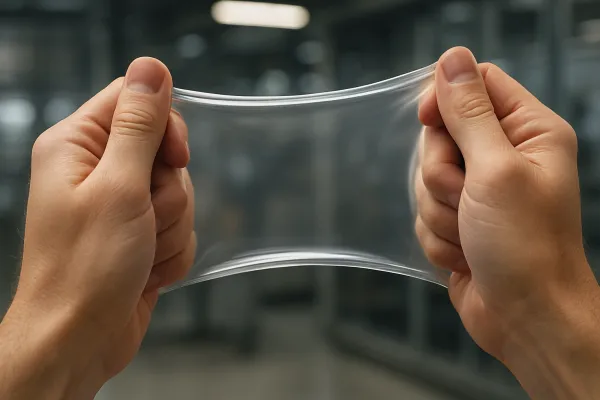
TPU, or Thermoplastic Polyurethane, is a unique class of plastic that combines the properties of rubber and plastic. It's highly elastic and can be stretched significantly without breaking, yet it maintains excellent strength and durability. This makes it ideal for films, coatings, and various molded parts. Its molecular structure allows for a wide range of hardness and flexibility, making it adaptable to numerous applications.
How Does Flame Retardancy Work?
The science behind flame retardancy in TPU films involves several mechanisms, often working in combination:
- Physical Dilution: Some additives release non-combustible gases (like water vapor or carbon dioxide) when heated. These gases dilute the flammable gases produced by the polymer, effectively reducing the fuel available for combustion.
- Chemical Reaction: Other flame retardants react with the polymer during decomposition to form char. This char layer acts as a physical barrier, insulating the underlying material from heat and oxygen, thus slowing down further decomposition and combustion.
- Endothermic Cooling: Certain additives absorb a significant amount of heat during decomposition (an endothermic reaction). This process cools the material, delaying its ignition and slowing the burning rate. For example, hydrated mineral fillers like aluminum hydroxide or magnesium hydroxide are commonly used for this purpose.
- Radical Scavenging: During combustion, free radicals are formed, which propagate the flame. Some flame retardants act as radical scavengers, interrupting the chain reactions in the gas phase and effectively extinguishing the flame. Halogenated flame retardants often work through this mechanism, though their environmental concerns have led to the development of safer alternatives.
The choice of flame retardant additive significantly impacts the film's properties and its environmental footprint. Modern formulations, like those perfected by Huanlong, increasingly focus on halogen-free solutions to meet stringent environmental regulations and safety standards.
This intricate interplay of chemistry and physics is what allows a flame retardant TPU film to offer a critical line of defense, mitigating fire risks in diverse environments.
Core Application Scenarios: Where Flame Retardant TPU Film Shines
The versatility and robust properties of flame retardant TPU film make it indispensable across a spectrum of industries. Its ability to combine flexibility, durability, and crucial fire safety features opens up a world of applications where conventional materials might pose significant risks. Here are some of the primary sectors benefiting from this advanced material:
1. Electronics and Cable Management
The electronics industry faces constant pressure to enhance safety, especially with the proliferation of complex devices and high-power cabling. **Flame retardant cable** sheathing made from TPU film is a game-changer here. It provides:
- Enhanced Safety: Prevents cables from igniting or propagating flames in case of a short circuit or external heat source. This is crucial for data centers, industrial machinery, and consumer electronics.
- Flexibility and Durability: TPU's inherent elasticity ensures cables remain flexible, making installation easier and reducing wear and tear, even in dynamic environments.
- Thin-Wall Applications: The strength of TPU allows for thinner cable jacketing, which is vital for reducing overall cable diameter in compact electronic devices.
On platforms like Reddit, discussions often highlight the importance of "low smoke, zero halogen" (LSZH) cables in enclosed spaces, a characteristic often met by advanced flame retardant TPU formulations. Huanlong's films are engineered to meet these rigorous specifications, providing peace of mind in high-density electronic applications.
2. Automotive Interiors and Transportation
The automotive sector demands materials that are not only aesthetically pleasing and durable but also meet stringent fire safety standards. Flame retardant TPU film finds applications in:
- Seat Upholstery and Trim: Providing an added layer of fire protection for vehicle interiors, especially in public transport like buses, trains, and even aircraft, where passenger safety is paramount.
- Cable Harnesses: Similar to general electronics, the complex wiring within vehicles benefits from flame retardant sheathing to prevent electrical fires.
- Interior Components: Various other interior parts, such as dashboard overlays or door panel inserts, can utilize these films for enhanced safety without compromising on design or feel.
The rigorous testing for automotive materials, often discussed in industry forums, emphasizes tear strength, abrasion resistance, and, critically, flame propagation. TPU's unique blend of properties makes it an ideal choice for these demanding environments.
3. Industrial and Commercial Roofing
Flat roofing systems, particularly in commercial and industrial buildings, are susceptible to fire hazards during installation or due to external factors. Flame retardant TPU films, often used as a component in roofing membranes or as a protective layer, offer:
- Fire Resistance: Reduces the risk of flame spread across large roof surfaces, protecting the building structure and its contents.
- Weatherability: TPU's excellent UV and ozone resistance ensures long-term performance and protection against environmental degradation.
- Durability: Withstands harsh weather conditions, punctures, and tears, contributing to the longevity of the roofing system.
The debate on building material safety on engineering forums frequently points to the need for advanced fire-resistant solutions for large structures. Flame retardant TPU film provides a robust and reliable option.
4. Protective Clothing and Gear
For first responders, industrial workers, and military personnel, protective clothing is a matter of life and death. Flame retardant TPU film is integrated into advanced textiles for:
- Firefighter Suits: Adding a flexible, breathable, and fire-resistant layer to turnout gear, protecting against extreme heat and flames.
- Industrial Workwear: Enhancing the safety of uniforms for workers in high-risk environments, such as welding, metallurgy, or oil and gas.
- Military Applications: Providing lightweight, durable, and flame-resistant components for uniforms and tactical gear.
The material's ability to be applied as a breathable membrane while retaining its flame retardant properties is a significant advantage, often discussed in specialist textile and safety gear communities online.
5. Upholstery and Furniture
Public spaces, hotels, and even residential furniture can benefit significantly from enhanced fire safety. Flame retardant TPU film can be used as a barrier layer or a surface coating to:
- Improve Furniture Fire Safety: Slows down the ignition and spread of flames in sofas, chairs, and mattresses, providing crucial extra time for evacuation.
- Meet Regulatory Standards: Helps manufacturers comply with increasingly strict fire safety regulations for furniture in commercial and public settings.
The concern for occupant safety in commercial buildings often leads to discussions on Facebook groups for hotel managers and facility operators about fire-rated furniture and fabrics.
6. Other Niche Applications
Beyond these core areas, flame retardant TPU film finds its way into:
- Medical Devices: Where safety and biocompatibility are paramount.
- Sporting Goods: For protective gear where both impact resistance and fire safety might be needed.
- Inflatables and Tarpaulins: Enhancing the safety profile of large flexible structures.
The diverse applications underscore the material's adaptability and the critical role it plays in modern safety engineering. Huanlong's commitment to innovation ensures that its flame retardant TPU films are not only effective but also adaptable to these emerging and specialized needs.
Key Selection Factors for Flame Retardant TPU Film
Choosing the right flame retardant TPU film is crucial for ensuring optimal performance and safety in your specific application. It's not a one-size-fits-all solution, and understanding the key factors involved in selection can make a significant difference. Here’s a detailed breakdown of what users must consider, drawing on common pain points and performance requirements often discussed in professional circles.
1. Flame Retardancy Standards and Certifications
This is arguably the most critical factor. Different applications require adherence to specific flame retardancy standards. Failing to meet these can lead to legal issues, safety hazards, and product failures. Key standards include:
- UL 94: A widely recognized standard for the flammability of plastic materials for parts in devices and appliances. Ratings like V-0, V-1, V-2 indicate a material's ability to self-extinguish after ignition.
- NFPA 701: For fabrics and films used in commercial and public occupancies, focusing on vertical flame propagation.
- ASTM E84: For building materials, determining surface burning characteristics.
- EN 45545-2 (Railways): Stringent fire safety requirements for materials and components used in railway vehicles.
- FAR 25.853 (Aviation): Flammability requirements for aircraft interior materials.
When selecting a film, always verify that it meets or exceeds the relevant industry standards for your application. Huanlong provides comprehensive data and certifications for its products, ensuring compliance and peace of mind.
2. Halogen-Free vs. Halogenated Formulations
This is a significant discussion point, particularly regarding environmental impact and safety:
- Halogenated Flame Retardants: Traditionally effective, but concerns exist about the release of toxic and corrosive gases (e.g., dioxins, furans) during combustion, posing risks to human health and the environment. Many regions and industries are moving away from these.
- Halogen-Free Flame Retardants (HFFR): These formulations use alternative chemistries (e.g., phosphorus-based compounds, metal hydroxides) to achieve flame retardancy. They are preferred for their lower smoke opacity, reduced toxicity, and environmental friendliness. Discussions on Facebook groups for material engineers often highlight the push towards "green" and sustainable materials, making HFFR films a top choice.
Huanlong specializes in advanced halogen-free **flame retardant material** solutions, aligning with global environmental and safety initiatives.
3. Mechanical Properties: Durability and Flexibility
While flame retardancy is primary, the film must still perform its intended mechanical function:
- Tensile Strength and Elongation: How much force the film can withstand before breaking and how much it can stretch. Important for applications requiring flexibility and resilience, like cable jacketing or protective apparel.
- Abrasion Resistance: The ability to resist wear caused by rubbing or friction. Crucial for flooring, automotive interiors, and industrial protective covers.
- Tear Resistance: Resistance to tearing, especially important for films used in dynamic environments or where sharp objects might be present.
- Puncture Resistance: The ability to withstand penetration by sharp objects.
Balancing flame retardancy with these mechanical properties is a core engineering challenge that Huanlong addresses through advanced material science.
4. Optical Properties: Transparency and Haze
For applications where visual clarity is important, such as protective overlays or electronic displays, optical properties are key:
- Transparency: How much light passes through the film. High transparency is desired for visual applications.
- Haze: The scattering of light as it passes through the film, leading to a cloudy or blurry appearance. Lower haze values indicate better clarity.
Achieving high transparency with effective flame retardancy can be challenging, as some additives might increase haze. Huanlong's expertise lies in optimizing formulations to maintain optical clarity without compromising fire safety.
5. Environmental Resistance: UV, Chemical, and Temperature
The operational environment dictates the required resistance:
- UV Resistance: Essential for outdoor applications (e.g., roofing, outdoor cables) to prevent degradation from sunlight exposure, which can lead to embrittlement and loss of properties.
- Chemical Resistance: Important in industrial settings where exposure to oils, solvents, acids, or alkalis is likely.
- Temperature Range: The film must maintain its properties across the expected operating temperature range of the application.
- Hydrolysis Resistance: Resistance to degradation caused by moisture, critical for humid environments.
6. Processing and Adhesion Characteristics
Consider how the film will be integrated into the final product:
- Thermoplasticity: How easily the film can be heat-sealed, thermoformed, or laminated.
- Adhesion: Its compatibility with adhesives if it needs to be bonded to other substrates.
These factors influence manufacturing efficiency and the overall integrity of the final product. Huanlong's films are designed for excellent processability, making them easier to work with.
7. Cost-Effectiveness and Lead Time
While safety is paramount, practical considerations like cost and availability cannot be ignored. Evaluating the long-term value, including durability and reduced maintenance, against the initial cost is essential. Huanlong offers competitive pricing and reliable supply chains, ensuring projects stay on track and within budget.
Comparison Table: Key Considerations for **Flame Retardant TPU Film** Selection
| Factor | Description | Importance | Huanlong's Advantage |
|---|---|---|---|
| Flame Retardancy Standard | Specific certifications (UL 94, NFPA 701, EN 45545-2) required for the application. | Critical for safety compliance and legal requirements. | Certified to major global standards; customizable to specific project needs. |
| Halogen-Free Status | Absence of halogenated compounds, reducing toxic smoke. | High, for environmental safety and human health. | Leading in advanced halogen-free formulations. |
| Mechanical Properties | Tensile strength, elongation, abrasion, tear, and puncture resistance. | High, for durability and functional performance. | Excellent balance of strength, flexibility, and resistance. |
| Optical Clarity | Transparency and low haze for visual applications. | Moderate to High, depending on application needs. | Optimized formulations for high transparency and low haze. |
| Environmental Resistance | Resistance to UV, chemicals, and temperature extremes. | High, for outdoor or harsh operating conditions. | Robust performance in diverse environmental challenges. |
| Processability | Ease of heat-sealing, thermoforming, or lamination. | High, for manufacturing efficiency and product integrity. | Designed for superior processability and adhesion. |
By carefully evaluating these factors, users can confidently select a **flame retardant TPU film** that not only meets their safety requirements but also delivers optimal performance and longevity, a commitment upheld by Huanlong's extensive product range and technical support.
Introduction to Installation and Maintenance of **Flame Retardant TPU Film**
While **flame retardant TPU film** offers exceptional durability and fire resistance, proper installation and maintenance are essential to ensure its long-term performance and to fully leverage its protective qualities. These steps, often discussed in online communities dedicated to material application, ensure the film performs as designed throughout its lifespan.
Installation Tips
The installation process for flame retardant TPU film can vary slightly depending on the specific application (e.g., lamination onto fabric, adhesion to a surface, or integration into a multi-layered structure). However, some general principles apply:
- Surface Preparation:
- Cleanliness: Ensure the substrate surface is thoroughly clean, free from dust, grease, oil, and other contaminants. Any impurities can compromise adhesion and film integrity.
- Dryness: The surface must be completely dry. Moisture can lead to bubbling, poor adhesion, and potential long-term degradation.
- Smoothness: For optimal aesthetic and functional performance, especially for transparent films, a smooth, even surface is crucial.
- Temperature and Humidity Control:
- Environment: Install in a controlled environment with stable temperature and humidity. Extreme conditions can affect the film's flexibility, adhesion properties, and curing times for adhesives.
- Acclimatization: Allow the film to acclimate to the installation environment for several hours before application to prevent dimensional changes post-installation.
- Handling and Application:
- Minimize Creases: Handle the film carefully to avoid creases, folds, or wrinkles, which can affect its appearance and structural integrity.
- Consistent Pressure: When applying adhesive-backed films or laminating, use even, consistent pressure to eliminate air bubbles and ensure strong bonding. Rollers or squeegees are often recommended.
- Edge Sealing: For outdoor or high-moisture applications, consider sealing the edges of the film to prevent water ingress, which could lead to delamination or degradation over time.
- Tools and Equipment:
- Appropriate Tools: Use tools specifically designed for film application (e.g., cutting mats, sharp blades, heat guns for specific adhesion types).
- Personal Protective Equipment (PPE): Always use appropriate PPE, such as gloves, especially when handling adhesives or using heat-sealing equipment.
Huanlong's technical support team can provide specific guidelines and best practices tailored to your chosen film and application, ensuring a smooth and successful installation.
Maintenance Best Practices
Regular and appropriate maintenance is key to maximizing the lifespan and effectiveness of your **flame retardant TPU film**. While TPU is inherently durable, a few simple practices can make a significant difference:
- Regular Cleaning:
- Gentle Approach: Clean the film regularly with mild soap and water. Avoid harsh chemicals, abrasive cleaners, or stiff brushes, which can damage the film's surface or protective coatings.
- Spot Cleaning: Address spills and stains promptly to prevent them from setting in.
- Inspection for Damage:
- Periodic Checks: Routinely inspect the film for any signs of damage, such as cuts, punctures, delamination, or discoloration. Early detection can prevent minor issues from becoming major problems.
- Environmental Stress: Pay particular attention to areas exposed to high wear, UV radiation, or chemical splashes.
- Repair and Replacement:
- Timely Repairs: Minor damage can often be repaired using compatible patching materials or adhesives. Consult with the film manufacturer for recommended repair methods.
- Replacement: If the film exhibits significant damage, extensive degradation, or its flame retardant properties are compromised (e.g., due to excessive heat exposure), it should be replaced to maintain safety standards.
- Avoid Harsh Environments:
- Chemical Exposure: While many TPU films offer good chemical resistance, prolonged exposure to strong solvents or acids should be avoided unless the film is specifically rated for such conditions.
- Extreme Temperatures: Ensure the film operates within its specified temperature range. Continuous exposure to temperatures beyond this range can accelerate degradation.
Adhering to these simple installation and maintenance guidelines will help ensure that your **flame retardant TPU film** provides robust and reliable protection for many years. This proactive approach not only preserves the film's aesthetic qualities but, more importantly, sustains its crucial fire safety characteristics.
Frequently Asked Questions (FAQ) about **Flame Retardant TPU Film**
The world of advanced materials can sometimes raise numerous questions, especially when safety-critical properties like flame retardancy are involved. Here, we address some of the most common inquiries about **flame retardant TPU film**, drawing on typical concerns raised by users on platforms like Reddit and Facebook groups for material science enthusiasts and industry professionals.
1. What exactly makes a TPU film "flame retardant"?
A flame retardant TPU film is engineered by incorporating special additives into the TPU polymer during manufacturing. These additives work through various mechanisms when exposed to heat or flame. They might release non-combustible gases to dilute fuel, form a protective char layer that insulates the material, or absorb heat to cool the burning surface. The goal is to inhibit ignition, slow the spread of flames, and reduce smoke production, making it significantly safer than untreated TPU films. Huanlong utilizes advanced, often halogen-free, formulations to achieve superior flame retardancy.
2. Are all flame retardant TPU films halogen-free?
No, not all of them are. Historically, many flame retardant formulations included halogenated chemicals (e.g., bromine, chlorine). While effective, these can release toxic and corrosive gases when burned. However, due to increasing environmental and health concerns, there's a strong industry shift towards **halogen-free flame retardant** (HFFR) solutions. Huanlong primarily offers advanced HFFR TPU films, providing safer and more environmentally friendly options that meet stringent international standards.
3. How does flame retardant TPU compare to other flame retardant materials?
Flame retardant TPU offers a unique combination of properties compared to other flame-resistant materials. For example, while PVC can be made flame retardant and is cheaper, TPU offers superior flexibility, abrasion resistance, and better performance in low temperatures, often without plasticizers. Compared to certain elastomers, TPU might have better tear strength and optical clarity. Its key advantage is the blend of mechanical robustness, excellent processability, and effective flame retardancy, making it suitable for applications where flexibility and durability are as important as fire safety.
4. Can flame retardant TPU film be transparent?
Yes, absolutely. While some flame retardant additives can slightly increase haze or tint the film, advancements in material science have allowed manufacturers like Huanlong to produce highly transparent **flame retardant TPU film**. This is crucial for applications such as protective overlays on electronic displays, window films, or any application where visual clarity is important without compromising fire safety. It's about careful formulation to balance properties.
5. What are the common certifications or standards I should look for?
The certifications you need depend heavily on your specific application and industry. Some widely recognized standards include:
- UL 94: For flammability of plastic materials (e.g., V-0, V-1 ratings).
- NFPA 701: For fabrics and films in public spaces.
- ASTM E84: For surface burning characteristics of building materials.
- EN 45545-2: For railway rolling stock materials.
- FAR 25.853: For aircraft interior materials.
Always consult the regulatory requirements for your specific product and market. Huanlong's technical team can guide you on the relevant certifications for their films.
6. Does flame retardancy degrade over time or with environmental exposure?
The stability of flame retardancy depends on the type of additives used and the environmental conditions. High-quality flame retardant TPU films, especially those with UV and hydrolysis stabilizers, are designed for long-term performance. However, continuous exposure to extreme UV radiation, harsh chemicals, or very high temperatures beyond the film's specifications could potentially affect its properties over a very long period. Regular inspection and adherence to maintenance guidelines, as discussed earlier, are recommended to ensure sustained performance.
7. What are the main benefits of using flame retardant TPU film over other materials?
The primary benefits include:
- Enhanced Safety: Significantly reduces fire risk, protecting lives and property.
- Versatility: Its combination of flexibility, durability, and fire resistance makes it suitable for a vast range of applications.
- Environmental Friendliness: Modern halogen-free formulations offer a safer alternative to traditional materials.
- Performance: Maintains excellent mechanical properties (abrasion, tear resistance) while providing critical fire protection.
- Compliance: Helps products meet stringent international fire safety standards.
These FAQs aim to provide clarity and address the practical concerns users often have when considering **flame retardant TPU film** for their projects. Huanlong is dedicated to transparency and providing detailed information to help you make informed decisions.
Why Choose Huanlong for Your **Flame Retardant TPU Film** Needs?
When it comes to materials as critical as **flame retardant TPU film**, partnering with a specialist who understands both the intricacies of material science and the demands of real-world applications is paramount. Huanlong (https://www.tpuhuanlong.com/) stands out in the industry for its unwavering commitment to quality, innovation, and customer satisfaction. Here’s why choosing Huanlong means choosing reliability, expertise, and superior performance.
1. Advanced R&D and Technical Expertise
Huanlong isn't just a manufacturer; we are innovators. Our dedicated research and development team constantly pushes the boundaries of TPU technology. This commitment means:
- Cutting-Edge Formulations: We continuously develop new **flame retardant material** formulations that not only meet but often exceed the latest industry standards, including advanced halogen-free solutions.
- Customization Capabilities: Our technical expertise allows us to work closely with clients to develop custom film solutions tailored to unique application requirements, balancing flame retardancy with specific mechanical, optical, or environmental properties.
- Deep Industry Knowledge: Our experts possess a profound understanding of various industries – from electronics and automotive to construction and textiles – enabling us to provide insightful recommendations and solutions.
2. Uncompromising Quality and Reliability
Quality is at the core of everything we do. We understand that in fire safety applications, there is no room for compromise. Our manufacturing processes are rigorously controlled:
- Strict Quality Control: Every batch of **flame retardant TPU film** undergoes stringent testing to ensure consistent properties and adherence to specified flame retardancy ratings and other performance metrics.
- Premium Raw Materials: We source only the highest-grade raw materials, ensuring the foundational quality of our TPU films.
- Consistency: Our advanced manufacturing facilities and processes guarantee consistent product quality, batch after batch, which is crucial for predictable performance in your applications.
This dedication to quality assurance helps mitigate risks and ensures that our films perform reliably when it matters most, a sentiment echoed in professional forums where material consistency is highly valued.
3. Comprehensive Certifications and Compliance
Navigating the complex landscape of international safety standards can be challenging. Huanlong simplifies this by ensuring our **flame retardant TPU film** products meet a wide array of global certifications:
- Global Standards: Our films are certified to leading standards such as UL 94, NFPA, and various European and Asian regional standards, making them suitable for global markets.
- Environmental Compliance: We prioritize halogen-free formulations, complying with environmental regulations like RoHS and REACH, reflecting our commitment to sustainable and safe products.
- Documentation Support: We provide comprehensive documentation and support to help you ensure your end products meet all necessary regulatory requirements.
4. Diverse Product Portfolio
Huanlong offers a wide range of **flame retardant TPU film** options to cater to diverse needs. Our portfolio includes films with varying:
- Thicknesses: From ultra-thin films for delicate applications to thicker, more robust options for heavy-duty protection.
- Hardness Levels: To match flexibility and rigidity requirements.
- Optical Properties: High-transparency options for visual applications, as well as opaque films.
- Surface Finishes: From smooth and glossy to matte and textured.
This extensive selection ensures that you can find the perfect film to match your precise specifications without compromising on fire safety.
5. Exceptional Customer Service and Support
At Huanlong, we believe in building lasting partnerships. Our customer service extends beyond just selling products:
- Technical Consultation: Our team of experts is available to provide in-depth technical advice and guidance, helping you select the ideal film and optimize its application.
- Responsive Support: We pride ourselves on responsive communication and efficient problem-solving, ensuring your projects proceed smoothly.
- Long-Term Partnership: We aim to be your trusted partner, offering continuous support and adapting our solutions as your needs evolve.
Choosing Huanlong for your **flame retardant TPU film** needs means selecting a partner dedicated to providing superior materials, backed by innovation, stringent quality control, and unparalleled customer support. Experience the Huanlong difference in safety and performance for your critical applications.
Ready to enhance the safety and performance of your products with cutting-edge flame retardant TPU film? Visit Huanlong's website today to explore our extensive range of solutions, request a sample, or consult with our experts for a customized approach to your specific needs. Let Huanlong be your trusted partner in achieving superior fire safety and material excellence.